
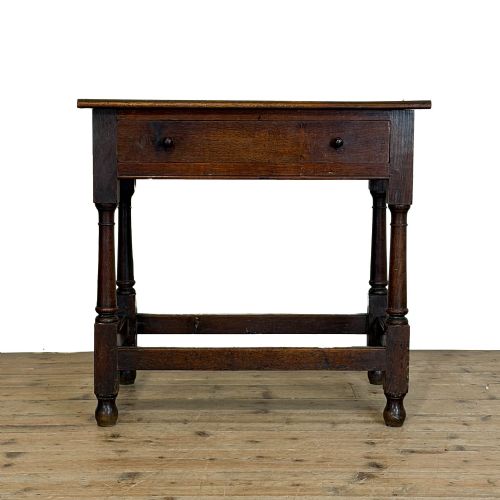
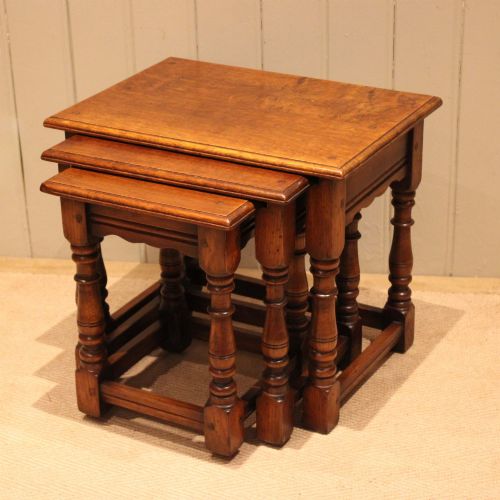
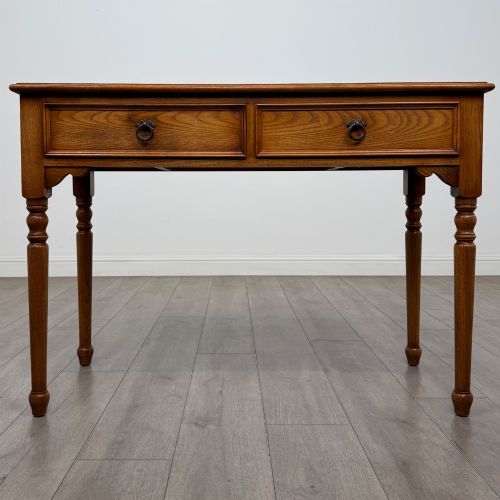
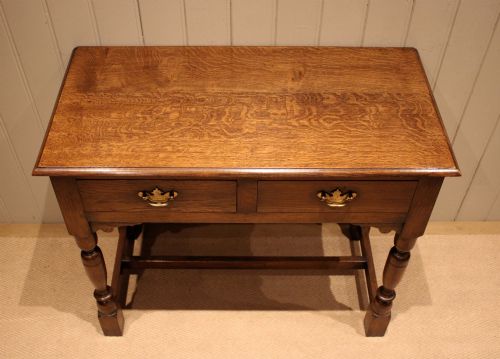
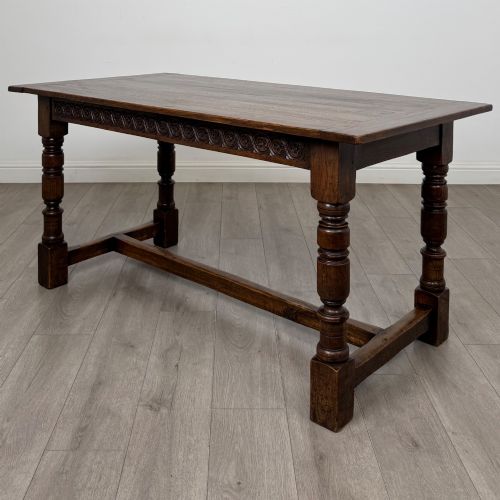
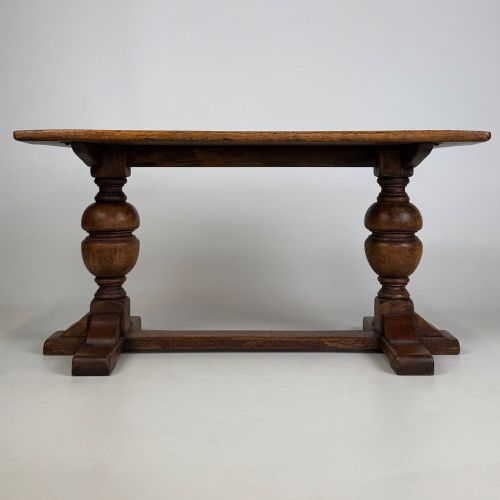
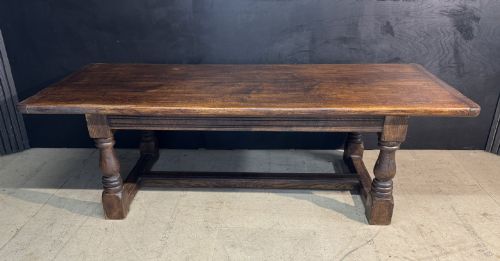
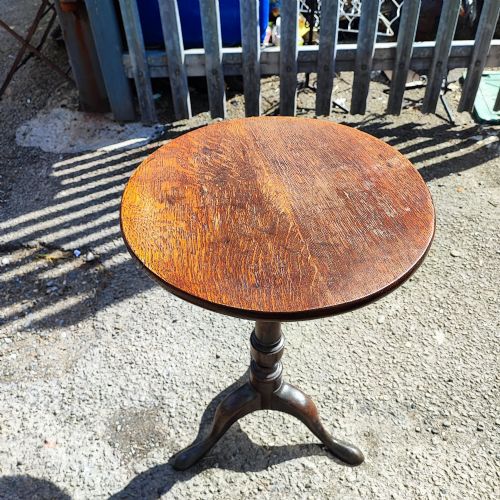
Solid Oak Turned Leg Table
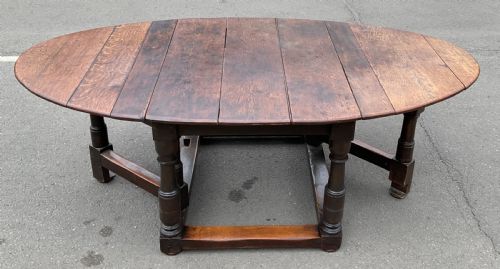
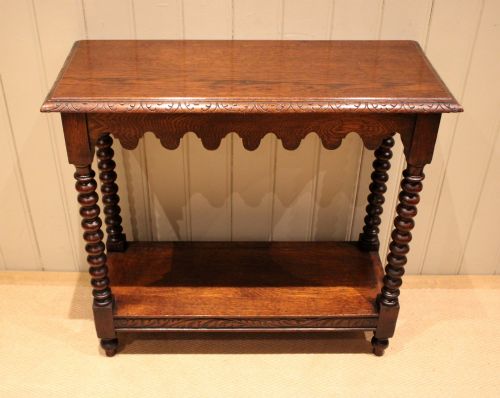
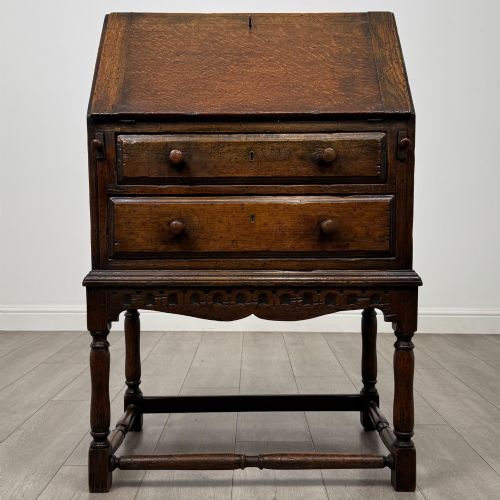
A solid oak turned leg table brings heavy timber and turned supports into a room, offering sturdy utility across centuries of domestic use.
Solid Oak Turned Leg Table
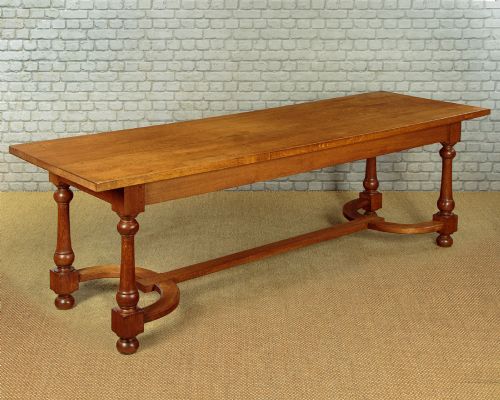
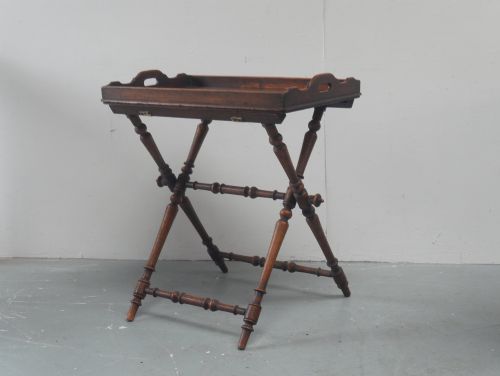
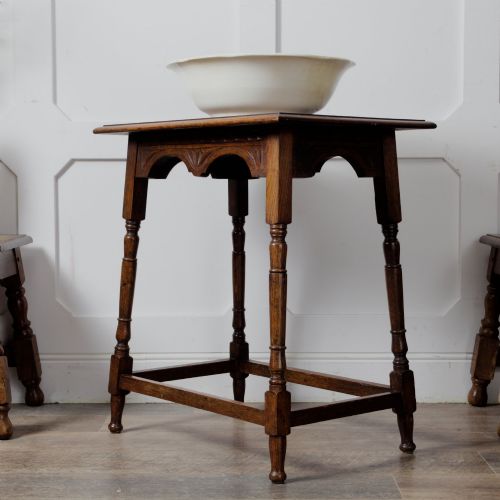
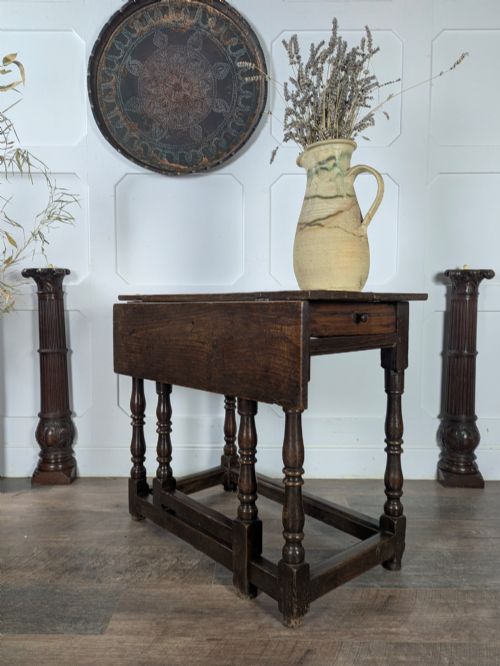
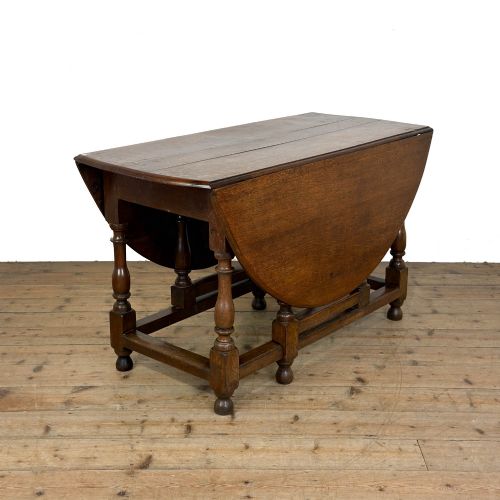
A solid oak turned leg table appears across several centuries, stretching from seventeenth-century gateleg and side examples through eighteenth-century forms to Edwardian and later refectory and dining tables. Buyers searching for a solid oak turned leg table will encounter diverse formats, including side tables, coffee tables, and large dining pieces.
The survival of these pieces shows how utilitarian furniture evolved from early jointed constructions and gateleg designs to twentieth-century refectory tables. Regional British and continental workshops produced these items for daily labour and dining, utilising dense timber that withstood generations of domestic wear.
Proportion and material integrity
Quality rests upon the selection of timber and the preservation of original structure, where pieces retaining their early surface patination command greater interest than those stripped or overly restored. The execution of the turnery demonstrates workshop skill, with crisp, well-defined legs indicating careful craftsmanship.
Proportion and scale dictate the success of the form, particularly in gateleg and refectory tables where structural balance prevents tipping and supports heavy loads. Original fixings and unaltered timber lengths distinguish superior examples from later assemblies.
One notable table previously served in York Minster, bringing ecclesiastical history straight to the dining room.
The Solid Oak Turned Leg Table Glossary
- Gateleg table
- A table with hinged flaps supported by legs that swing outward to hold the leaves. This design allows the surface area to expand or contract according to domestic needs.
- Refectory table
- A long, narrow dining table traditionally used in communal dining halls. These pieces often feature stretcher rails connecting sturdy turned legs near the floor.
- Joint stool
- A low wooden seat constructed with mortise and tenon joints rather than turned parts. They frequently share rooms with tables from the same period.
- Bobbin turning
- A form of lathe work producing a series of rounded, spool-like shapes along the length of a leg. It appears widely on seventeenth-century furniture.
- Draw leaf table
- A dining table with hidden leaves beneath the main top that pull out to extend the surface. This mechanism provides additional seating space without removing the primary boards.
Solid Oak Turned Leg Table: Frequently Asked Questions
How do I date an oak table?
Dating relies on examining the construction marks, joint types, and tool evidence left by makers. Early pieces display hand-riven timber and pegged joints, whereas later examples show standardised industrial fixings.
Changes in fashion also dictate the turnery style, moving from heavy bobbin or baluster legs in the seventeenth century to simpler tapered or turned supports in later decades.
Can I use an antique table daily?
These tables were built for heavy domestic labour and dining, making them robust enough for modern daily use. Regular maintenance with appropriate wax helps protect the surface from moisture and everyday wear.
Placing the timber away from direct heat sources prevents the wood from drying out and splitting over time.
How do I care for solid oak?
Solid oak responds best to cleaning with a soft, dry cloth and occasional applications of traditional beeswax to nourish the grain. Avoiding synthetic cleaners and excess water preserves the historic patina and protects the finish.
Keeping the room humidity stable prevents the timber from expanding and contracting too severely.