



Solid Oak Pedestal
A solid oak pedestal brings enduring strength to a room, offering sturdy support and classic utility across generations of daily use.
Solid Oak Pedestal
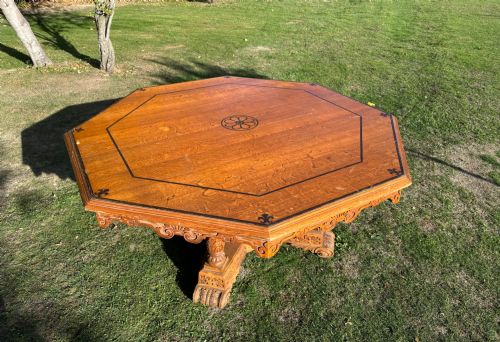
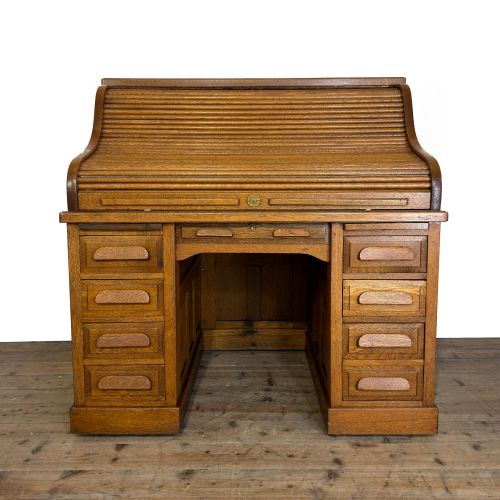
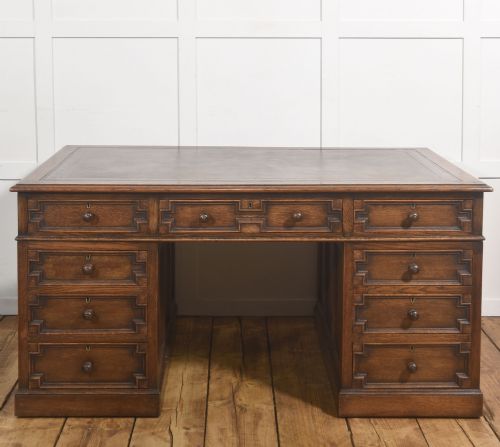
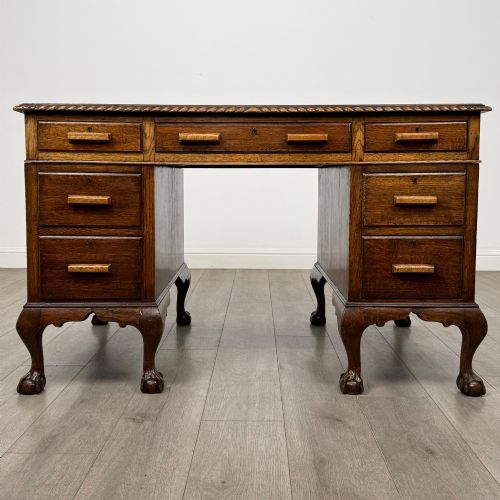
A solid oak pedestal encompasses a variety of substantial forms designed for work and dining, ranging from partners desks and roll-top office desks to circular dining tables and refectory boards. Buyers seeking these items encounter a mix of periods spanning the Victorian era through Edwardian times and into the mid-twentieth century.
The most common interpretations on this page are heavy office desks featuring pedestal drawer arrangements alongside refectory and tilt-top dining tables. These pieces draw on revival styles such as Jacobean, Gothic, and Chippendale alongside simpler Arts and Crafts or Art Deco designs, originating primarily from British and European workshops.
Factors of Quality
Quality in these pieces rests upon the selection of timber and the precision of the joinery, distinguishing straightforward utilitarian items from more ambitious cabinet work. Dense, well-figured oak and robust construction without excessive modern intervention represent the upper tier of the range.
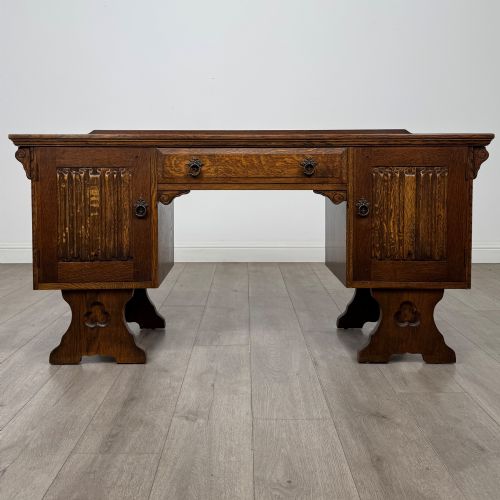
The sophistication of decorative details - such as hand-carved linenfold panels, functioning tambour mechanisms, and integrated maker labels - separates standard production items from finer workshop commissions. The integrity of the original hardware and the stability of the central pedestal or support base further define the standing of each piece.
Solid Oak Pedestal Retail Price Guide 2026
Typical asking prices for solid oak pedestal among the pieces listed under this phrase on Sellingantiques today, from the lower quarter to the upper quarter. They describe what is for sale here now, not the wider market.
One tilt-top table once poured tea in a Scottish parlour before finding its way to a quiet corner here.
Ercol·Heal s
The Solid Oak Pedestal Glossary
- Roll top desk
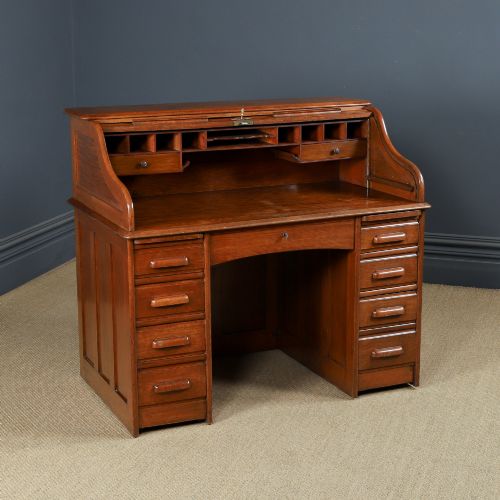
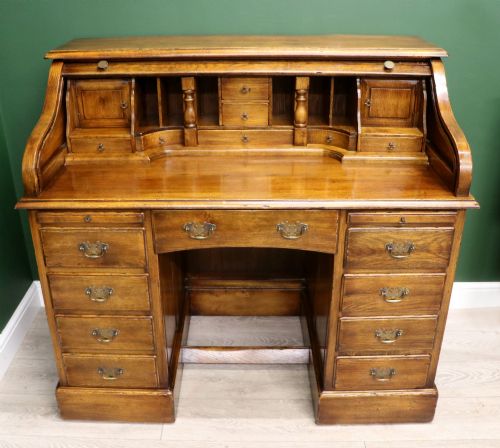
- A bureau featuring a slatted wooden tambour door that slides down to cover the writing surface and pigeonholes. It typically sits atop two pedestals containing multiple drawers.
- Refectory table
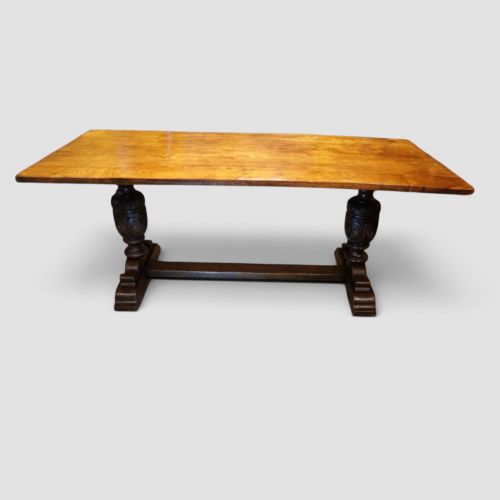
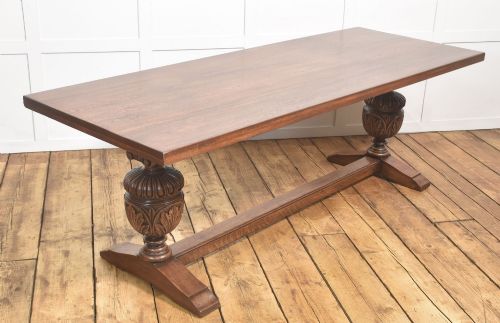
- A long, narrow dining table traditionally used in communal dining halls, supported by sturdy legs connected by a central stretcher. Examples often feature solid oak planks and heavy trestle or pedestal supports.
- Tilt top table
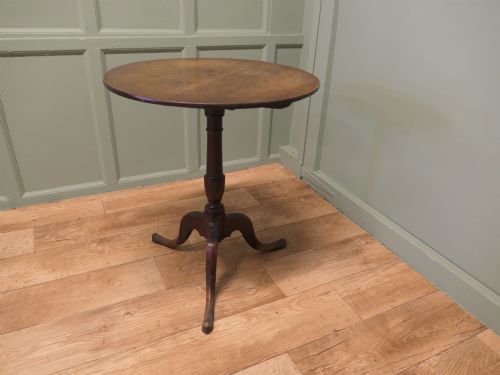
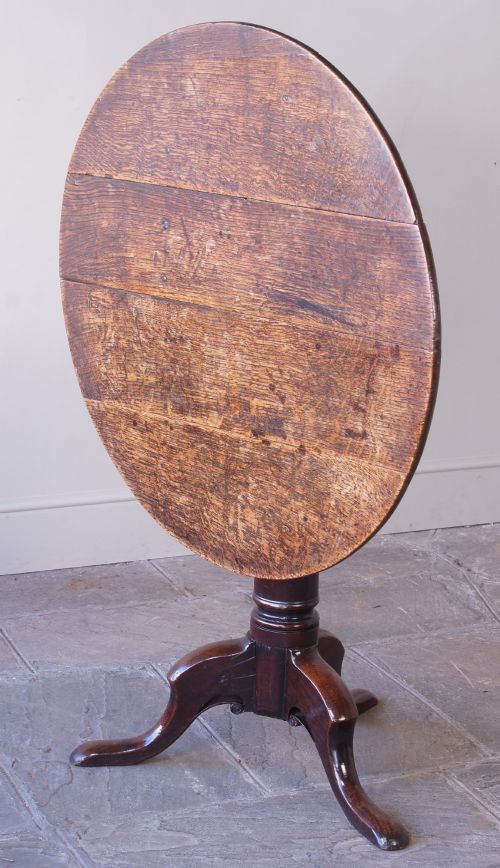
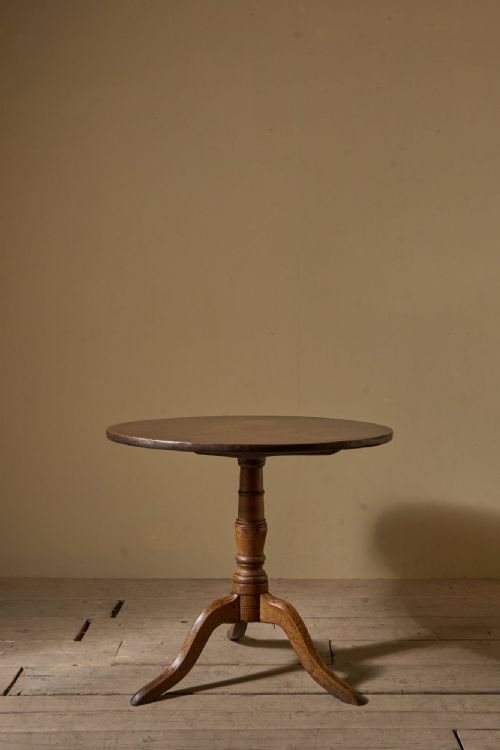
- A table designed with a mechanism that allows the top to pivot into a vertical position when not in use. This space-saving form gained popularity in country houses and parlours during the nineteenth century.
- Linenfold
- A style of wood carving that imitates folded linen cloth, frequently seen on panels of Edwardian and revival desks and cabinets. It requires skilled hand chiselling to achieve the illusion of fabric texture.
- Partners desk
- A large double-sided desk designed for two people to work opposite one another, featuring pedestal drawer stacks on both sides. These heavy pieces often incorporate leather writing surfaces.
Solid Oak Pedestal: Frequently Asked Questions
What is a solid oak pedestal desk?
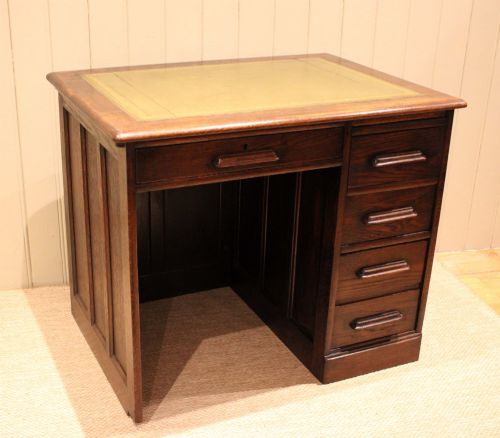
A solid oak pedestal desk is a heavy office or writing table built with two separate columns of drawers supporting the main worksurface. These sturdy pieces provide substantial storage while serving as a central workspace.
Most examples date from the Victorian and Edwardian periods, frequently incorporating tambour shutters or leather writing inserts. Their robust construction makes them practical for daily administrative tasks in modern studies.
How do I care for solid oak furniture?
Solid oak furniture benefits from regular dusting with a soft, dry cloth and occasional treatment with suitable natural waxes to nourish the wood. Keeping pieces away from direct heat sources and strong sunlight prevents the timber from drying out or splitting.
Using coasters and placemats protects the polished surface from moisture and heat rings. With minimal attention, the dense grain and sturdy construction maintain their integrity for decades.
Where were these tables used originally?
These tables served various functions in country houses, Victorian parlours, and early twentieth-century offices. Dining tables accommodated large household meals, while tilt-top variants offered flexible surface space in smaller rooms.
Office desks equipped with pedestals and tambour shutters provided secure storage for documents in commercial settings. Their versatile forms allowed them to transition easily from formal reception rooms to working spaces.
How do I identify the period of an oak desk?
Period identification involves examining construction methods, hardware materials, and stylistic revival cues such as Jacobean carving or Art Deco geometric lines. Victorian and Edwardian pieces often display heavier proportions and traditional brass pulls, while later twentieth-century items show simpler profiles.
Maker labels, where present, offer definitive proof of origin and date. Comparing the secondary woods and drawer dovetailing also helps narrow down the decade of manufacture.