

Solid Oak Lamp
A solid oak lamp brings sturdy timber grain and enduring utility to a room, ranging from early floor standards to compact table forms.
Solid Oak Lamp
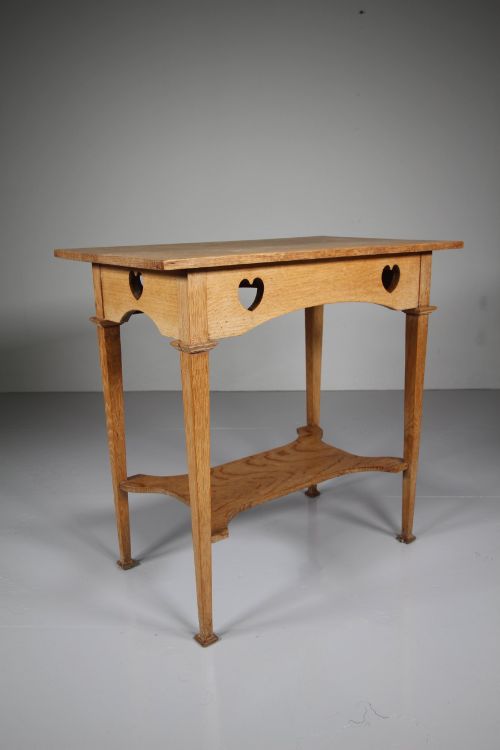
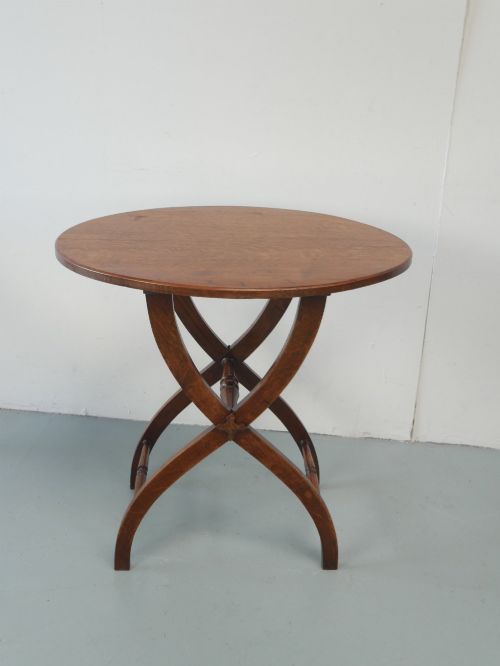
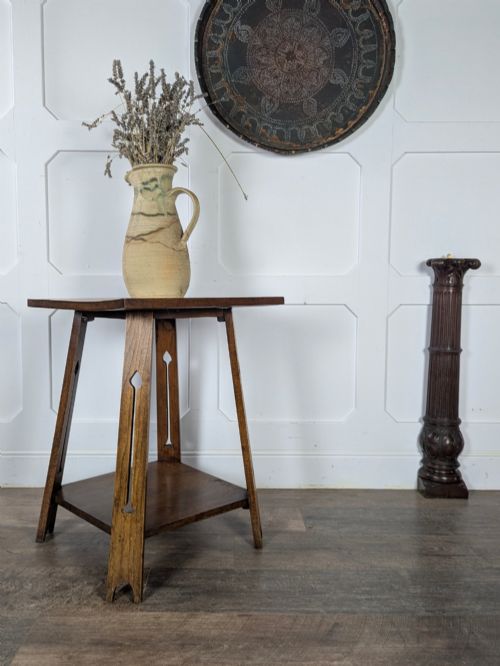
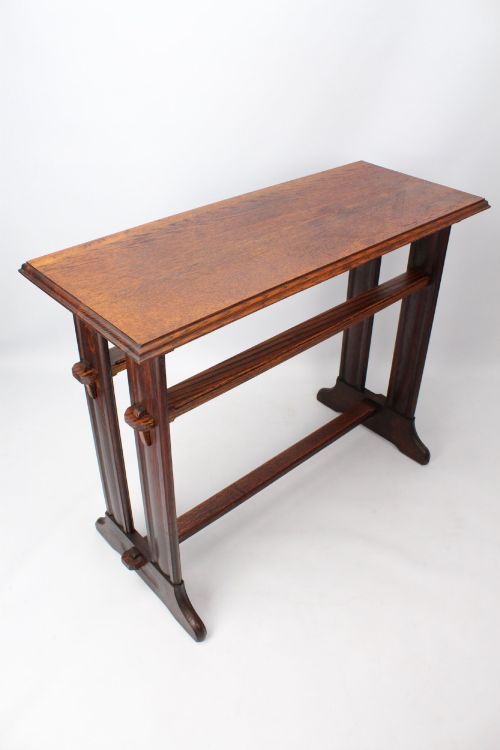
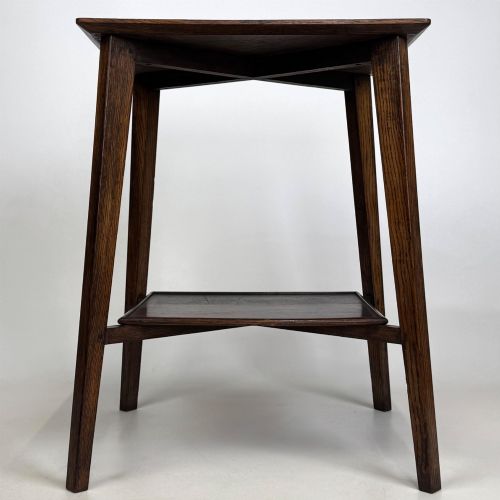
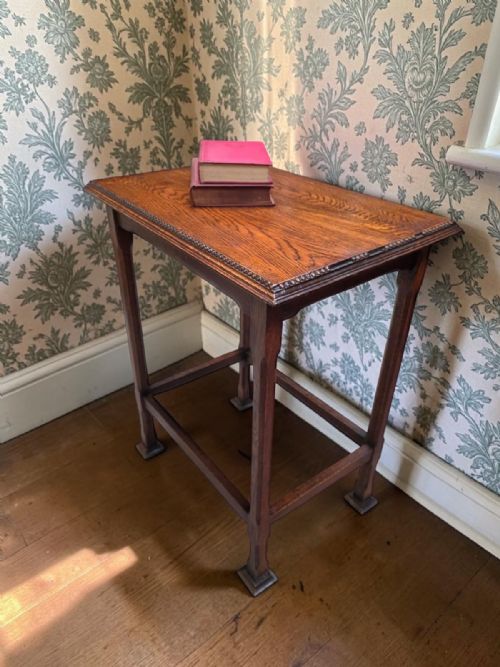
A solid oak lamp search draws together a robust mix of standard floor lamps and smaller table lamps, alongside occasional timber tables that historically served domestic lighting needs. Buyers frequently encounter Edwardian and 1920s interpretations, often crossing paths with Arts and Crafts design or Art Deco geometry.
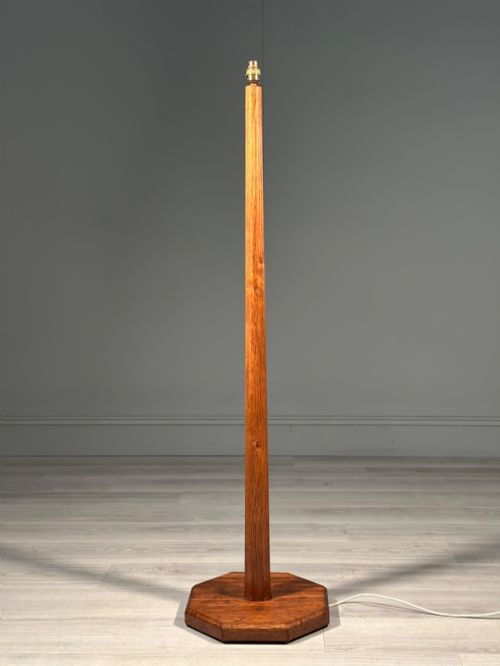
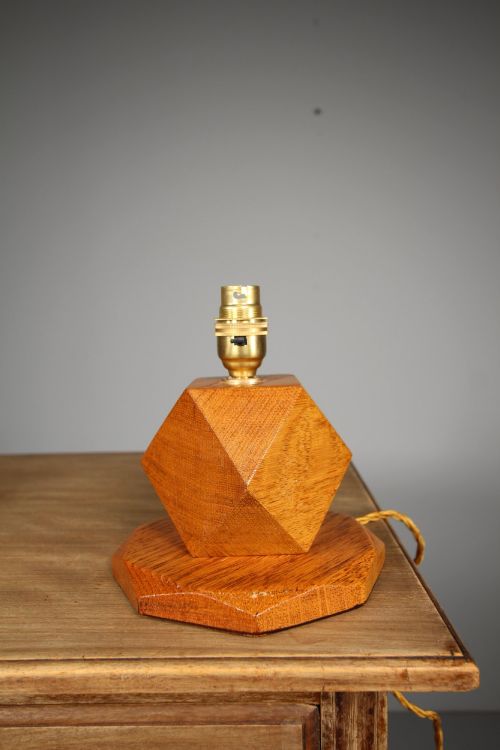
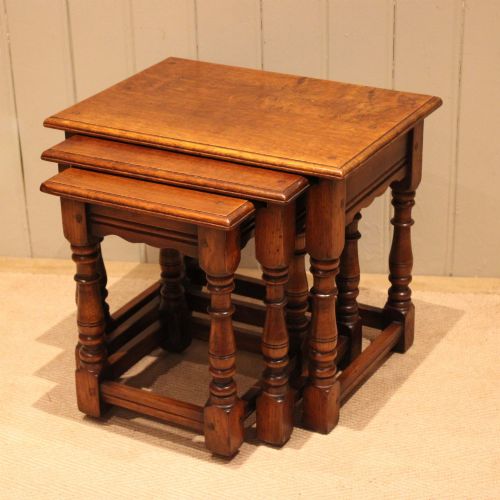
The selection ranges from tall standard lamps designed to illuminate a corner to compact lamp tables and lighthouse forms in solid oak. Earlier 17th Century and Georgian pieces appear alongside later Victorian and 1930s examples, showing how timber lighting evolved over centuries of British cabinet making.
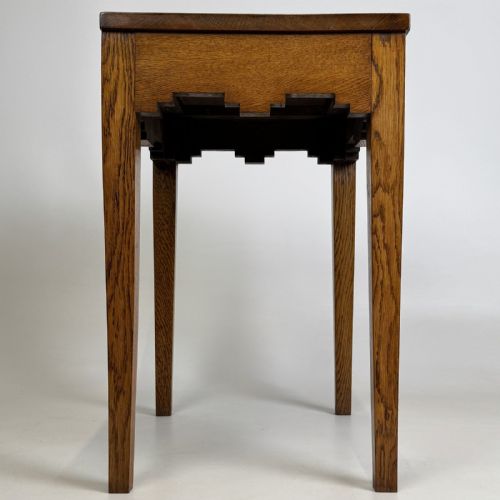
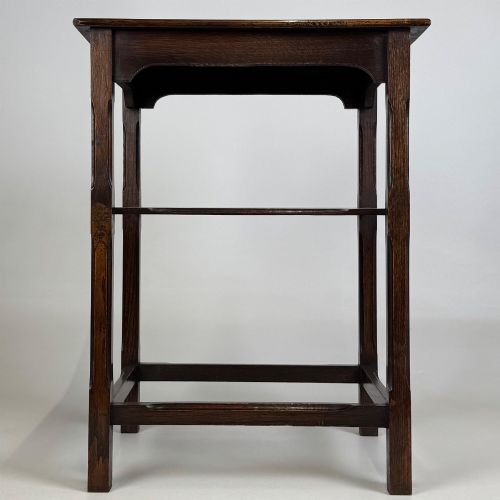
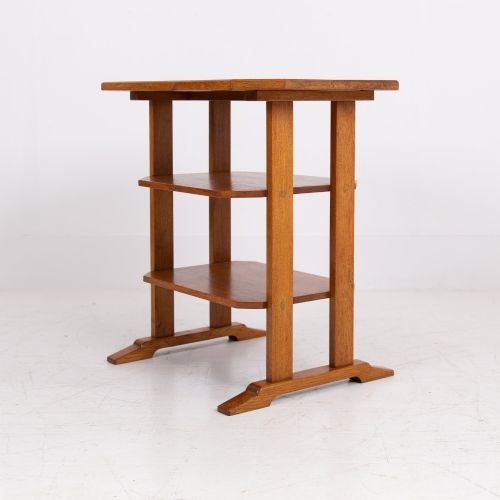
Most items on this page lean towards practical side tables used for lamps or dedicated standard lamp bodies made from dense oak. Ebonised wood and brass details occasionally accent the primary oak construction, rooting the selection firmly in traditional and modernist domestic interiors.
How they were made
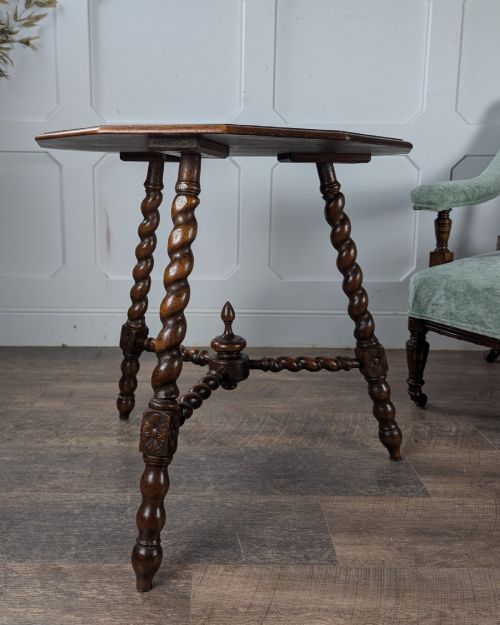
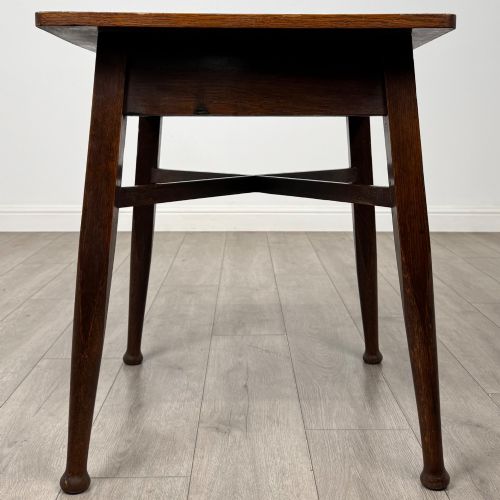
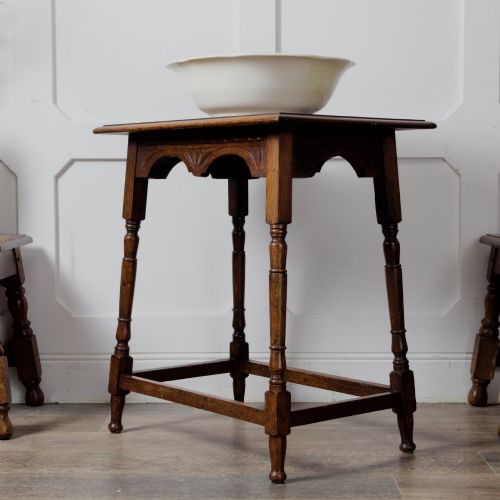
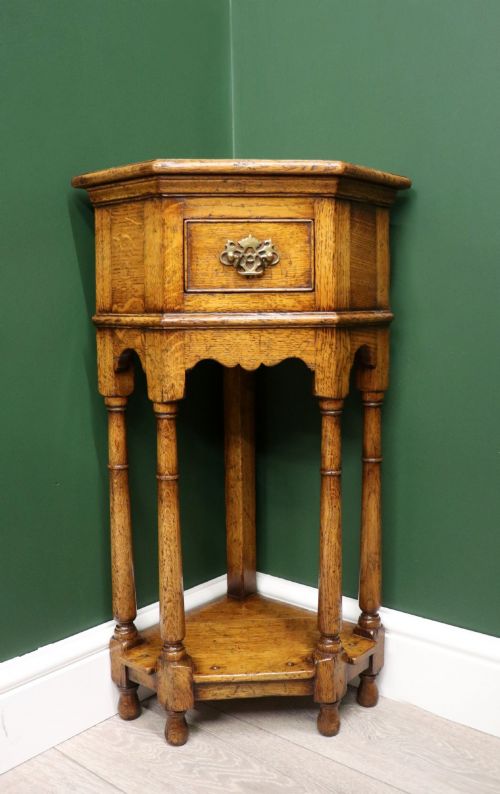
Makers utilised solid oak alongside contrasting materials like ebonised wood and brass fittings to construct these lamps and tables. Timber was selected for its heavy grain and structural durability, allowing for carved details, barley twist turnings, and tapered legs.
Construction techniques span traditional joinery found in 17th Century and Georgian pieces up to the clean lines seen in Art Deco and Arts and Crafts standards. Brass components provide functional mounts and switches, while ebonised wood adds dark linear contrast to golden oak surfaces.
Solid Oak Lamp Retail Price Guide 2026
Typical asking prices for solid oak lamp among the pieces listed under this phrase on Sellingantiques today, from the lower quarter to the upper quarter. They describe what is for sale here now, not the wider market.
Some oak lighthouse lamps were built so stoutly they could double as small nautical beacons if given half a chance.
What varies in quality
The standard of a solid oak lamp depends heavily on the integrity of the timber and the precision of the turning or carving. Superior examples display crisp joinery and well-figured grain that has aged naturally without excessive modern intervention.
Proportion and decorative restraint separate finer pieces from heavier, plain alternatives. Original brass hardware and restrained Arts and Crafts or Art Deco detailing elevate the overall design integrity of the piece.
Heals·Whytock and Reid
The Solid Oak Lamp Glossary
- Solid oak
- Timber taken directly from the heartwood of the oak tree rather than veneered panels. It provides heavy weight and visible growth rings that define the surface character.
- Standard lamp
- A tall floor-standing lamp designed to illuminate a room from a corner or beside a piece of furniture. These often feature turned wooden shafts and substantial bases.
- Barley twist
- A decorative spiral turning resembling a twisted rope, carved into wooden table legs or lamp columns. This technique gained popularity in 17th Century furniture and later revivals.
- Arts and Crafts
- A design movement prioritising traditional craftsmanship and simple forms over mass production. Pieces from this style often highlight the natural grain of oak.
- Ebonised wood
- Timber treated with a chemical stain or finish to imitate ebony. It creates a deep black contrast against golden oak surfaces in Art Deco pieces.
Solid Oak Lamp: Frequently Asked Questions
How do I date a solid oak lamp?
Dating relies on observing construction methods, turning styles, and material combinations present in the piece. Arts and Crafts and Art Deco indicators point to specific decades in the early twentieth century, while barley twist turns often suggest earlier revivals or 17th Century origins.
Examining the finish and any associated hardware helps separate Edwardian and Georgian examples from later reproductions. Natural patination on the oak surface builds over decades of handling.
Where should I place a standard lamp?
Standard lamps suit dark corners or seating areas where direct task lighting is helpful. Their vertical presence anchors a room without occupying valuable floor space.
Pairing a tall oak standard lamp with matching occasional tables creates a cohesive arrangement in a traditional study or living space.
Are these lamps wired for modern use?
Most antique lighting requires inspection and rewiring by a qualified electrician to meet modern safety standards. Original brass lampholders are frequently retained where possible.
Buyers should plan for professional testing before connecting any vintage standard lamp to a mains supply.
What is the difference between a lamp table and a standard lamp?
A lamp table is a low occasional furniture piece designed to support a smaller table lamp or decorative object. A standard lamp is a tall floor-standing lighting column.
Both utilise solid oak construction across various historical periods, often sharing design traits like tapered legs or carved details.