




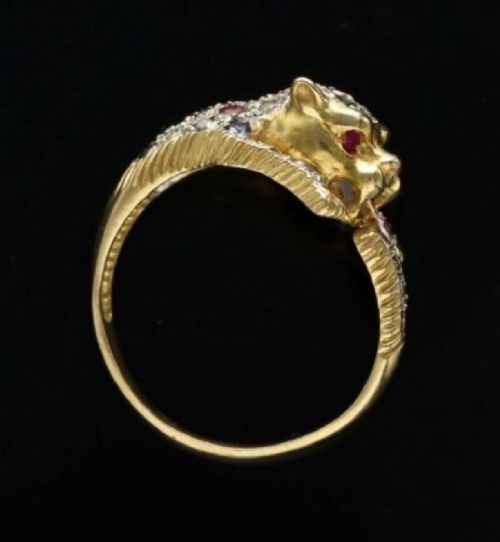
Solid Gold Band
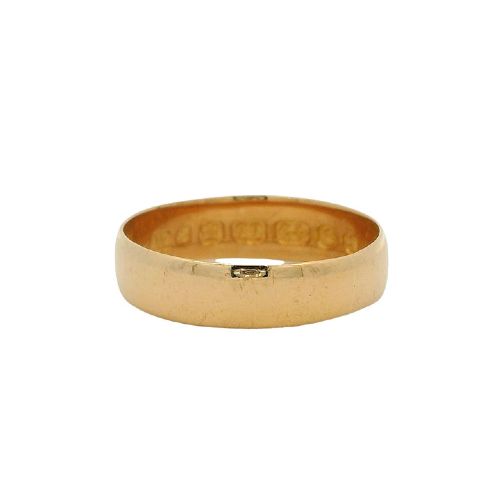
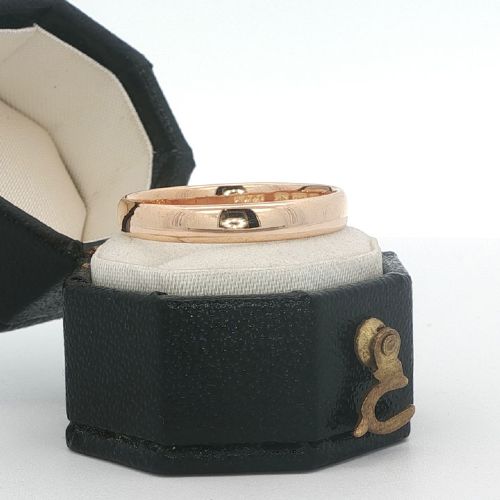
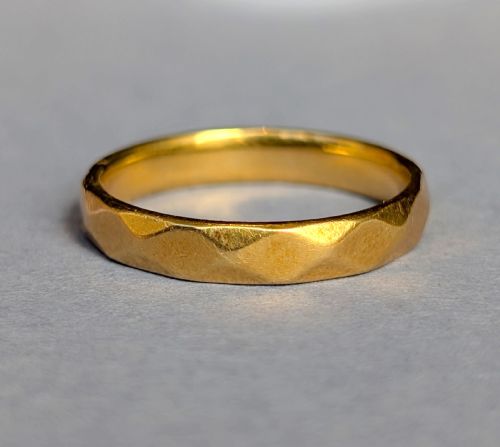
A solid gold band is a traditional piece of jewellery designed for everyday wear, offering durability and enduring style across generations.
Solid Gold Band
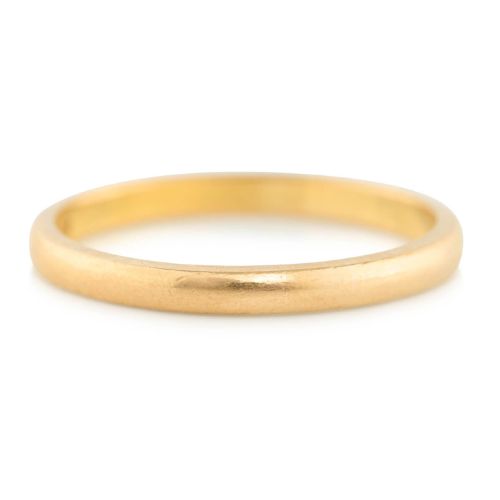
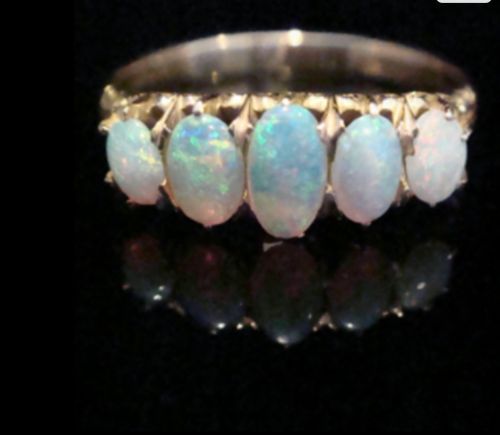
The most common form is the wedding band ring, often rendered in high-purity twenty-two carat gold or eighteen carat yellow gold. Alongside plain wedding bands, listings include diamond cluster bangles, buckle rings, and multi-stone gemstone rings.
Materials and construction methods
The materials recorded in the evidence range from nine carat yellow gold up to twenty-two carat gold, alongside white metal settings for gemstones. Many of these items incorporate diamonds, emeralds, natural solid opals, and multi-gemstones secured within traditional mountings.
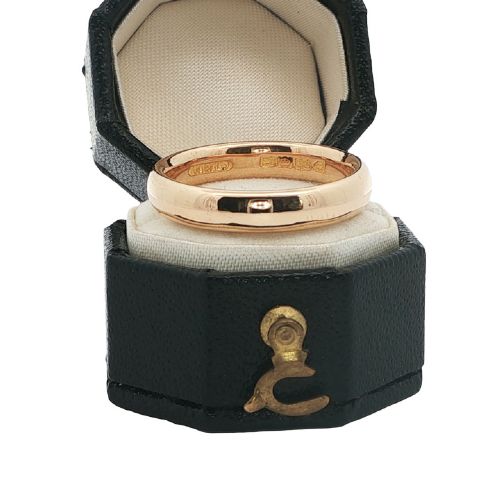
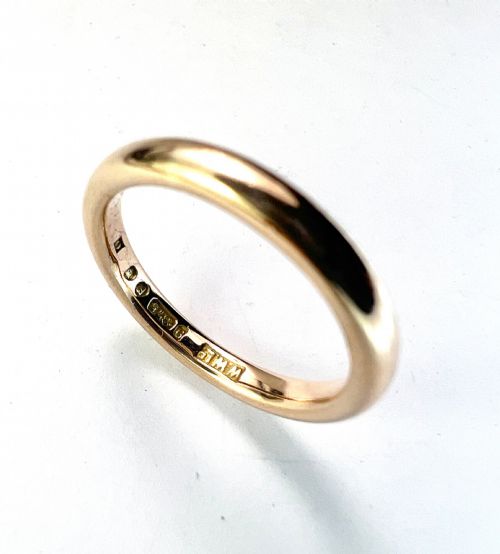
Makers utilised hallmarking to indicate the purity and origin of the metal, with specific pieces bearing London assay marks or maker's marks such as those by William Griffiths and Son.
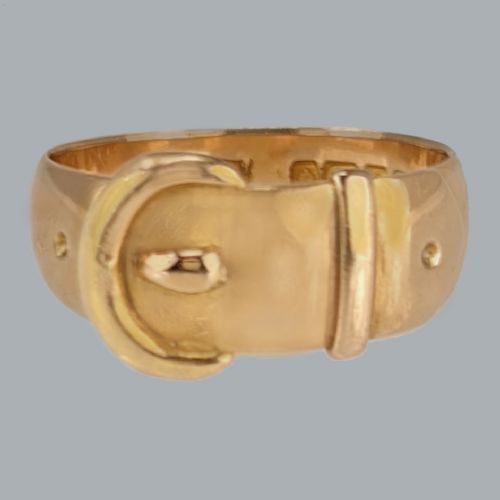
Some Edwardian bands feature a clever buckle design, allowing you to wear a belt securely around your finger without ever looping a trouser.
What separates the grades
The quality of a solid gold band is largely determined by the karat weight of the metal and the presence of proper hallmarks. Pieces fashioned from twenty-two carat gold represent a higher gold content than those made from nine carat alloys.
Craftsmanship also dictates distinction, particularly in the precision of the sizing, the weight of the gold such as heavier bangles, and the secure setting of diamonds or gemstones in Edwardian and Victorian multi-stone rings.
William Griffiths and Son·W. E. D. L
The Solid Gold Band Glossary
- 22ct Gold
- A gold alloy containing parts of pure gold out of twenty-four, prized for its rich colour and softness. It is frequently utilised in traditional wedding band rings.
- Hallmark
- An official stamp applied by an assay office to indicate the purity of the metal and the year of manufacture. London assay marks appear on several pieces in the listings.
- Buckle Ring
- A ring styled to resemble a fastened belt or buckle, popular during the Victorian and Edwardian periods. These often symbolised loyalty or commitment.
- Cluster Bangle
- A rigid bracelet featuring a grouped arrangement of gemstones or diamonds set closely together. They provide substantial weight and visual impact on the wrist.
- Five Stone Ring
- A ring design featuring five graduated gemstones or diamonds set in a row across the finger. This style was prevalent during the Victorian and Edwardian eras.
Solid Gold Band: Frequently Asked Questions
How do I know my ring size?
Ring sizes are typically measured using standard alphabetical scales such as size P or M one half, as seen in the specific band listings. Jewellers can measure your finger precisely to match these historic measurements.
Older rings may have been resized over the decades, so checking the inner diameter with a professional is recommended before purchase.
Can I wear a 22ct gold band daily?
Twenty-two carat gold is a softer metal due to its high purity, which means it develops a gentle patina from daily wear over the years. Many people wear them constantly as wedding bands.
If you lead a very active lifestyle, you might consider removing the ring during heavy manual work to preserve the engraved details and original width.
What is the difference between 9ct and 18ct gold?
Nine carat gold contains a lower proportion of pure gold alloyed with other metals to increase durability and alter the hue. Eighteen carat gold offers a higher gold purity while maintaining enough strength for gemstone settings.
Both standards appear across different periods in the collection, serving distinct aesthetic and structural purposes.
How do I care for antique gold jewellery?
Antique solid gold pieces require gentle cleaning with warm soapy water and a soft cloth to remove everyday oils and dust. Avoid harsh chemical dips, especially on rings containing natural opals or emeralds.
Store each piece separately in a fabric-lined box to prevent the metal from scratching against other items in your collection.