


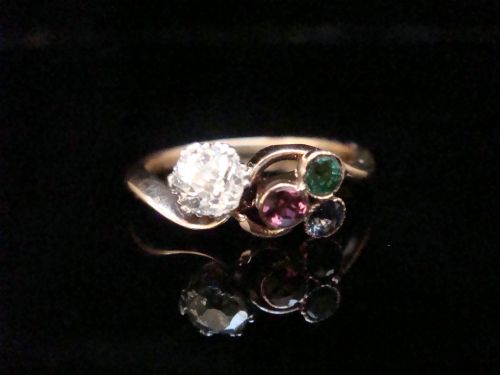
Antique Yellow Gold Band
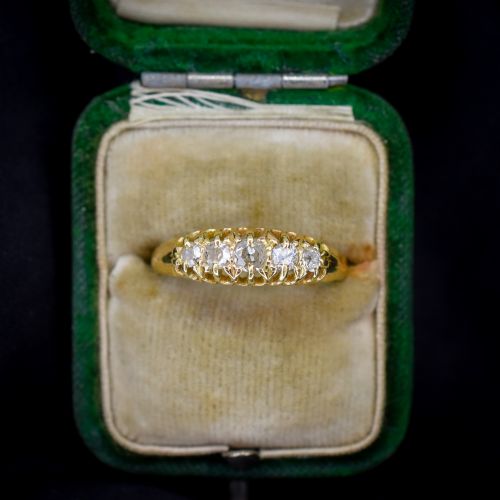
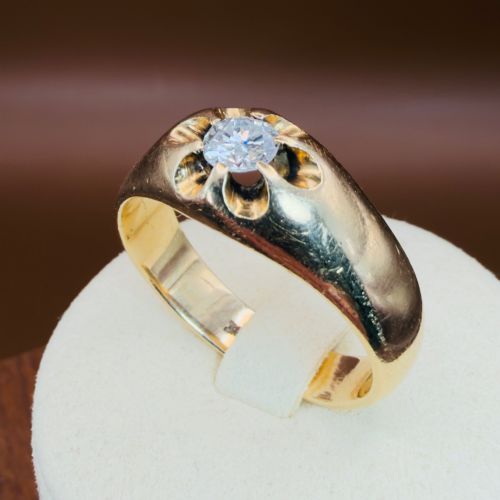
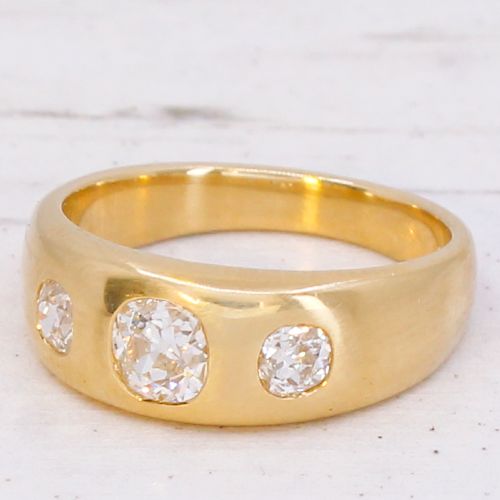
These antique yellow gold bands range from plain wedding rings to diamond-set gypsy mounts from the Victorian and Edwardian eras.
Understanding the antique yellow gold band
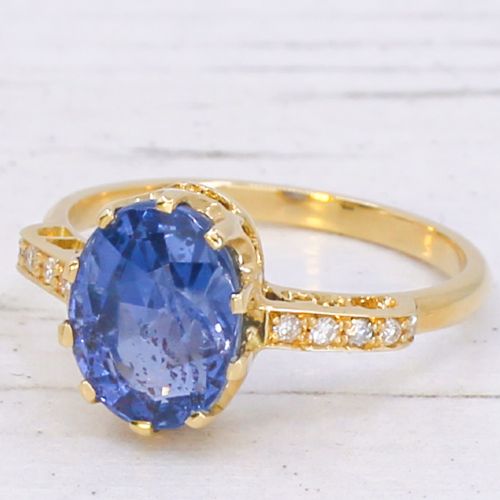
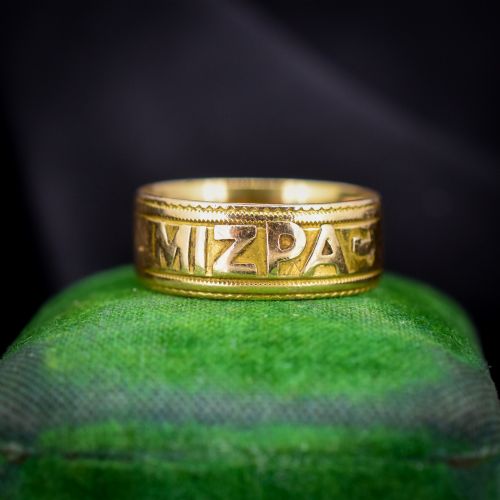
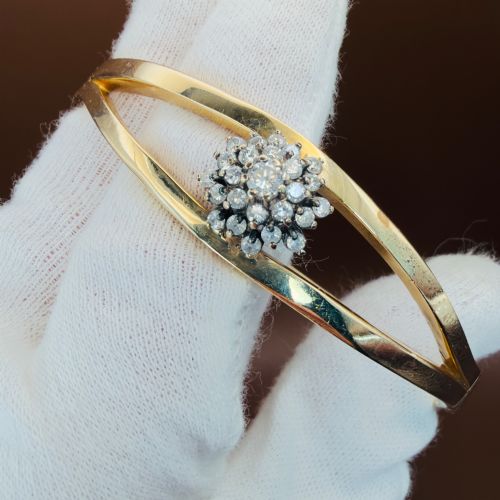
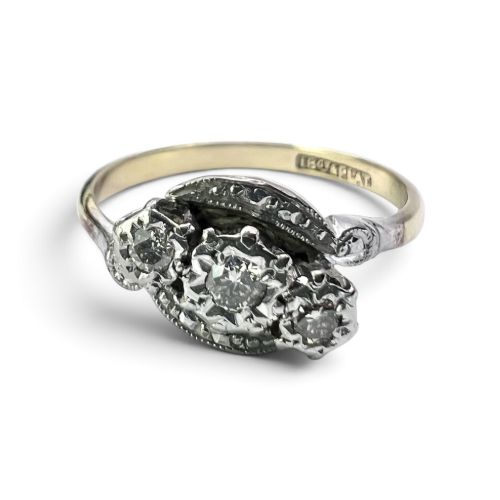
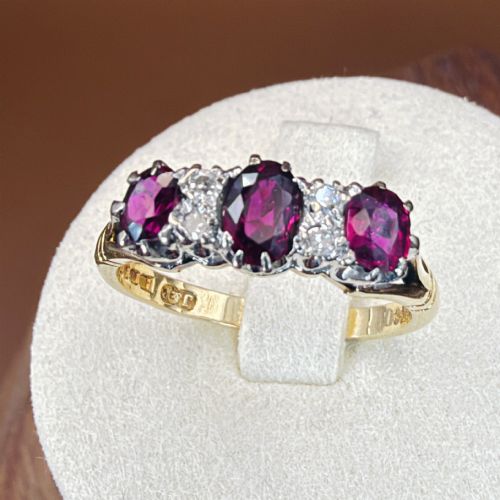
An antique yellow gold band encompasses simple wedding rings and gem-set rings originating from the nineteenth century through the early twentieth century. You will encounter plain bands alongside elaborate styles featuring diamonds, sapphires, and spinels.
The material spans different purities of gold, including fifteen-carat, eighteen-carat, and twenty-two-carat yellow gold, reflecting the standards of the periods in which they were made. Victorian and Edwardian examples dominate the selection, showing both everyday utility and decorative craftsmanship.
Materials and construction
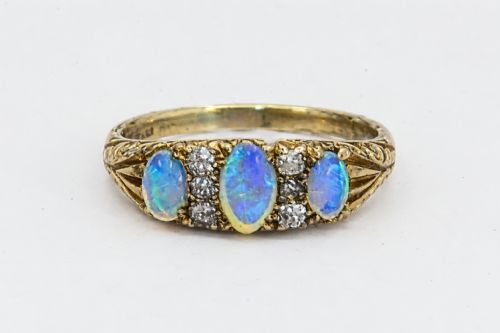
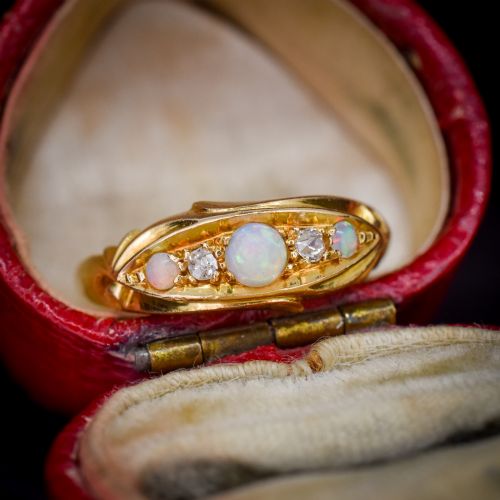
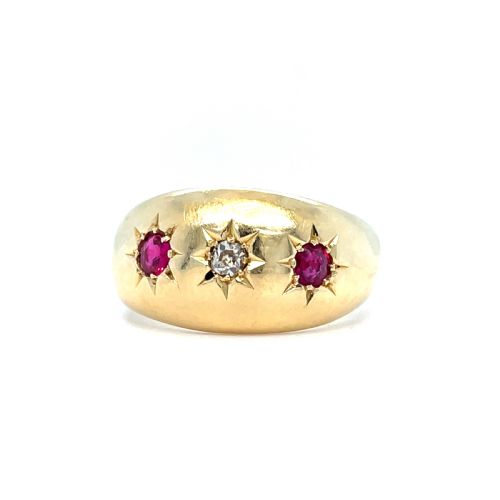
The rings rely primarily on gold alloys ranging from fifteen to twenty-two carats, shaped into solid bands or cast mounting forms. Gemstones such as diamonds, sapphires, and spinels are integrated using star settings, gypsy mounts, or traditional claw settings.
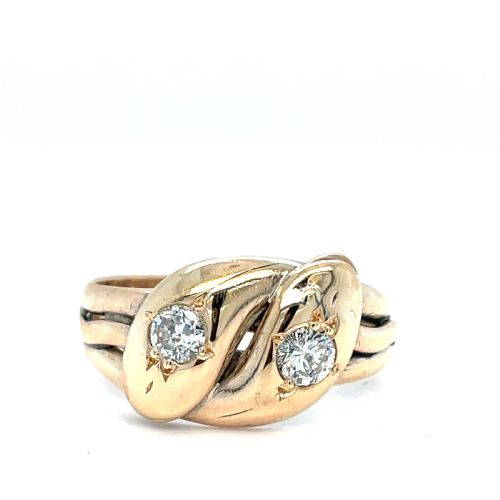
Surface decoration involves hand engraving, knot work, and serpent motifs executed during the Victorian and George V eras. Hallmarks and date stamps frequently record the origin and year of assay, linking the physical object to specific British assay offices.
Retail Price Guide 2026
Typical UK retail prices for yellow gold band, calculated from the Sellingantiques database of over a million retail prices indexed since 2003. This retail price guide relies exclusively on Sellingantiques data; no external sources or auction records are used, so the figures do not describe the wider market.
Distinctions in quality
Quality rests upon the crispness of hand engraving and the structural integrity of the gold band over decades of wear. Higher-tier pieces display intricate details like lovers' knots, double snake designs, or precise starburst Gypsy settings.
The integration of precious stones, including old cut diamonds, natural Burmese spinels, and sapphires, separates simple wedding bands from ornate cluster and half-hoop rings. The depth of the hallmark stamping and the purity of the gold further distinguish the pieces.
The Antique Yellow Gold Band Glossary
- Gypsy band
- A ring style where gemstones are flush-set directly into the thick gold band, popular during the late Victorian and Edwardian periods.
- Old cut diamond
- A hand-faceted diamond shape typical of antique jewellery, featuring a smaller table and wider culet than modern brilliant cuts.
- Assay
- The official testing of precious metal purity, which resulted in stamped hallmarks indicating the town and year of origin.
- Rose cut diamond
- A vintage diamond cut with a flat base and a faceted dome crown resembling an unopened rosebud.
Frequently Asked Questions
What is an antique yellow gold band?
An antique yellow gold band is a finger ring fashioned from gold during the nineteenth or early twentieth century. These pieces include plain wedding bands as well as decorative styles set with gemstones.
They reflect the gold standards and manufacturing techniques of eras such as the Victorian and Edwardian periods.
How do I care for my ring?
Care requires gentle cleaning with warm soapy water and a soft brush to remove everyday debris without damaging the gold or stones. Avoid harsh chemical dips, particularly on antique pieces with vulnerable settings.
Store the band separately in a fabric-lined box to prevent scratching against other jewellery.
How can I date my gold band?
Dating relies on examining hallmarks stamped into the interior of the band, which indicate the assay office and the year of manufacture. Stylistic evidence such as hand engraving, serpent motifs, or star settings also points to specific decades like the Victorian era.
Comparing the gold purity standards helps narrow down the historical period.
What purities of gold will I find?
The listings include multiple gold purities, notably fifteen-carat, eighteen-carat, and twenty-two-carat yellow gold. Higher caratages contain a greater proportion of pure gold, giving the metal a richer colour.
British pieces often carry specific hallmarks denoting these exact alloy proportions.