
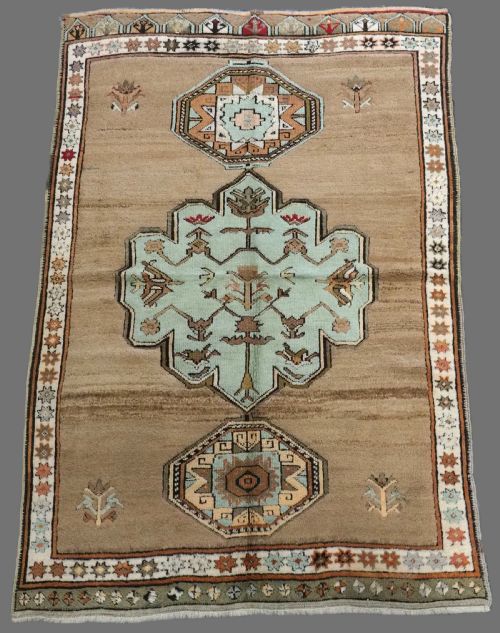


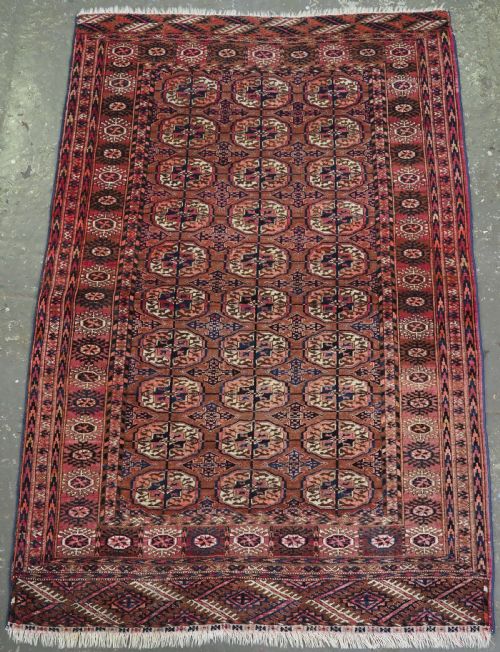


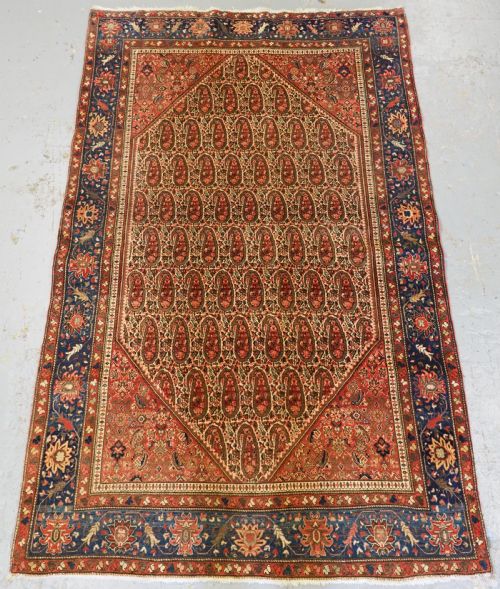


Soft Colour Rug
These soft colour rugs bring together muted antique weaves from Anatolia, the Caucasus, and Persia that anchor a room with gentle patination.
Soft Colour Rug
A soft colour rug represents centuries of nomadic and village weaving traditions where dyestuffs mellow over decades into muted tones. When searching for a soft colour rug, buyers encounter authentic Persian, Turkish, and Caucasian examples dating from the late nineteenth century to the early twentieth century.
The selection ranges from detailed pile carpets with medallions and boteh motifs to flatwoven kilims featuring banded or geometric designs. Village and tribal workshops produced these textiles using durable materials designed to soften under foot while retaining structural integrity.
How They Were Made
Weavers constructed these pieces using natural wool, cotton foundations, and occasionally camel wool for the pile or field. Artisans knotted the wool by hand onto warps or wove flat textiles on traditional vertical and horizontal looms.
Natural organic dyes derived from plants and minerals created the initial palette, which subsequently mellowed through age, light exposure, and gentle washing into the characteristic soft pastel and faded shades.
Listings feature wool, cotton, and camel wool materials across Persian, Turkish, and Caucasian origins.
What Varies in Quality
Knot density and structural tightness dictate the fineness of the weave, separating village pieces from exceptionally detailed workshop carpets. The quality of the wool determines the handle and gloss, with lanolin-rich fleece yielding a supple texture that survives decades of daily use.
Design execution and dye stability also distinguish superior examples, where harmonious tonal shifts enhance the motifs without muddying the overall composition.
Benlian
The Soft Colour Rug Glossary
- Abrash
- A variation in colour shading caused by changes in dye batches or wool lots during the weaving process. This subtle horizontal banding adds characteristic depth to antique carpets.
- Boteh
- An ancient almond-shaped or paisley motif representing a floral spray or cypress tree. It appears frequently in Persian and Caucasian village rugs.
- Kilim
- A flatwoven textile produced without a pile by tightly interweaving warp and weft strands. These pieces function as versatile floor coverings and wall hangings.
- Madder
- A natural red dye extracted from the roots of the Rubia plant. It forms the base for many enduring red and terracotta tones found in antique tribal rugs.
Soft Colour Rug: Frequently Asked Questions
How do I clean an antique rug?
Professional specialist cleaning is essential for antique wool and cotton textiles to prevent dye bleeding or structural damage. Regular gentle vacuuming without a beater bar removes surface dust safely between washes.
Avoid household detergents and mechanical washing machines entirely, as harsh chemicals and agitation destroy delicate natural fibres and aged foundations.
Are these rugs suitable for high traffic areas?
Many village and tribal pieces were constructed by nomadic weavers for daily utilitarian use and withstand moderate foot traffic exceptionally well. Durable wool pile and tight knotting allow these textiles to endure in hallways and living rooms.
Placing a quality underlay beneath the rug prevents sliding and cushions the foundation against premature wear from hard flooring.
What causes the faded colours?
Decades of exposure to natural ambient light gradually soften the original botanical and mineral dyes. This process mellows bright reds and blues into gentle pastels and muted earth tones.
Age and repeated washing also contribute to the characteristic patinated look that collectors and interior designers value in antique carpets.
How do I identify the origin?
Structural characteristics such as knot types, edge finishes, and end-finish fringes provide primary clues to regional provenance. Specific geometric motifs, border arrangements, and colour palettes also point towards particular weaving groups like the Kazak, Ushak, or Shirvan traditions.
Comparing the wool quality and structural materials helps narrow down whether a piece originated in Anatolia, the Caucasus, or Persia.