


Cream Area Rug
These cream area rug examples are woven floor coverings spanning the nineteenth and early twentieth centuries, prized for their muted palettes and intricate traditional designs.
Cream Area Rug
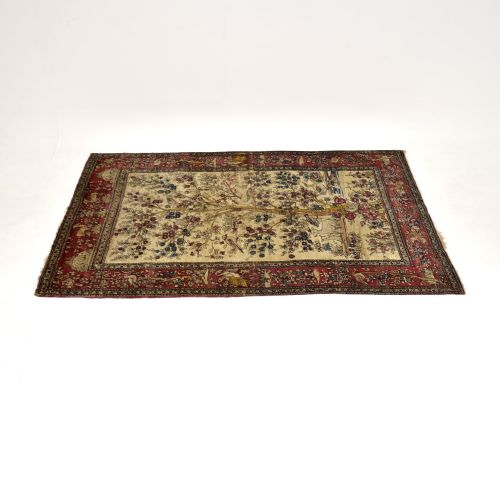
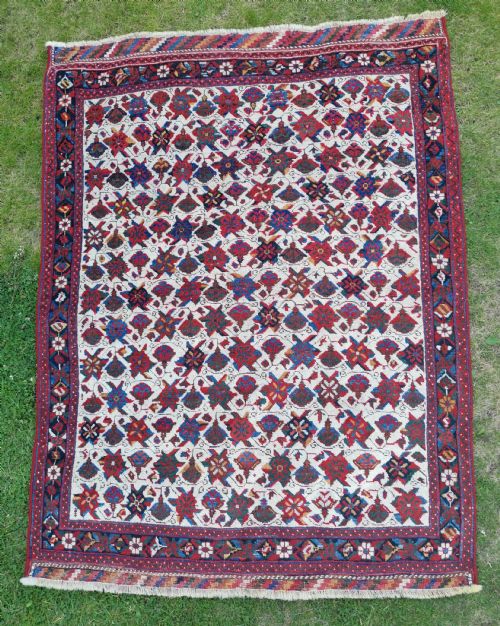
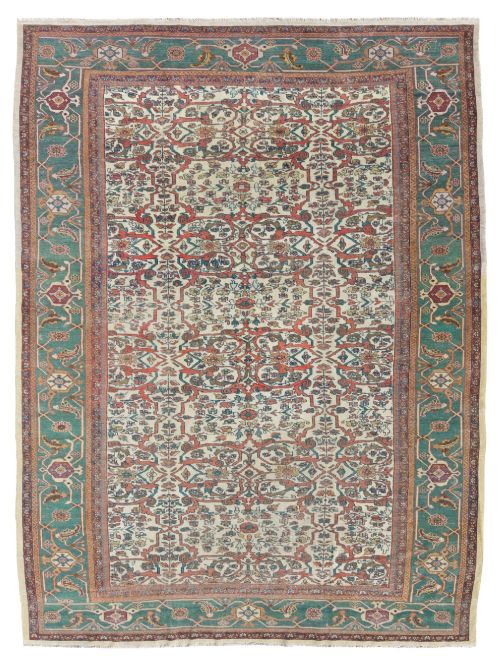
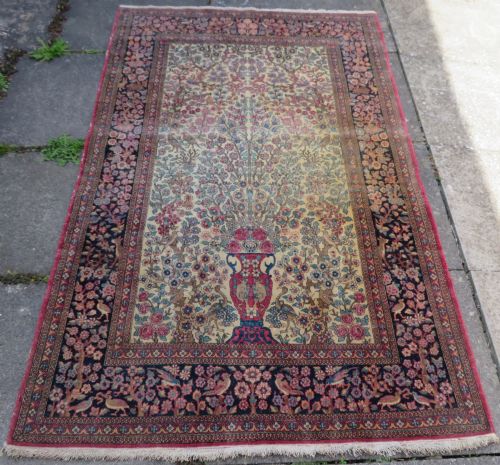
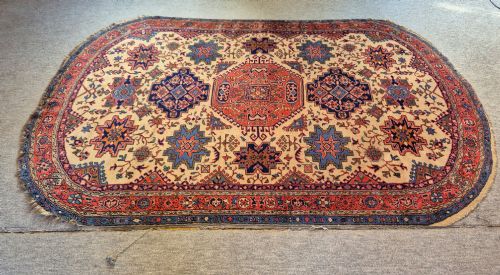
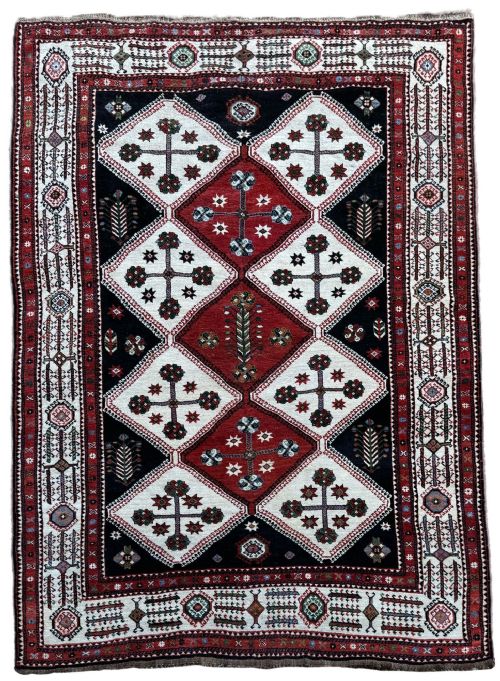
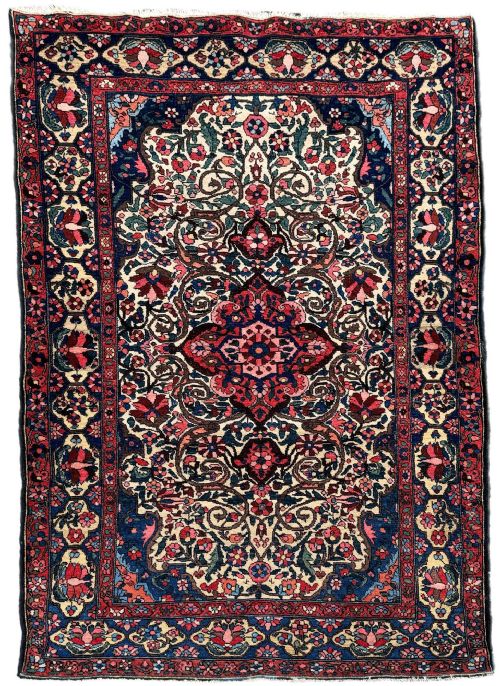
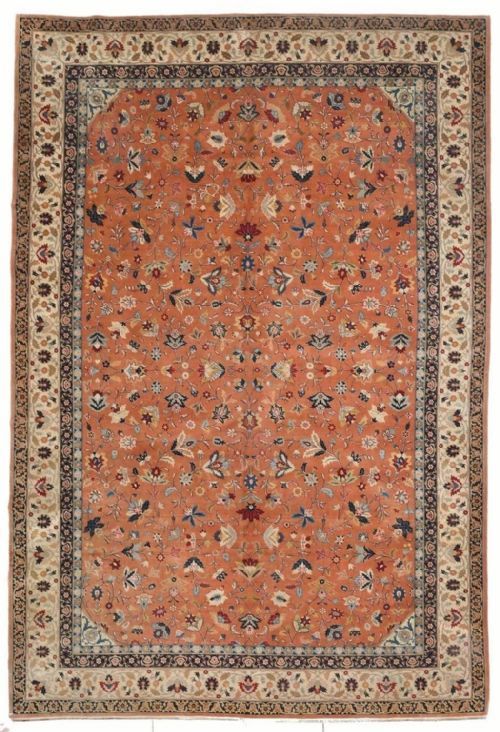
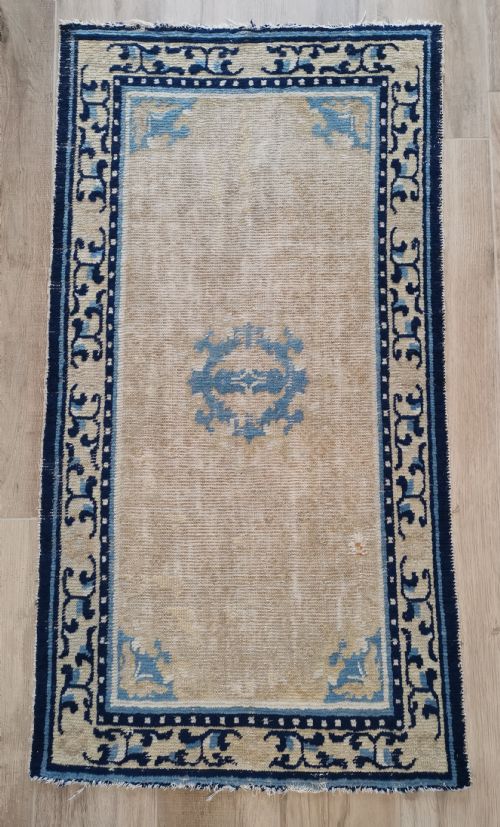
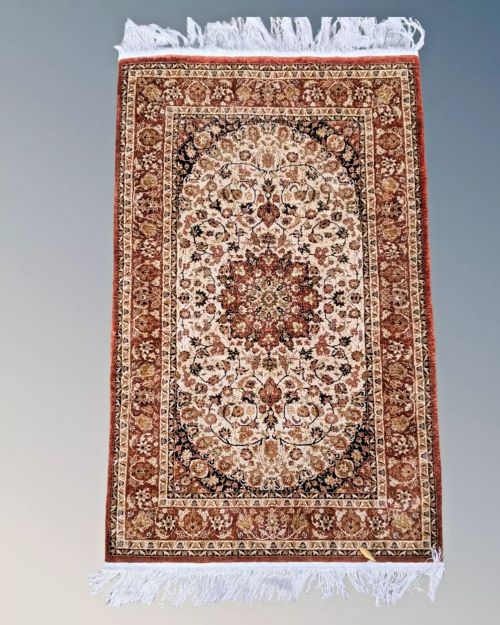
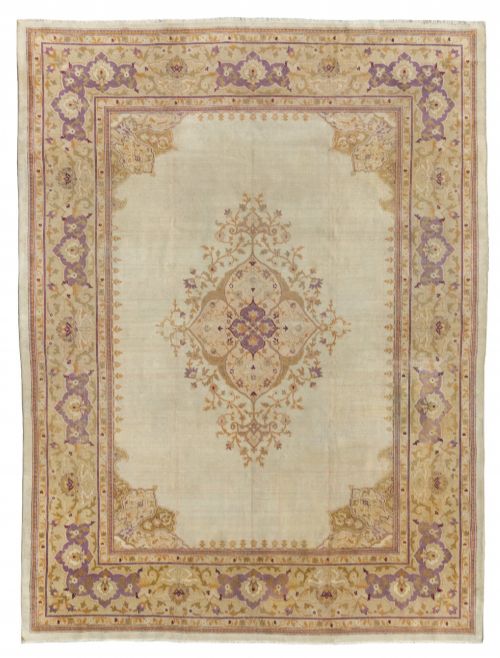
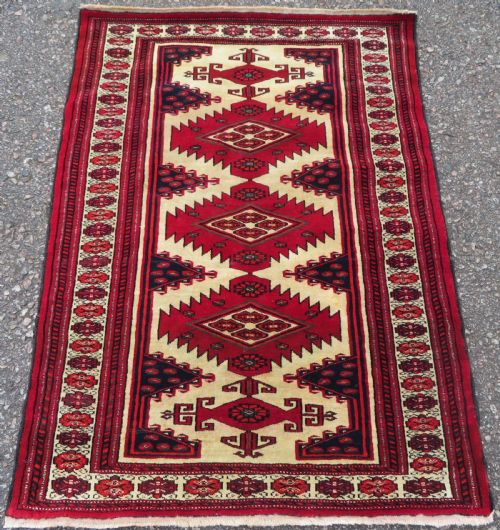
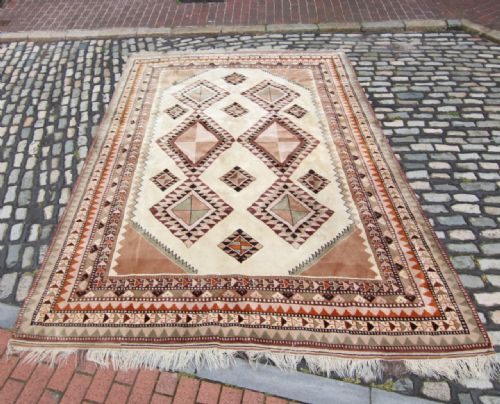
A cream area rug brings warmth and texture to a room through traditional hand-knotted and flat-woven textile traditions. When searching for a cream area rug, buyers encounter historic Persian and regional carpets featuring ivory, cream and soft pastel ground colours.
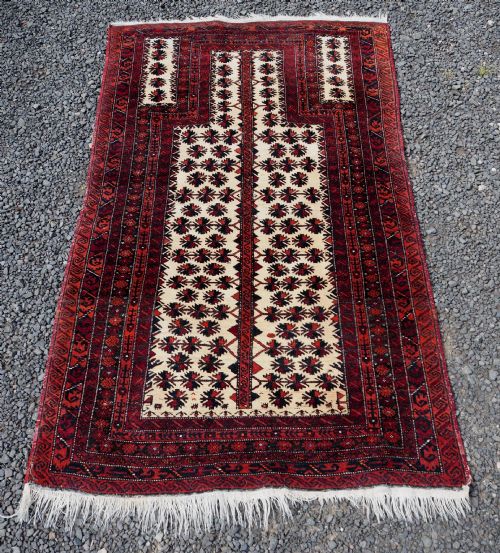
The selection ranges from room-sized carpets to smaller tribal prayer rugs, originating from workshops and nomadic groups alike. These pieces date from the nineteenth century through the early decades of the twentieth century, bringing historic character to modern floors.
How they were made
Weavers constructed these carpets predominantly using wool, cotton and silk fibres, spun and knotted by hand on vertical looms. Wool provided the durable pile for heavy traffic, while cotton often formed strong foundations and warps.
Dyers utilised natural materials to achieve the enduring soft tones seen on these cream area rug examples, creating subtle variations across the field. Skilled artisans knotted the pile or wove flat-weave kilims, incorporating complex floral, geometric and pictorial motifs.
Tree of life designs recorded in these listings depict branches filled with birds and blossoms, offering a quiet forest canopy for the floor.
What varies in quality
Knot density and structural integrity dictate the finesse of the weaving, separating standard utilitarian items from master workshop productions. Higher knot counts permit sharper definition in intricate floral and medallion designs.
The choice of materials and the stability of the foundation influence longevity under foot. Even wear across the pile and the retention of original borders reflect the initial skill invested in the creation of the rug.
Benlian·Ahmadi
The Cream Area Rug Glossary
- Pile
- The upright yarn loops or cut ends that form the soft surface of a rug. This forms the textured surface that walkers feel underfoot.
- Warp
- The vertical foundation threads stretched tightly on the loom before weaving begins. Weavers tie the knots directly onto these parallel strings.
- Weft
- The horizontal threads passed alternately over and under the warp threads to lock knots in place. This gives the woven textile structural stability.
- Kilim
- A flat-woven carpet or rug made without a pile. These pieces rely entirely on the interlacing of warp and weft threads.
- Prayer rug
- A small rug traditionally used by Muslims to kneel upon during daily prayers, often distinguished by a mihrab or arch design.
Cream Area Rug: Frequently Asked Questions
How do I clean an antique rug?
Professional dusting and gentle washing by specialists experienced in historic textiles preserves the natural fibres and dyes. Avoid harsh chemical treatments and heavy mechanical scrubbing.
Regular light vacuuming without a beater bar prevents dust accumulation in the pile. Prompt attention to spills by blotting rather than rubbing protects the wool and cotton.
Are these rugs suitable for daily use?
Historic woven carpets with sturdy wool piles withstand moderate foot traffic in domestic spaces. Placing an appropriate underlay beneath the rug prevents slipping and reduces friction against hard floors.
Rotating the rug periodically ensures even wear patterns across areas exposed to sunlight or heavier movement. Lighter silk or delicate pictorial pieces suit low-traffic display spaces better.
How do I identify regional styles?
Distinctive motifs, border arrangements and colour palettes point toward specific weaving centres such as Tabriz, Heriz or Kirman. Tribal pieces often display geometric symbols and looser compositions compared to structured city workshop carpets.
Structural details including knot types and foundation materials further clarify the geographic origin. Comparing field designs with documented regional characteristics helps confirm provenance.
Why choose an ivory or cream ground?
Light neutral backgrounds brighten interior spaces and allow complex central medallions and detailed floral borders to stand out clearly. Cream and ivory tones integrate smoothly with diverse interior design schemes.
Age imparts a gentle patina to these pale grounds, softening the contrast with darker secondary colours. This subtle weathering adds depth absent in modern reproductions.