




Smiths Watch
A smiths watch is a piece of domestic horology from England, sought after for its classic mid-century design and domestic movement.
Smiths Watch
A smiths watch encompasses a range of wristwatches, pocket watches, and table clocks produced primarily during the 1940s, 1950s, and 1960s. These timepieces represent an important era of British horology, emerging from periods defined by mid-century, Art Deco, and mid-century modern styling.
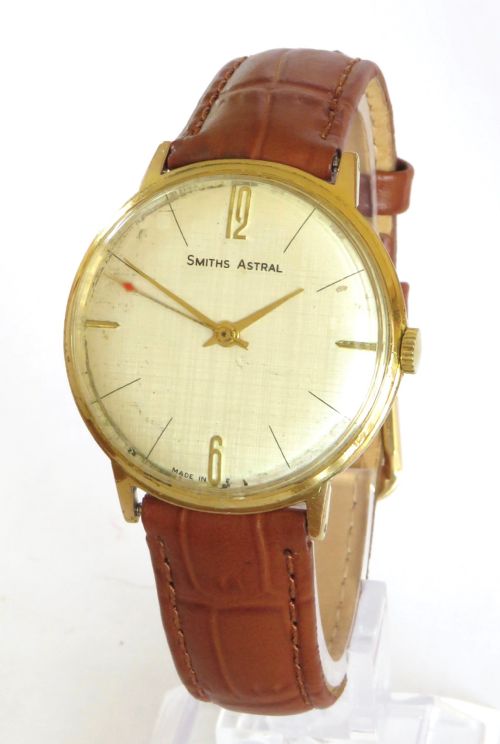
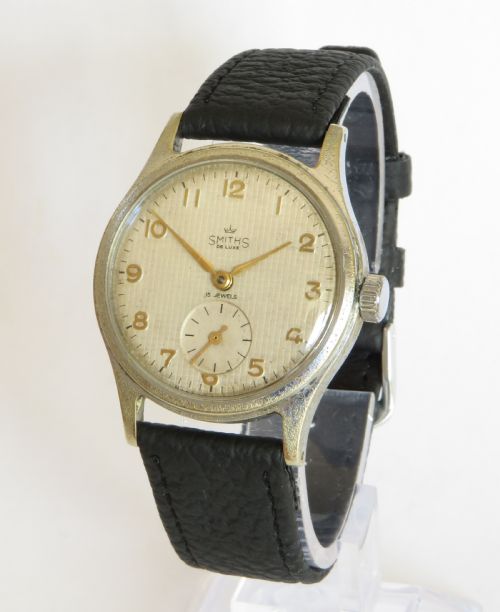
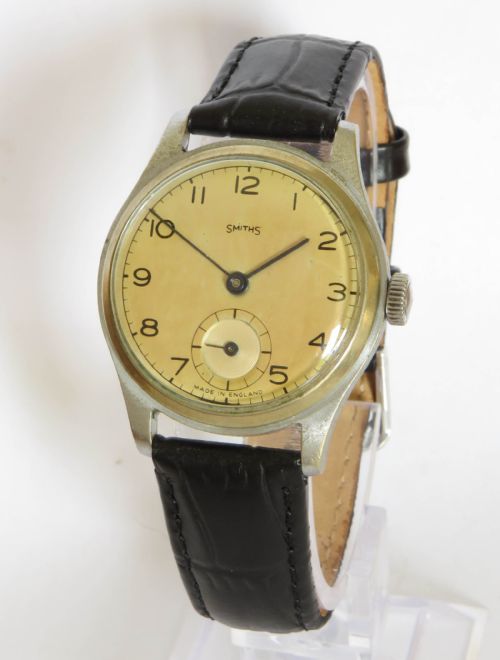
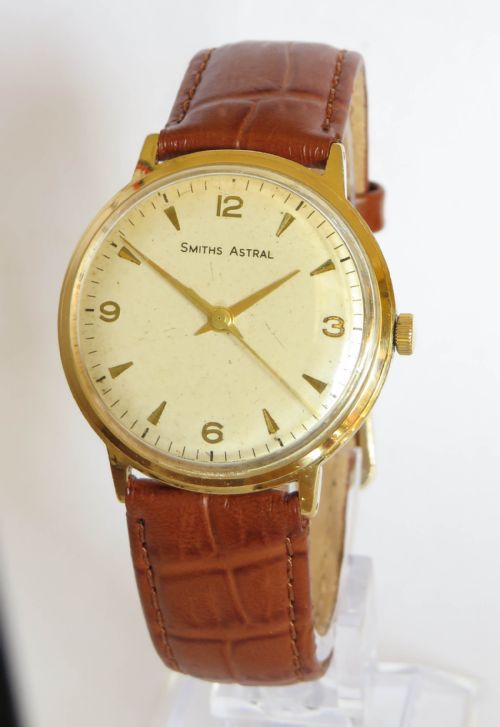
Buyers browsing this selection encounter wristwatches most frequently, often featuring mechanical movements and classic dial layouts. Many examples date from the 1950s and 1960s, bearing model designations such as De Luxe, Astral, Imperial, and Empire.
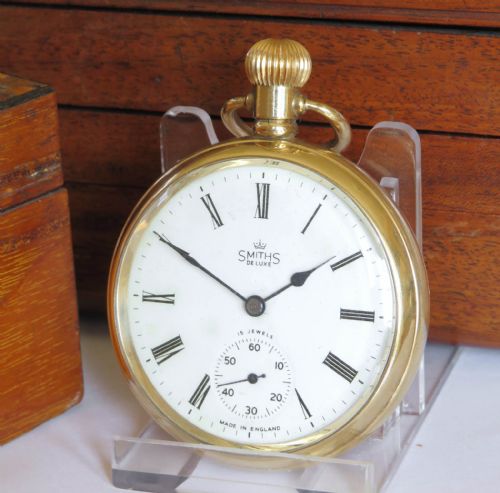
The objects include pocket watches accompanied by boxes, alongside table clocks built for domestic interiors. Origins trace directly to English manufacture, reflecting the industrial output of the period.
How they were made
The construction relies on metals suited to horological production, spanning stainless steel, brass, chrome, and gold plate, alongside solid 9ct or 9K gold cases. Components are housed beneath glass crystals, protecting dials marked with Arabic numerals and contrasting hands.
Movements incorporate functional jewels, such as fifteen or nineteen jewel configurations, to reduce friction within the gear trains. Straps are fashioned from leather, completing the assembly of these mechanical items.
Smiths Watch Retail Price Guide 2026
Typical asking prices for smiths watch among the pieces listed under this phrase on Sellingantiques today, from the lower quarter to the upper quarter. They describe what is for sale here now, not the wider market.
A thirty-hour table clock from the 1960s brings Art Deco flair to the wrist-dominated world of mid-century timekeeping.
What varies in quality
Quality differences lie in the materials chosen for the case and the complexity of the internal movement. Solid 9ct gold housings and higher jewel counts in lines like the Imperial or De Luxe distinguish standard production pieces from more refined examples.
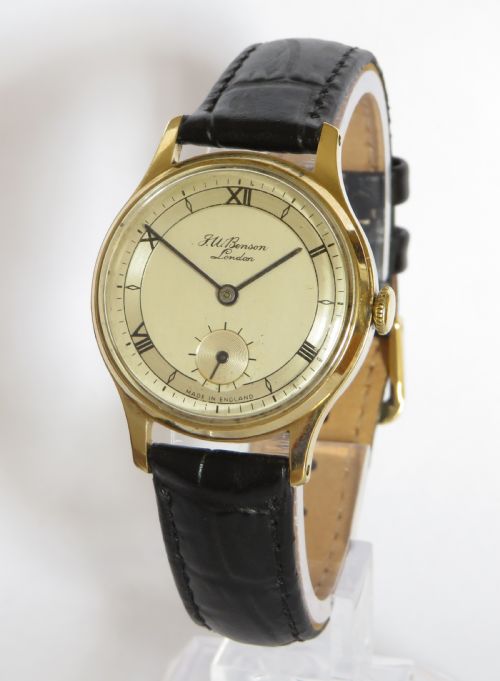
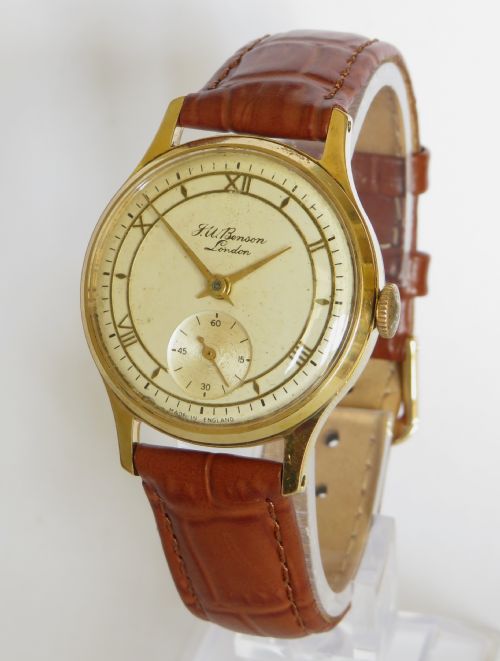
Stylistic variation also plays a role, with specific dial configurations - such as two-tone finishes - and retailer collaborations like J W Benson marking out distinct grades of manufacture.
Smiths·J W Benson
The Smiths Watch Glossary
- De Luxe
- A model designation used by Smiths for certain mechanical watches produced during the mid-century period. It typically denotes a higher grade of movement and finish than standard baseline models.
- Astral
- A sub-brand name utilised by Smiths for specific wristwatch lines. These pieces often feature traditional mechanical movements housed in steel or plated cases.
- Imperial
- A designation applied to select higher-end Smiths wristwatches. Such pieces frequently incorporate increased jewel counts and refined dial designs.
- Empire
- A line of watches produced to offer accessible British horology. These pieces provide mechanical timekeeping without the precious metal cases found on deluxe tiers.
- Jewels
- Synthetic rubies or other stones placed within a watch movement to act as bearings for the pivots. Higher jewel counts indicate a more finished mechanical caliber.
Smiths Watch: Frequently Asked Questions
What is a smiths watch?
A smiths watch is a timepiece manufactured in England during the mid-twentieth century by the Smiths group. They encompass wristwatches, pocket watches, and clocks.
These objects utilise mechanical movements and span various lines such as Astral, De Luxe, and Empire.
How do I date a smiths watch?
Dating relies on stylistic indicators, case materials, and specific model names associated with the 1940s, 1950s, and 1960s eras. Design cues shift from Art Deco influences to mid-century modern aesthetics.
Internal movements and case hallmarks on gold examples also provide chronological markers for these pieces.
Were these watches made in England?
Production took place domestically, with many pieces explicitly marked as made in England. This domestic industry formed a core part of British mid-century horology.
English factories produced both the components and the finished pocket and wristwatches.
What materials were used for cases?
Casings were manufactured from a variety of metals, including stainless steel, brass, chrome, and gold plate. Solid 9ct and 9K gold were also utilised for higher-end models.
Glass protects the dial face, while leather forms the traditional strap material for wristworn variants.