




Smiths Mechanical Watch
These smiths mechanical watch examples represent British horology at its mid-century height, offering reliable movement and classic styling that collectors seek.
Smiths Mechanical Watch
A smiths mechanical watch brings together British horological history spanning the 1940s, 1950s, and 1960s. These pieces include wristwatches, pocket watches, and table clocks designed for everyday wear or desktop use.
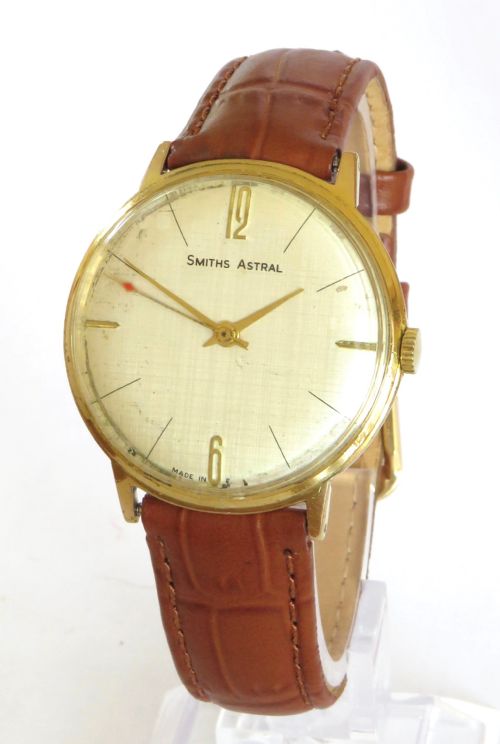
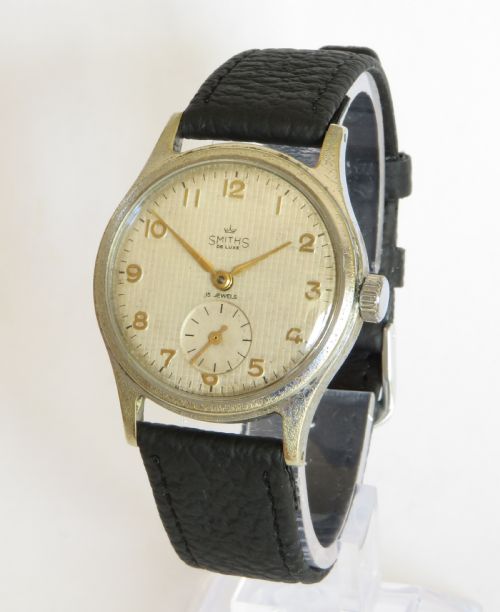
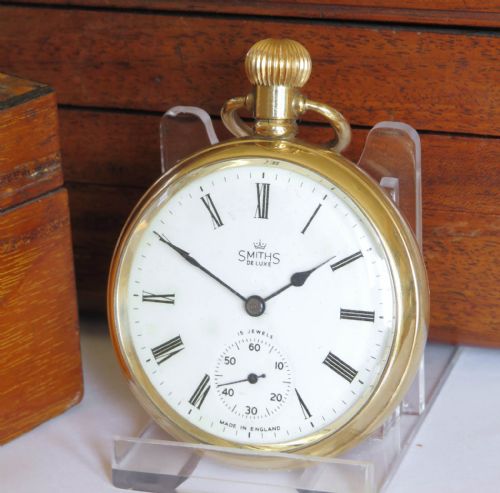
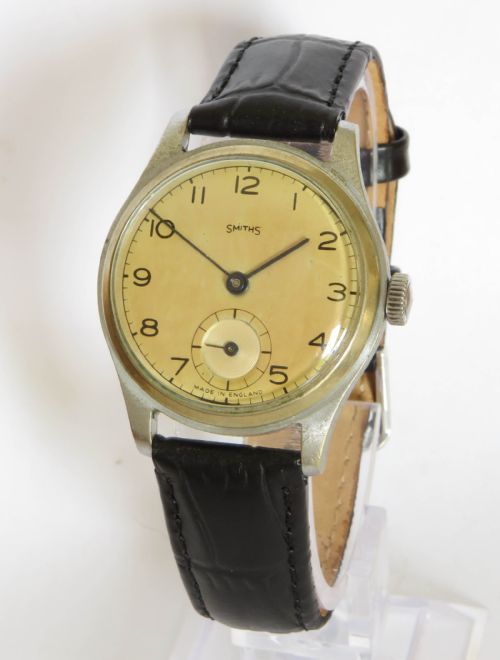
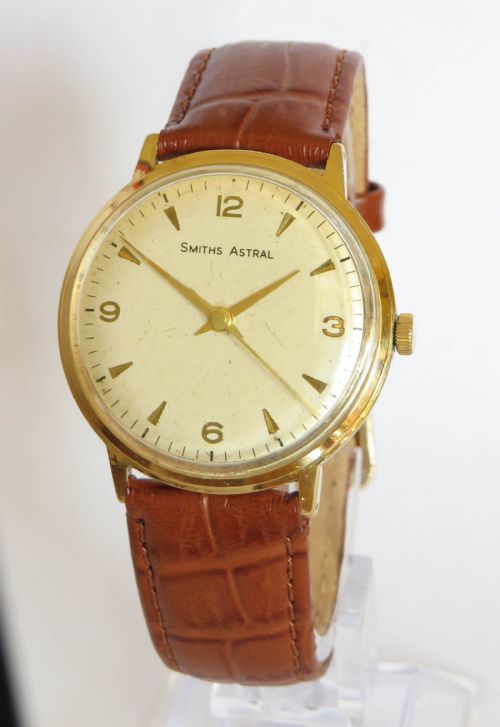
The most common examples encountered are gents wristwatches from the 1950s and 1960s, particularly those bearing the De Luxe, Astral, Empire, or Imperial names. Pocket watches from the 1940s also appear among these British-made items.
How They Were Made
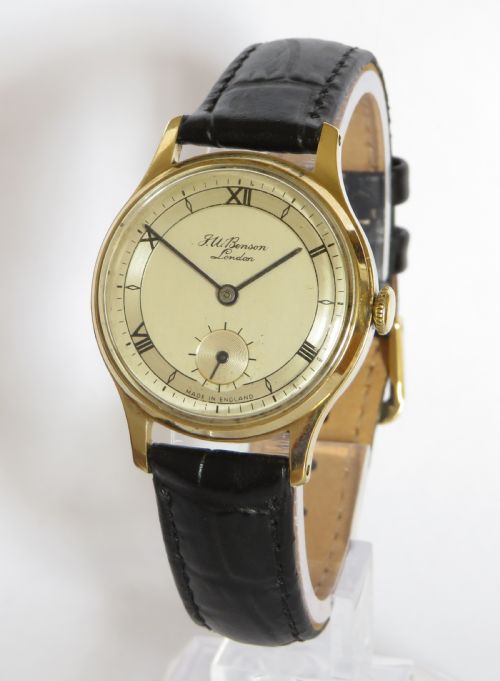
These watches utilise traditional mechanical movements housed in cases of stainless steel, chrome, brass, or gold plate, alongside higher-tier examples cast in nine-carat gold. Dials feature clear numerical markings, often paired with glass crystals to protect the face.
Smiths Mechanical Watch Retail Price Guide 2026
Typical asking prices for smiths mechanical watch among the pieces listed under this phrase on Sellingantiques today, from the lower quarter to the upper quarter. They describe what is for sale here now, not the wider market.
Object forms on this page encompass wristwatches, pocket watches, and table clocks created under mid-century British styles.
What Varies in Quality
Movements containing higher jewel counts, such as nineteen jewels found in Imperial lines, represent superior grade production compared to basic thirty-hour table clocks or standard utility watches.
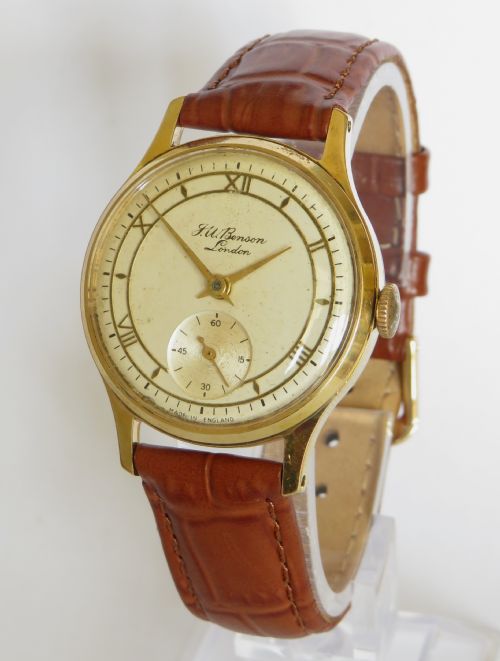
J W Benson
The Smiths Mechanical Watch Glossary
- Mechanical watch
- A timekeeper powered by a mainspring and regulated by a balance wheel rather than a battery. These pieces require manual winding.
- Jewels
- Synthetic rubies or sapphires placed at pivot points within the movement to reduce friction and wear. Higher counts generally indicate finer mechanical execution.
- Pocket watch
- A timepiece designed to be carried in a pocket rather than worn on the wrist. They often include fitted protective boxes.
- Table clock
- A portable clock designed to stand on a flat surface. These incorporate thirty-hour movements requiring periodic winding.
Smiths Mechanical Watch: Frequently Asked Questions
How do I wind a mechanical watch?
Turn the crown clockwise between your thumb and forefinger until you feel gentle resistance. Stop immediately to avoid over-winding and damaging the mainspring.
Perform this action at the same time each day to maintain steady tension and accurate timekeeping.
What periods do these watches cover?
The pieces span from the 1940s through to the 1960s. Mid-century design heavily influences the aesthetic of both wrist and pocket variants.
Stylistic shifts move from utilitarian wartime formats to refined post-war dress watches and modernist dials.
Are these watches waterproof?
Most mid-century British watches lack modern water-resistant seals and gaskets. Exposure to moisture can rust internal steel components and ruin dials.
Keep these timepieces away from water, rain, and high humidity to preserve the delicate mechanisms inside.
How do I identify different model lines?
Check the dial text for specific designations such as De Luxe, Astral, Empire, or Imperial. Each name denotes a particular grade and era of production.
Case markings and metal purities, such as nine-carat gold hallmarks, further clarify the specific tier of the watch.