




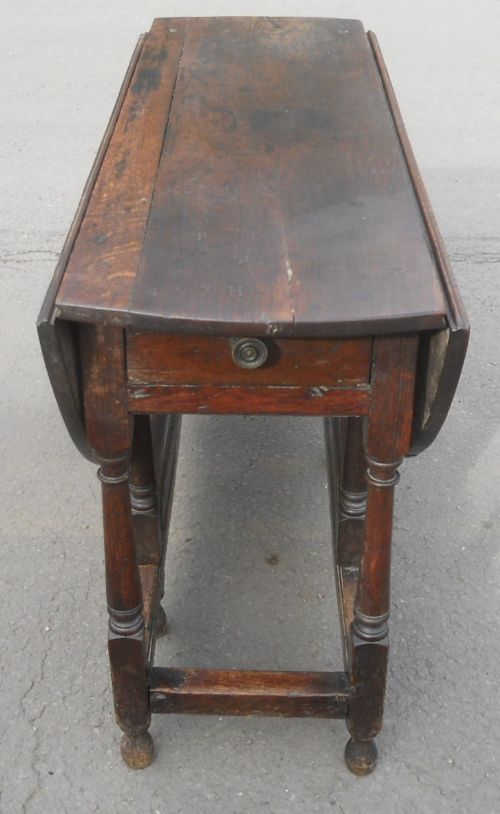

Small Wooden Gateleg
These small wooden gateleg tables fold away neatly when floor space is tight, offering clever surfaces in compact rooms without sacrificing period charm.
Small Wooden Gateleg
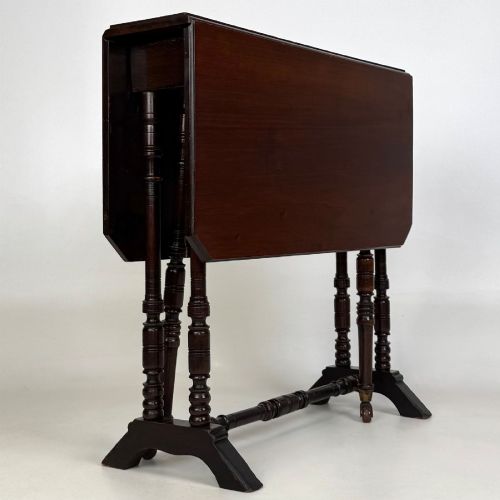
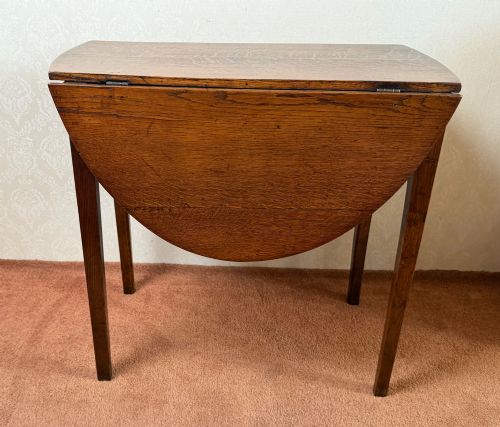
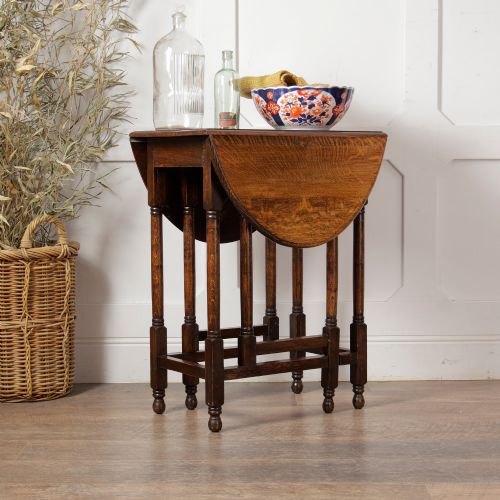
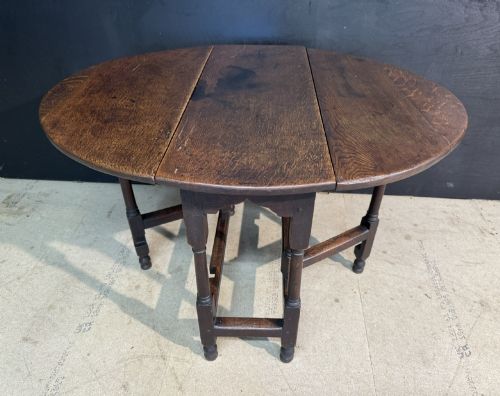
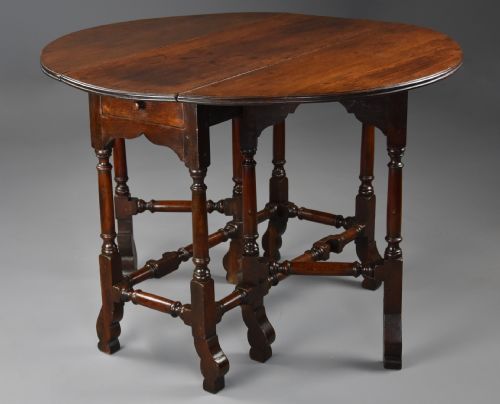
A small wooden gateleg table is a functional drop leaf design where hinged flaps are supported by swinging legs that pivot like a gate. When you search for this phrase, you find compact folding tables intended for occasional use, dining, or side placement in smaller rooms.
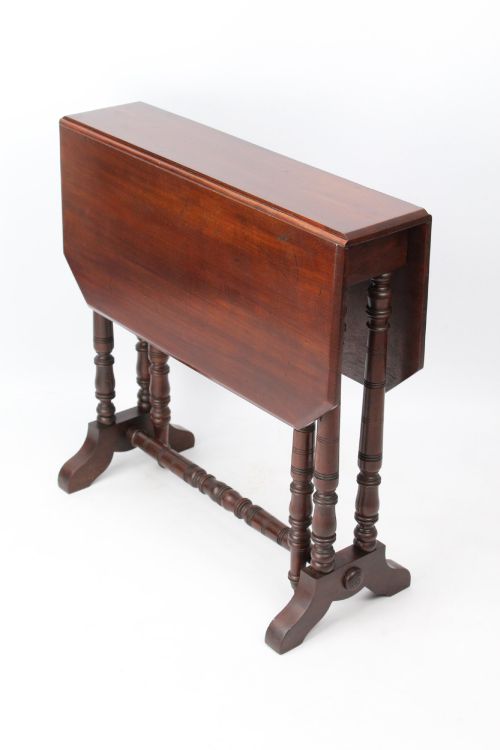
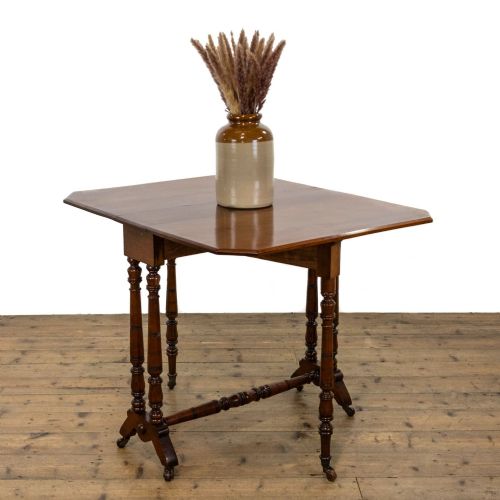
The versions you meet most often on this page date from the Edwardian and Victorian periods, alongside earlier 18th century and Georgian examples. They appear in forms such as occasional tables, Sutherland tables with narrow folding leaves, and robust oak dining tables.
Makers utilised various timbers to build these pieces, resulting in varied proportions from narrow spider leg occasional pieces to sturdier honey oak dining surfaces. Each piece displays the practical ingenuity of historic folding furniture designed for everyday domestic life.
Judging Quality
Quality rests primarily in the selection of timber and the richness of the natural patina. Tables fashioned from finely figured mahogany or dense old-growth oak display deeper visual character than simpler utility pieces.
The engineering of the gate action determines structural success. A well-constructed frame moves smoothly on its pivots without sagging when the leaves are raised, keeping the surface level and stable.
Refinement of detail distinguishes finer examples, from delicate spider legs and subtle satinwood inlay to robust turnings on 18th century frames. The balance between practical folding design and decorative presence defines the upper tier.
Small Wooden Gateleg Retail Price Guide 2026
Typical asking prices for small wooden gateleg among the pieces listed under this phrase on Sellingantiques today, from the lower quarter to the upper quarter. They describe what is for sale here now, not the wider market.
Some miniature wine tables are built so small they look ready to serve tea to a family of clever woodland mice.
The Small Wooden Gateleg Glossary
- Gateleg
- A table with hinged flaps supported by swing-out legs that resemble a gate. This clever mechanism allows the surface area to expand or contract according to room requirements.
- Sutherland table
- A narrow-leaf table where the drop leaves fold down almost vertically and the supporting gate legs are exceptionally slim. It is designed to take up minimal floor space when closed.
- Spider leg
- A style featuring very thin, delicate turned legs that provide support for lighter occasional tables. These slender uprights reduce the visual weight of the piece in small interiors.
- Drop leaf
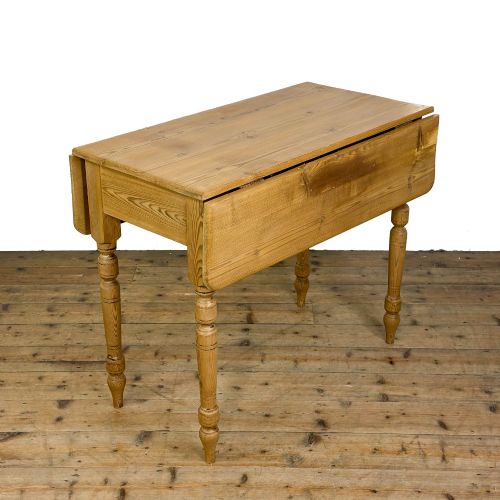
- A tabletop configuration with hinged sections that lower at the sides. This allows the furniture to transform from a compact console into a larger dining or serving surface.
Small Wooden Gateleg: Frequently Asked Questions
How do you operate a gateleg table?
Lift the hinged flap on the top until it sits level with the central surface. Swing the pivoted gate leg outwards from the base until it locks underneath to support the extended leaf.
To close the table, swing the leg back inward toward the centre frame and lower the leaf gently. This simple folding action allows the furniture to store flat against a wall.
Where should I place a small gateleg table?
These compact tables fit well in hallways, tight dining corners, or beside seating as side tables. With both leaves dropped, they occupy very little floor space while offering a handy surface for lamps or books.
When extra surface area is needed for dining or writing, simply raise one or both leaves. Their modest proportions make them versatile additions to smaller rooms.
How can I tell an Edwardian table from an 18th century one?
Eighteenth-century examples typically feature heavier oak or red walnut construction with deep, time-worn patinas and sturdy turned supports. Their joinery often shows hand-worked tool marks appropriate to the period.
Edwardian pieces frequently utilise lighter mahogany, sometimes decorated with satinwood inlay or slender spider legs. They reflect the refined, decorative tastes of the early 1900s rather than rustic utility.