

Small Wooden Drawer Box
A small wooden drawer box offers neat tabletop storage, ranging from miniature chests of drawers to apothecary cabinets and spice drawers.
Small Wooden Drawer Box
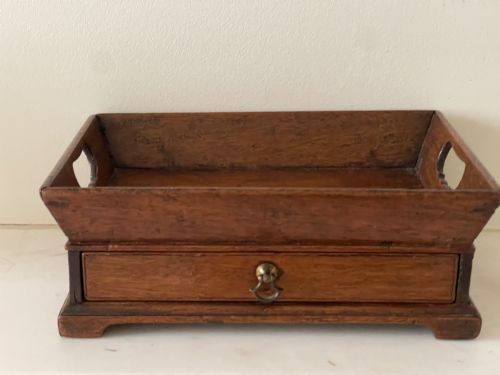
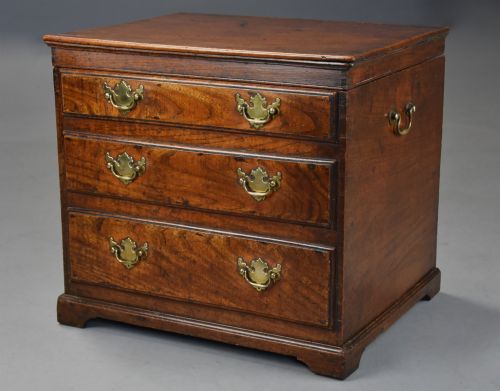
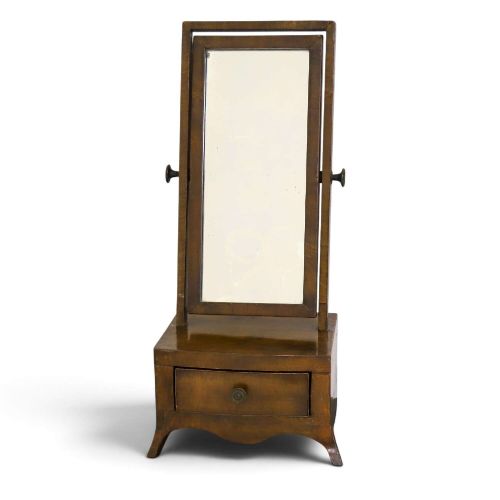
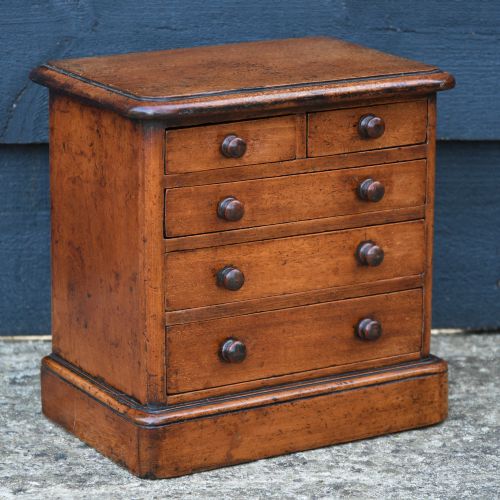
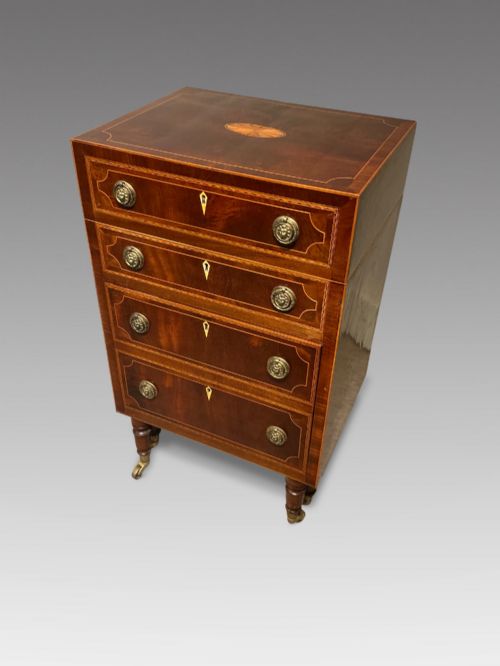
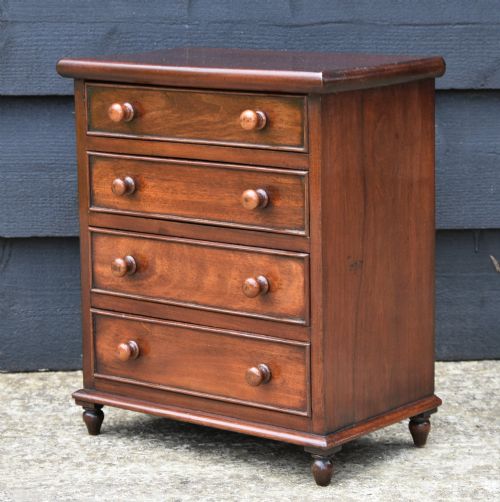
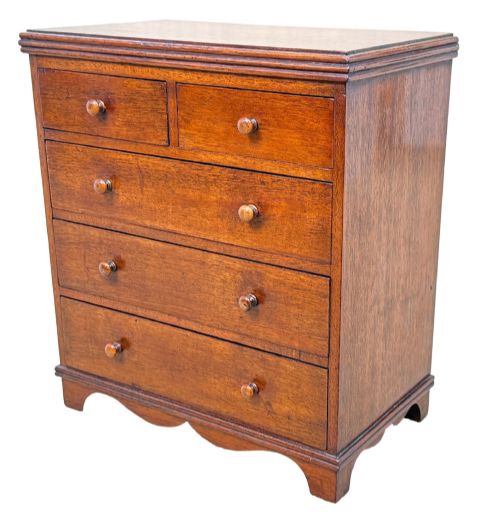
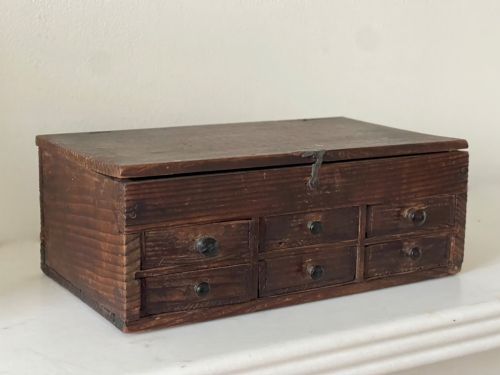
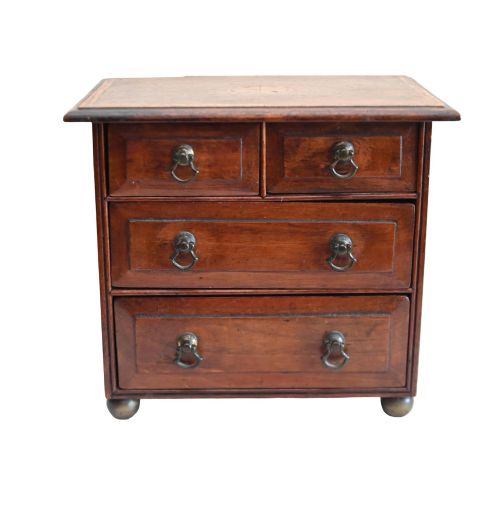
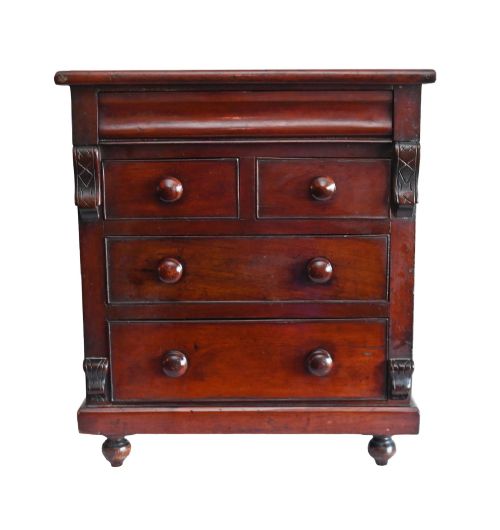
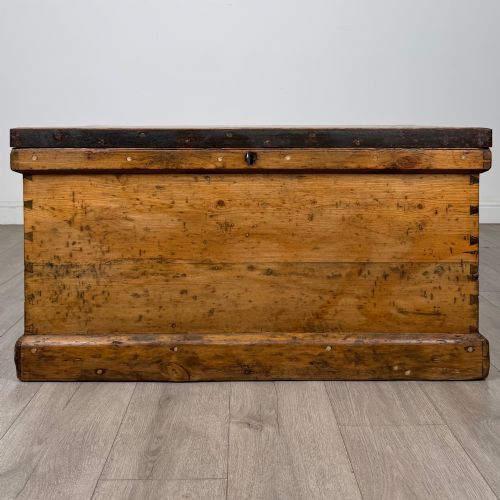
A small wooden drawer box encompasses miniature chests, apprentice pieces, collectors' cabinets, spice drawers, and coffer bachs originating from the eighteenth, nineteenth, and early twentieth centuries. These compact storage pieces span vernacular country workshops and formal urban cabinet makers, serving varied domestic and professional functions on tabletops and desks.
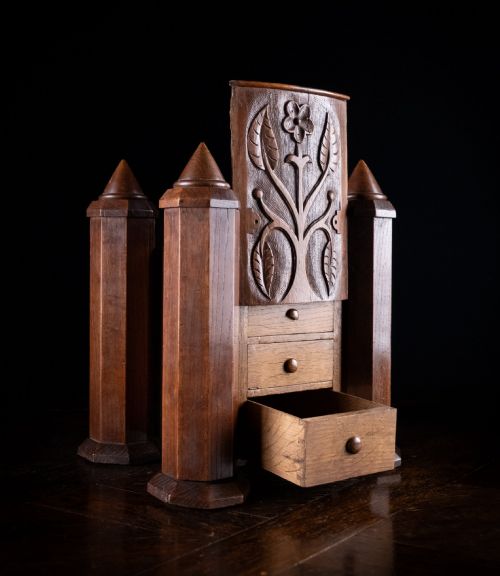
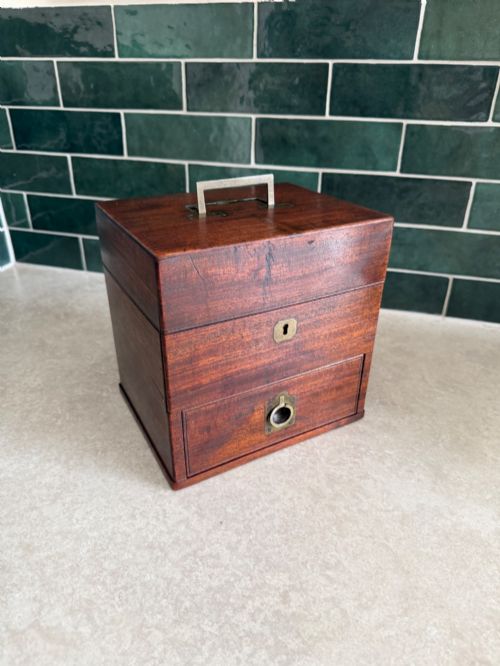
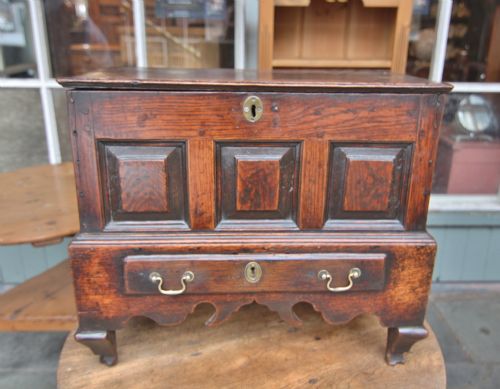
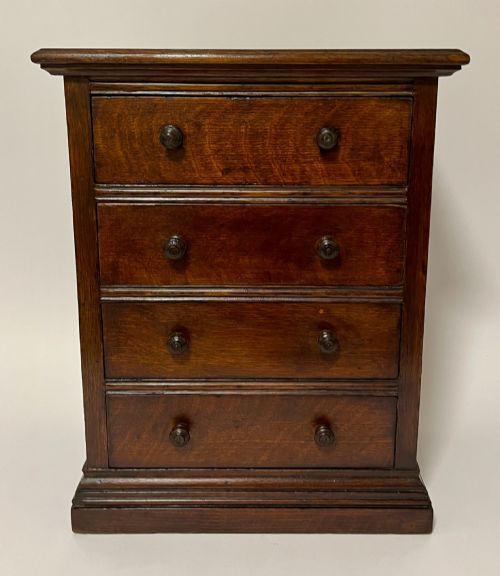
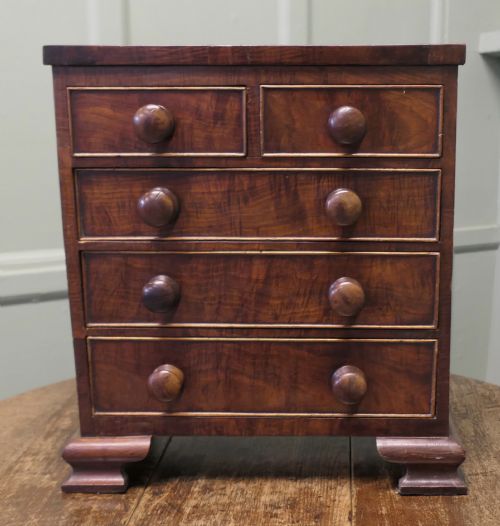
Miniature chests of drawers and apprentice pieces in mahogany, oak, and walnut dominate the forms seen here, alongside specialised storage such as watchmakers' boxes, medical carrying chests, and microscope slide cabinets. Regional expressions like Welsh oak coffer bachs and Anglo-Indian inlaid hardwood chests also appear regularly.
Makers utilised native and exotic timbers to construct practical vessels intended for spices, jewellery, documents, and specimens. The survival of these small pieces reflects their utility and appeal as portable, scaled-down versions of larger furniture.
Materials and Construction
Makers constructed these cabinets using structural timbers such as oak, mahogany, walnut, and pine, often applying finer veneers like satinwood, amboyna, or burr walnut to primary surfaces. Secondary woods like pine appear in drawer linings and internal divisions, reflecting traditional workshop practices of the period.
Joinery techniques include hand-cut dovetails for drawer construction and pegged mortise and tenon joints in earlier regional pieces such as coffer bachs. Brass handles, escutcheons, and locks provide functional hardware, sometimes accompanied by glass panels in display cabinets and specimen cases.
Small Wooden Drawer Box Retail Price Guide 2026
Typical asking prices for small wooden drawer box among the pieces listed under this phrase on Sellingantiques today, from the lower quarter to the upper quarter. They describe what is for sale here now, not the wider market.
Listings feature small wooden drawer boxes spanning the eighteenth, nineteenth, and early twentieth centuries in oak, mahogany, walnut, and pine.
Factors of Quality
Quality rests on the crispness of the cabinetmaking, the selection of timber grain, and the integrity of the original surfaces. Finer examples display precise dovetailing, well-fitted drawers that run smoothly, and intact period hardware such as brass drop handles and working locks with keys.
The degree of decorative carving or inlay work separates standard utility items from finer bespoke pieces. Patina developed through age and handling enhances the visual depth of mahogany, oak, and walnut surfaces on superior examples.
The Small Wooden Drawer Box Glossary
- Apprentice piece
- A small-scale furniture item made by a trainee craftsman to demonstrate mastery of joinery and woodworking techniques. They mirror full-sized chests in construction.
- Specimen case
- A specialised cabinet fitted with multiple shallow drawers designed for storing natural history items such as insects, minerals, or botanical samples. They frequently utilise glass or fitted wooden trays.
- Patina
- The surface sheen and mellowing of colour developed by wood over decades of handling, polish, and exposure to light. It serves as an indicator of age and genuine wear.
Small Wooden Drawer Box: Frequently Asked Questions
What were small wooden drawer boxes used for?
These small chests and cabinets served multiple domestic and professional purposes, including storing spices, jewellery, documents, medical equipment, and delicate natural history specimens. Their compact size allowed them to sit on tabletops, desks, or kitchen counters for easy access to frequently needed items.
Specialised variants like apothecary cabinets, microscope slide cases, and watchmakers' boxes held specific professional tools and materials. Many pieces also functioned as portable storage for personal valuables in domestic settings.
How do I date a small wooden drawer box?
Dating relies on examining the timber species, construction methods, hardware, and overall style of the piece. Eighteenth-century items frequently feature solid oak and hand-cut joinery, while nineteenth-century pieces often showcase mahogany, walnut, and more standardised drawer construction.
Secondary woods, types of screws or nails, and the presence of regional design traits such as Welsh vernacular carving help narrow down the period. Comparing the hardware style and interior linings to documented examples provides further chronological context.
Are apprentice pieces genuine antiques?
Miniature chests referred to as apprentice pieces date primarily from the eighteenth and nineteenth centuries, produced as test pieces by skilled woodworkers. They utilise traditional cabinetmaking techniques scaled down to a fraction of normal furniture size.
Distinguishing authentic period examples involves checking for consistent ageing of the timber, hand-cut joinery, and appropriate secondary woods. Their historical use and construction mirror those of full-sized furniture from the same eras.
How do I care for antique wood drawers?
Maintenance requires keeping wooden boxes away from direct sunlight, extreme temperature shifts, and moisture sources that can cause timber to warp or split. Gentle dusting with a dry, soft cloth preserves the surface without stripping the accumulated patina.
Applying microcrystalline wax occasionally helps protect polished mahogany, oak, and walnut surfaces. Checking that drawer runners remain clean and dry ensures the wood operates smoothly without mechanical binding.