




Small Wooden Desk Organiser
These small wooden desk organiser examples are compact tabletop pieces built to sort correspondence and keepsakes, offering tidy utility for any study.
Small Wooden Desk Organiser
A small wooden desk organiser brings order to papers and small objects on a tabletop surface, taking forms such as miniature chests of drawers, tabletop cabinets, and slope-front boxes. When you search for this phrase, you will most frequently encounter nineteenth-century mahogany pieces alongside occasional oak, rosewood, and pine examples.
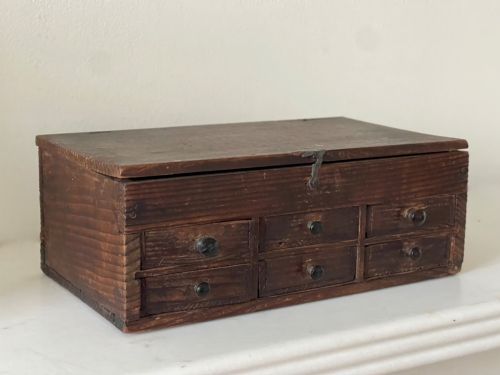
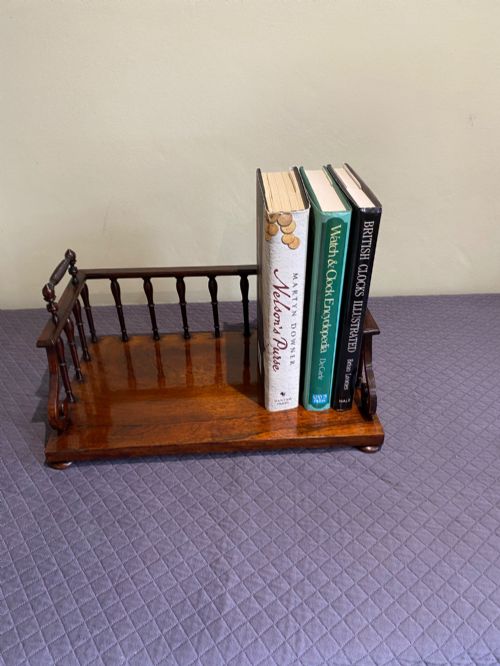
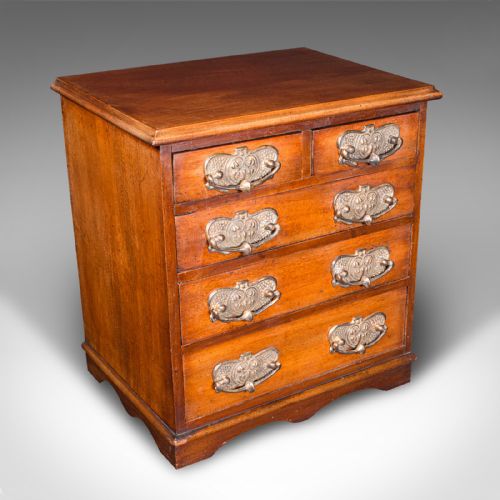
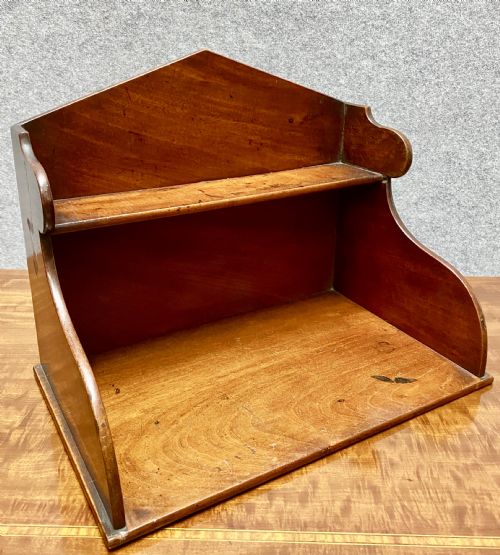
The selections span distinct periods including Georgian, Regency, Victorian, and Edwardian eras, reflecting the changing clerical needs of homes and offices. Workshops produced these items as miniature chests of drawers, specimen cases, watchmakers boxes, and desktop bookshelves to suit specialised storage tasks.
Some configurations function as compact banks of drawers or writing slopes equipped with stationery compartments and letter boxes. Each variation serves the fundamental purpose of keeping desktop clutter managed within a compact footprint.
Materials and construction
Cabinetmakers utilised dense hardwoods like mahogany and rosewood alongside durable domestic timbers such as oak and pine to construct these organizers. Grain selection guided the exterior appearance, while internal divisions utilised thinner secondary woods for drawer linings and dividers.
Metal components played a structural and decorative role, featuring brass drop handles, brass hardware, and iron elements to secure doors, drawers, and sloping lids. Carved details occasionally appeared on oak and mahogany surfaces, adding texture to the otherwise functional forms.
A tiny watchmakers box waits quietly to hold your modern paperclips.
Factors that separate quality
Quality rests in the precision of the joinery and the selection of timber figures for the primary surfaces. Superior examples display thoughtful proportions, well-fitted drawers that slide smoothly, and robust brass fittings that complement the wood grain.
The integrity of the internal layout - whether designated for letters, watch parts, or specimens - indicates the original purpose and the care taken in construction. Finer pieces maintain original hardware and uncompromised structural joins across periods from the eighteenth century onward.
The Small Wooden Desk Organiser Glossary
- Miniature chest of drawers
- A scaled-down set of drawers built to sit upon a desk or table for storing small items. These pieces mirror the construction methods of full-sized furniture.
- Tabletop cabinet
- An enclosed piece designed to rest on a flat surface, often featuring panelled doors or multiple small drawers. They secure contents away from dust.
- Writing slope
- A desktop box with an angled lid that opens to reveal a writing surface and internal compartments for stationery and ink. They often double as letter storage.
- Specimen case
- A specialised cabinet or box fitted with shallow drawers intended for holding natural history collections or small artefacts. Their interiors are clean and tailored to delicate objects.
Small Wooden Desk Organiser: Frequently Asked Questions
What periods do these organisers come from?
The pieces span several eras, starting from the eighteenth century through the Georgian and Regency periods into the Victorian and Edwardian decades. Each period introduced distinct proportions and handle styles.
Later pieces from the early twentieth century continue the tradition of compact desktop storage using traditional timber construction.
How were these tabletop cabinets used originally?
Users placed them on desks and tables to hold letters, stationery, and small personal valuables. Specialised versions accommodated watchmaker tools, book collections, or natural history specimens.
They provided secure, organised storage within easy reach in studies and offices before modern filing systems emerged.
What woods should I expect to find?
Mahogany appears frequently across Victorian and nineteenth-century examples, often paired with brass handles. Oak and rosewood also feature prominently in various tabletop cabinets and book racks.
Pine and iron appear in more utilitarian pieces, while eighteenth-century items rely heavily on figured oak and mahogany.
Can these fit modern desk spaces?
Their compact dimensions make them suitable for contemporary desks and tabletops, providing practical storage for modern stationery and small items. Miniature drawers and letter compartments keep clutter contained.
They blend historic craftsmanship with everyday functionality in modern working environments.