



Small Wooden Collector Chest
A small wooden collector chest brings miniature furniture and specialised storage into domestic spaces with remarkable utility and charm.
Small Wooden Collector Chest
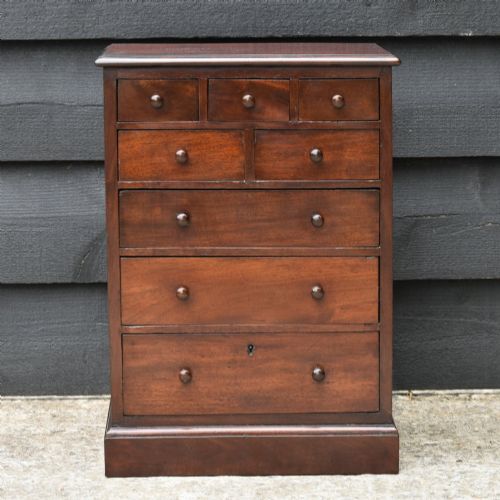
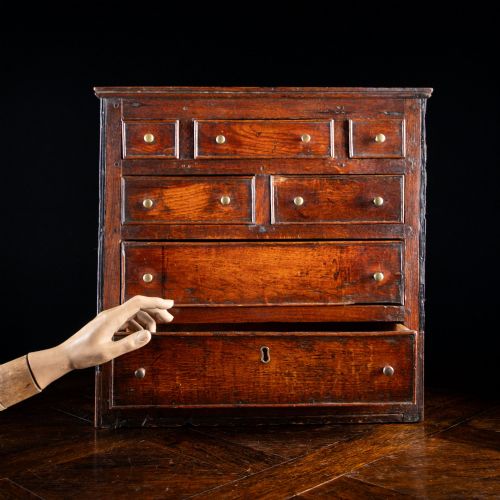
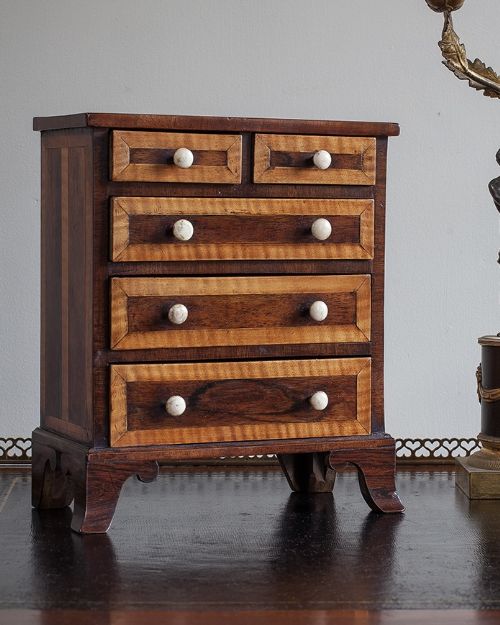
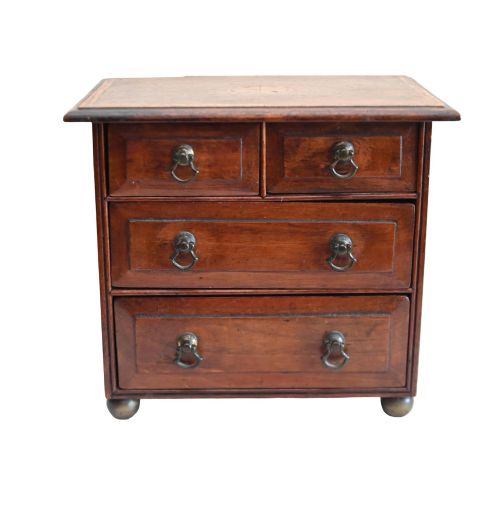
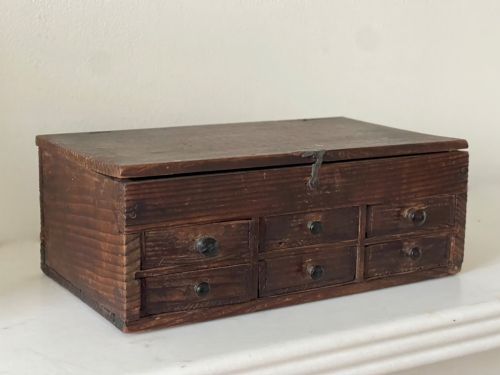
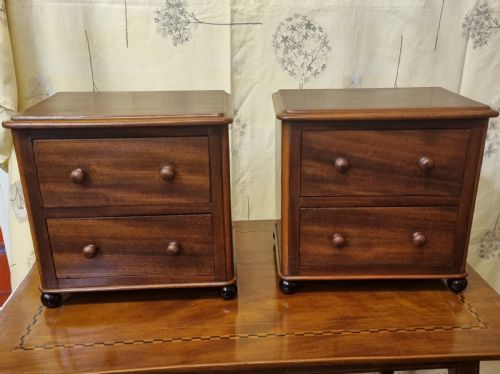
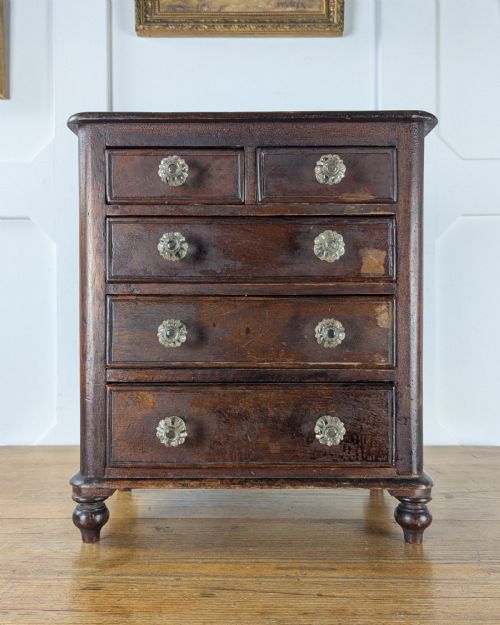
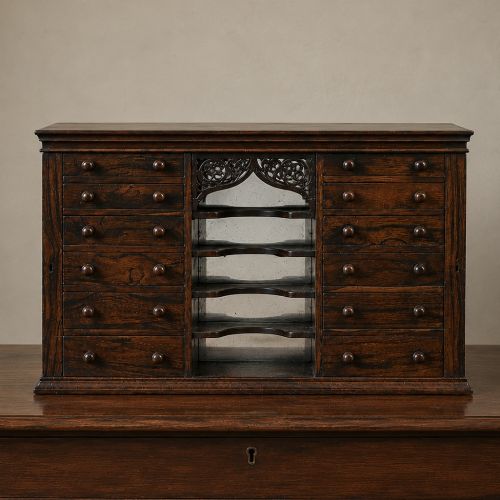
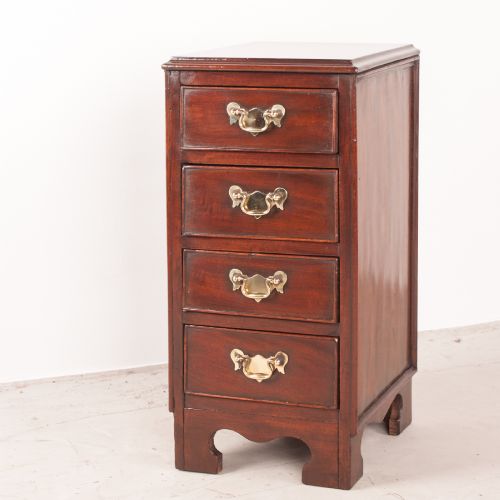
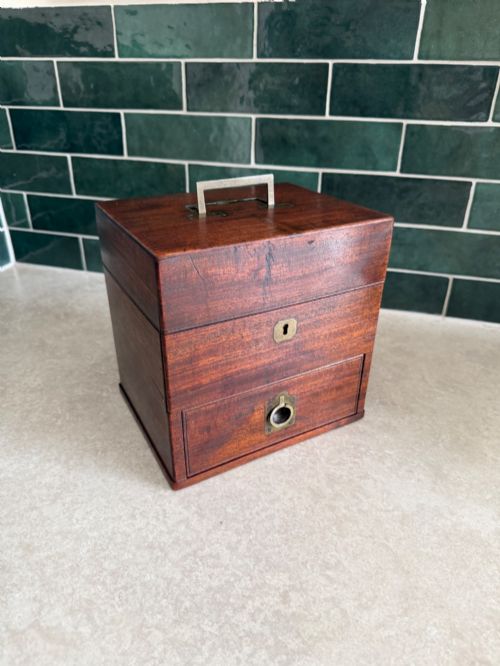
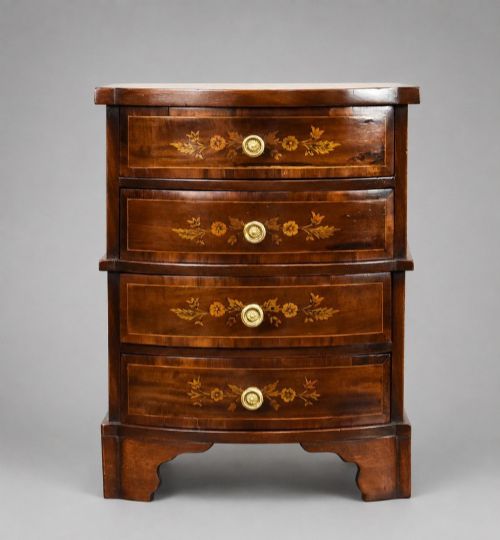
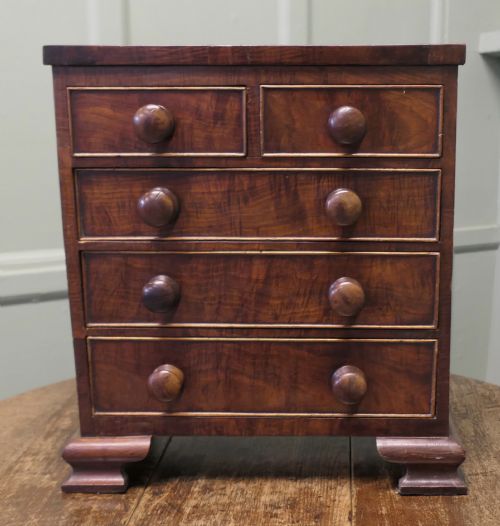
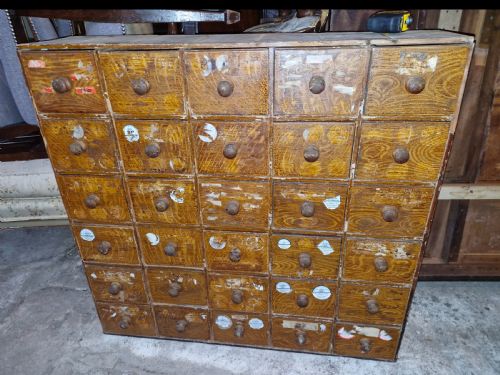
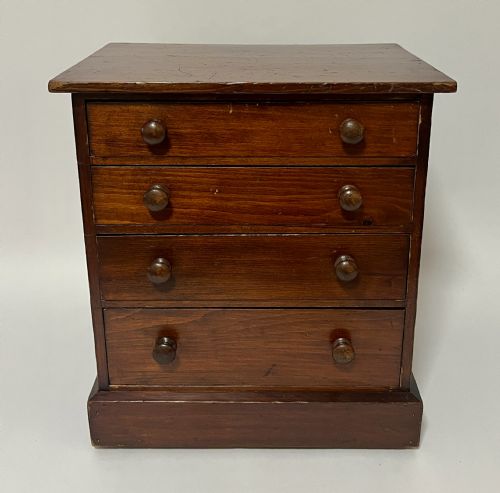
A small wooden collector chest serves as a compact housing for specimens, apothecary supplies, or miniature furniture forms. When exploring a small wooden collector chest, buyers frequently encounter Victorian apprentice pieces, Georgian miniature chests, and multi-drawer filing cabinets.
The material palette spans mahogany, oak, walnut, pine, fruitwood, and elm, often constructed in tabletop or cabinet formats. These pieces originate from various periods including the Georgian, Regency, Victorian, and Edwardian eras.
Forms range from simple pine specimen cases to sophisticated rosewood Wellington chests and inlaid campaign style cabinets. Each piece reflects the specific storage needs of past collectors, doctors, and craftsmen.
How they were made
Makers utilised solid timbers such as mahogany, oak, walnut, and pine, frequently pairing them with contrasting veneers like marquetry or burr walnut. Brass handles, escutcheons, and locks provide both structural reinforcement and functional hardware.
Construction techniques include turned feet, secret drawers, mirrored doors, and tightly fitted multi-drawer banks designed for pharmaceutical or specimen sorting. Inlays of brass or lighter woods add refined decorative detail to exterior surfaces.
Small Wooden Collector Chest Retail Price Guide 2026
Typical asking prices for small wooden collector chest among the pieces listed under this phrase on Sellingantiques today, from the lower quarter to the upper quarter. They describe what is for sale here now, not the wider market.
Listings feature woods spanning mahogany, oak, walnut, pine, fruitwood, elm, and rosewood across the Victorian, Georgian, and Edwardian eras.
What varies in quality
The distinction between tiers rests upon timber selection, hardware integrity, and the precision of drawer joinery. Finer examples display figured veneers, intact original brass handles, and sophisticated locking mechanisms rather than basic stained pine construction.
Proportion and decorative restraint dictate the standing of a piece, where restrained brass inlay or subtle marquetry elevates a functional storage box into a refined cabinet.
The Small Wooden Collector Chest Glossary
- Apprentice piece
- A small item of furniture created by a craftsman to demonstrate skill before gaining master status. These often mirror full-scale chests of drawers in miniature.
- Wellington chest
- A tall, narrow chest of drawers secured by a hinged locking side pilaster bar. This design offers added security for valuable contents.
- Apothecary chest
- A multi-drawer cabinet originally utilised by chemists for storing medical ingredients and preparations. They frequently feature numerous small drawers for herbs and powders.
- Marquetry
- The art of applying decorative pieces of veneer to a structure to form intricate patterns. This technique enhances the visual depth of drawer fronts and tabletops.
- Specimen cabinet
- A specialised storage unit containing shallow drawers designed for holding natural history samples. Collectors used these for insects, fossils, or botanical specimens.
Small Wooden Collector Chest: Frequently Asked Questions
What were small wooden collector chests used for?
These cabinets served diverse practical purposes for professionals and hobbyists, including the sorting of medicinal remedies, geological specimens, and small tools.
Craftsmen also produced miniature versions as scale models or formal demonstrations of woodworking skill.
How do I identify a Victorian piece?
Victorian examples often employ dense timbers like mahogany and walnut, frequently featuring turned feet, brass pulls, or locking mechanisms.
Construction details such as dovetailed drawer joints and rich patination help distinguish pieces from this period.
Are apprentice pieces different from regular miniature chests?
Apprentice pieces represent specific tests of joinery submitted by trainees to demonstrate mastery of their trade.
While visually similar to standard miniature chests, they often exhibit exceptional attention to detail in structural joints and drawer fit.
How do I integrate a collector chest into a room?
These compact chests sit comfortably on tabletops, desks, or sideboards, providing practical storage for modern accessories and stationery.
Their varied drawer configurations make them suitable for organising small household items while adding historical character to a space.