





Small Wooden Chair
A small wooden chair is a scaled-down seat or diminutive seating form offering both compact utility and notable period character.
Small Wooden Chair
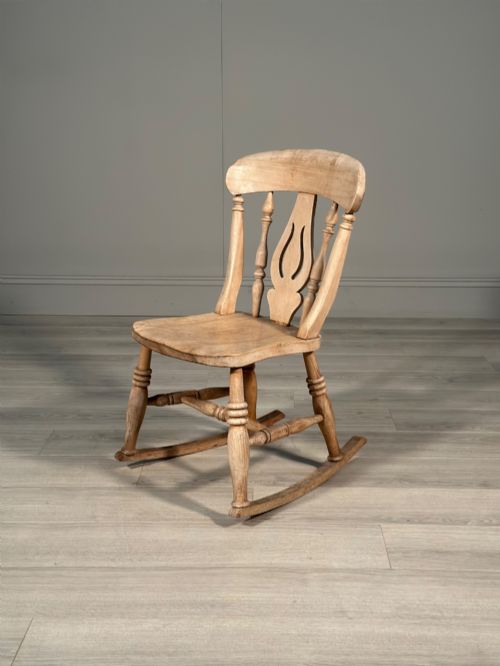
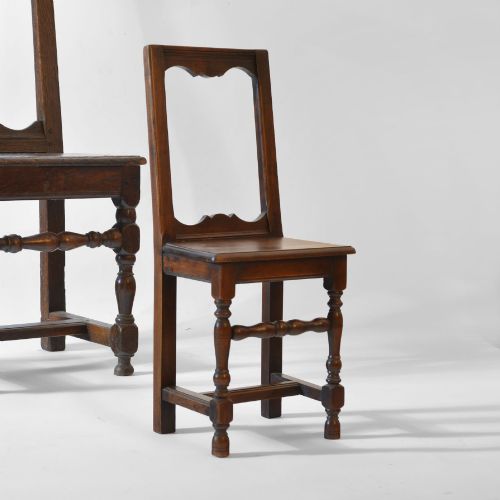
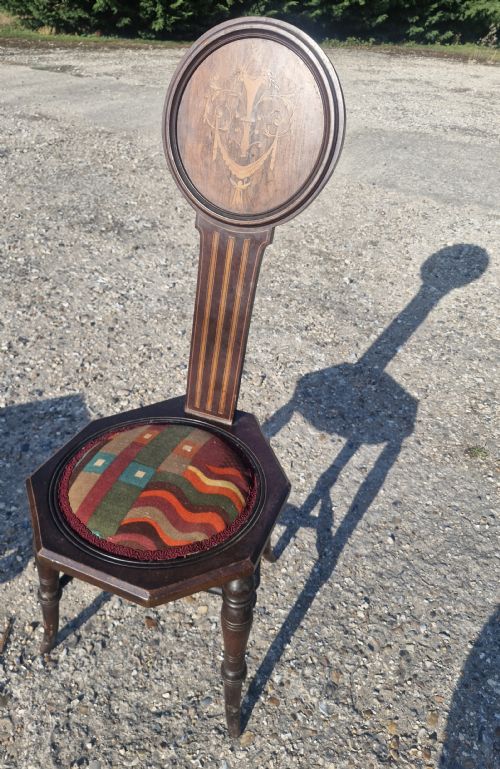
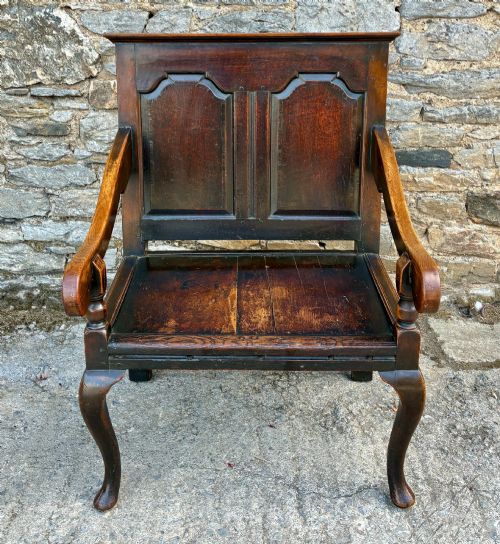
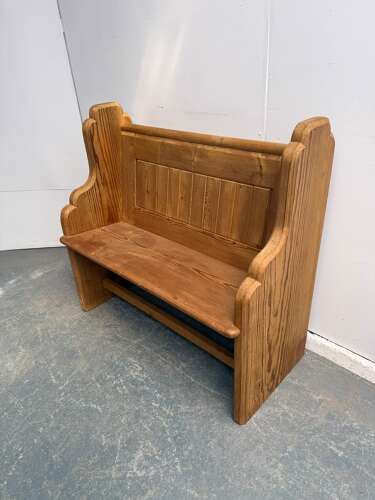
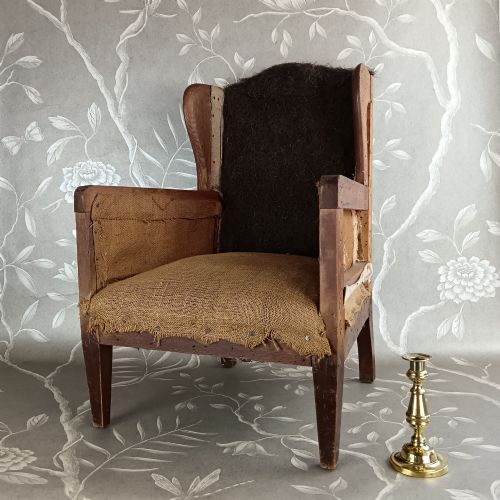
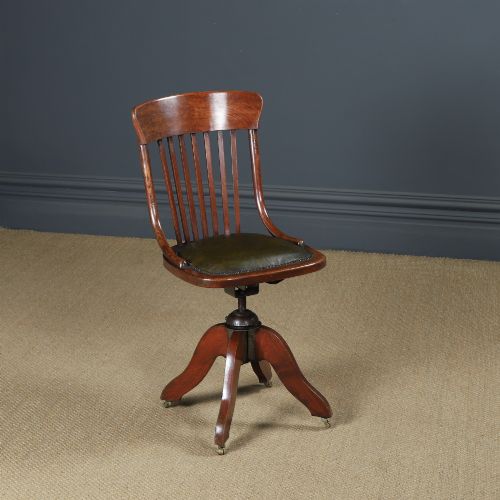
When you search for a small wooden chair, you encounter a diverse selection of compact seating ranging from Georgian settles and Regency armchairs to Victorian children's chairs and Edwardian spinning chairs. These pieces include armchairs, side chairs, hall seats, and desk chairs designed for smaller spaces or smaller occupants.
The inventory on this page spans several centuries, featuring pieces from the seventeenth century through to the George V era, alongside specific stylistic revivals such as Jacobean and Queen Anne. English Country and Rustic Folk Art styles appear frequently alongside formal Georgian and Regency designs.
You are particularly likely to meet diminutive Windsor chairs, children's wingback armchairs, and compact oak seating forms among these listings. The collection encompasses both domestic seating and specialised items like church pews and folding chairs.
Materials and Construction Methods
The pieces listed rely primarily on hardwoods and softwoods such as oak, mahogany, beech, pine, elm, and walnut, often combined with secondary materials like fabric, brass, and leather. Cabinetmakers and country joiners utilised these timbers for their structural strength and distinctive grain patterns.
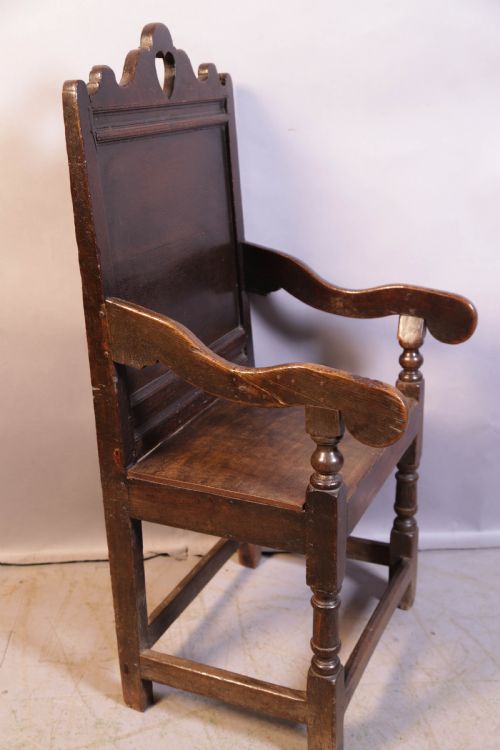
Construction techniques vary by form, encompassing traditional pegged joinery on oak wainscot chairs, steam-bent components on bentwood rocking chairs, and traditional turning on spindle and stick back chairs. Surface treatments range from waxed finishes to ebonised surfaces.
Small Wooden Chair Retail Price Guide 2026
Typical asking prices for small wooden chair among the pieces listed under this phrase on Sellingantiques today, from the lower quarter to the upper quarter. They describe what is for sale here now, not the wider market.
Several items double their utility by incorporating lift-up seats, fold-over tops, rocking mechanisms, or revolving functions into their compact frames.
Evaluating Quality and Proportion
The distinction between standard examples and finer pieces rests upon the integrity of the timber selection and the crispness of any carved ornamentation. Items featuring well-figured oak, mahogany, or walnut display a visual depth absent in simpler utility pieces.
Proportion and scale dictate the success of a small wooden chair, where genuine miniature or diminutive forms maintain the balanced architectural relationship of their full-sized counterparts rather than appearing merely cramped.
The retention of original surface patination, hardware, and structural elements heavily influences the standing of an individual piece. Alterations to height or the replacement of key structural components alter the original character.
The Small Wooden Chair Glossary
- Wainscot chair
- A heavy wooden armchair, typically constructed from oak, featuring a panelled back and solid seat. This form dates back to the seventeenth century and earlier.
- Crinoline stretcher
- A curved hoop stretcher connecting the legs of a Windsor chair to provide structural rigidity. It resembles the shape of a crinoline petticoat.
- Spinning chair
- A low-backed, often carved chair designed for comfort while spinning wool or other fibres. These pieces frequently feature decorative relief carving.
- Settle
- A wooden bench with a high back, solid arms, and often a storage compartment beneath the lift-up seat. They were placed near hearths to block drafts.
- Stick back
- A chair construction method where turned spindles or round sticks are inserted directly into a solid seat. This technique is common in country vernacular seating.
Small Wooden Chair: Frequently Asked Questions
What defines a small wooden chair?
A small wooden chair is any compact seating form, whether designed for children, small spaces, or specific domestic tasks like spinning or hall use.
These pieces encompass various historical periods and regional vernacular styles, sharing only their reduced physical scale and wooden construction.
How do I date an antique wooden chair?
Dating relies on examining the timber species, tool marks, joinery techniques, and stylistic markers characteristic of specific eras like the Georgian or Victorian periods.
Secondary woods, nail types, and the presence of wear patterns further help establish the approximate age of the piece.
Where should I place a small chair?
These compact chairs suit hallways, bedrooms, and reading nooks where full-sized furniture would overwhelm the floor space.
Their varied forms allow them to function as decorative accent pieces or practical seating solutions in tight corners.
Were children's chairs made for daily use?
Historical children's chairs and armchairs were constructed as functional miniature furniture for domestic life rather than mere decorative items.
Many exhibit the same robust joinery and material quality found in adult furniture of the same period.