
Small Victorian Walnut Table
A small victorian walnut table brings nineteenth-century warmth and compact utility into a room through rich timber and varied occasional forms.
Small Victorian Walnut Table
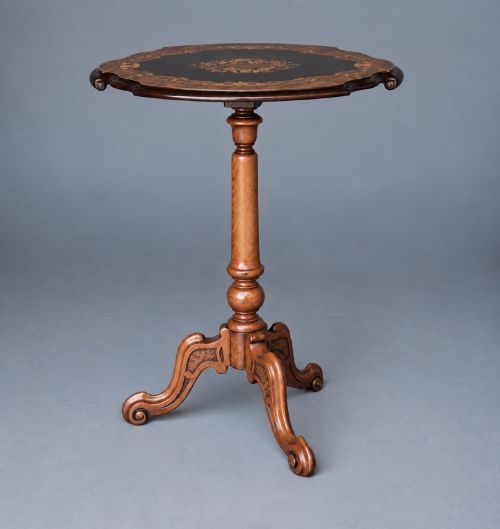
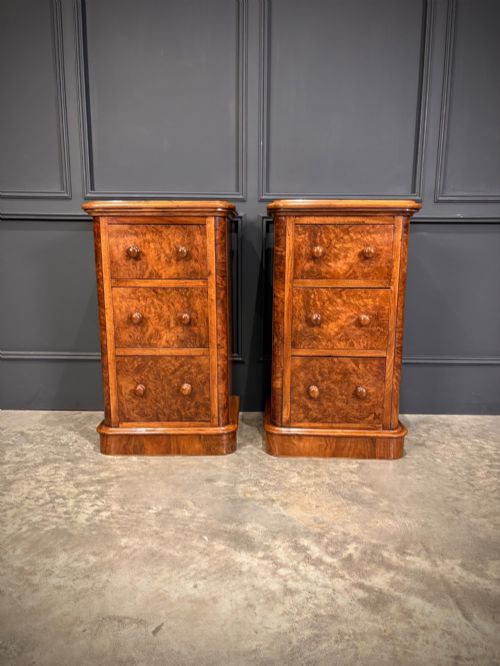
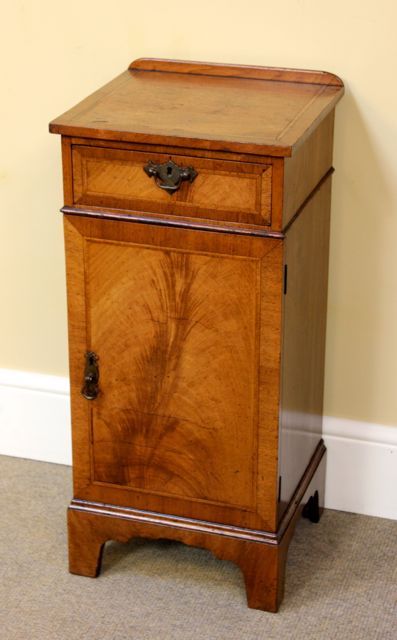
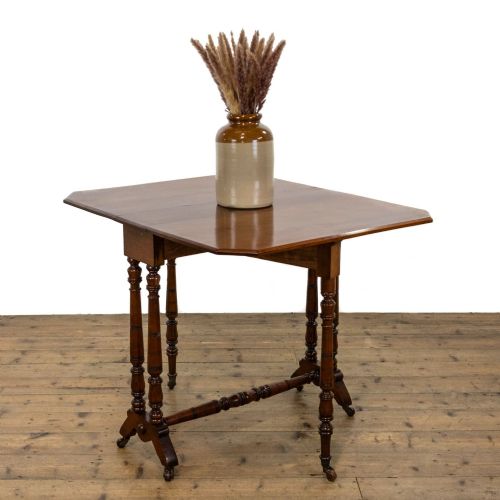
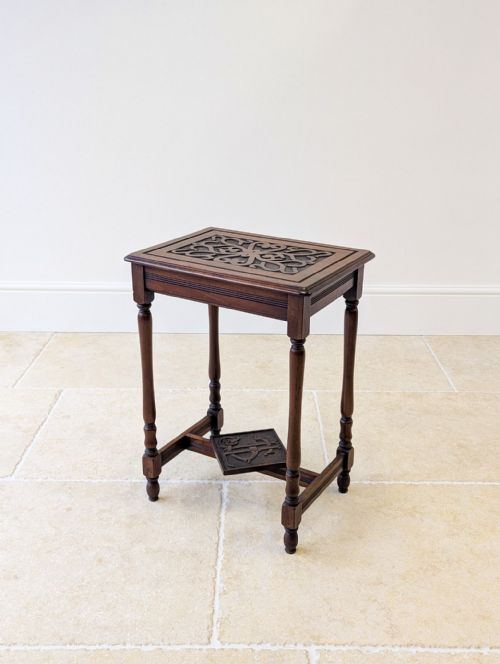
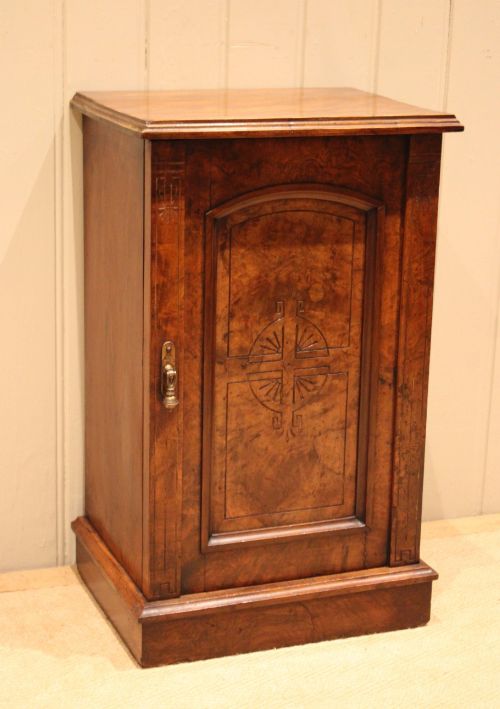
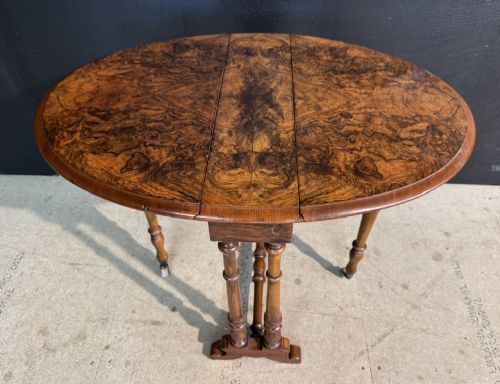
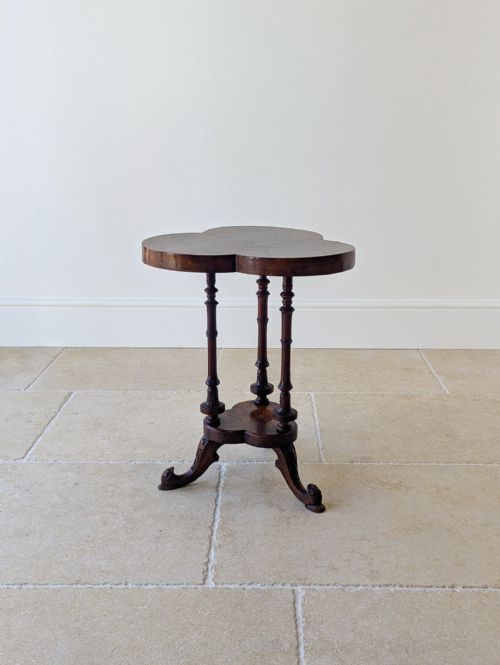
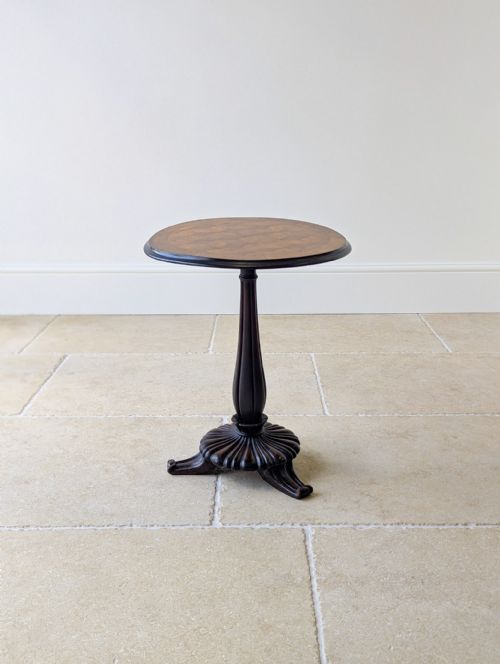
A small victorian walnut table most commonly appears as an occasional piece, lamp table, bedside cabinet, or drop-leaf Sutherland table designed for compact nineteenth-century spaces.
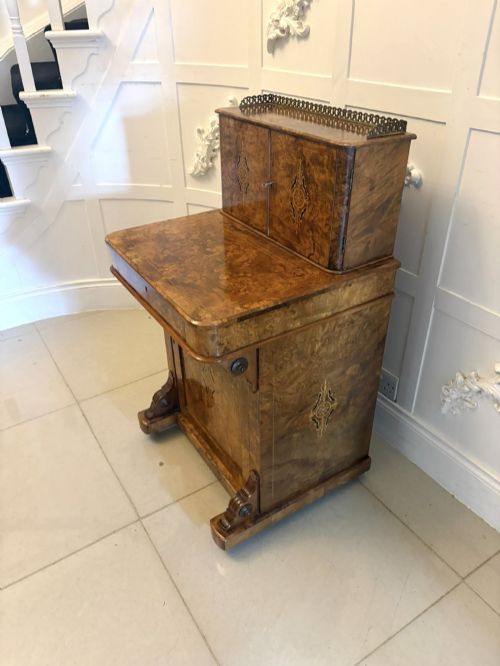
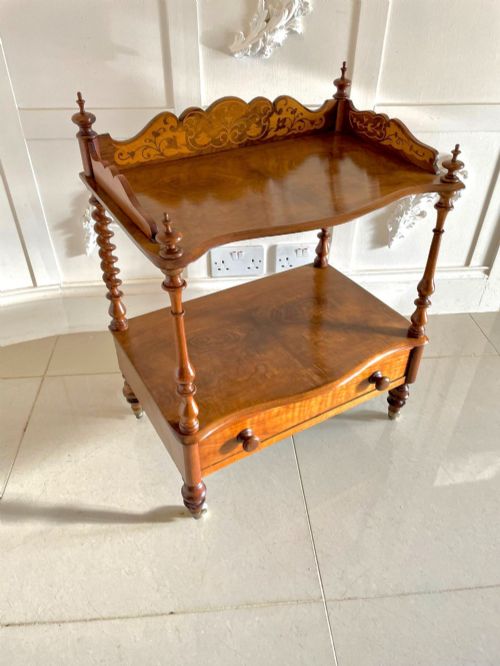
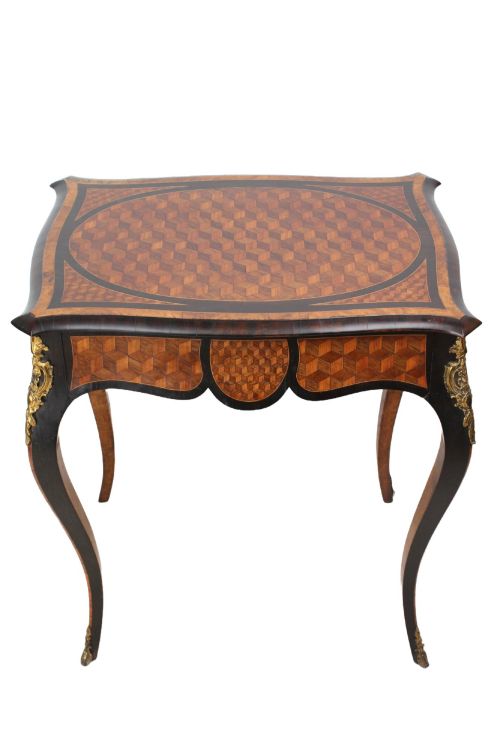
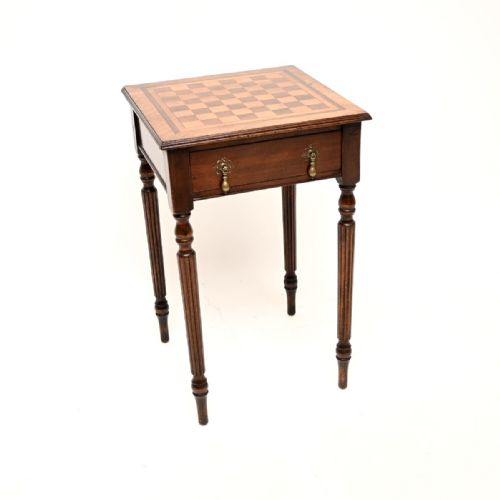
Makers utilised these versatile timbers across diverse formats, ranging from chess tables and Davenport desks to tiered étagères and wine tables spanning the Victorian era and Louis XV or XVI revivals.
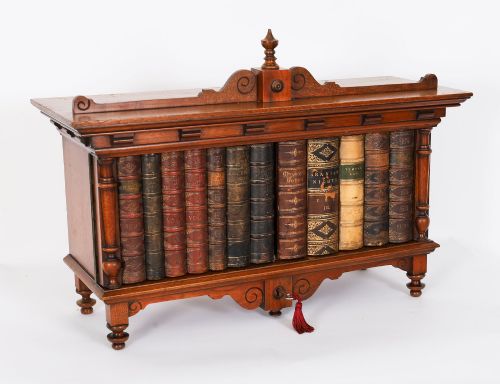
The selection reflects both standard domestic furnishings and finer exhibition pieces, incorporating occasional tables, side tables, and diminutive writing desks.
Materials and Technique
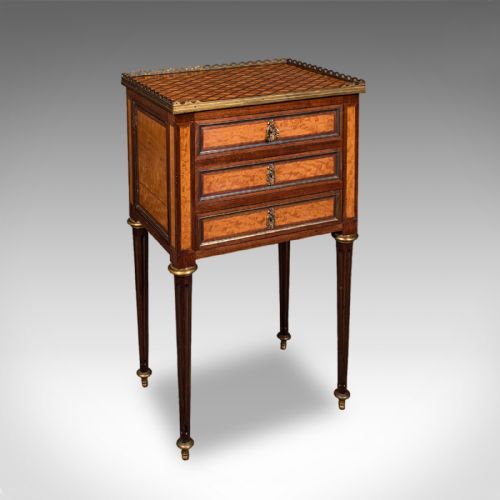
Cabinetmakers relied heavily on plain walnut and highly figured burr walnut veneers, often laid over secondary framing timbers to create patterned surfaces on table tops and cabinet fronts.
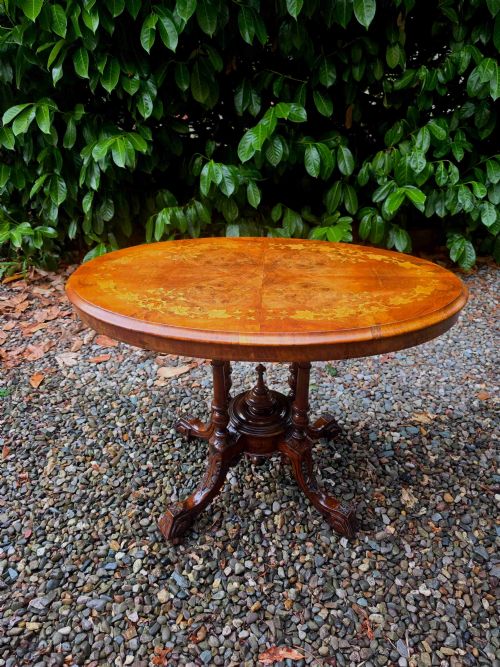
Construction frequently incorporated decorative details such as marquetry inlay, parquetry, bobbin galleries, and turned barley twist pedestals, alongside brass hardware and occasional ceramic accents.
Listings feature walnut, burr walnut, mahogany, and satinwood, spanning the Victorian period into the early twentieth century alongside revival styles.
Determinants of Quality
Quality rests upon the selection and matching of burr walnut veneer, where symmetrical grain patterns and crisp marquetry inlay distinguish superior examples from plain utility pieces.
The sophistication of the turning on pedestals, the inclusion of robust brass mechanisms on drop-leaf Sutherland tables, and the precision of joinery in small drawers set the finer workshops apart.
JAS Shoolbred
The Small Victorian Walnut Table Glossary
- Burr walnut
- A veneer sliced from the knotty growth of a walnut tree, yielding highly decorative swirling grain patterns prized by Victorian cabinetmakers.
- Sutherland table
- A narrow drop-leaf table with hinged flaps that fold down almost vertically, supported by swinging gate legs.
- Marquetry
- Decorative patterns formed by fitting together small pieces of wood veneer, often floral or geometric, set into the table top.
- Davenport desk
- A compact Victorian writing desk featuring a sloping, hinged top above a pedestal of side drawers.
- Occasional table
- A small, movable side or lamp table designed for flexible placement around a sitting room.
Small Victorian Walnut Table: Frequently Asked Questions
What is a Sutherland table?
A Sutherland table is a narrow drop-leaf design with very slender flaps that drop nearly flat when lowered.
Gate legs swing out from the centre frame to support the leaves when raised, making it easy to store against a wall.
Were these tables used as desks?
Certain compact forms, such as Davenport desks and writing tables, served specific correspondence needs in Victorian rooms.
They often incorporated internal stationery compartments and small drawers beneath sloping writing surfaces.
How do revival styles affect the date?
Revival pieces draw inspiration from earlier French or English aesthetics while retaining standard Victorian construction methods.
Louis XV and Louis XVI revival walnut tables frequently date from the mid to late nineteenth century despite referencing earlier eras.