

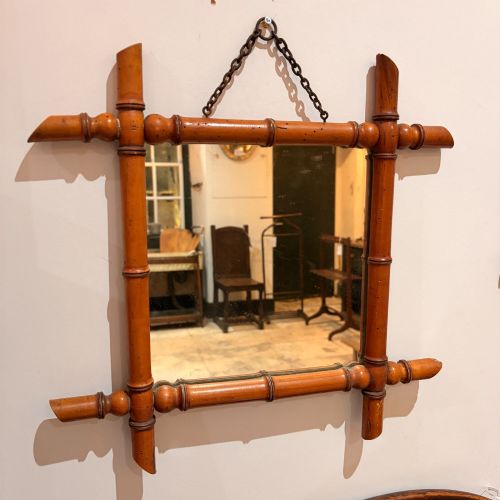
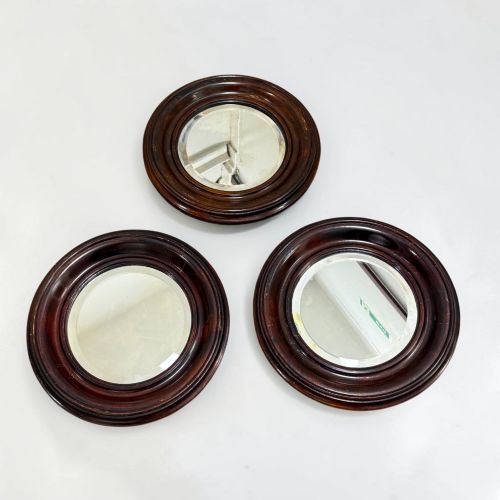
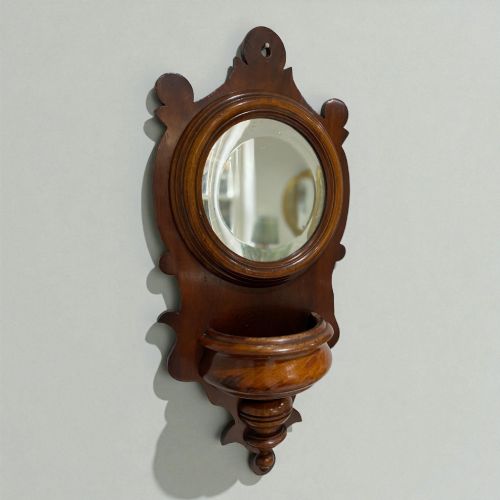
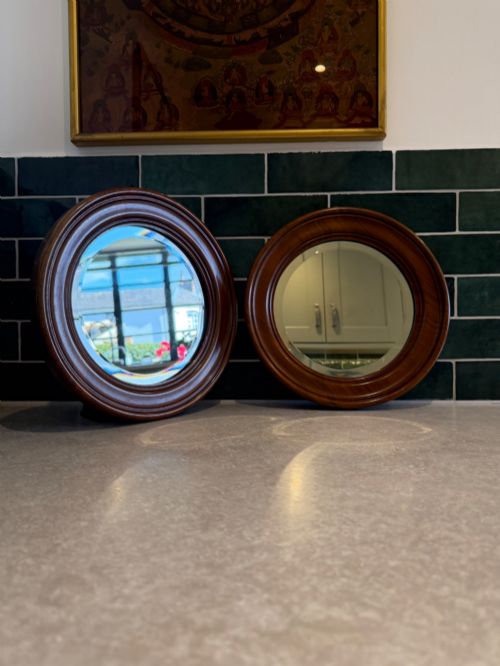


Small Victorian Wall Mirror
A small victorian wall mirror brings a neat focal point to a hallway or bedroom while reflecting light into tight corners.
Small Victorian Wall Mirror
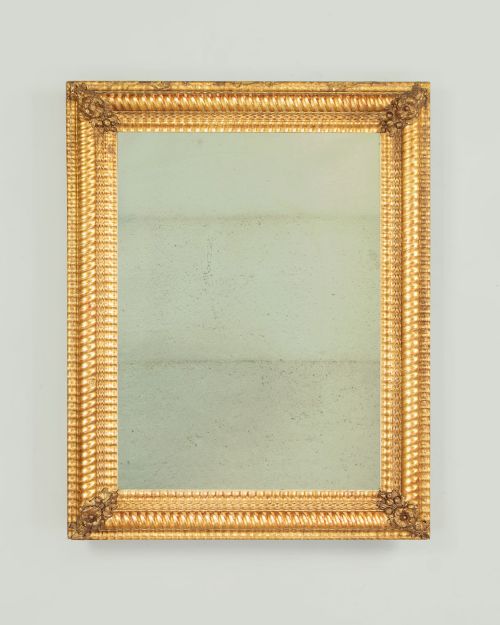
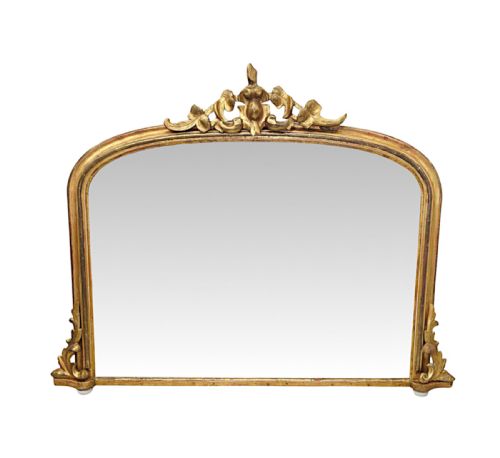
A small victorian wall mirror represents compact reflective furniture designed to hang in domestic spaces during the nineteenth century. Buyers seeking this phrase encounter circular convex glasses, arched top overmantels, and rectangular frames intended for halls and bedrooms.
The materials and styles span straightforward wood and brass frames alongside elaborate giltwood and gesso pieces influenced by rococo revival and neoclassical tastes. Most examples date from the middle to the late nineteenth century, often appearing in pairs or neat single formats.
Materials and construction
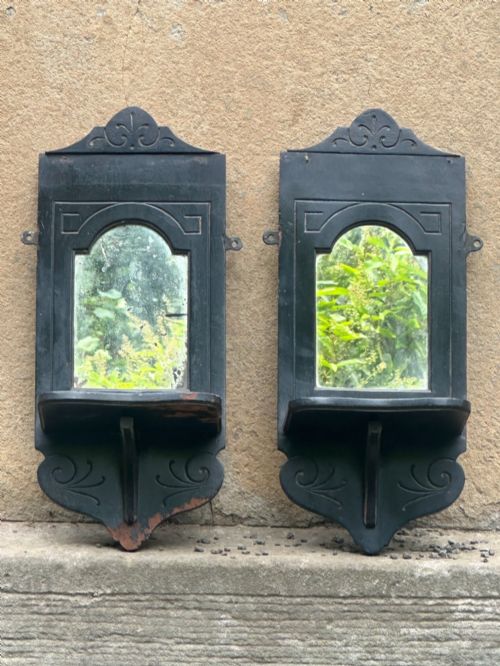
Frames rely on carved wood, pine, mahogany, burr walnut, and ebonised wood, frequently finished with layers of gesso and gold leaf to create bright reflective surfaces. Brass, bronze, and gilt metal also form durable structures, sometimes incorporating cast mask crests or floral motifs.
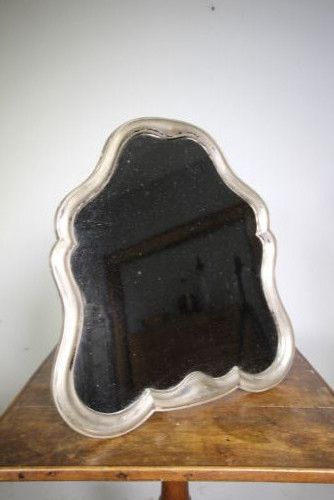
Mirrors utilise silvered glass plates, which occasionally show age through foxing or oxidation across the surface. Joinery techniques and applied mouldings define the period construction, holding the heavy glass securely within its decorative surround.
Small Victorian Wall Mirror Retail Price Guide 2026
Typical asking prices for small victorian wall mirror among the pieces listed under this phrase on Sellingantiques today, from the lower quarter to the upper quarter. They describe what is for sale here now, not the wider market.
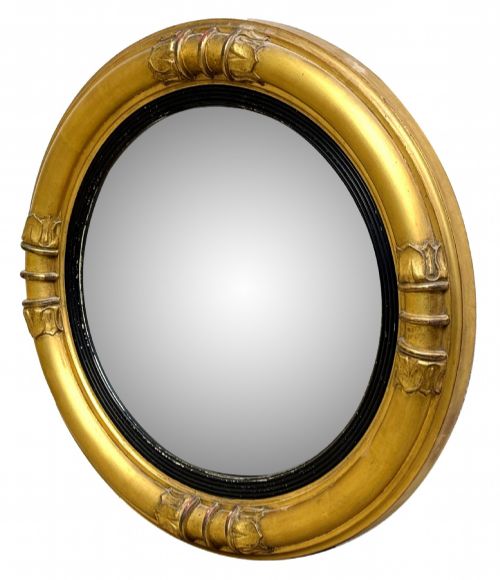
Sorcerer's mirrors give every visitor the strange privilege of gazing into a wide, spherical universe from the comfort of a hallway.
Judging quality and craftsmanship
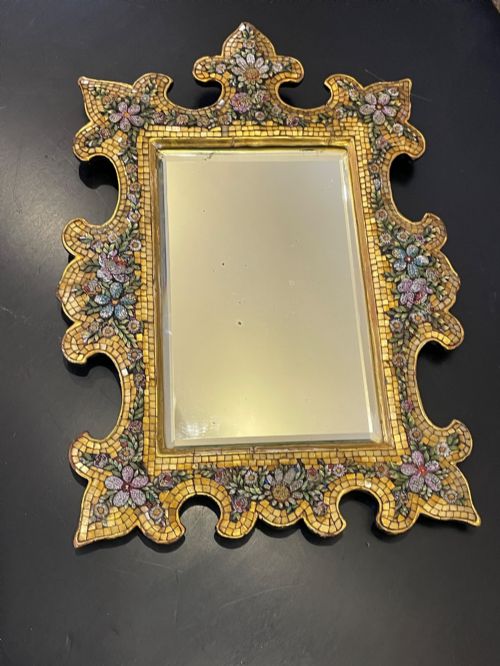
The refinement of the carving separates standard production from exceptional work, particularly in hand-applied gesso ornament and detailed wood moulding. Crisp definition in cast brass crests or delicate micro mosaic work also indicates superior execution by the maker.
Originality of the glass plate and stability of the frame construction determine the integrity of the piece over time. Intact gilding and well-preserved timber surfaces maintain the visual strength intended during the nineteenth century.
Cottier and Co
The Small Victorian Wall Mirror Glossary
- Giltwood
- Wood carved and coated with gold leaf or metal leaf to produce a bright metallic finish. This technique defines many formal nineteenth century mirror frames.
- Gesso
- A plaster mixture applied to wood frames to create a smooth surface for subsequent gilding or painting. Deep relief details are often moulded directly in this material.
- Convex mirror
- A round glass plate curved outward to provide a wide, distorted panoramic reflection of the room. These pieces were frequently mounted in gilded frames with ball decorations.
- Overmantel mirror
- A wide mirror designed to sit directly above a fireplace mantelpiece. Nineteenth century versions often feature arched tops and segmented glass.
- Foxed mirror plate
- Glass showing dark spots or a speckled patina caused by the degradation of the silver backing over decades. Collectors value this natural ageing for its authenticity.
Small Victorian Wall Mirror: Frequently Asked Questions
Where should I hang a small wall mirror?
These compact pieces suit narrow hallways, bedrooms, and smaller wall spaces where they bounce natural light around the room without overwhelming the interior scheme.
They pair effectively above console tables, small sideboards, or dressing surfaces to create a balanced focal point.
How do I identify a nineteenth century mirror?
Examine the construction methods, timber types such as mahogany or pine, and the composition of the frame materials like gesso and gold leaf. Original mirror plates often display subtle imperfections and foxing consistent with age.
Period styles such as neoclassical, aesthetic movement, or rococo revival also point toward nineteenth century manufacture.
What is a convex mirror used for?
Convex mirrors provide a wide-angle reflection of an entire interior space, making them practical for monitoring activity in a room. Their curved glass creates a distinct fish-eye perspective.
Historically placed in reception rooms and halls, they serve as decorative focal points due to their spherical shape and gilt frames.
Can these mirrors be cleaned safely?
Use a dry or slightly damp microfibre cloth to gently dust the glass plate and frame without introducing excess moisture. Avoid harsh chemical cleaners that can damage vintage silvering or delicate gilt surfaces.
Take care around old gesso and leaf finishes, as vigorous rubbing can lift the historic materials.