

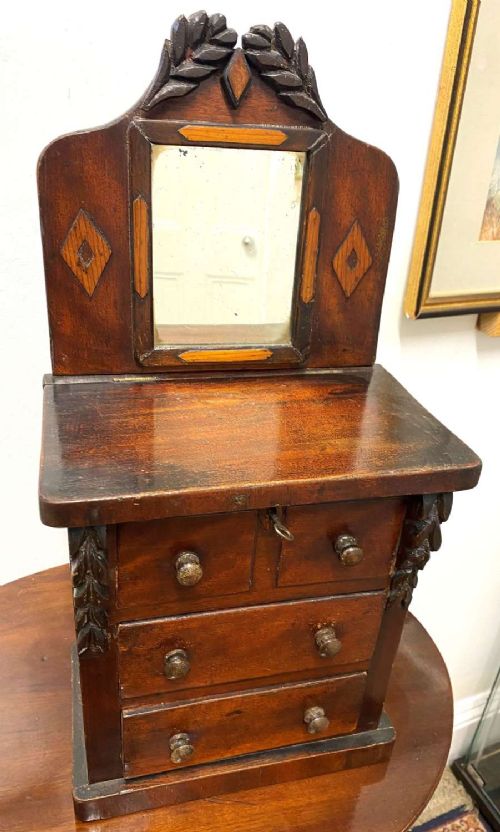
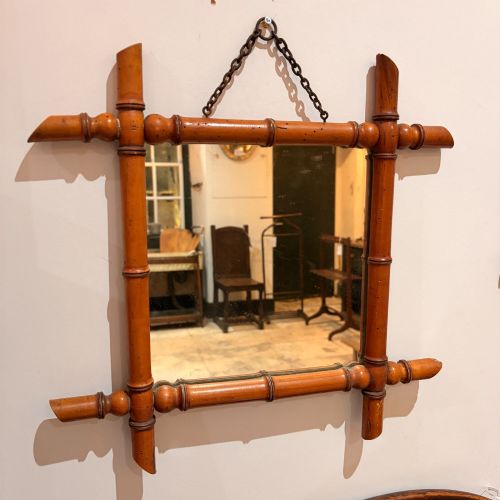
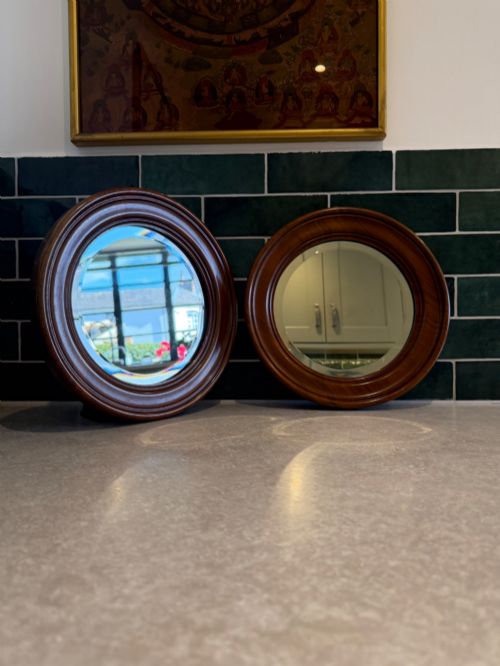
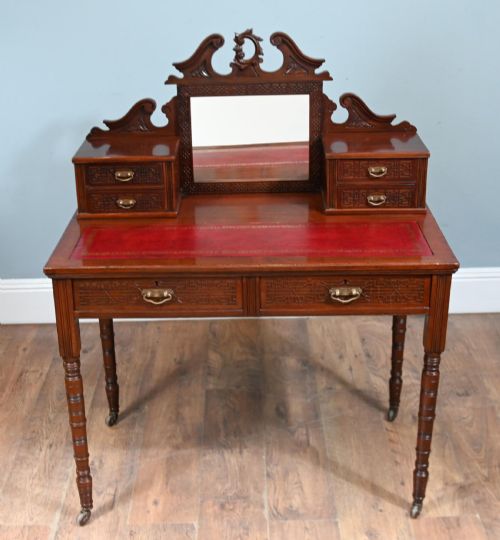
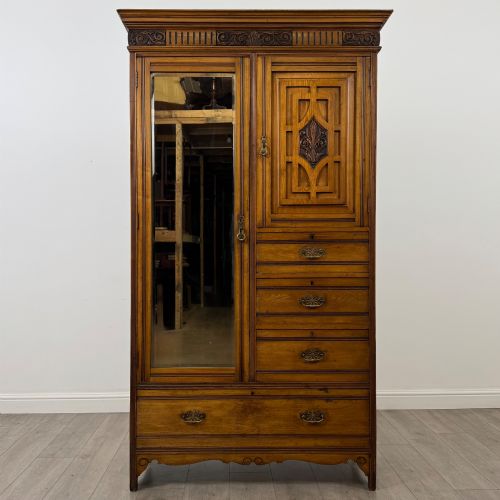
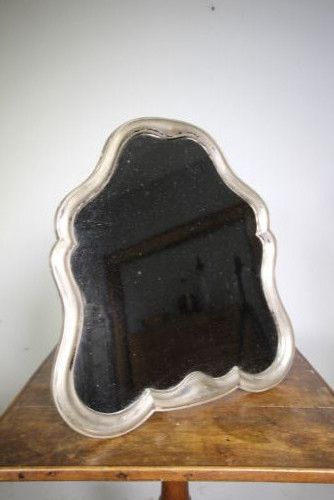
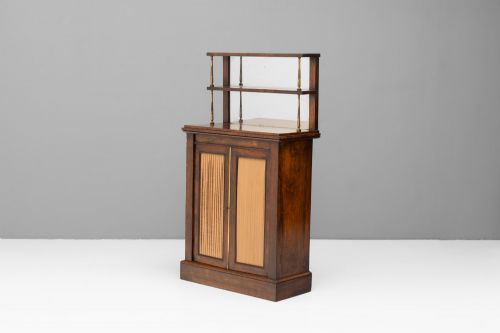
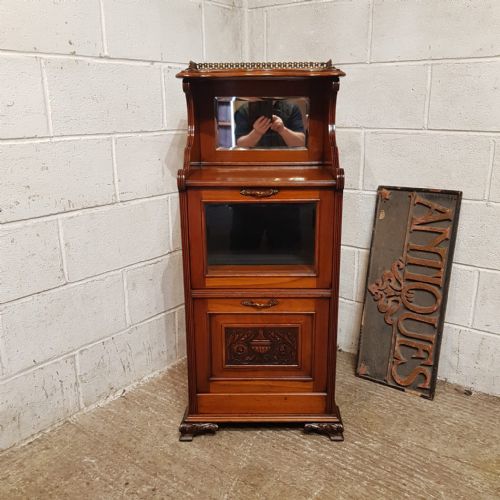
Small Victorian Mirror
A small victorian mirror brings nineteenth-century presence to compact spaces through carved timber, gilt gesso, and brass.
Small Victorian Mirror
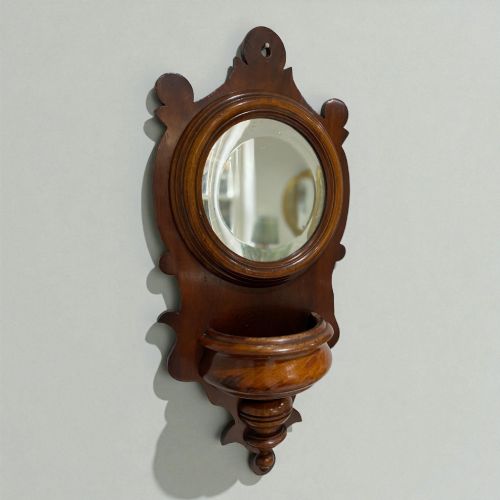
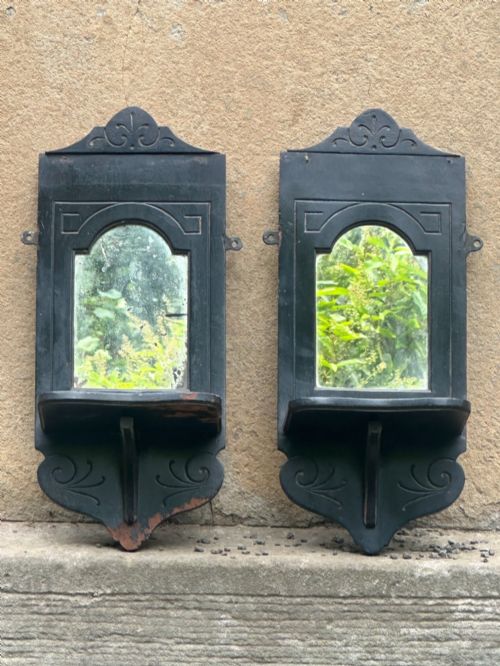
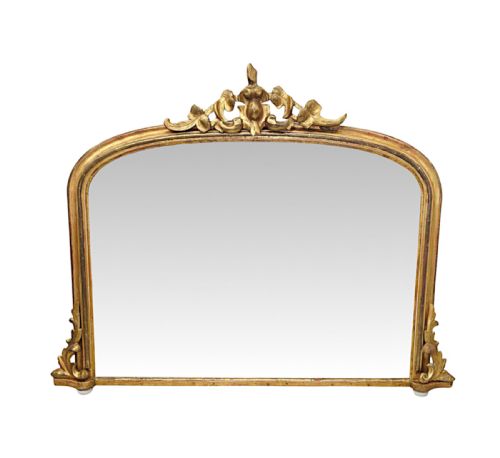
A small victorian mirror encompasses wall hangings, overmantels, and dressing table swing glasses produced during the nineteenth century. These compact items served functional roles in halls, bedrooms, and parlours, often utilising modest proportions to fit restricted wall spaces.
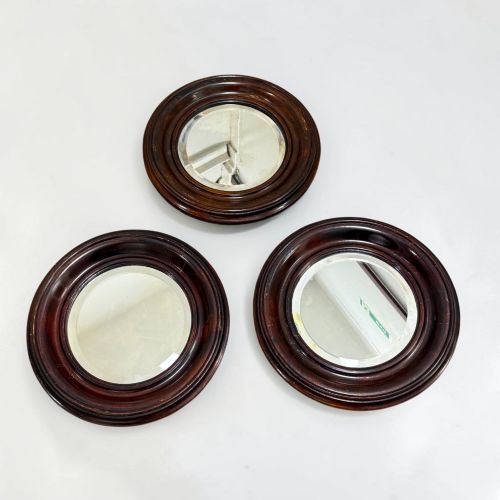
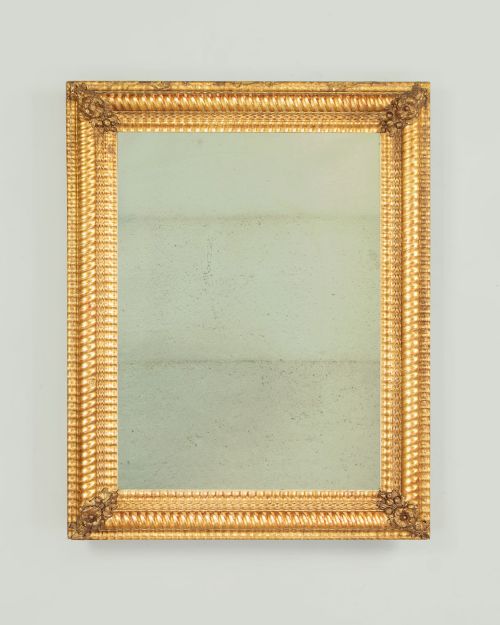
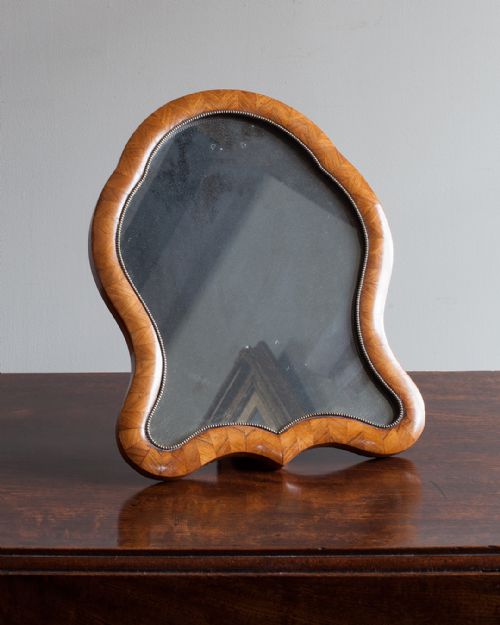
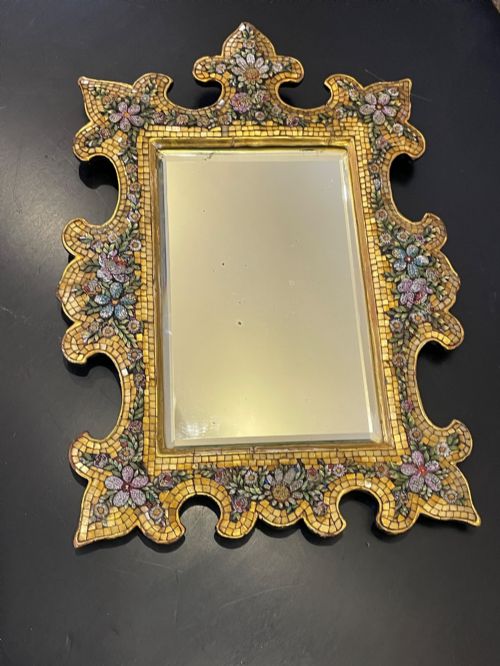
The selections span simple mahogany and walnut frames alongside ornate giltwood, gesso, and cast brass interpretations. Wall-mounted variants predominate, though table mirrors and compact vanity pieces appear frequently across the period styles.
How They Were Made
Frames rely on timbers such as mahogany, rosewood, walnut, and pine, frequently enhanced with applied gesso or gilding. Carved wooden details and cast brass mounts demonstrate the prevailing craftsmanship of nineteenth-century workshops.
Mirror plates consist of traditional float glass, occasionally exhibiting foxing or age spots that confirm their antique origin. Backboards utilise solid timber secured with original handmade fixings.
Small Victorian Mirror Retail Price Guide 2026
Typical asking prices for small victorian mirror among the pieces listed under this phrase on Sellingantiques today, from the lower quarter to the upper quarter. They describe what is for sale here now, not the wider market.
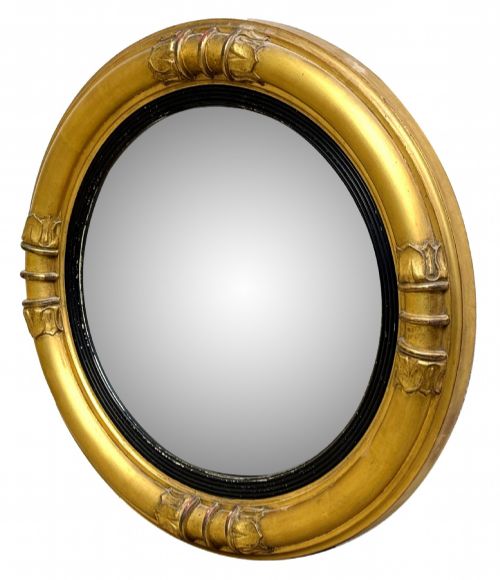
Sorcerer's mirrors let nineteenth-century guests inspect the entire room in a single, delightfully distorted fish-eye glance.
What Varies in Quality
The crispness of carved gesso ornament and the depth of the gilding differentiate standard production from finer work. Superior examples retain original mercury or silvered glass plates alongside intact structural joinery.
Material selection dictates overall grade, with figured veneers like burr walnut and kingwood commanding greater regard than plain painted softwood. Intricate detailing such as mask crests or ribbon pediments elevates individual pieces.
Cottier and Co
The Small Victorian Mirror Glossary
- Gesso
- A plaster-like mixture applied to wood frames and carved before gilding. It creates the raised relief decoration seen on ornate nineteenth-century pieces.
- Foxing
- Age-related brown spots and speckles within the glass plate. This chemical oxidation develops naturally across decades on antique mercury or silver mirrors.
- Overmantel
- A large mirror designed to hang above a fireplace mantelpiece. Victorian versions frequently employ small proportions to suit intimate rooms.
- Girandole
- A decorative wall mirror featuring attached candle sconces. The arms reflect candlelight to brighten nineteenth-century interiors.
- Convex mirror
- A round glass plate curved outward to provide a wide-angle reflection. These pieces are sometimes known as sorcerer's mirrors.
Small Victorian Mirror: Frequently Asked Questions
Where should I hang a small victorian mirror?
These compact pieces suit narrow spaces such as hallways, above small console tables, or tucked between windows where full-sized frames will not fit. Their modest scale allows them to bounce light into darker corners without dominating a room.
Ensure appropriate wall fixings are used to support the weight of timber and glass frames securely. Hanging them at eye level maximises their decorative and practical function.
How do I identify a genuine nineteenth-century mirror?
Examine the backboards for age-appropriate timber, hand-cut screws, and old fixings rather than modern Phillips-head screws. Original glass often displays minor imperfections, distortion, or foxing.
The construction methods of the frame should align with nineteenth-century cabinetmaking traditions, utilising traditional joins and historic finishes.
What is a sorcerer's mirror?
A sorcerer's mirror is a convex wall mirror featuring a curved glass plate that reflects a wide, distorted view of the interior. These items were popular in nineteenth-century homes for their unusual optical effects.
They frequently appear in circular giltwood or brass frames, sometimes accompanied by multiple smaller convex insets.
How do I clean an antique mirror plate?
Use a dry microfibre cloth to gently remove dust from the glass and frame surface. Avoid spraying liquids directly onto the mirror, as moisture can seep behind the plate and damage the silvering.
If liquid cleaner is necessary, apply a minimal amount to the cloth rather than the glass to protect fragile nineteenth-century edges.