



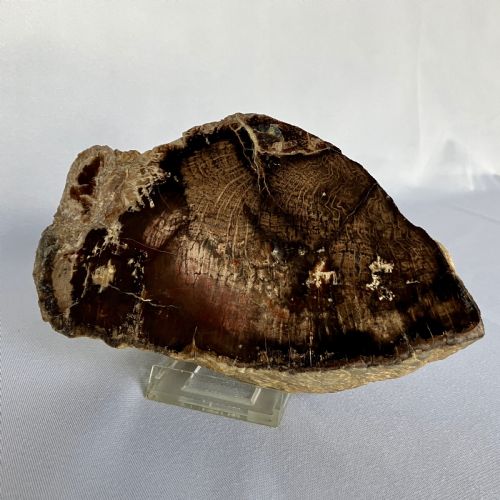


Small Timber Cabinet
These small timber cabinet examples range from Georgian chests to Art Deco sideboards, offering compact storage shaped by centuries of cabinet-making.
Small Timber Cabinet
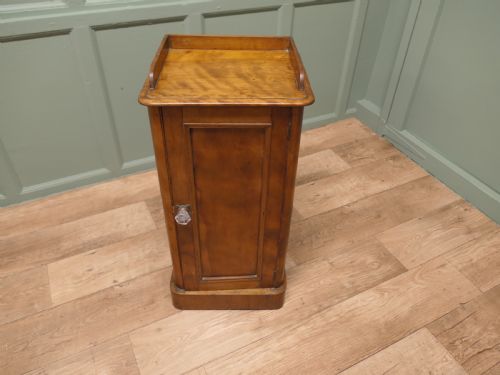
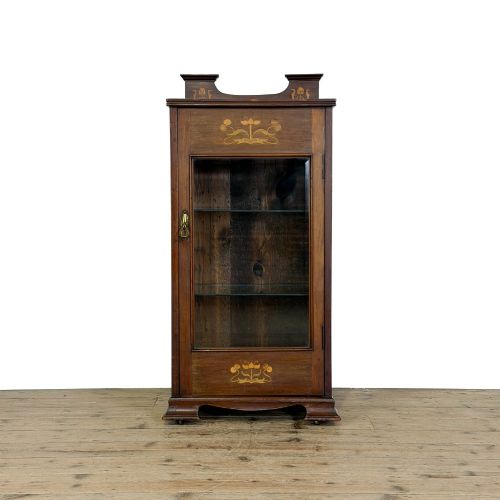
A small timber cabinet encompasses various compact forms, from Victorian bedside cupboards and Edwardian display cases to Georgian chests of drawers and spice cupboards. Buyers seek these pieces to integrate period character and practical storage into smaller domestic spaces.
How they were made
Construction relies on traditional hardwoods including mahogany, walnut, oak, ash, and yew wood, often enhanced by burr walnut veneers or satinwood details. Cabinet-makers utilised brass hardware for handles, hinges, and escutcheons to complement the timber figures.
Surface finishes range from waxed applications on ash and oak to polished mahogany and hand-painted decorations. Joinery techniques prioritize durability, visible in dovetailed drawers and panelled doors tailored to each specific form.
Small Timber Cabinet Retail Price Guide 2026
Typical asking prices for small timber cabinet among the pieces listed under this phrase on Sellingantiques today, from the lower quarter to the upper quarter. They describe what is for sale here now, not the wider market.
Current listings span the 18th century through the 1930s, incorporating mahogany, walnut, oak, and yew wood across diverse regional styles.
What varies in quality
Quality separates ordinary utility pieces from exceptional works through the selection of timber figures, such as matched burr walnut or figured yew wood. Superior examples demonstrate meticulous grain continuity across drawer fronts and panelled doors.
The refinement of internal fitting and hardware integration further distinguishes finer cabinets. Hand-carved elements, such as claw feet or subtle mouldings, reflect the workshop's commitment to design execution beyond basic structural requirements.
The Small Timber Cabinet Glossary
- Demi Lune
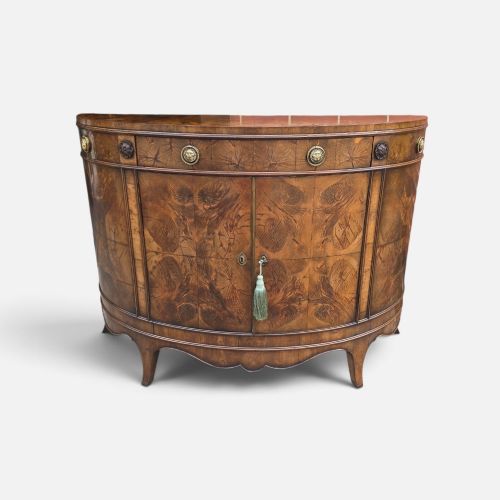
- A half-moon shape commonly applied to the tops and fronts of side cabinets and tables from various periods.
- Vitrine
- A glass-fronted display cabinet designed specifically for showcasing porcelain, books, or curiosities.
- Wellington Chest
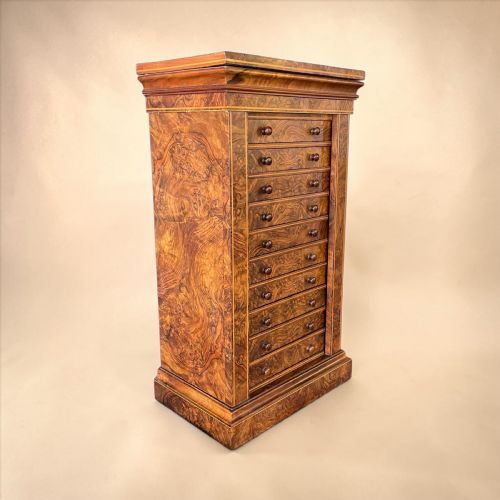
- A tall, slender Victorian chest of drawers secured by a hinged locking side flap that fastens with a key.
- Spicewood
- Early spice cupboards utilise dense timbers to securely store valuable culinary commodities, featuring small internal drawers.
- Panetiere
- A traditional freestanding wooden bread safe featuring turned spindles or pierced panels for ventilation.
Small Timber Cabinet: Frequently Asked Questions
Where should I place a small timber cabinet?
These compact forms suit hallways, alcoves, or beside beds where floor space is limited.
Their varied heights and depths allow them to function as display surfaces or practical storage units in sitting rooms.
How do I care for antique timber furniture?
Keep wooden surfaces away from direct heat sources and strong sunlight to prevent timber shrinkage and veneer lifting.
Apply traditional beeswax periodically to maintain the lustre of the polished grain without sealing the wood.
What is the difference between a side cabinet and a display cabinet?
Side cabinets generally feature solid wooden doors or drawers for concealed storage of household items.
Display cabinets incorporate glass panels designed to exhibit collections of ceramics, books, or decorative objects.
How can I tell a Victorian piece from an Edwardian one?
Victorian cabinets often utilise heavier proportions, deeper polished mahogany, and robust mouldings.
Edwardian pieces frequently display lighter timbers like satinwood or mahogany with more delicate inlay work and refined feet.