

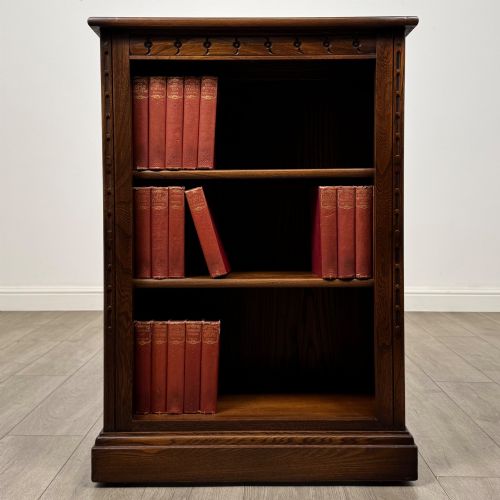
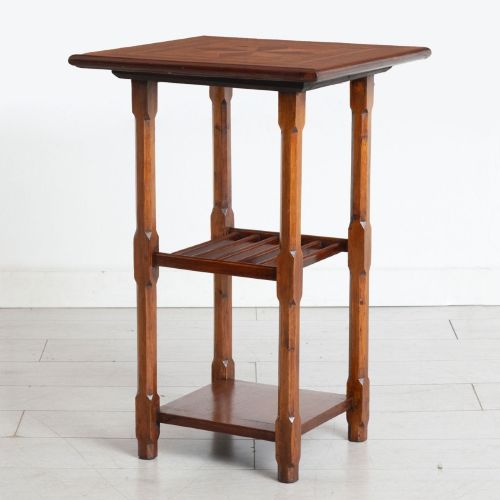
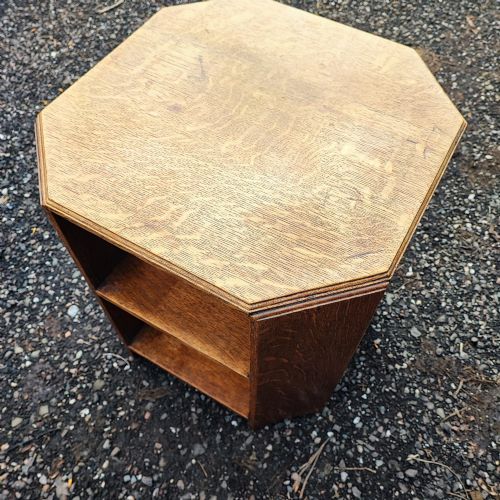
Small Standing Shelves
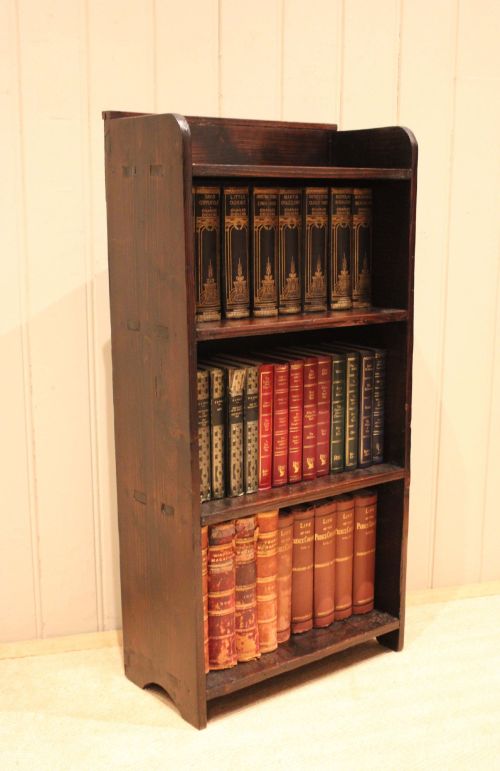
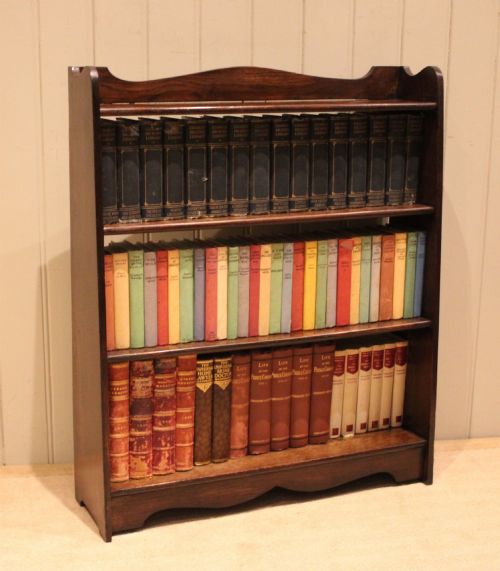
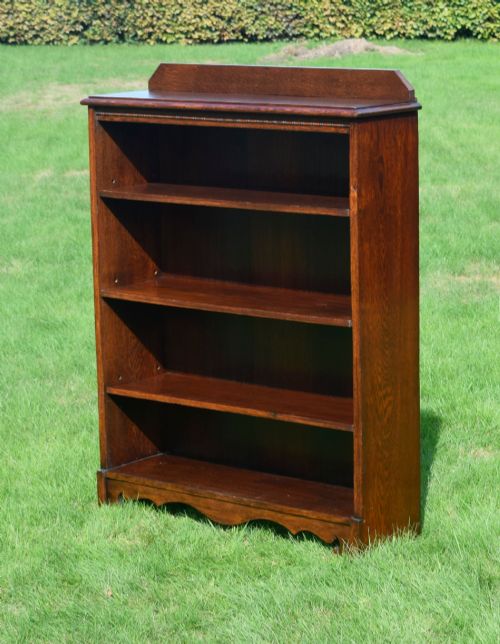
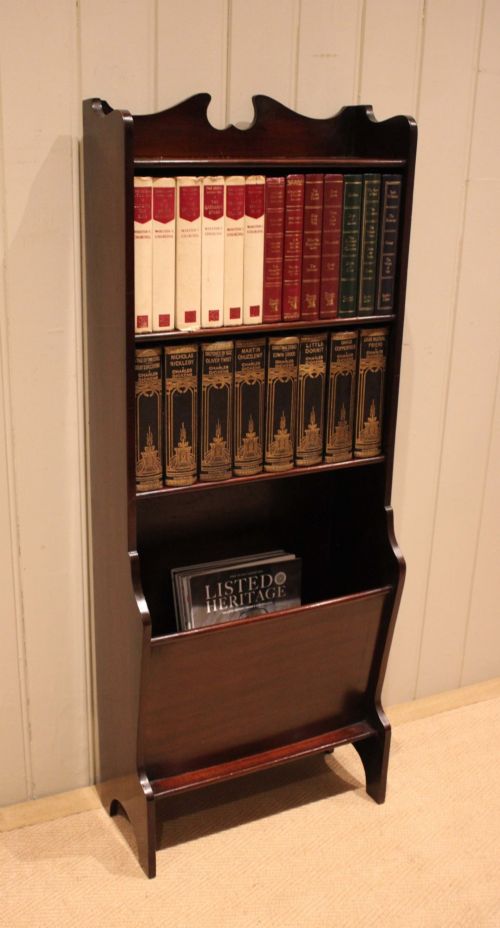
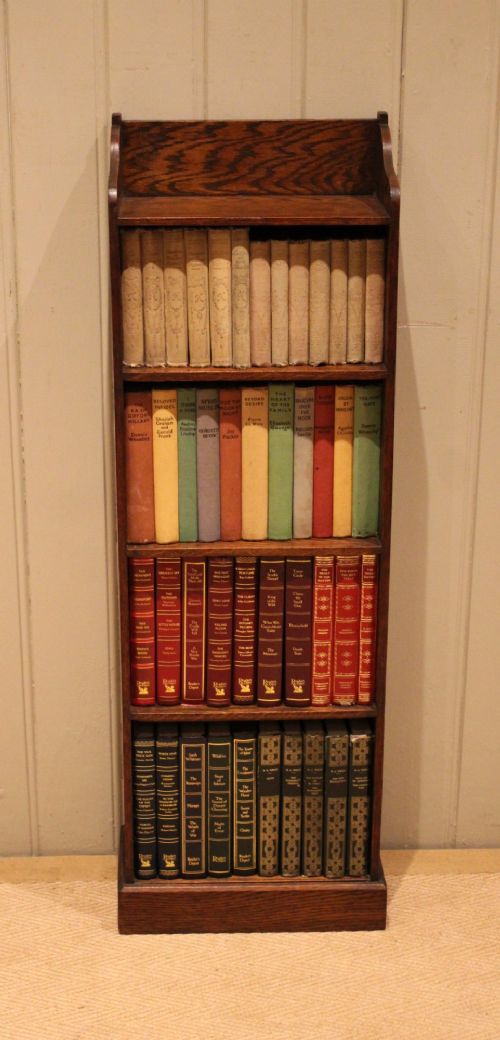
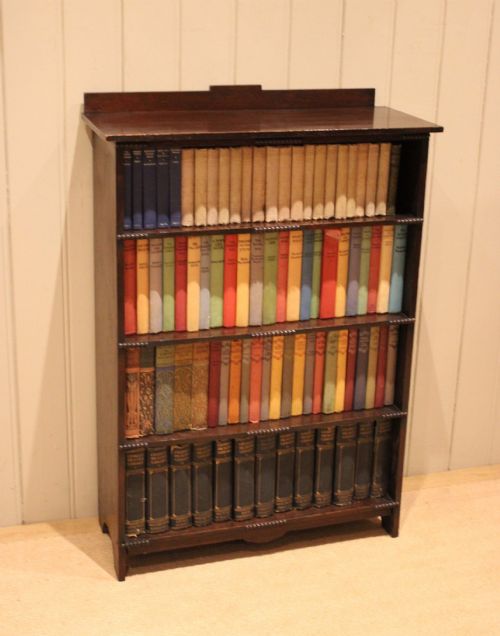
Small standing shelves bring tiered storage into tight corners, spanning compact bookcases, étagères and whatnots.
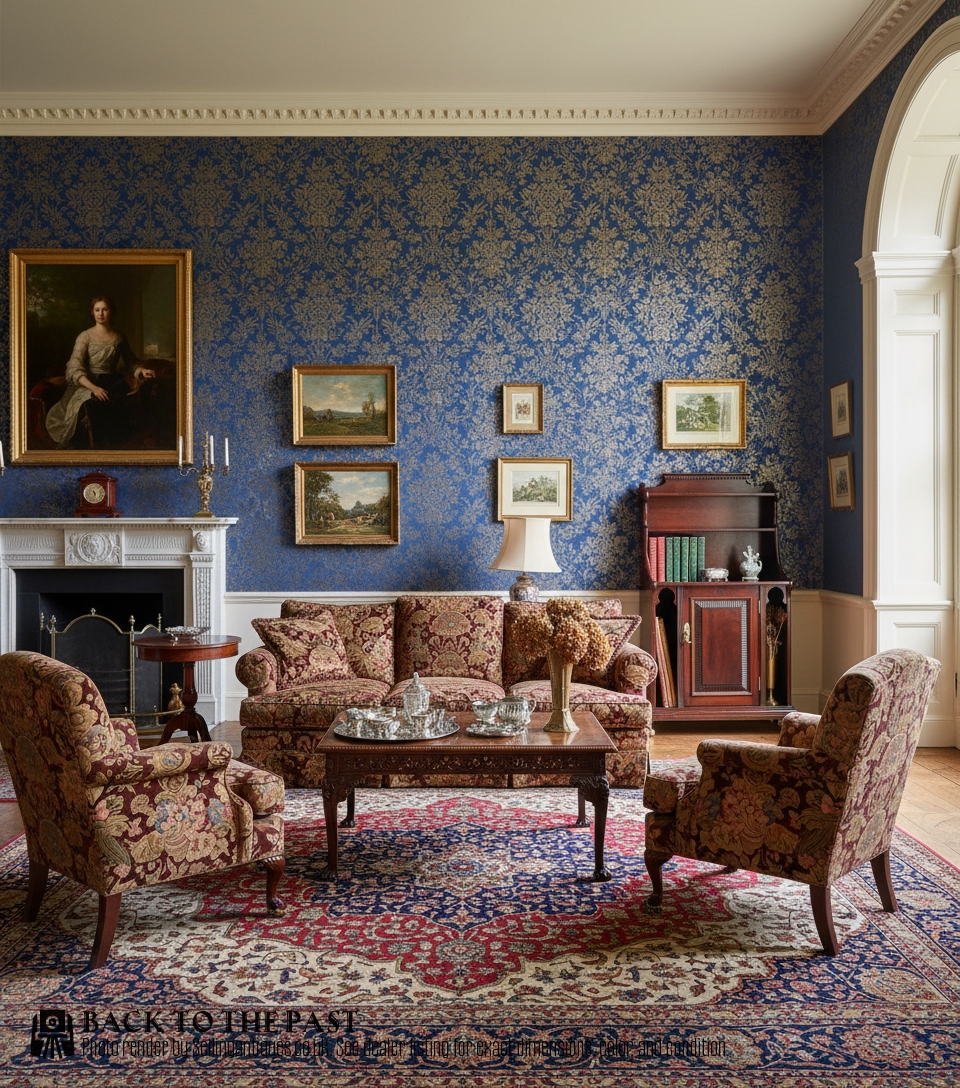
Small Standing Shelves
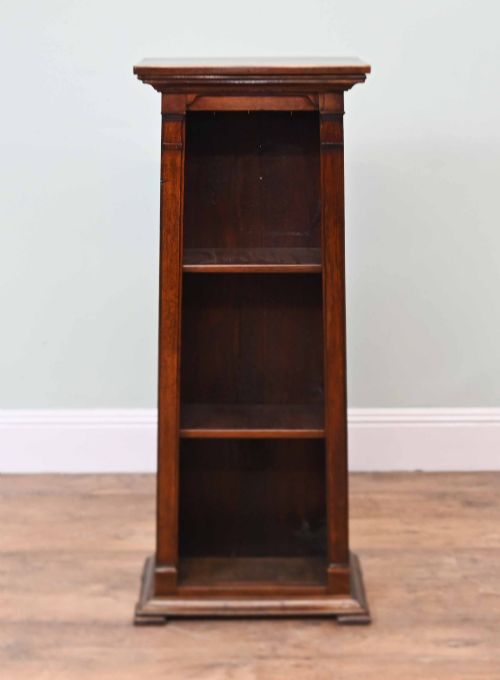
Small standing shelves encompass compact bookcases, open étagères, and tiered whatnots designed to hold books and display objects without dominating a room. These pieces appear most frequently in oak and mahogany, emerging from nineteenth-century workshops as well as twentieth-century domestic interiors.
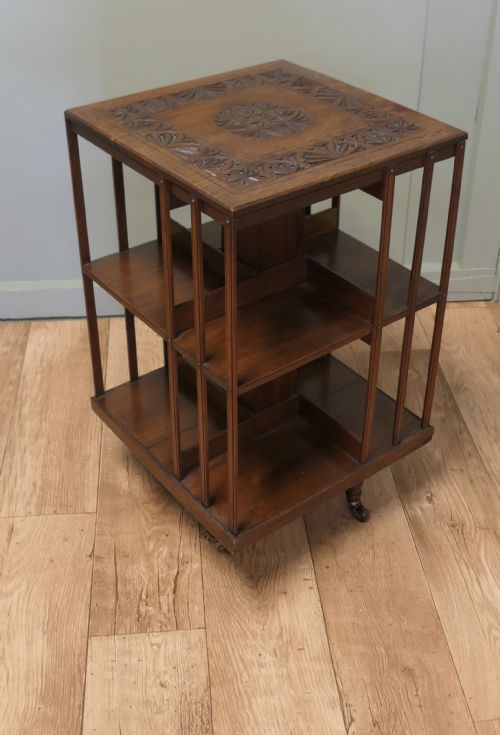
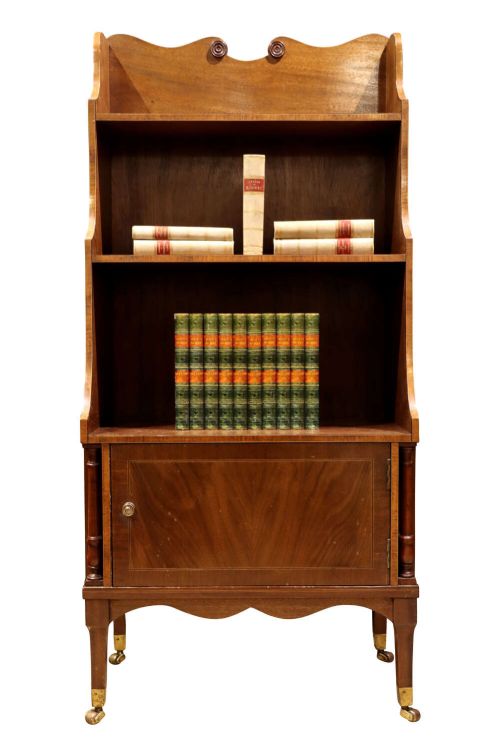
Buyers encounter variations ranging from rustic open shelving to inlaid Victorian waterfall cabinets fitted with brass castors. Forms often integrate small cupboards, magazine racks, or leather tops, serving multiple functions in bedrooms, libraries, and sitting rooms.
Materials and construction
Cabinetmakers utilised dense hardwoods such as oak, mahogany, rosewood, and walnut, frequently selecting burr veneers or satinwood for decorative emphasis. Grain direction and timber selection determined the visual weight of each tier and upright.
Joinery relied on traditional housing joints, dovetails, and pegged mortises to support stacked shelves, occasionally incorporating brass hardware, castors, and delicate stringing inlay to elevate the finish.
Listings feature oak, mahogany, rosewood, walnut, burr walnut, satinwood, and brass across nineteenth and twentieth-century periods.
Markers of quality
Quality rests upon the selection of timber, where tightly figured burr walnut, rich mahogany, or quartersawn oak distinguish superior examples from plain utility pieces. The depth of hand-carved detailing, precision of inlay, and stability of tiered uprights separate workshop standards.
Proportion and structural integrity define the higher tiers of craftsmanship. Refined pieces maintain slender yet rigid uprights, balanced waterfall profiles, and original brass castors that function smoothly under weight.
Gillows·Betty Joel
The Small Standing Shelves Glossary
- Étagère
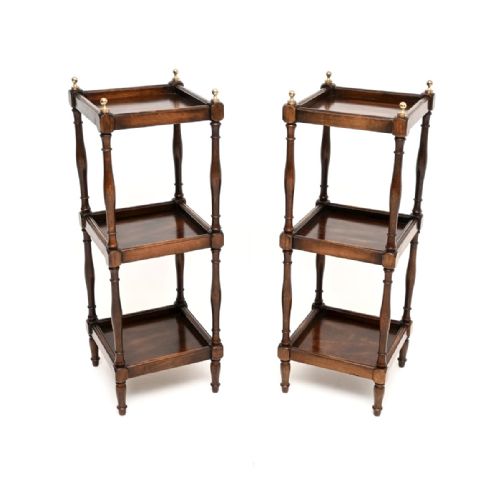
- A set of open shelves for displaying small objects or ornaments. These pieces typically feature multiple tiers supported by slender columns.
- Whatnot
- A multi-tiered piece of freestanding furniture used for books or ornaments. Originating in the early nineteenth century, it stands on small legs or castors.
- Waterfall bookcase
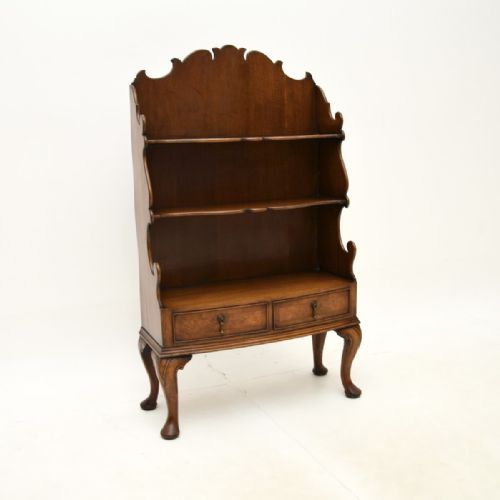
- A tiered shelving unit where each successive shelf steps back from the one below. This creates a cascading profile often associated with nineteenth-century design.
- Occasional table
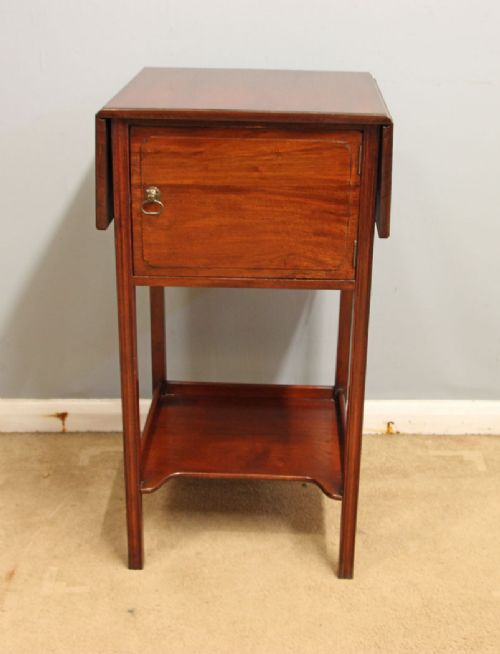
- A small, versatile table intended for light, intermittent use around a room. Versions often incorporate lower shelves or magazine racks.
- Inlay
- A technique where contrasting materials are inserted into depressions in the wood base to form decorative patterns. Common motifs include fine stringing and floral banding.
Small Standing Shelves: Frequently Asked Questions
Where do small standing shelves work best?
These compact pieces fit easily beside seating or within alcoves where full-sized bookcases overwhelm the floor space. Their shallow depths make them practical for narrow hallways and bedrooms.
They provide accessible storage for daily reading material or display surfaces for ceramics without blocking natural light or passage.
How do I date a wooden bookcase?
Dating relies on observing timber characteristics, construction methods, and prevailing decorative styles within the piece. Mahogany and rosewood dominate earlier nineteenth-century examples, while solid oak becomes prevalent in later Arts and Crafts interpretations.
Secondary woods, backboards, and fixing methods provide further chronological clues. Machine-sawn timber points towards twentieth-century production, whereas hand-planed surfaces suggest older origins.
What is the difference between a whatnot and an étagère?
Both terms describe tiered open shelving units, though historical usage occasionally distinguishes their primary decorative intent. Étagères often lean towards display and ornament, while whatnots accommodate a broader mix of books and personal items.
In practice, makers used both designations interchangeably across the nineteenth and early twentieth centuries.
Can these shelves hold heavy books?
Solid hardwood construction in oak or mahogany provides adequate strength for standard volumes across moderate shelf spans. Fixed shelves offer greater load-bearing stability than adjustable variants.
Heavier folios require thicker timber boards and robust structural supports to prevent sagging over time.