

Small Standing Cabinet
A small standing cabinet offers compact storage and display, bringing character and function to tight corners.
Small Standing Cabinet
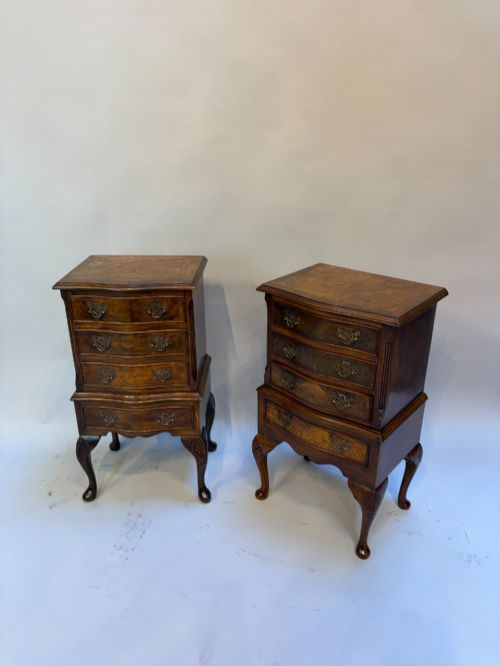
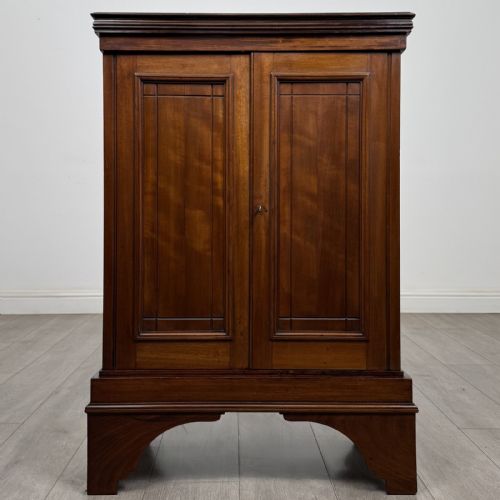
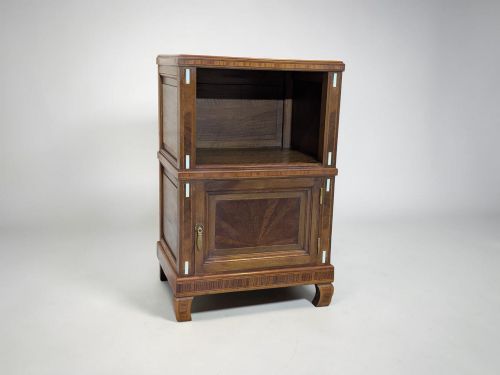
A small standing cabinet serves various domestic roles, appearing as a bedside chest, a music cabinet, or a compact display unit. When searching for a small standing cabinet, buyers encounter diverse forms ranging from Georgian pot cupboards to Edwardian glazed china cabinets.
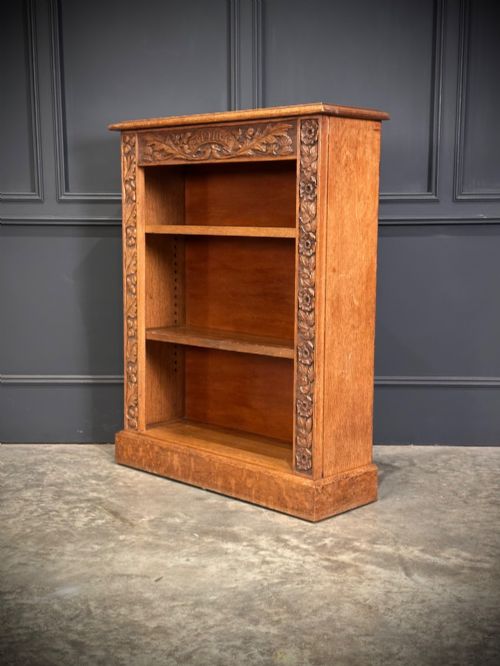
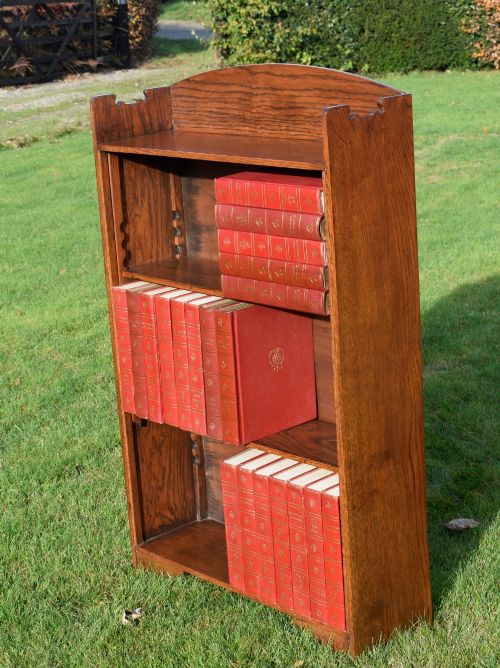
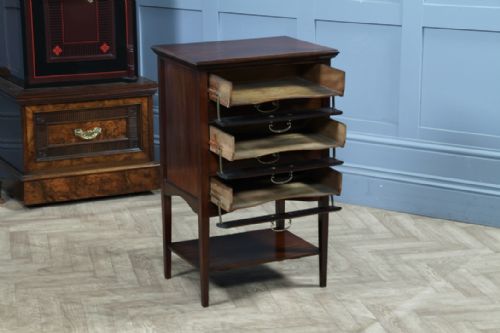
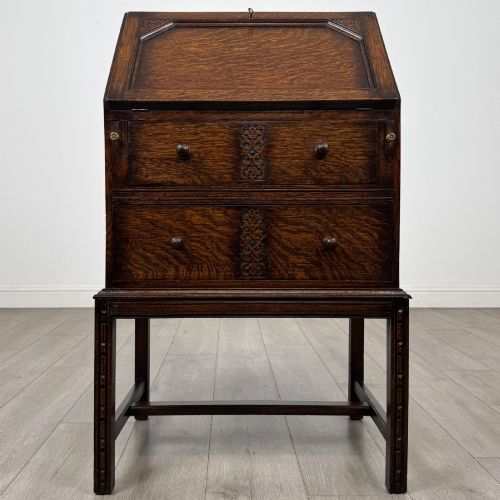
The pieces span several periods, with substantial representation from the Victorian and Edwardian eras, alongside Georgian and 1920s examples. Construction types vary from narrow oak hall cupboards to walnut music sheet cabinets with drop-front drawers.
Originating largely as practical household furniture, these compact items sit directly on the floor rather than mounting to walls. Their proportions make them suitable for modern rooms requiring surface space and enclosed storage without bulk.
Materials and construction methods
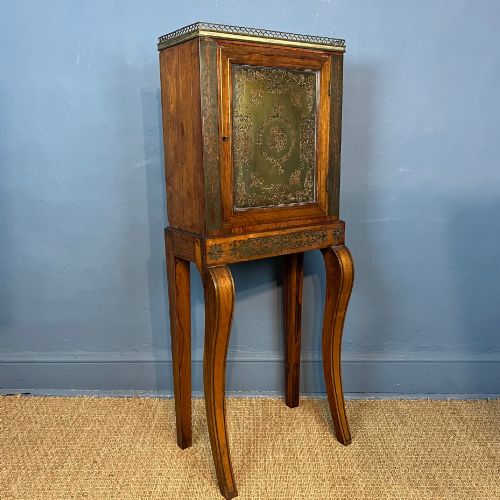
Cabinet makers relied primarily on timbers such as oak, mahogany, and walnut, frequently enhancing surfaces with burr walnut veneers or decorative inlay. Metal hardware, including brass castors and handles, complemented the timber construction.
Small Standing Cabinet Retail Price Guide 2026
Typical asking prices for small standing cabinet among the pieces listed under this phrase on Sellingantiques today, from the lower quarter to the upper quarter. They describe what is for sale here now, not the wider market.
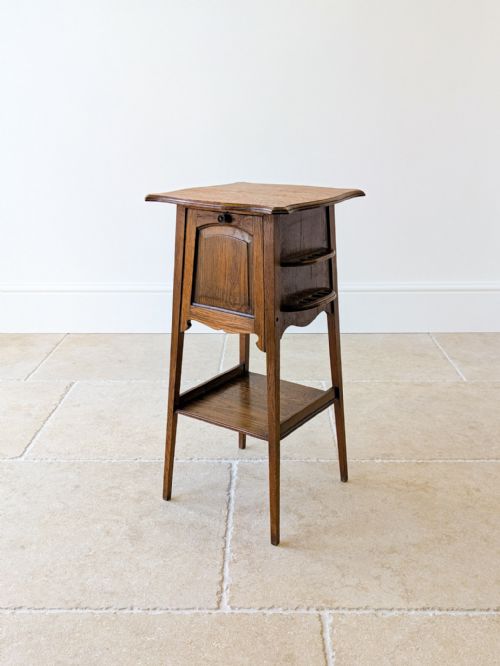
Smokers' cabinets in golden oak keep pipes and tobacco neatly concealed behind miniature panelled doors.
Assessing quality in construction and design
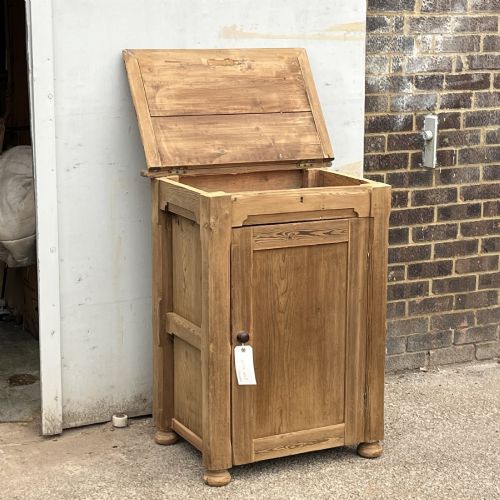
Superior examples distinguish themselves through the selection of figured timbers like burr walnut and satinwood, contrasted with standard utility oak or pine. The crispness of inlaid details and the weight of brass fittings indicate the original tier of manufacture.
Structural integrity depends on the precision of the joinery, particularly in moving parts such as drop-front music drawers, revolving mechanisms, and cabinet doors. Pieces retaining original surface finishes and period castors command greater interest than heavily altered items.
Gillows·Ercol
The Small Standing Cabinet Glossary
- Vitrine
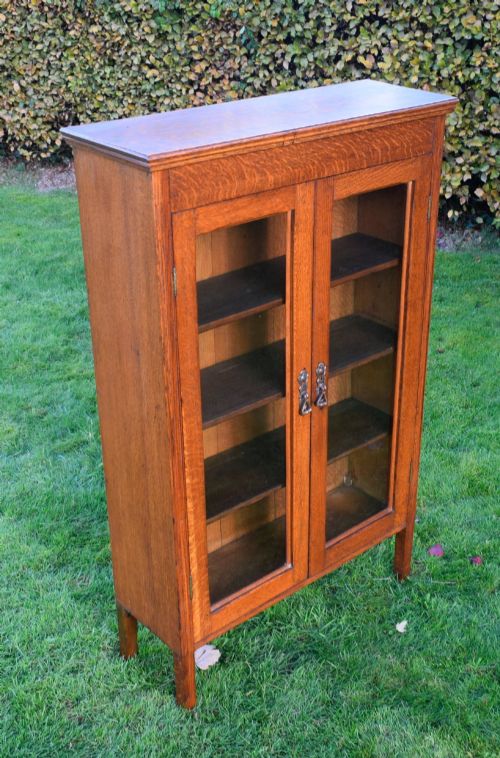
- A glass-fronted display cabinet designed specifically for showcasing porcelain, books, or small ornaments. These pieces often feature glazed sides as well as front doors to maximise light.
- Pot cupboard
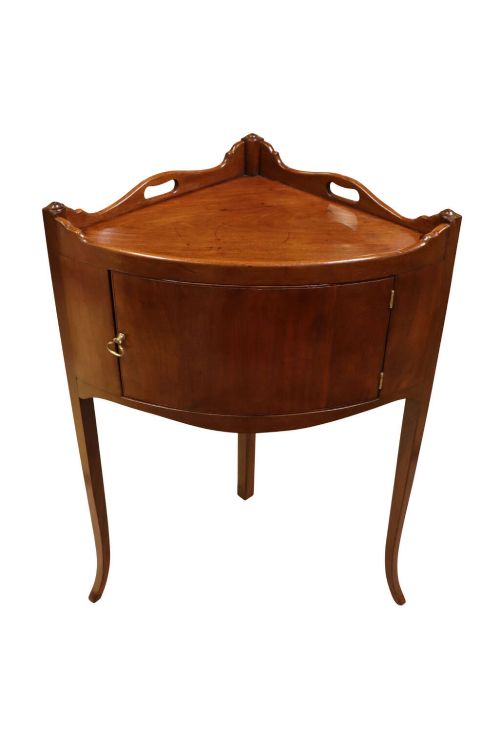
- A small bedside cabinet originally constructed to house a chamber pot. They typically feature a single door enclosing a shelf and occasionally a small drawer above.
- Waterfall bookcase
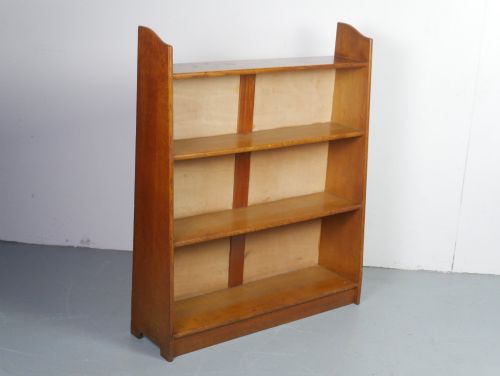
- A tiered shelving unit where each successive shelf is narrower than the one below, creating a stepped profile. They frequently incorporate a small cupboard section at the base.
- Drop-front
- A hinged panel that folds downwards to reveal a writing surface or interior compartment. This mechanism appears frequently in music cabinets and bureau forms.
- Cabriole leg
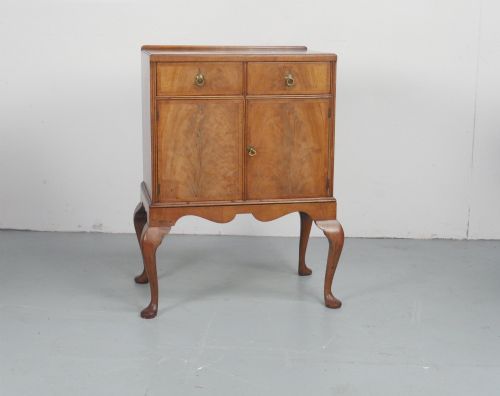
- A furniture leg that curves outwards in a convex arc and then bends inwards in a concave arc, terminating in a pad or foot. The design draws inspiration from animal limbs.
- Inlay
- A decorative technique where contrasting pieces of wood, metal, or shell are inserted into depressions carved into the primary timber surface to create flat patterns.
Small Standing Cabinet: Frequently Asked Questions
Where should I place a small standing cabinet?
These compact pieces fit easily into hallways, beside beds, or in corners where standard furniture proves too bulky. Their small footprint allows them to function as lamp tables or display surfaces in restricted spaces.
They pair well with existing room layouts, providing enclosed storage for books or linens while offering a stable top surface for everyday objects.
How do I distinguish an Edwardian cabinet from a Victorian one?
Victorian cabinets frequently utilise dark mahogany and heavy burr walnut with dense, formal carving and rich waxed finishes. Edwardian pieces often display lighter oak construction, sometimes incorporating Arts and Crafts simplicity or satinwood veneers.
Examining the internal drawer linings and secondary timbers can also clarify the period of manufacture.
Were music cabinets used for other purposes?
Music cabinets were originally built with shallow drop-front drawers specifically designed to store sheet music upright without damage. Today, their partitioned drawers suit the organisation of papers, crafts, or flat linens.
Their compact height and finished backs mean they can stand freely against walls or beside seating without dominating a room.
Can I use a bedside cabinet in a living room?
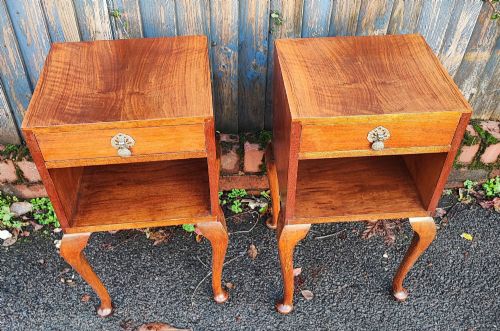
Bedside cabinets and pot cupboards function effectively as small side tables or lamp stands beside sofas. Their enclosed cupboards provide discreet storage for remote controls or charging cables.
Their varied historical styles, from Georgian mahogany to Edwardian oak, allow them to act as distinct accent pieces alongside contemporary furnishings.