


Small Silver Timepiece
A small silver timepiece is a compact horological object offering portable timekeeping, prized for its delicate metalwork and historical charm.
Small Silver Timepiece
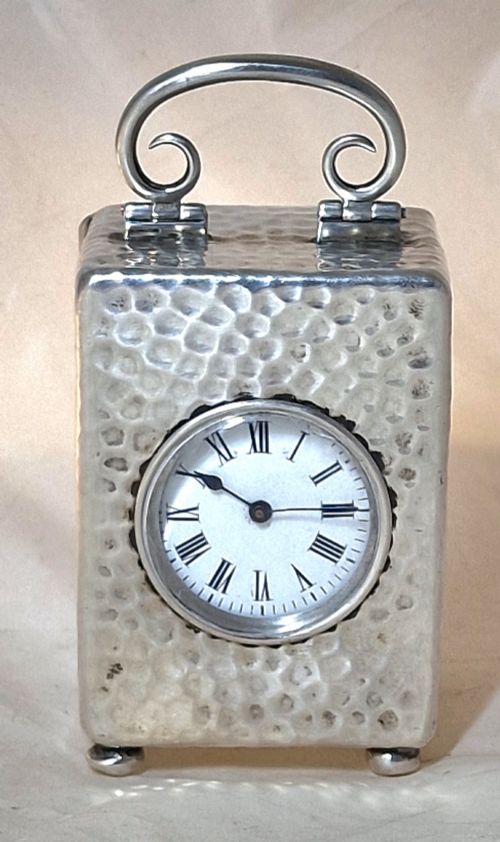
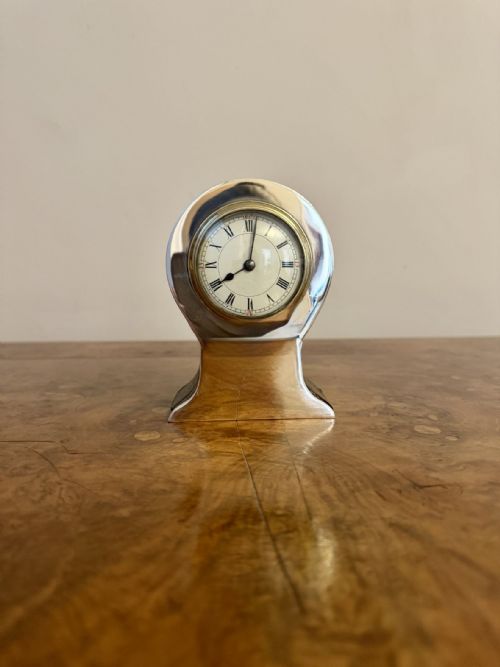
When you search for a small silver timepiece, you are looking at portable and desk horology housed in precious metal casings. These objects range from miniature carriage clocks and boudoir pieces to pocket watches and mantel clocks.
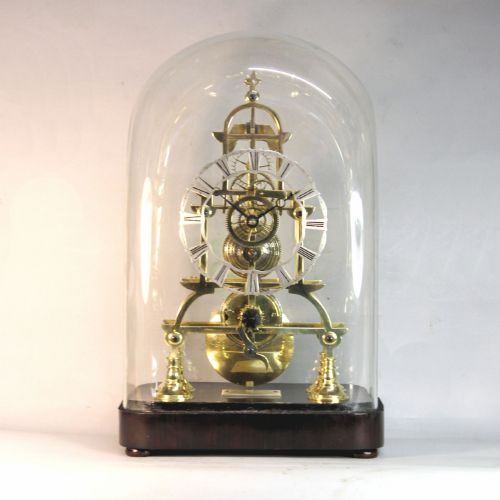
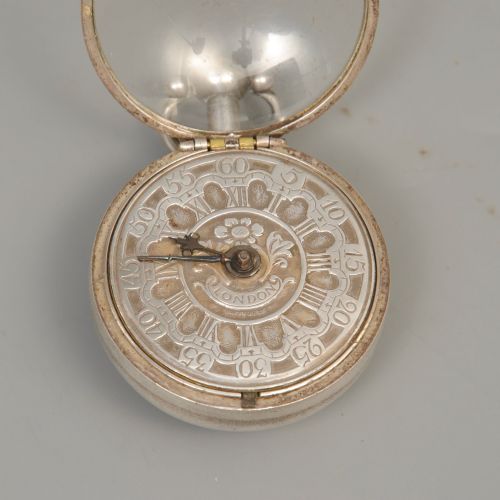
You are most likely to meet Edwardian and nineteenth-century examples on this page, alongside earlier eighteenth-century pocket watches and Art Deco designs. The forms encompass carriage clocks, skeleton clocks, and pair cased watches.
Originating predominantly from English workshops, these items combine mechanical movements with sterling silver, glass, enamel, and sometimes tortoiseshell or mahogany elements. Their diminutive scale makes them suitable for desks, dressing tables, and travel.
How they were made
Makers constructed these timepieces using sterling silver and silver plating for the exterior cases, often incorporating glass panels to display the internal movement. Brass and steel provided the durable foundation for the mechanical gears and escapements.
Surface decoration frequently involved floral enamelling applied to the silver frames or dial surrounds. Cabinetmakers and metalworkers utilised tortoiseshell and mahogany for outer protective cases on select boudoir and carriage models.
Listings span from the eighteenth century to the Art Deco era, incorporating sterling silver, glass, enamel, and mahogany.
What varies in quality
The refinement of the mechanical movement and the crispness of the hallmarking distinguish finer examples from standard production. Superior pieces exhibit meticulous hand-finishing on the escapement and well-preserved enamel work.
The integrity of the silver casing and the clarity of the glass panels contribute significantly to the overall merit of the object. Weight, proportion, and the presence of original outer cases elevate certain items above others.
Richard Winter Of Chieveley·William Comyns·J Batson & Son·A.L. Davenport
The Small Silver Timepiece Glossary
- Carriage clock
- A small, portable spring-driven clock designed for travel, typically featuring a rectangular brass or silver case with glass sides and a carrying handle on top.
- Pair cased watch
- A pocket watch enclosed within two separate cases, an inner one holding the movement and an outer protective shell often covered in leather or tortoiseshell.
- Skeleton clock
- A timepiece designed with an open framework that exposes the gear train and movement to view from multiple angles.
- Hallmark
- An official stamp applied to precious metals, indicating the standard of purity, the assay office, and the year of manufacture.
- Boudoir timepiece
- A decorative clock intended for private domestic spaces such as a dressing room or bedroom, often embellished with enamel or fine metalwork.
Small Silver Timepiece: Frequently Asked Questions
What is a small silver timepiece?
A small silver timepiece is a portable mechanical clock or watch housed in a silver case. These objects were designed for travel or intimate domestic spaces.
They combine horological utility with decorative metalwork, encompassing styles from the eighteenth century through the Art Deco period.
How were carriage clocks used?
Carriage clocks served as portable timekeepers for travellers during the nineteenth and early twentieth centuries. Their sturdy brass and silver frames protected the delicate mechanisms during transit.
Over time, owners transitioned these items from travel accessories to stationary desk and mantel ornaments in domestic interiors.
How do I identify an Edwardian timepiece?
Edwardian timepieces often feature distinct London hallmarks and stylistic influences characteristic of the early twentieth century. Makers frequently employed floral enamelling and miniature carriage clock formats during this era.
Comparing the case design and typography on the dial helps separate these Edwardian examples from Victorian or Georgian predecessors.
What materials are used in these clocks?
These timepieces primarily utilise sterling silver, silver plating, and brass alongside steel internal movements. Glass panels are fitted to allow visibility of the dial and gear trains.
Additional materials such as enamel, tortoiseshell, and mahogany appear on select decorative models and protective outer cases.