
Small Rustic Wooden Table
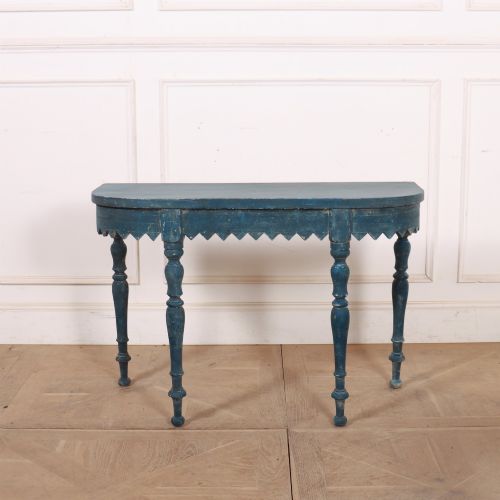
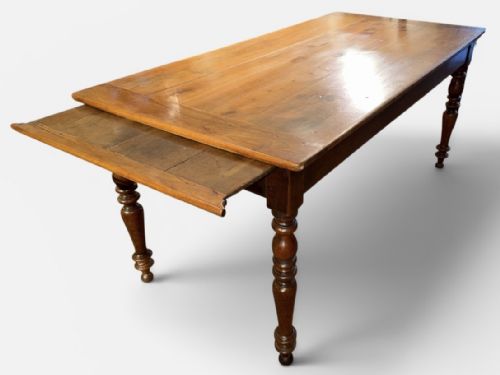
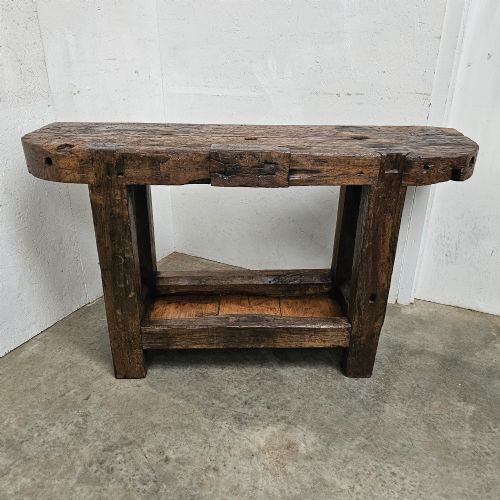
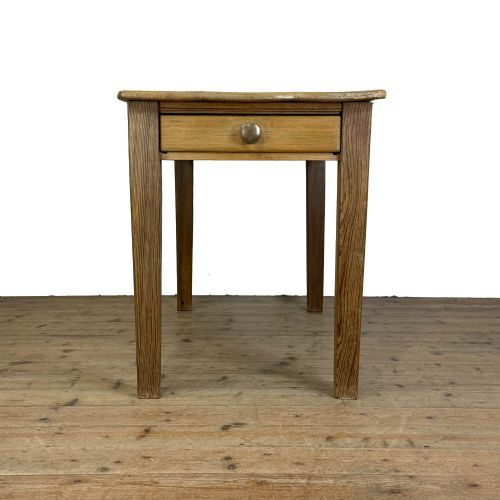
These small rustic wooden table examples span centuries of domestic utility, offering compact surfaces built from honest timbers.
Small Rustic Wooden Table
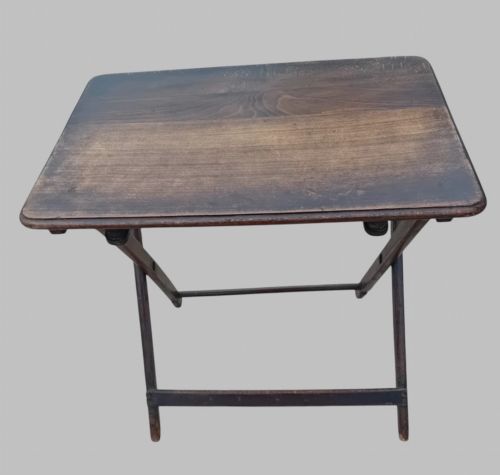
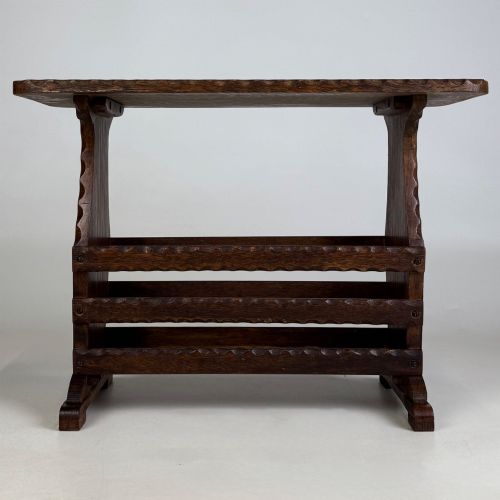
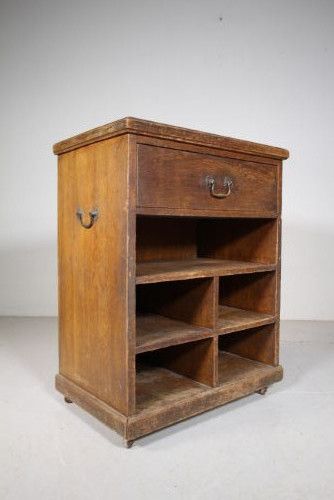
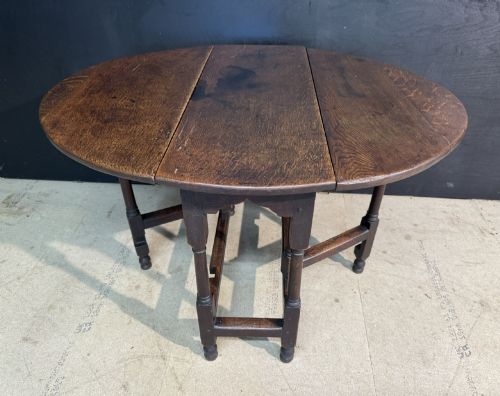
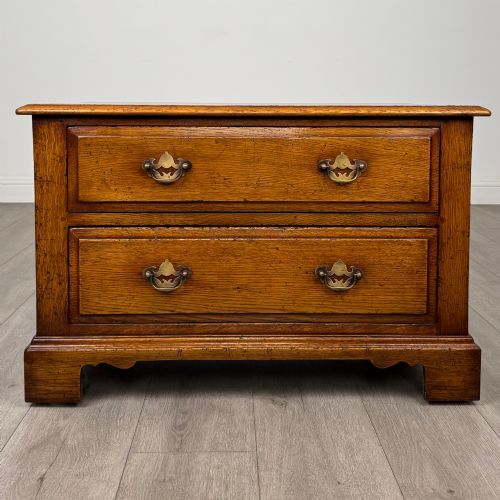
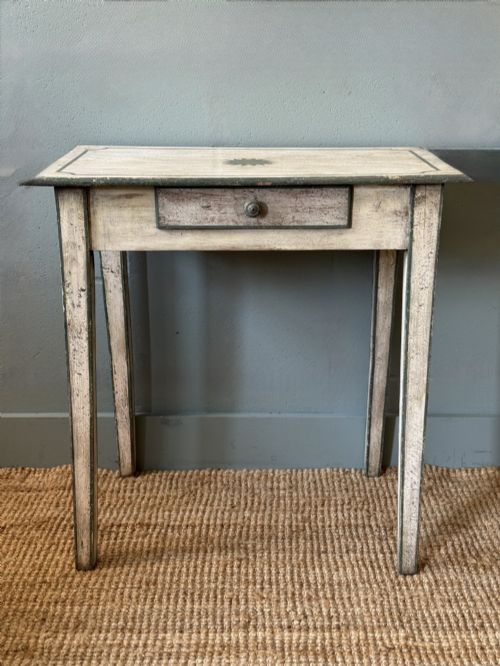
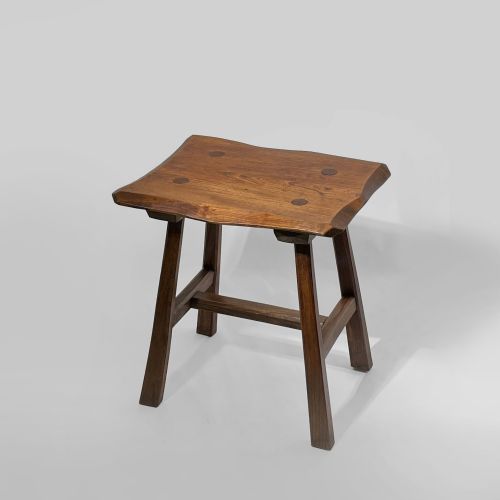
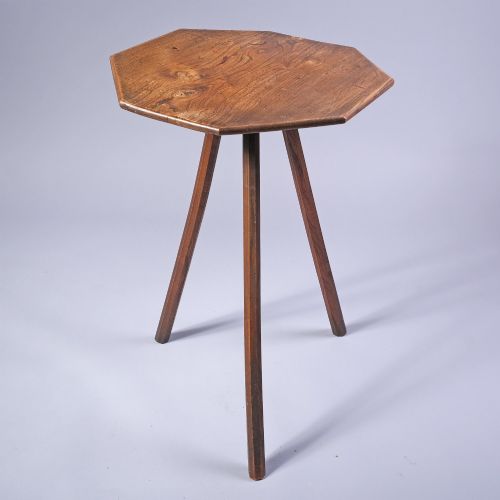
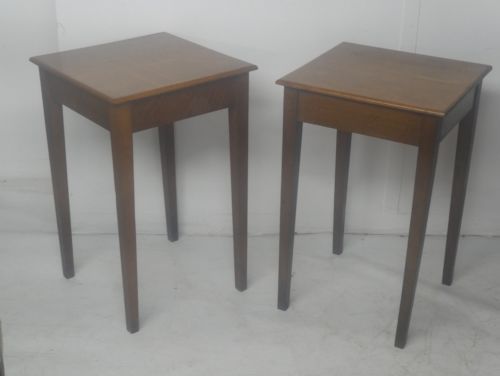
A small rustic wooden table serves simple household needs, appearing in forms ranging from side tables and cricket tables to small kitchen prep surfaces and low stools. The pieces seen here span the eighteenth, nineteenth, and early twentieth centuries, drawing on English, French, and Scottish country traditions.
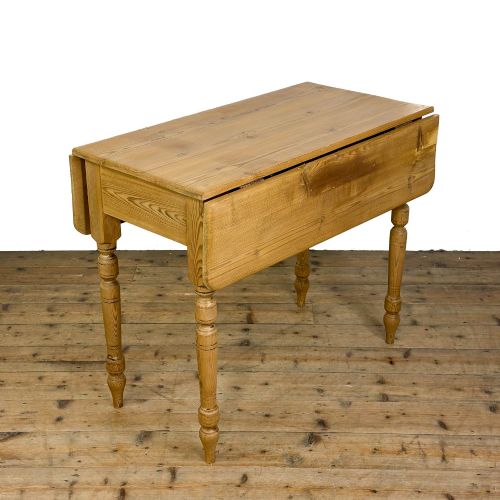
Buyers most frequently encounter pine and oak pieces from the Victorian and Edwardian periods, alongside earlier elm and fruitwood examples. These items include drop-leaf tables, gate-leg designs, and primitive tripod formats built for everyday domestic labour rather than formal display.
Materials and Construction
Cabinetmakers and country joiners utilised native timbers such as oak, pine, elm, ash, and fruitwood, often joining boards with pegged construction or simple turnings. Surfaces show the marks of hand tools, adzes, and lathes rather than mechanised production.
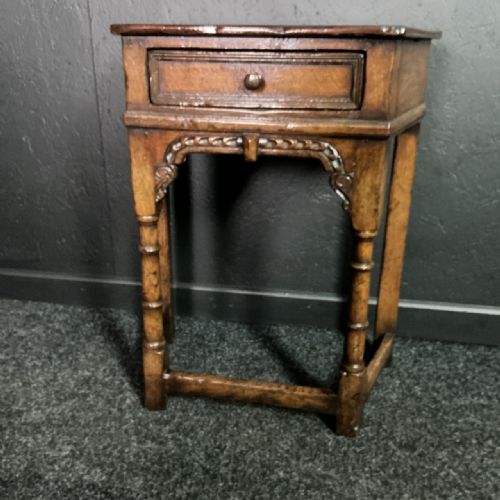
Secondary materials such as brass fittings, iron fixings, and simple paint finishes appear on specific pieces, while structural elements rely on robust joints like bobbin turnings, gate legs, and tripod legs.
Several small tables come equipped with hidden drawers for stashing nineteenth-century grocery lists.
Judging Quality and Character
Quality rests in the integrity of the timber and the directness of the joinery, where the grain of the oak, elm, or pine dictates the visual weight of the object. Pieces that retain their original pegged construction and unthinned table tops hold greater integrity.
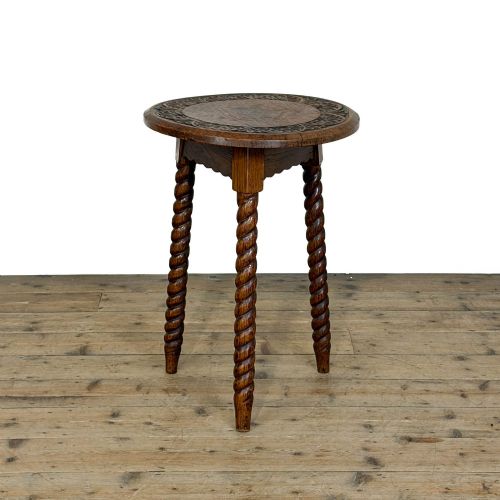
The distinction between a humble utility piece and a finer country example lies in the subtlety of the leg turnings, such as bobbin or tripod configurations, and the balanced proportions of small side and kitchen tables.
The Small Rustic Wooden Table Glossary
- Cricket table
- A small three-legged wooden table traditionally used beside the hearth. The design ensures stability on uneven flagstone floors.
- Gate-leg table
- A drop-leaf table with hinged flaps supported by legs that swing out like a gate. This allows the surface to fold down when not in use.
- Pegged construction
- A method of joining timbers using wooden dowels or pins rather than metal nails. It allows wood to expand and contract naturally with humidity.
- Bobbin turned
- Formed on a lathe to create a series of rounded, spool-like shapes along the length of a furniture leg or stretcher.
- Tripod table
- A small table standing on three legs connected to a central pillar, offering stable support on uneven domestic floors.
Small Rustic Wooden Table: Frequently Asked Questions
What rooms suit a small rustic wooden table?
These compact pieces fit easily beside seating in a living room, function as bedside stands, or serve as occasional surfaces in hallways.
Their domestic scale and honest timber construction allow them to integrate smoothly into both modern and traditional interiors without dominating the floor space.
How do I care for antique pine and oak?
Keep wooden surfaces away from direct heat sources and sudden humidity changes to prevent the timber from splitting. Regular dusting and occasional application of appropriate wax maintain the finish.
Avoid excessive moisture on unsealed or painted surfaces during routine cleaning.
What is the difference between oak and pine country tables?
Oak provides a dense, heavy structure with prominent grain patterns, frequently seen in earlier pieces from the eighteenth and early nineteenth centuries. Pine offers a lighter, softer alternative that was widely adopted for painted or scrubbed kitchen furniture during the Victorian era.
Both timbers were chosen for availability and utility rather than luxury.
How can I tell an older table from a later revival?
Examine the underside and joints for tool marks, hand-cut pegs, and the natural wear patterns associated with daily use over generations. Machine-cut screws, uniform modern timber milling, and applied artificial distress indicate later production or revival styles.
Genuine pieces carry the minor irregularities of hand manufacture.