

Small Painted Portrait
A small painted portrait distils a likeness into the palm of your hand, offering an intimate connection to sitters from centuries past.
Small Painted Portrait
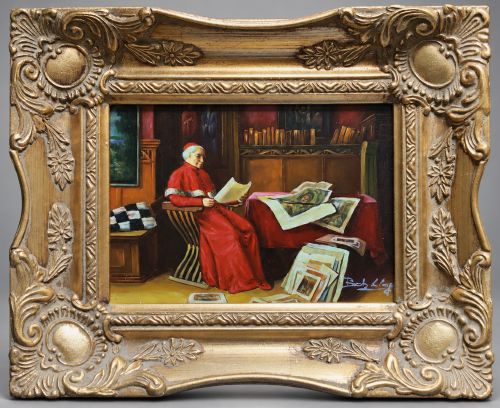
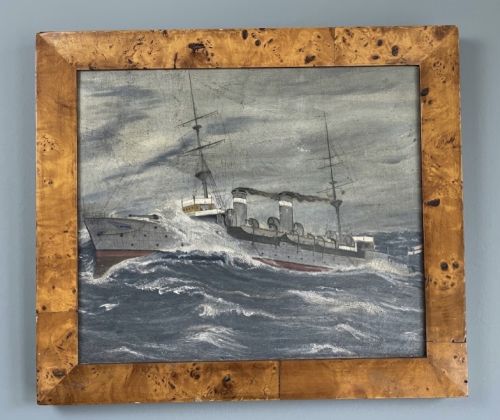
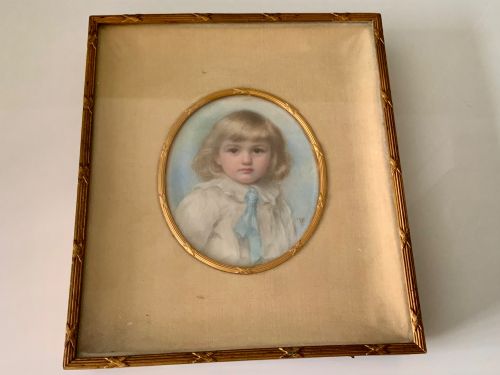
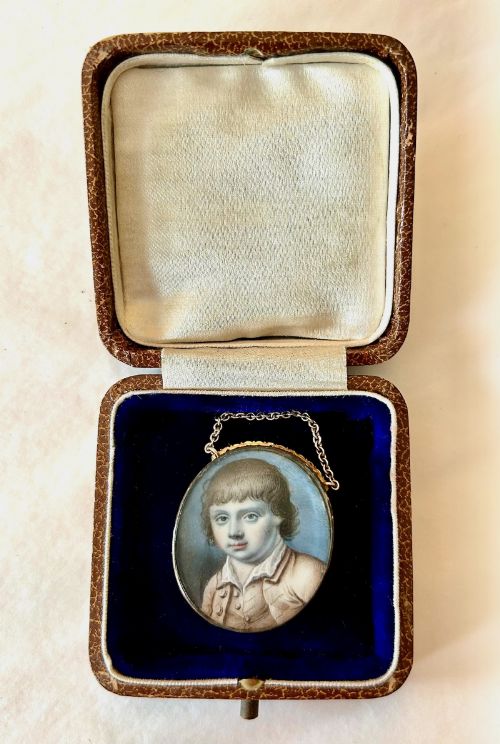
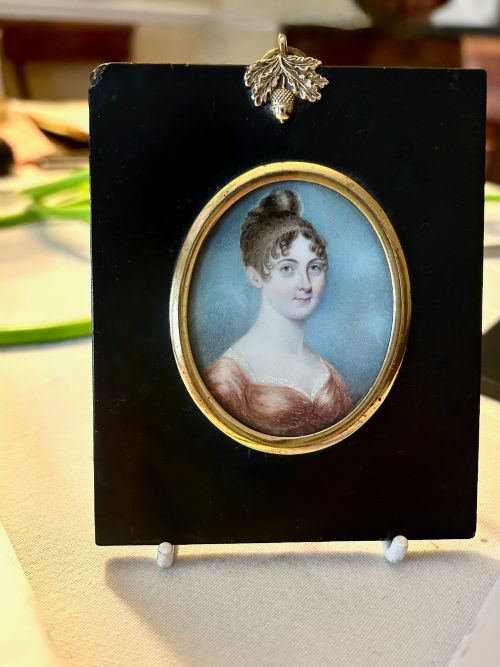
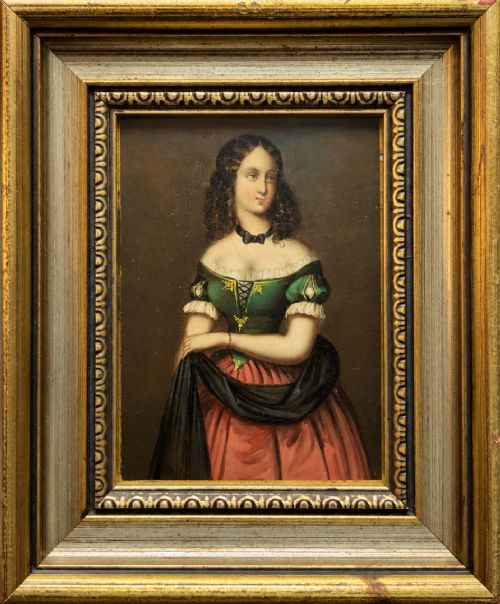
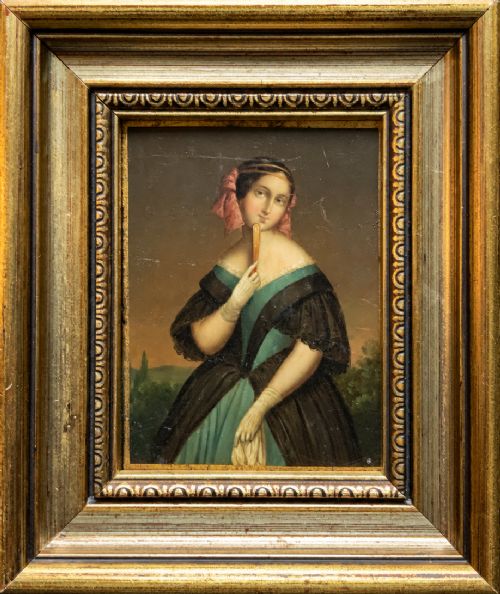
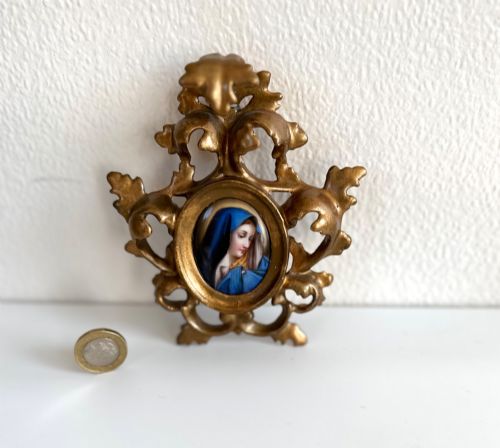
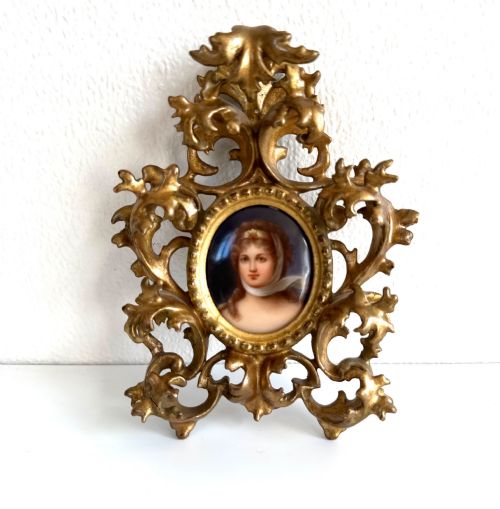
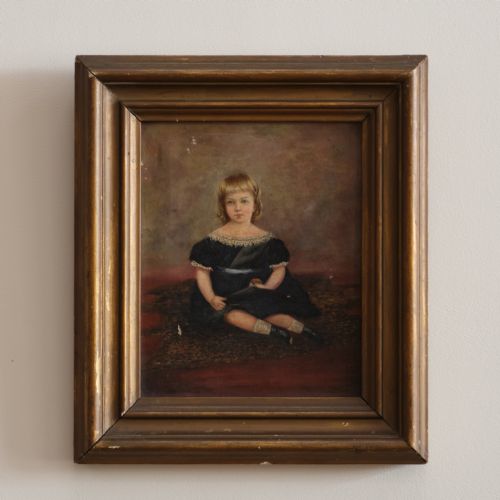
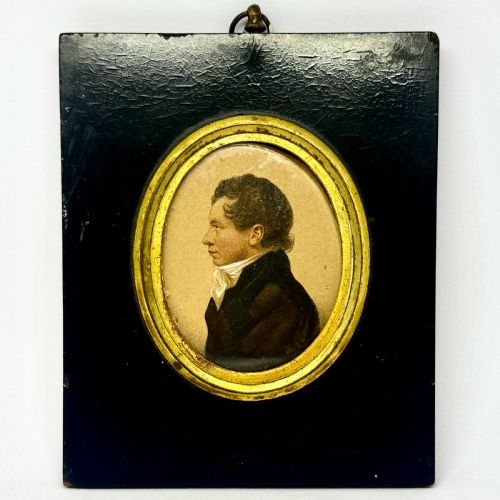
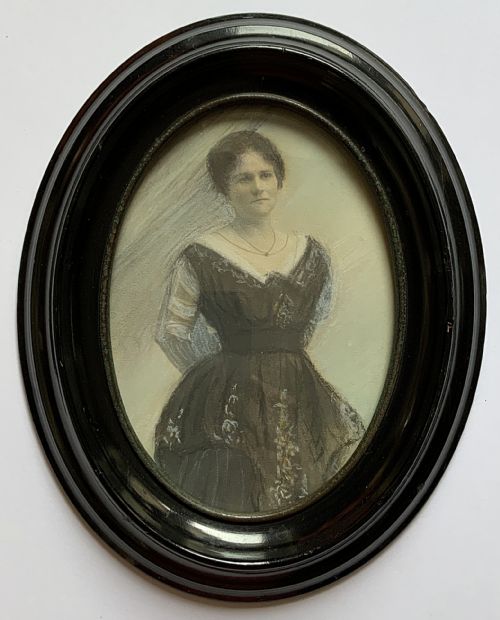
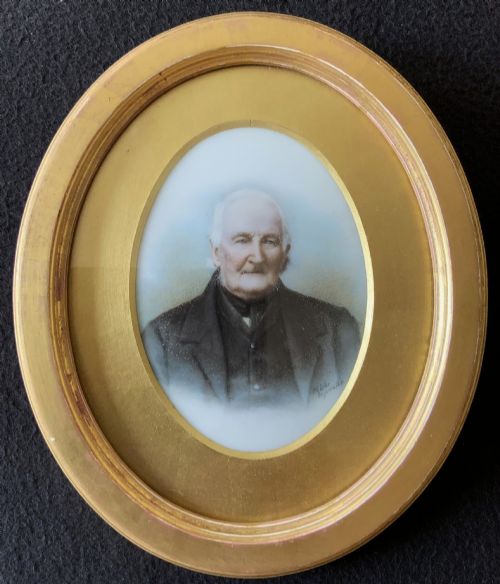
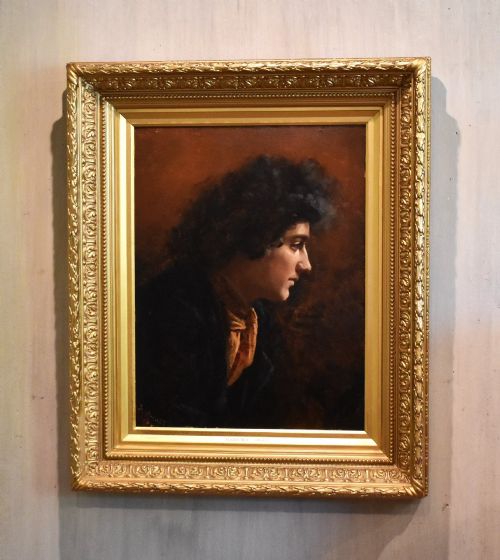
A small painted portrait presents a miniature likeness, most frequently rendered in watercolour, oil, or gouache on ivory, paper, or panel. These intimate works span several centuries, with particular strength in pieces from the Georgian, Regency, and Victorian eras.
The subjects range from formally dressed ladies and gentlemen to children, animals, and notable historical figures like Napoleon. Buyers frequently encounter oval formats designed to be hung on a wall or housed in a protective travelling case.
Many examples capture the distinct fashion and hair styling of their decade, providing a visual record of past society on a diminutive scale. The survival of these works often depends on the protective casing they have retained since creation.
Materials and Construction
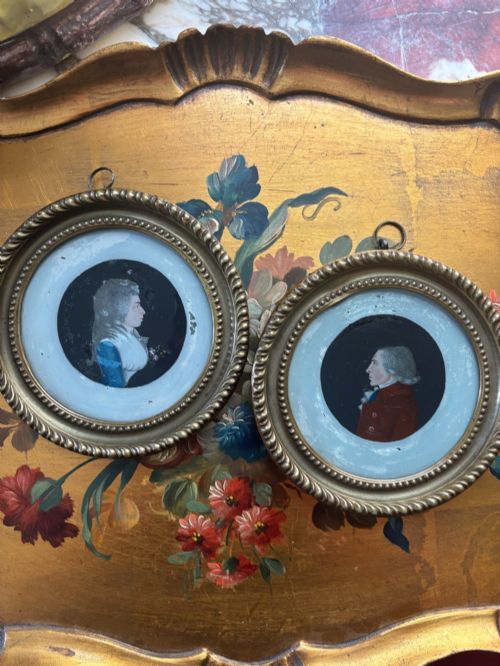
Artists painted these delicate works using fine sable brushes, applying watercolour and gouache onto thin sheets of ivory or paper, or oil paints onto wood panels, canvas, and glass. The support material largely dictates the luminous quality of the finished image.
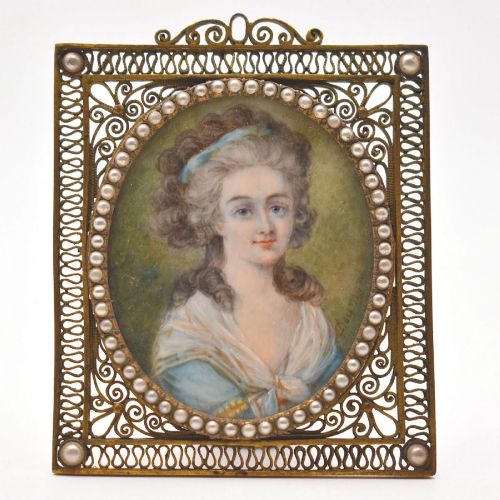
Frames play a crucial role in construction, utilising ebonised wood, gilt metal, brass, and heavy Hogarth mouldings to protect the delicate painted surface. Convex glass often covers the miniature to shield the pigment from dust and moisture.
Small Painted Portrait Retail Price Guide 2026
Typical asking prices for small painted portrait among the pieces listed under this phrase on Sellingantiques today, from the lower quarter to the upper quarter. They describe what is for sale here now, not the wider market.
Listings feature works spanning the seventeenth, eighteenth, nineteenth, and twentieth centuries, executed in watercolour, oil, and gouache.
Judging Quality and Execution
The quality of the housing matches the artwork, with original gilt metal mounts, seed pearl embellishments, and intact ebonised frames elevating the desirability of the piece. Signatures from recorded artists or period attributions add significant weight to the evaluation.
Florence Small·Dumont·George Hargreaves·Emma Kendrick·Isaac Wane Slater
The Small Painted Portrait Glossary
- Miniature painting
- A small-scale portrait executed with meticulous detail, often requiring magnification during creation. These works were frequently commissioned as tokens of affection or remembrance.
- Ebonised wood
- Timber treated to imitate ebony, producing a dense black finish popular for nineteenth-century picture frames. This dark border creates a sharp visual contrast with the painted subject.
- Gouache
- An opaque water-based paint that provides solid areas of colour and highlights in miniature works. It is frequently combined with transparent watercolour to create depth.
- Reverse painted on glass
- A technique where the artist paints directly onto the rear surface of the glass, so the image is viewed through the transparent front. This method protects the pigment from atmospheric damage.
- Ivory support
- A thin slice of elephant ivory used as a painting surface for its luminous undertone. This material imparts a natural glow to painted flesh tones.
Small Painted Portrait: Frequently Asked Questions
How were small painted portraits displayed originally?
These intimate works were designed to be carried in pockets, worn as pendants, or hung closely together on small parlour walls. Their modest scale allowed owners to keep likenesses of family members near during travel.
Many featured folding leather cases or stands made from gilt metal and brass to protect the delicate surface when placed on a desk or table.
What materials were used for the painting surface?
Artists utilised thin slices of ivory, paper, card, wood panels, canvas, and glass depending on the period and technique. Ivory was particularly favoured for its ability to simulate the luminosity of human skin.
Watercolour, gouache, and oil paints served as the primary mediums, applied with extremely fine brushes to achieve remarkable detail on a tiny canvas.
How can I date a portrait miniature?
Clothing, hairstyles, and framing styles provide the most reliable clues for dating these works. High collars, specific bonnets, and empire silhouettes accurately point to Regency or Georgian origins.
The materials of the frame and backing, such as ebonised wood or convex glass secured with brass bezels, also help narrow down the decade of creation.
Are these portraits usually signed by the artist?
Many miniature paintings remain unsigned because artists viewed them as commercial work or because signatures were obscured by framing. When signatures do appear, they are typically written discreetly along the edge of the painted surface.
Unsigned works are frequently attributed to particular schools or periods based on handling style, pigment use, and framing characteristics.