

Small Painted Cupboard
A small painted cupboard brings functional storage and decorative charm to compact spaces, spanning centuries of regional styles and hand-finished surfaces.

Small Painted Cupboard
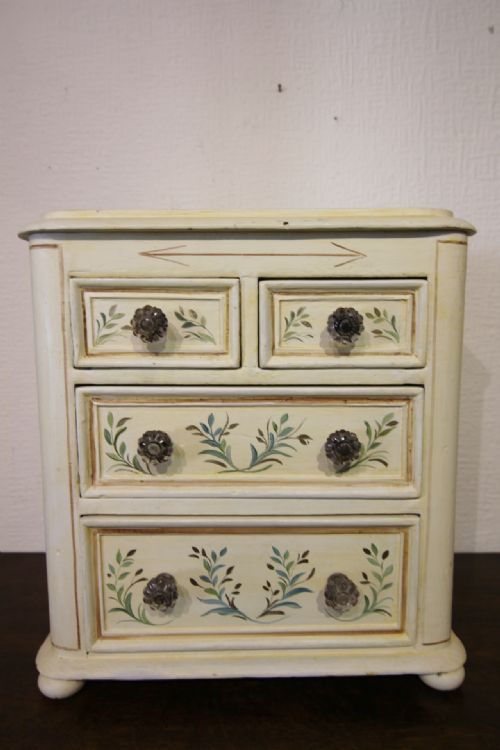
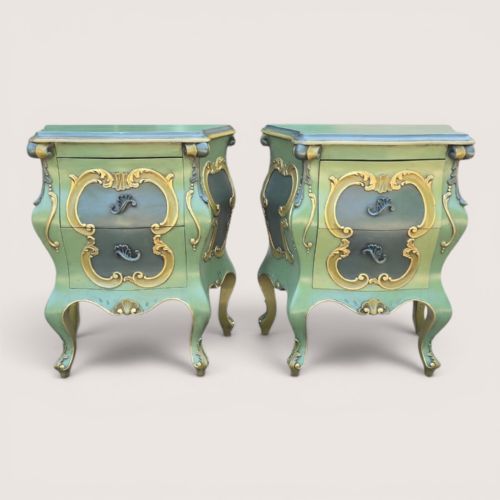
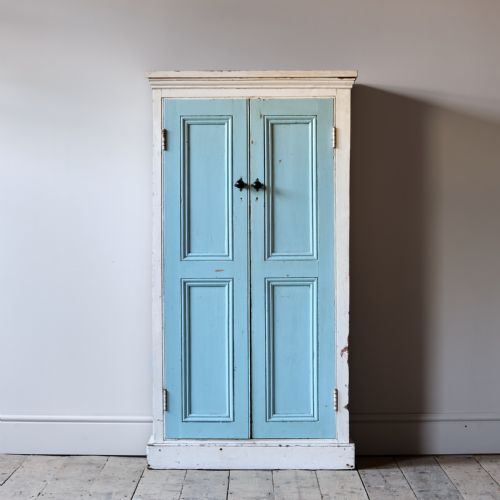
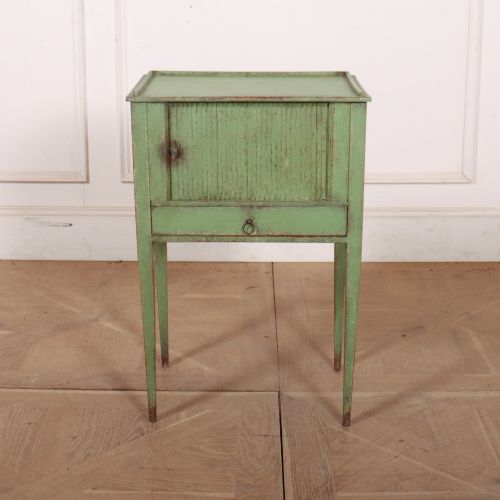
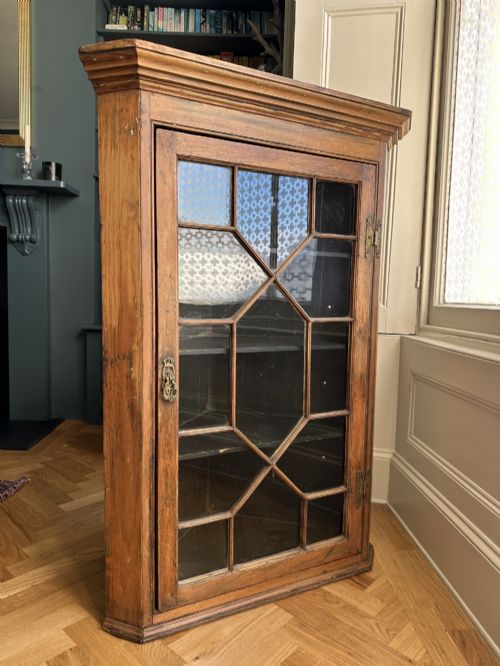
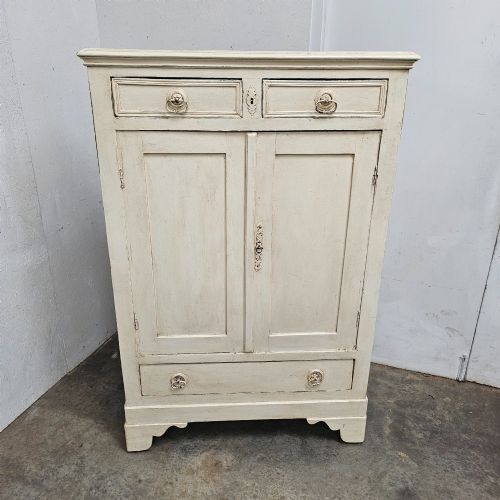
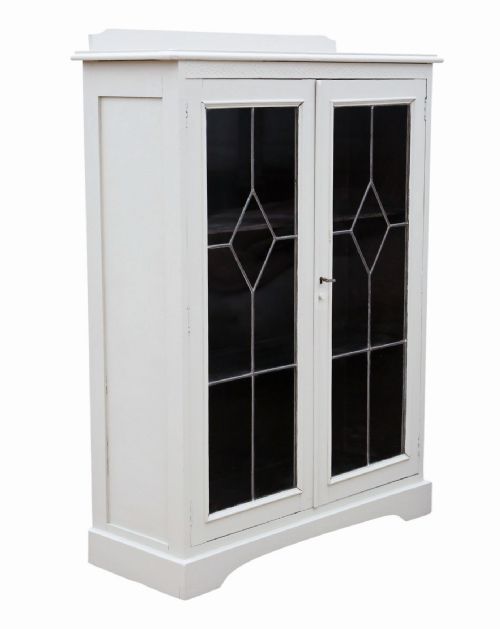
A small painted cupboard is a compact storage piece designed to hold household goods, linens, or specialised items while adding colour and pattern to a room through its finished surface. These items range from wall-mounted units and corner cabinets to bedside chests and miniature dressers.
The versions most commonly found across these listings span the eighteenth through the early twentieth centuries, drawing on English, French, Italian, and Scandinavian country traditions. Regional workshops produced these functional pieces in native timbers before applying layered pigments, lacquers, or decorative motifs.
Buyers seek these items for their portability and distinct visual character, which stems from original painted finishes or aged patination. Whether configured as a hanging corner cupboard or a low bedside cabinet, each object serves as a tangible record of domestic utility from past eras.
How they were made
Makers constructed these cabinets primarily using native softwoods and hardwoods like pine, oak, and maple, joining panels with traditional methods suited to domestic furniture production. Iron and brass hardware, including hinges, latches, and drawer pulls, secured the doors and added functional detail.
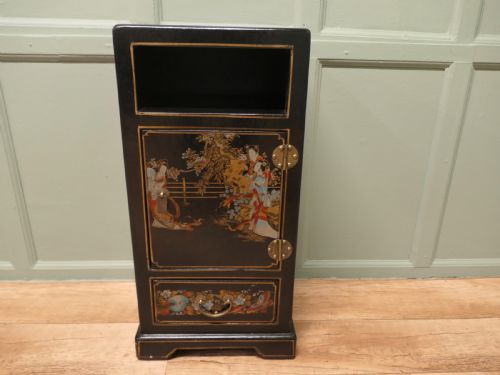
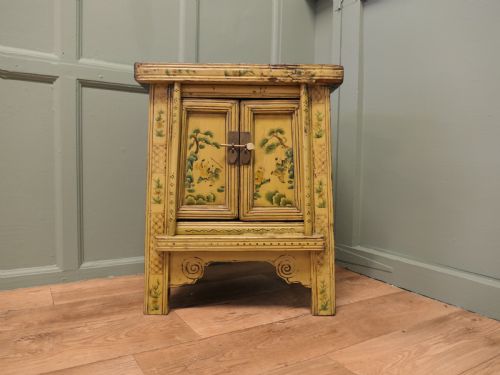
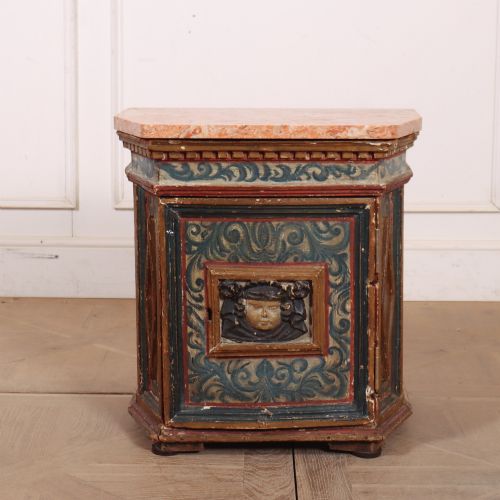
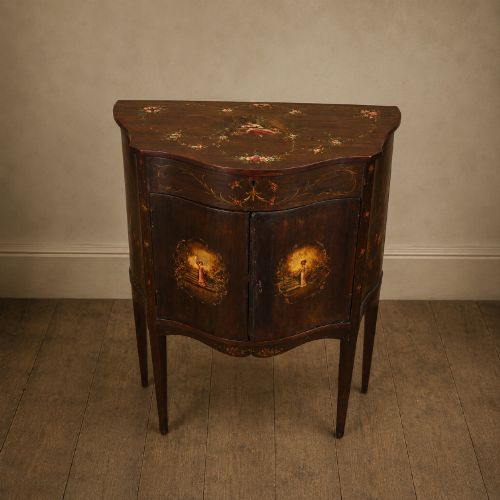
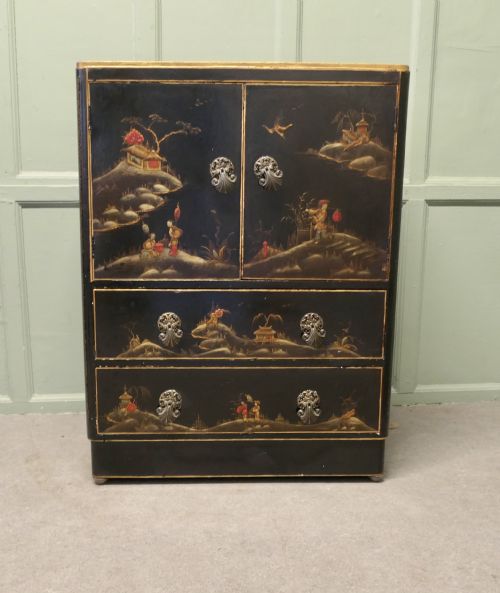
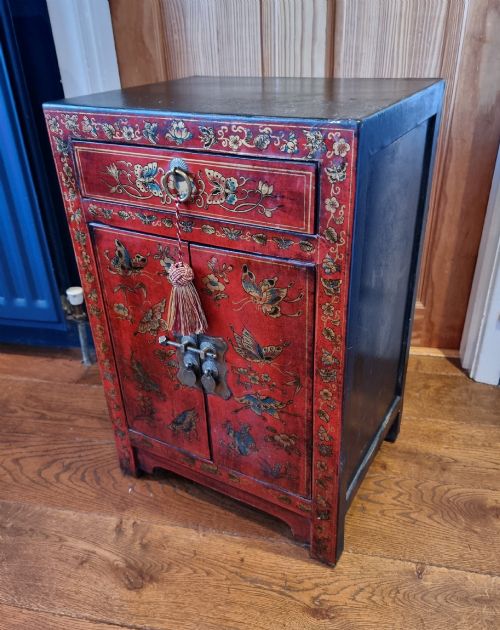
Surface decoration involved applying multiple coats of paint, distemper, or lacquer directly to the timber, often incorporating hand-painted motifs, Chinoiserie designs, or giltwood accents. Over decades of use, these painted layers developed distinctive craquelure and wear that define the tactile quality of each piece.
Small Painted Cupboard Retail Price Guide 2026
Typical asking prices for small painted cupboard among the pieces listed under this phrase on Sellingantiques today, from the lower quarter to the upper quarter. They describe what is for sale here now, not the wider market.
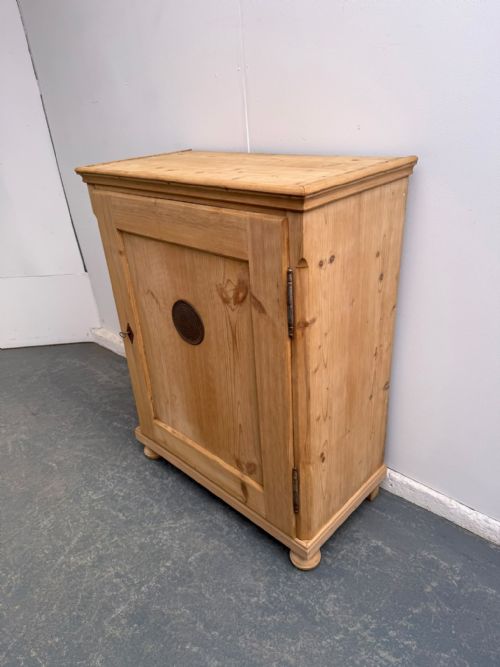
Listings feature pine as the dominant timber across nineteenth-century regional cupboards, accompanied by specialised items in maple, oak, and satinwood.
What varies in quality
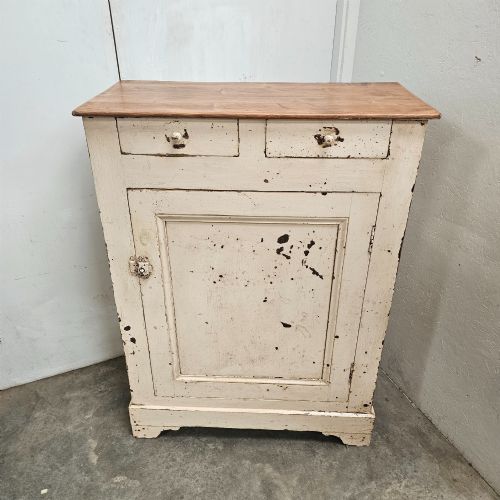
The distinction between standard utility items and finer examples often rests on the integrity of the original surface and the sophistication of the decorative work. Pieces featuring untouched regional paint or delicate hand-painted Chinoiserie show a higher artistic ambition than later or heavily restored surfaces.
Structural joinery and the selection of timber also divide the ordinary from the exceptional, with well-proportioned mouldings and original brass or iron hardware indicating careful workshop production. The survival of interior elements, such as original shelving, drawers, or painted interiors, further elevates a piece's historical integrity.
Maple and Co.·Melissa White
The Small Painted Cupboard Glossary
- Chinoiserie
- European decorative style inspired by Chinese art and traditions, featuring motifs such as figures, pagodas, and landscapes rendered in paint or lacquer. This aesthetic appears frequently on eighteenth and nineteenth-century cabinets.
- Apprentice chest
- A small-scale model of a piece of furniture created by a craftsman to demonstrate skill or as a travelling salesman's sample. These miniature chests mirror the construction details of full-sized furniture.
- Confiturier
- A French jam cupboard traditionally used for storing preserves and provisions in domestic kitchens. These low cabinets typically feature a single door above a small drawer.
- Demi-lune
- A half-moon or semicircular shape applied to the front profile of side tables and cabinets. This design allows the furniture to sit flush against a wall while offering a curved facade.
- Giltwood
- Timber that has been coated with a thin layer of gold leaf or metallic gilt paint. This technique highlights carved details on decorative side cupboards and display pieces.
Small Painted Cupboard: Frequently Asked Questions
Where were small painted cupboards placed?
These compact cupboards served versatile roles across domestic interiors, fitting into corners, hanging on walls, or standing beside beds. Their small proportions allowed them to occupy narrow hallways and modest rooms where large furniture could not fit.
Housekeepers and families utilised them to store spices, medical supplies, linens, and personal items close to hand. Today, they continue to function effectively as bedside tables or accent storage in smaller modern spaces.
How do I identify original paint?
Examining the surface under natural light reveals the layered accumulation of age, wear, and pigment fading that distinguishes early finishes from modern repainting. Original paint often shows fine craquelure and softening around handles and edges where hands touched the wood.
Interior surfaces and concealed areas should match the wear patterns and pigment composition of the exterior. Traces of preparatory grounds beneath the top coats further indicate period application rather than later decoration.
What is a corner cupboard?
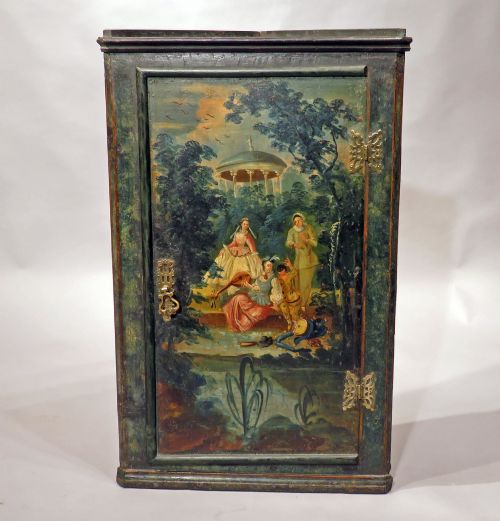
A corner cupboard is a specialised storage unit built with a triangular or angled footprint designed to fit directly into the ninety-degree junction of two walls. These pieces maximise unused floor space in small rooms.
They appear in both freestanding formats and hanging wall variants with single or glazed doors. Eighteenth and nineteenth-century examples often feature decorative painted interiors or shaped shelving to display porcelain.
How do I care for antique painted wood?
Maintaining painted furniture requires protecting the delicate surface from direct sunlight, excess moisture, and rapid temperature fluctuations that can cause timber to move and paint to flake. Dusting should be done gently with a dry, soft cloth without applying modern chemical polishes.
Wax should only be used if the specific finish type permits, as many historic distemper or lacquer surfaces react poorly to commercial products. Preserving the existing patina involves simply maintaining a stable indoor environment.