
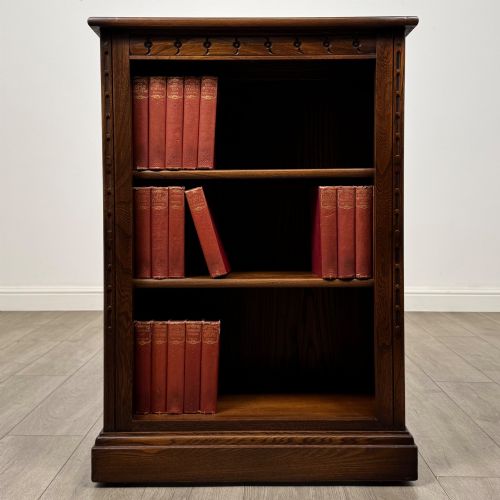
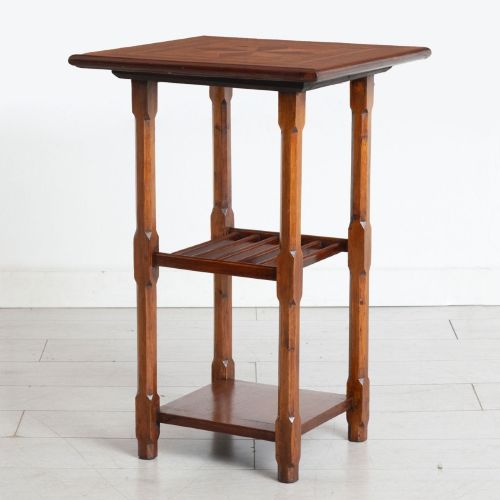
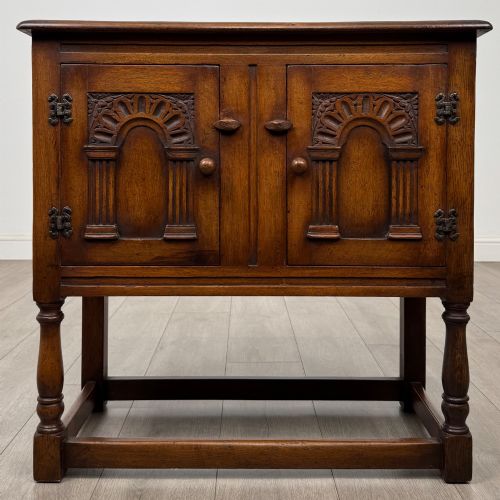
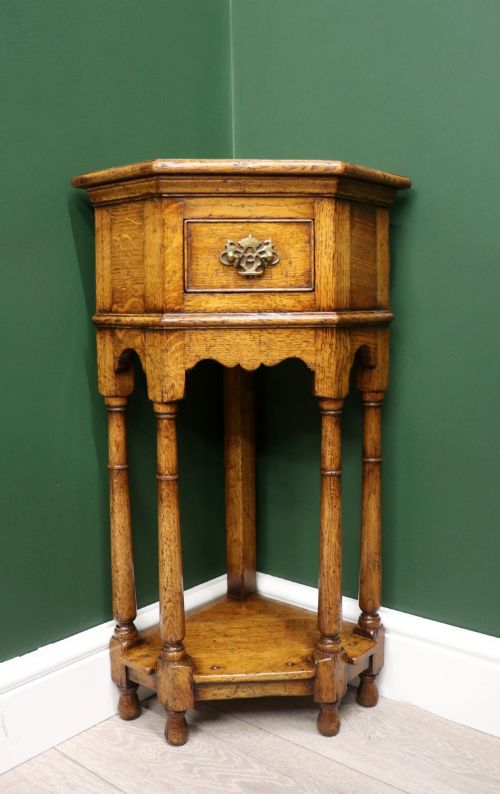


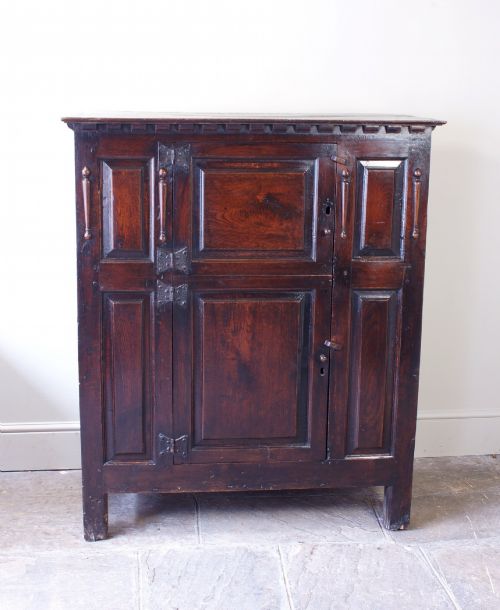

Small Oak Standing Cabinet
These small oak standing cabinet pieces bring timber storage and display to compact spaces through periods spanning the seventeenth century to the twentieth.
Small Oak Standing Cabinet
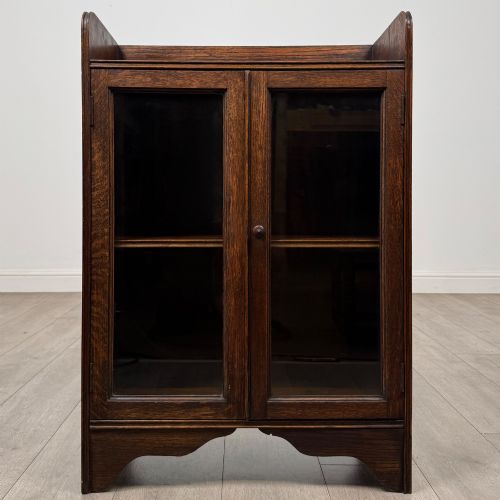
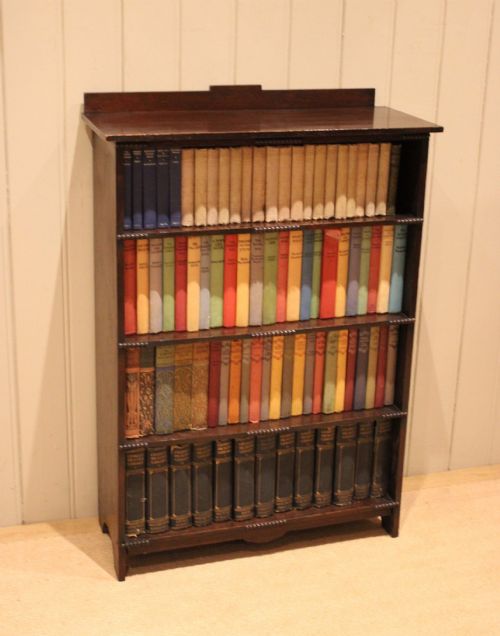
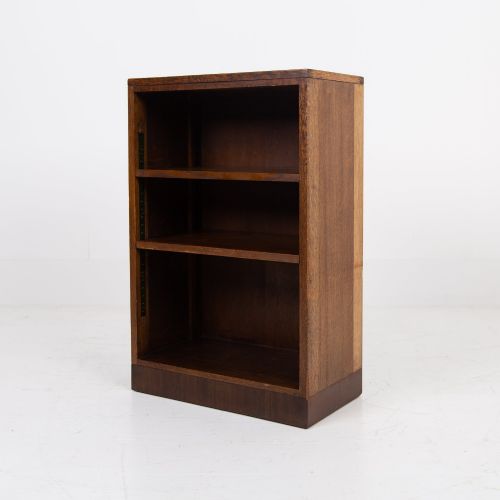
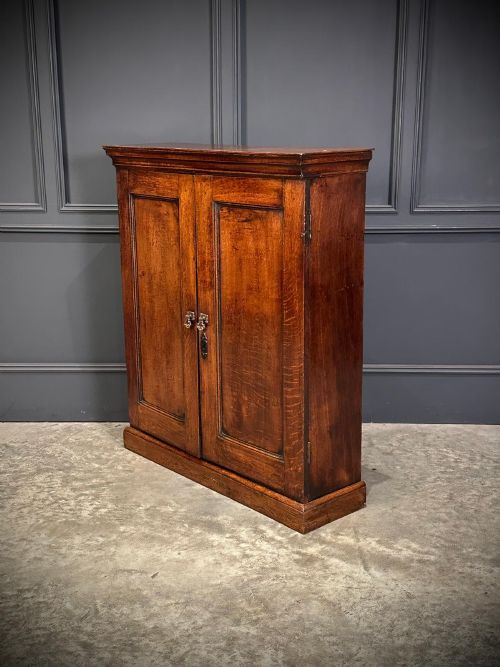
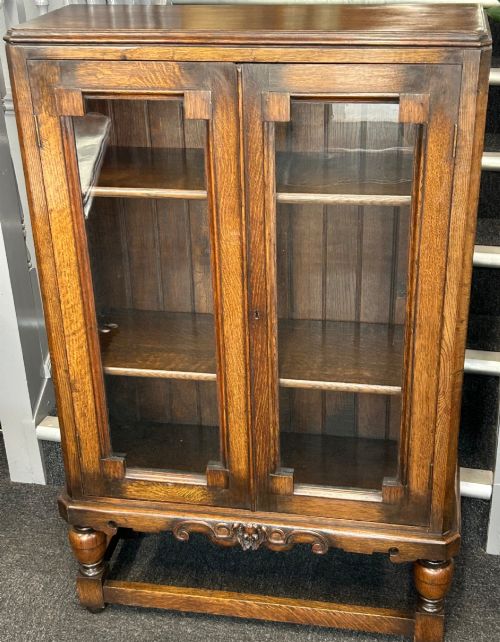
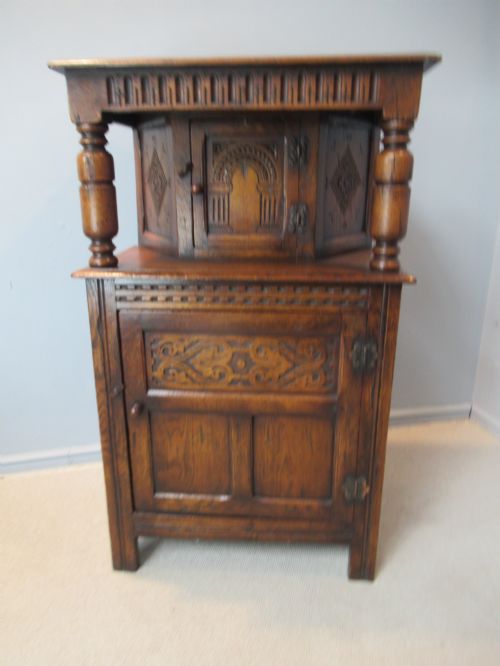
A small oak standing cabinet serves domestic storage needs across various historic styles including Jacobean Revival, Arts and Crafts, and Edwardian design. Buyers encounter forms ranging from floor bookcases and glazed display cabinets to compact side cupboards, music cabinets, and hutch designs.
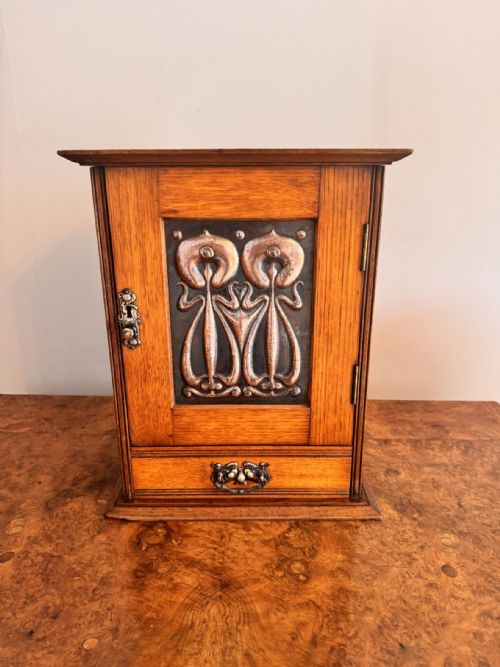
The material record spans centuries, drawing from seventeenth-century beginnings through Georgian formats, Victorian examples, and twentieth-century traditional production. Many pieces utilise dark oak or golden oak timber, occasionally incorporating brass, iron, copper, or glass components.
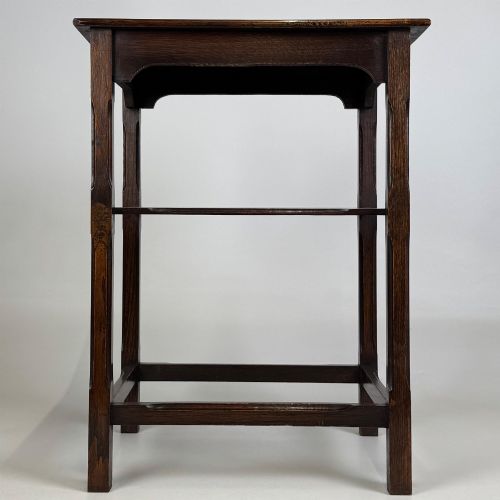
Makers adapted these standing formats for specific interior uses, yielding bedside cabinets, side tables, corner tables, and cupboards on stands. Dimensions remain restricted to small proportions, suiting modest rooms while retaining traditional joinery and timber surfaces.
Factors separating cabinet quality
The standard of carving and surface finish distinguishes ordinary production from finer examples. Crisp execution in applied mouldings, beaded edges, and structural joinery indicates greater workshop skill.
Timber selection and hardware integration also set pieces apart. Dense oak boards with uniform grain and well-fitted brass or iron fittings reflect superior original construction.
Listings feature oak material paired with brass, iron, glass, and copper across Edwardian, Georgian, and seventeenth-century periods.
The Small Oak Standing Cabinet Glossary
- Jacobean Revival
- A nineteenth and twentieth-century style imitating seventeenth-century English furniture. It employs heavy mouldings, geometric panels, and dark oak finishes.
- Glazed cabinet
- A storage unit with glass-panelled doors designed for displaying books or objects. This form protects contents while maintaining visual access.
- Cupboard on stand
- A raised storage box supported by a separate timber frame or legs. This elevated form lightens the visual mass of solid oak furniture.
- Beaded edge
- A narrow rounded moulding run along the corner of a board or shelf. It adds subtle linear detail to plain oak construction.
Small Oak Standing Cabinet: Frequently Asked Questions
Where should I place a small oak standing cabinet?
These compact standing pieces suit hallways, bedrooms, and studies where floor space is limited. Their modest proportions allow them to fit into corners or beside larger furniture without dominating the room.
Position them away from direct heat sources and strong sunlight to protect the oak timber and any historic finishes from drying or fading.
How do I care for antique oak furniture?
Maintain the timber surface by dusting regularly with a soft, dry cloth. Avoid silicone-based polishes, opting instead for traditional beeswax applied sparingly to nourish the grain.
Keep indoor humidity stable to prevent the oak panels from shrinking or warping over time. Environmental control preserves both the structural joints and the original patina.
How can I tell a 17th-century cabinet from a later revival piece?
Examine the construction marks, tool traces, and timber movement visible on the interior surfaces and backboards. Seventeenth-century work typically displays hand- cleft timber and pegged mortise-and-tenon joints.
Later Jacobean Revival pieces from the nineteenth and twentieth centuries show machine-sawn components and more uniform surface wear. Compare the joinery methods against documented examples from specific periods.