






Small Oak Side Stool
These small oak side stools span centuries of timber craftsmanship, offering compact utility and honest joinery for modern interiors.
Small Oak Side Stool
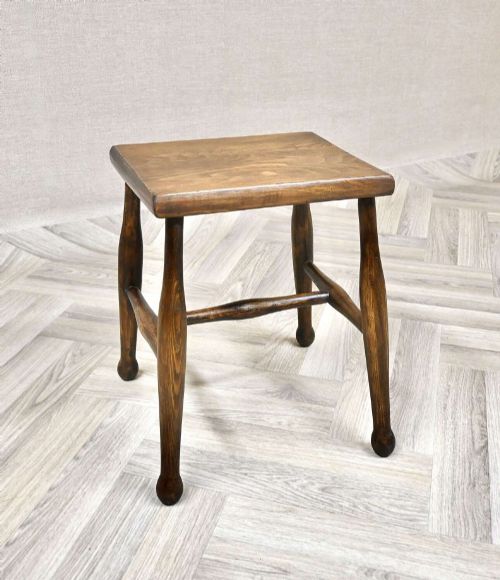
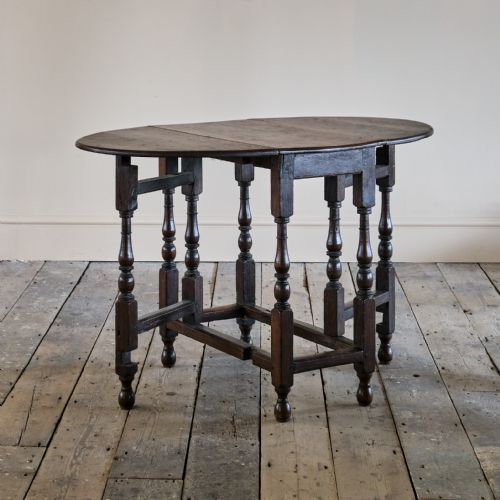
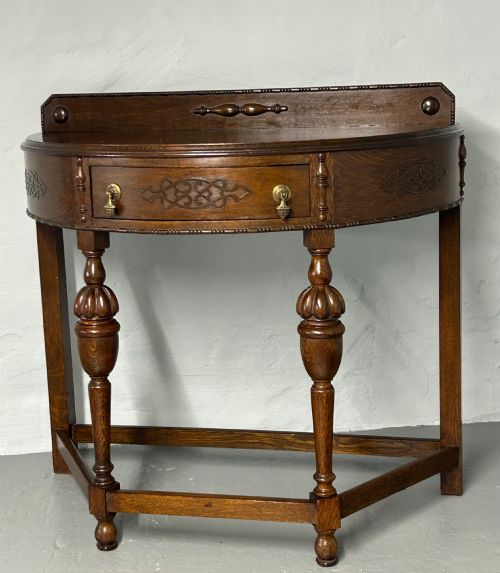
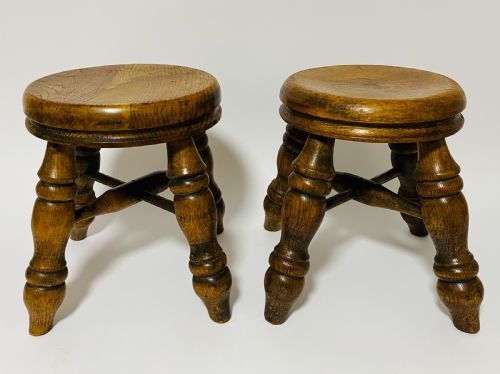
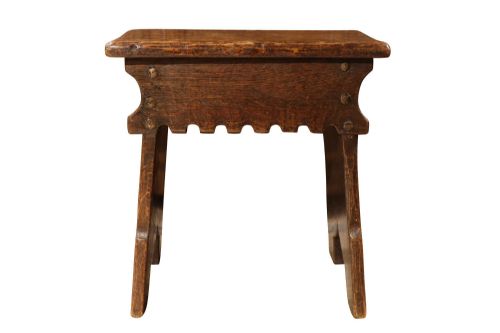
A small oak side stool bridges the gap between practical seating and low occasional surface space, appearing in forms ranging from simple boarded and joint stools to cricket tables and miniature occasional tables. You will encounter pieces spanning the seventeenth century up through the Edwardian era and the nineteen-twenties, reflecting shifting domestic needs over hundreds of years.
The selection includes rustic country and farmhouse examples alongside revival pieces like Jacobean and Arts and Crafts designs. These items frequently double as plant stands, window seats, or compact coffee tables depending on their specific construction and height.
Materials and Construction
Makers relied primarily on English oak, often supplemented by elm, pollard oak, and walnut for specific tops or contrasting elements. Traditional joinery methods such as pegged construction and chip carving define the structural integrity of these pieces.
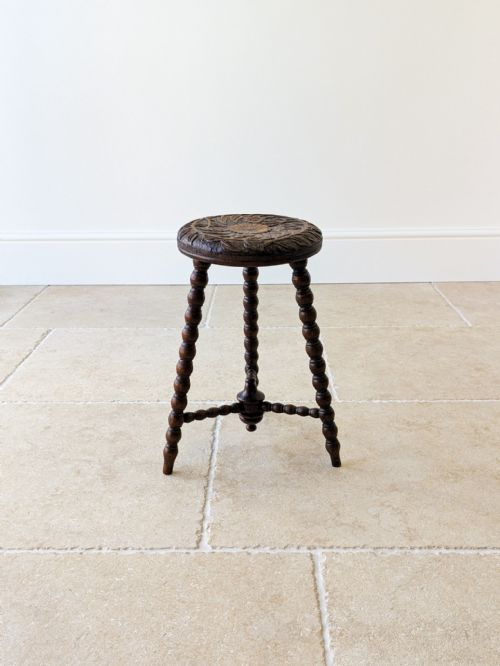
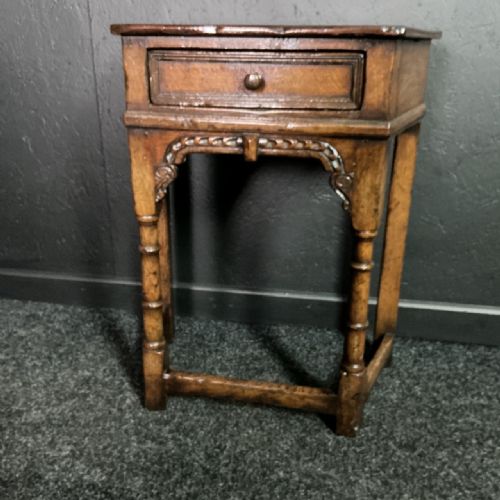
Turned wood legs, bobbin turnings, and rush seats appear across the various periods, showcasing both sophisticated cabinet work and simpler country craft techniques.
Small Oak Side Stool Retail Price Guide 2026
Typical asking prices for small oak side stool among the pieces listed under this phrase on Sellingantiques today, from the lower quarter to the upper quarter. They describe what is for sale here now, not the wider market.
Apprentice pieces were miniature test projects created by ambitious woodworkers hoping to prove their mastery to the guild.
Assessing Quality and Character
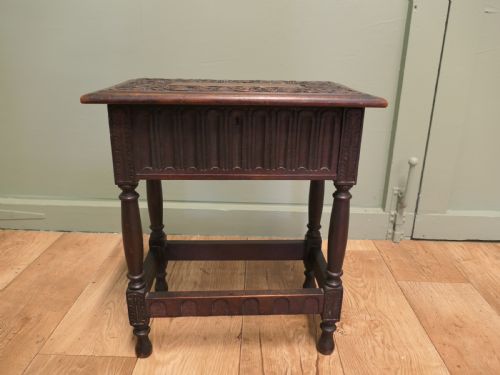
Quality rests in the integrity of the timber selection and the precision of the joints, where pegged assemblies outlast inferior modern fixings. The depth and execution of hand carving, from restrained chip carving to bolder Jacobean motifs, separate standard workshop output from finer examples.
Patina and surface preservation dictate the visual appeal of an antique timber piece. Original finishes and honest wear tell the story of age far better than over-restored surfaces.
Liberty and Co
The Small Oak Side Stool Glossary
- Joint stool
- A sturdy wooden stool constructed with mortise and tenon joints pegged together. These pieces served primary seating roles in early households.
- Cricket table
- A small three-legged occasional table with a wooden top. The design ensured stability on uneven farmhouse floors.
- Pegged construction
- A method of joining timber pieces using wooden dowels rather than metal nails or modern screws. This allows the wood to expand and contract naturally.
- Bobbin turning
- A form of lathe work featuring a series of rounded, spool-like shapes carved along the length of a furniture leg or stretcher.
- Rush seat
- A seating surface woven from dried marsh rushes. This technique provides a resilient and traditional texture for country stools.
Small Oak Side Stool: Frequently Asked Questions
How were small oak side stools used?
These versatile items served multiple domestic purposes throughout history, acting as portable seating near hearths or as raised platforms for heavy items. Their sturdy builds meant they could double as small side tables when the need arose.
In modern spaces, they function brilliantly as plant stands, bedside surfaces, or extra seats that tuck easily beneath larger furniture when not in use.
How can I tell a seventeenth-century stool from a revival piece?
Seventeenth-century examples display tool marks, timber shrinkage, and wear patterns consistent with centuries of actual use. The construction details and specific patination of the oak provide clear clues to the age of the piece.
Revival pieces from the nineteenth and twentieth centuries often imitate earlier Jacobean styles but display machine assistance or different joint tolerances upon closer inspection.
Are these stools strong enough to sit on?
Most antique stools retain their structural rigidity thanks to solid hardwood construction and traditional pegged joinery. However, pieces with delicate turnings or significant timber dry-rot are better suited for display.
Checking the tightness of the joints and the condition of any rush seating will determine whether a specific piece can handle regular weight.