


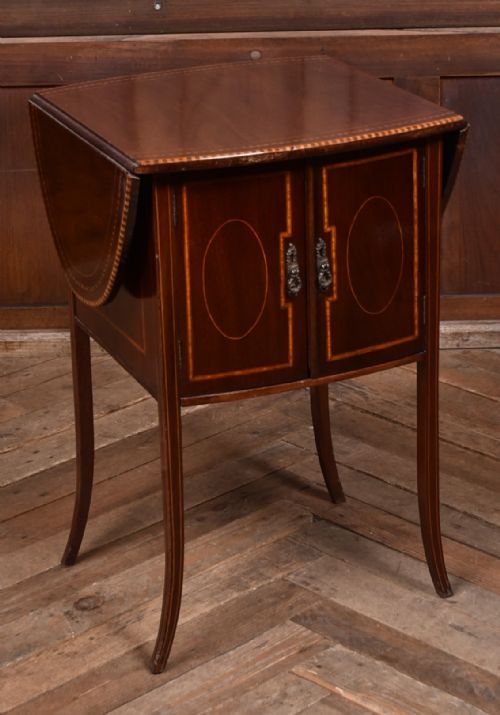

Small Mahogany Pembroke Table
A small mahogany pembroke table offers a clever folding surface for compact rooms, combining drop-leaf utility with refined period timber.
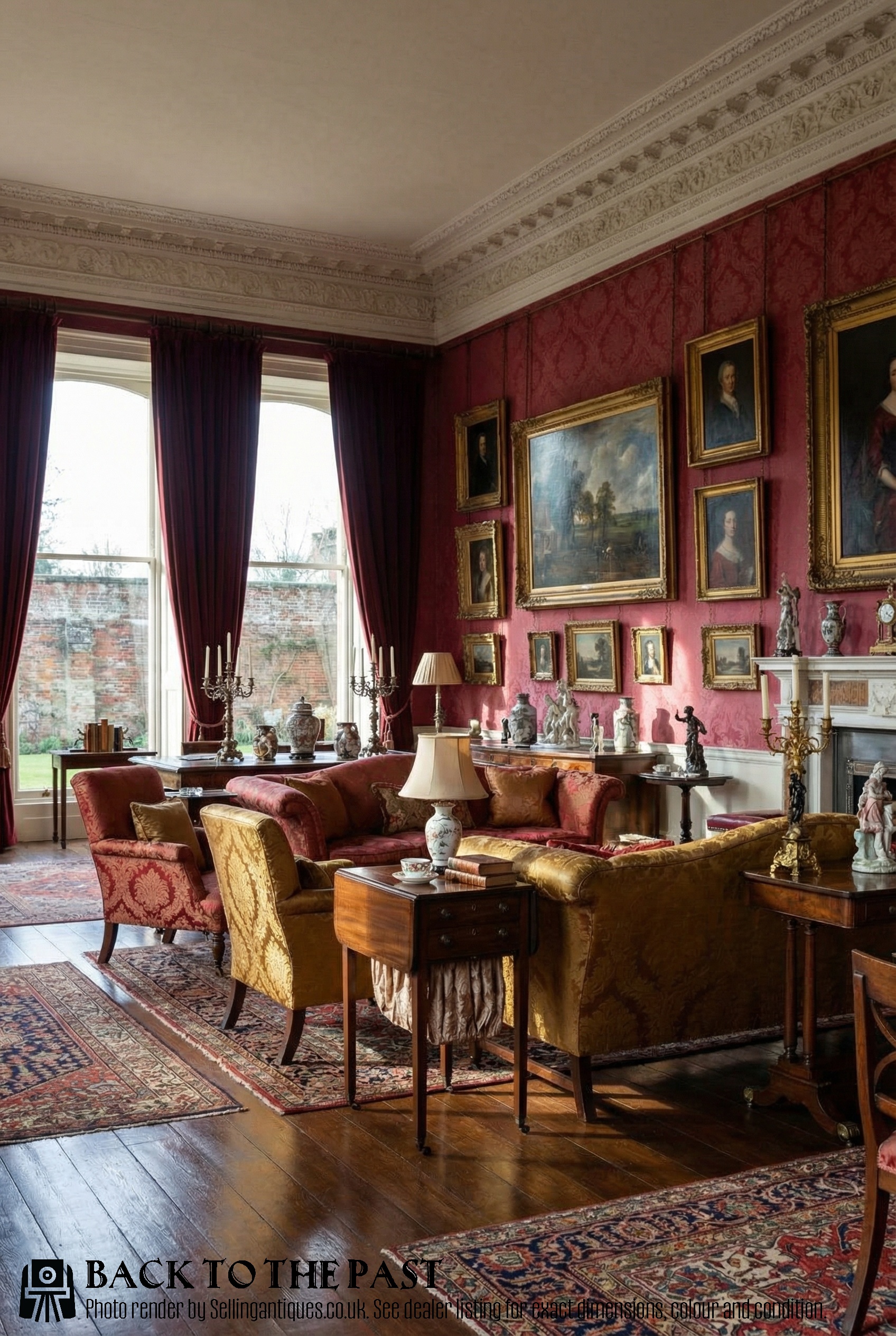
Small Mahogany Pembroke Table
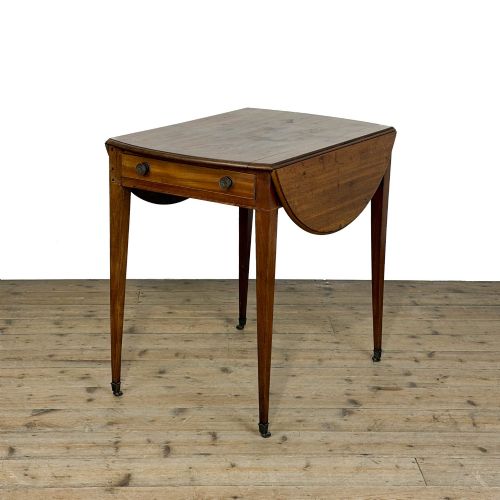
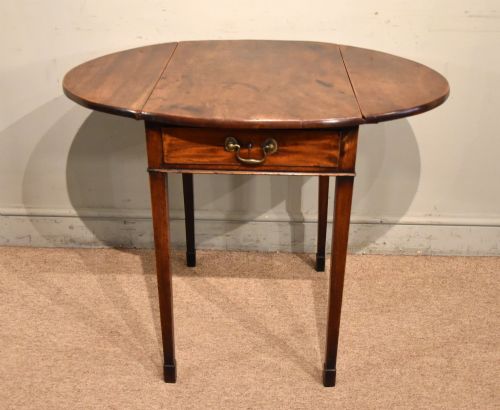
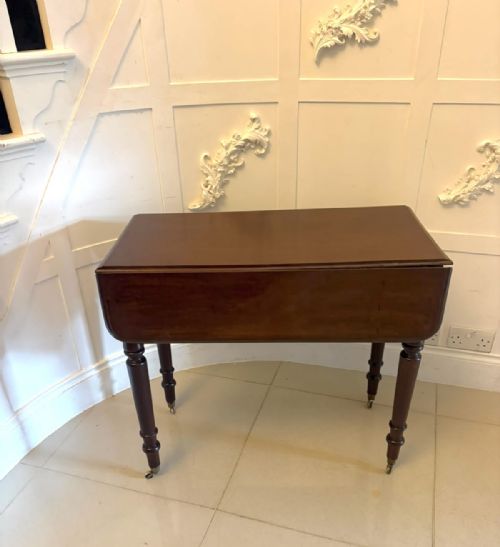
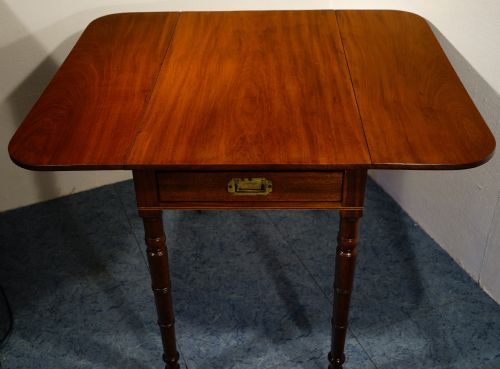
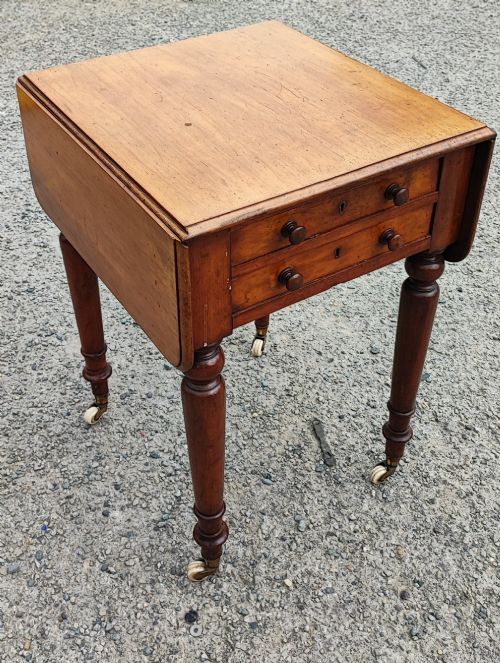
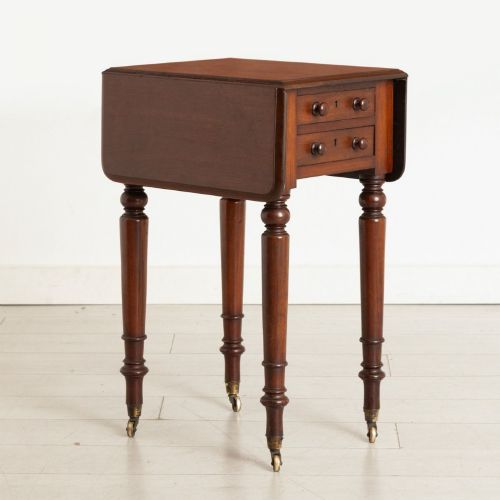
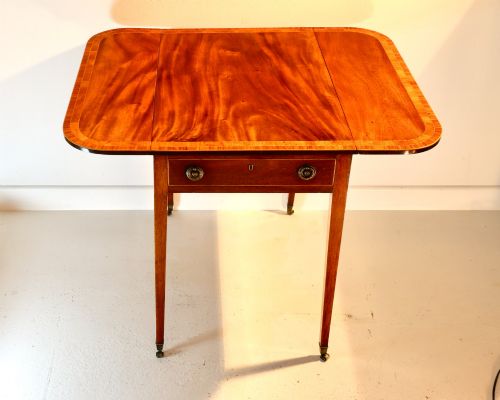
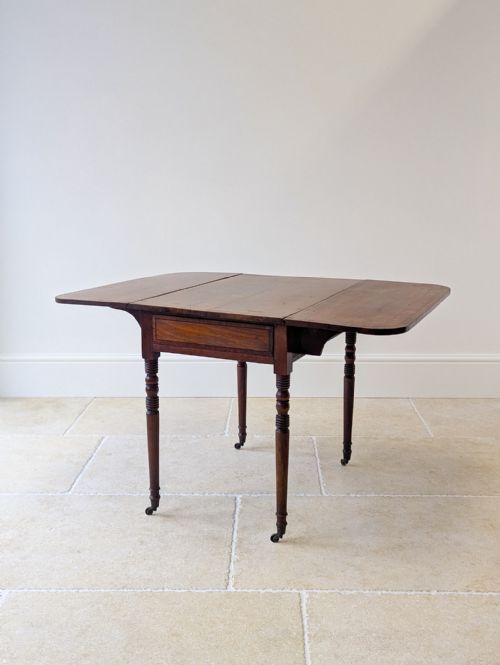
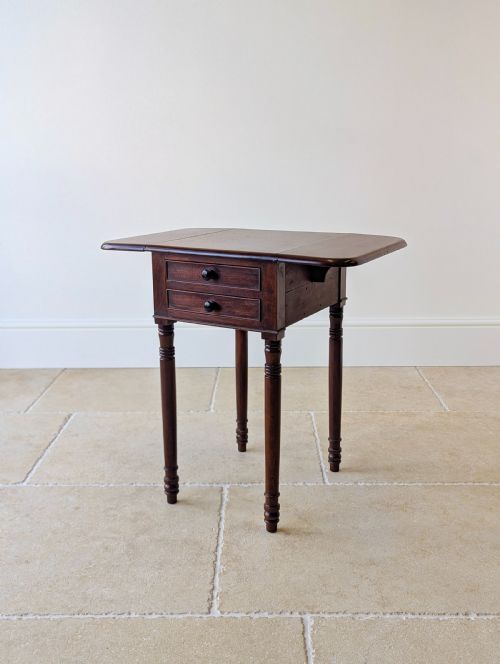
A small mahogany pembroke table is a versatile drop-leaf side or occasional table designed with hinged flaps on two opposing sides to extend its surface when needed. You will find these pieces spanning the Georgian, Regency, and Victorian periods, often featuring turned or pillar legs alongside single or double end drawers.
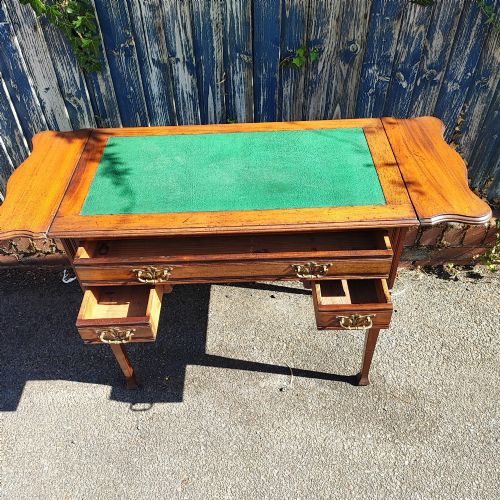
The versions most common on this page date from the eighteenth to the late nineteenth centuries, including compact work tables fitted with internal fabric bags for sewing. They appear in rectangular and oval shapes, functioning easily as small writing desks, lamp tables, or intimate breakfast surfaces.
How they were made
Cabinetmakers built these tables using solid mahogany or rich mahogany veneers laid over secondary timbers, frequently incorporating brass castors on the feet for mobility. Drawers often utilised boxwood inlay or delicate stringing to accent the warm grain of the primary wood.
Structural stability relied on hinged wooden rule joints or gateleg actions that supported the drop-leaf flaps securely when raised. Interior compartments in work tables required precise joinery to house writing slopes or fitted sewing trays.
Miniature versions exist alongside full-sized pieces, offering perfectly scaled tables that were likely apprentice showpieces.
What varies in quality
The calibre of a small mahogany pembroke table rests on the crispness of its joinery, the figuring of the mahogany timber, and the subtlety of any inlay work. Superior examples display careful matching of wood grain across the drop leaves and top, alongside robust hinge mechanisms that keep the flaps level.
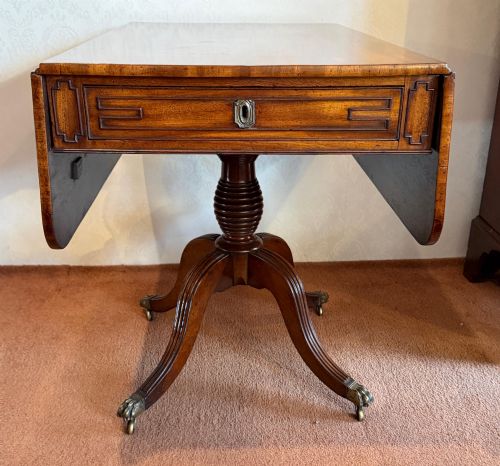
Proportion and hardware also separate standard items from finer pieces, with original brass drawer pulls, well-turned central columns, and slender leg profiles indicating superior workshop production.
Gillows
The Small Mahogany Pembroke Table Glossary
- Pembroke table
- A small table with hinged drop leaves on two sides, typically equipped with a single drawer at one end. It originated in the eighteenth century as a flexible piece of occasional furniture.
- Drop leaf
- A hinged flap attached to the fixed top of a table that folds down when not in use. It is supported by swinging brackets or gatelegs to enlarge the surface area.
- Work table
- A specialised small table fitted with drawers or a hanging fabric bag for needlework and sewing supplies. These pieces were popular throughout the Regency and Victorian eras.
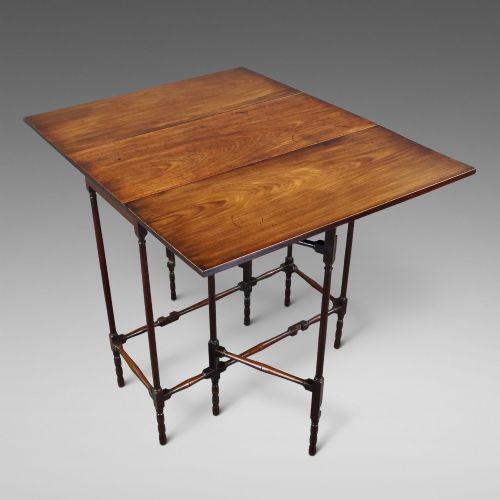
- Spider leg
- A style characterised by exceptionally slender, delicate turned legs braced by thin stretchers. This construction reduces visual weight while supporting small occasional tables.
- Rule joint
- A moulded joint connecting a table top to its drop leaf, designed to hide the hinge mechanism and leave a neat line when the leaf is raised.
Small Mahogany Pembroke Table: Frequently Asked Questions
What is a pembroke table used for?
These tables served primarily as flexible surfaces for occasional dining, writing, or needlework in smaller reception rooms. Their folding leaves allowed owners to tuck them against a wall when floor space was needed.
Over time, people also utilised them as lamp stands or bedside tables, adapting the compact footprint to changing domestic habits.
How do I date a mahogany pembroke table?
Dating relies on observing leg styles, timber choice, and structural details like drawer construction. Georgian examples often display straight or tapered legs with simple brass pulls, while Regency versions favour heavier turned pedestals and brass paw castors.
Victorian iterations frequently introduce bolder proportions and occasionally bleached surfaces or richer inlay, aligning with the aesthetic preferences of the later nineteenth century.
Are drop leaves sturdy enough for dining?
The drop leaves are supported by hinged brackets or swinging legs designed to bear moderate weight such as breakfast settings or tea services. While sturdy, they are not engineered to support heavy downward pressure near the outer edges.
Careful handling of the rule joints ensures the mechanism remains stable and secure during daily use.
How do I care for a mahogany surface?
Maintenance involves dusting with a soft, dry cloth and avoiding placement near direct heat sources or strong sunlight that can fade the wood. Natural wax polishes applied sparingly help preserve the historic sheen of the mahogany.
Moisture should be wiped away promptly to protect the timber grain and prevent water marks on the polished top.