
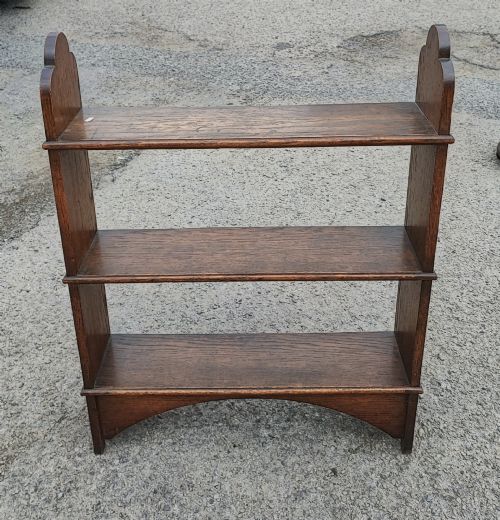
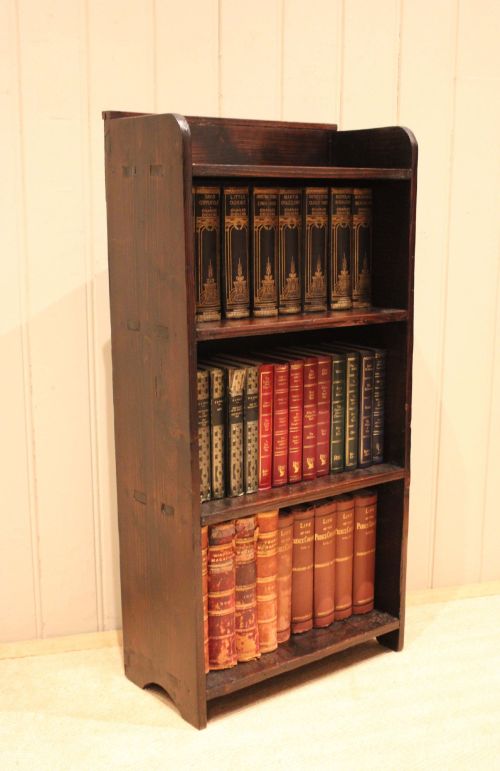
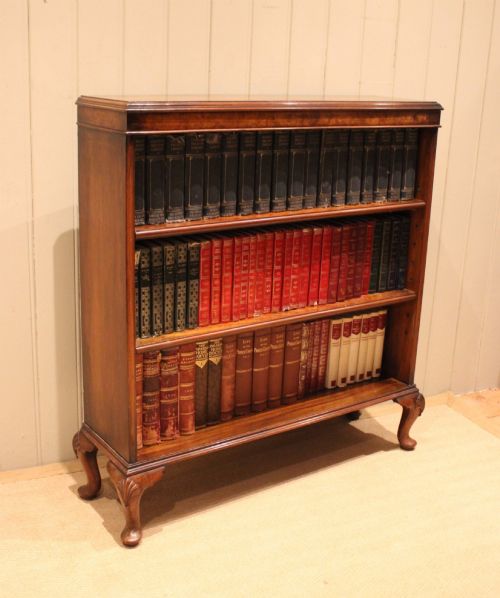
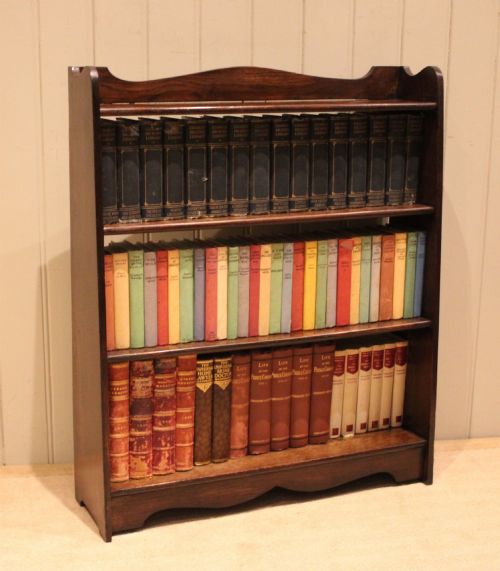
Small Low Open Bookcase
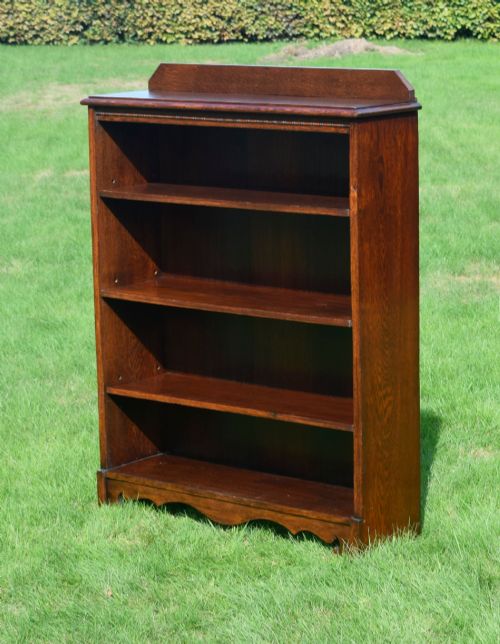
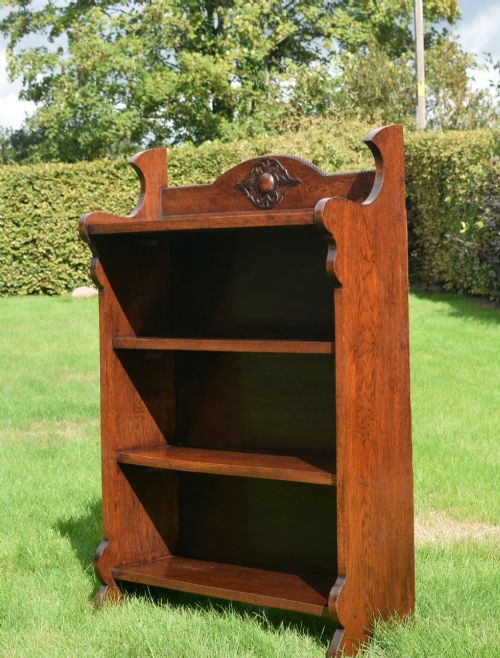
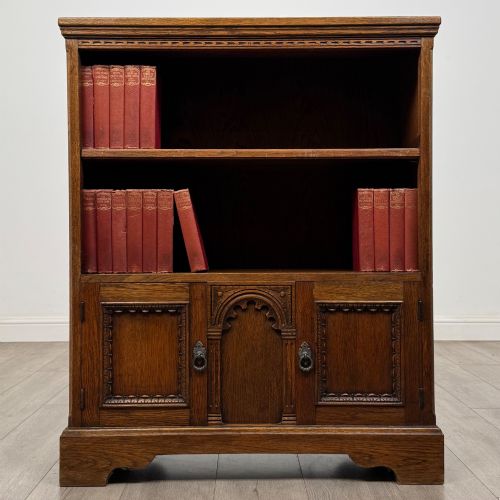
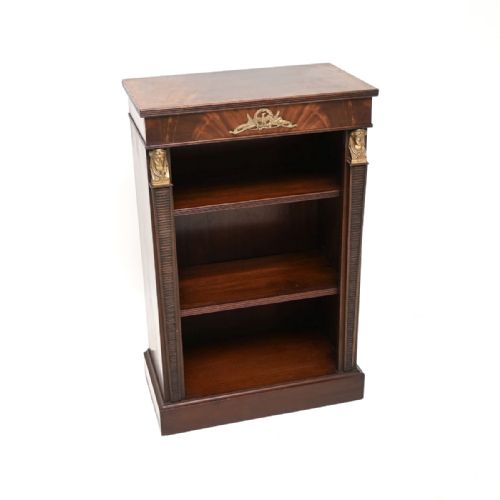
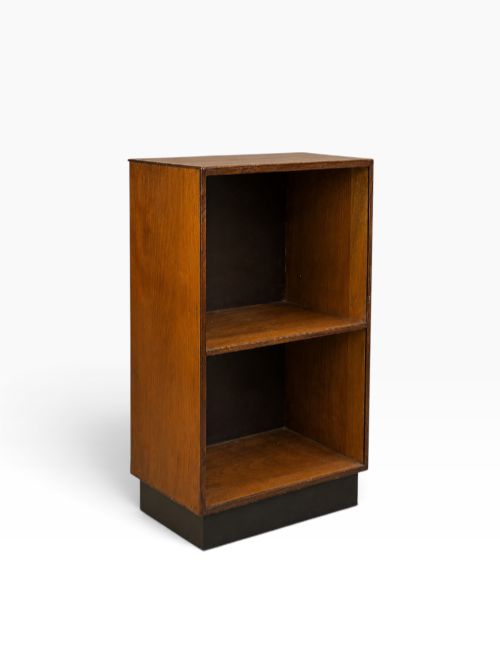
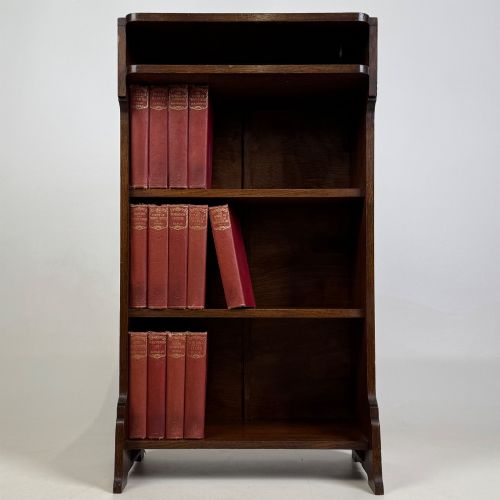
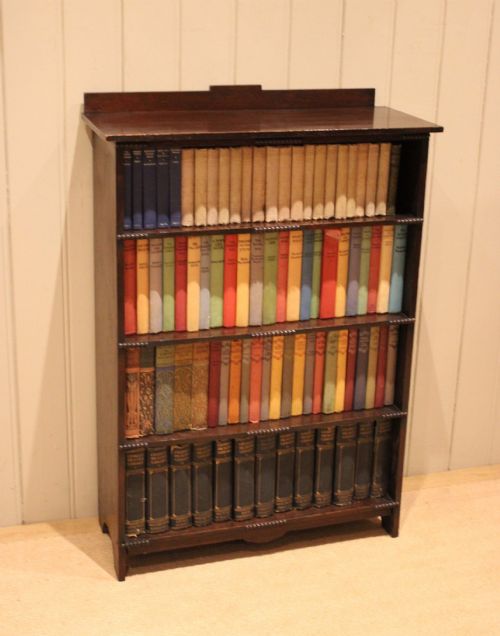
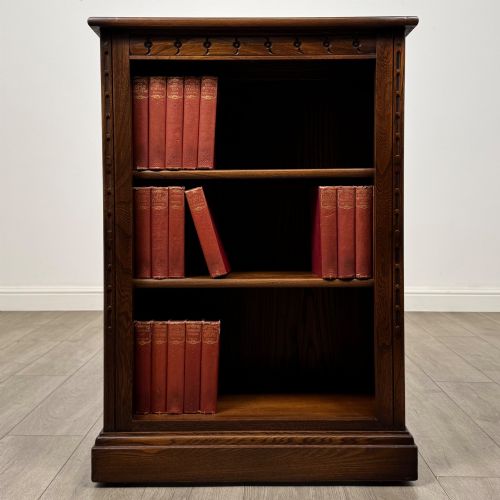
A small low open bookcase is a compact and accessible shelving unit designed for rooms with limited wall space.
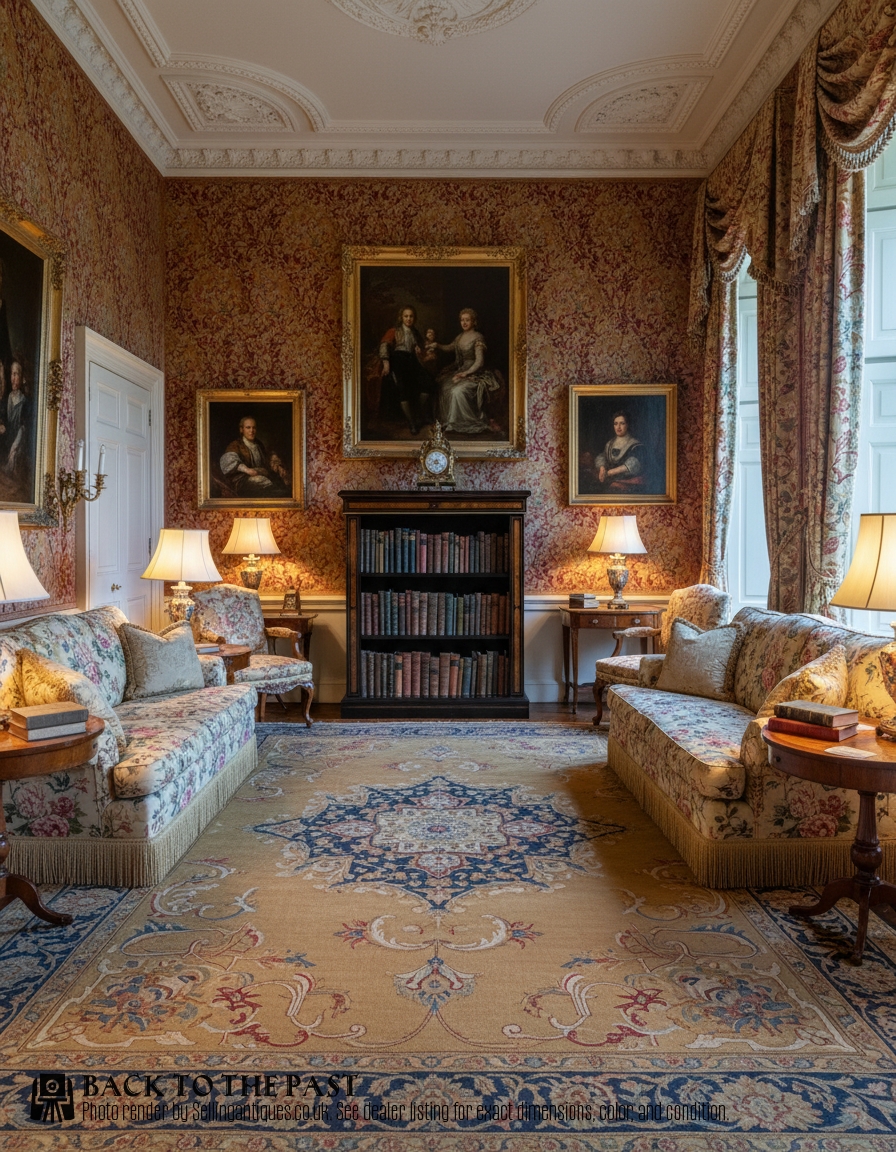
Small Low Open Bookcase
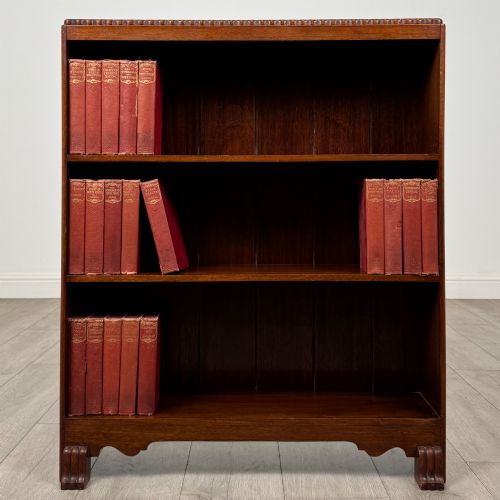
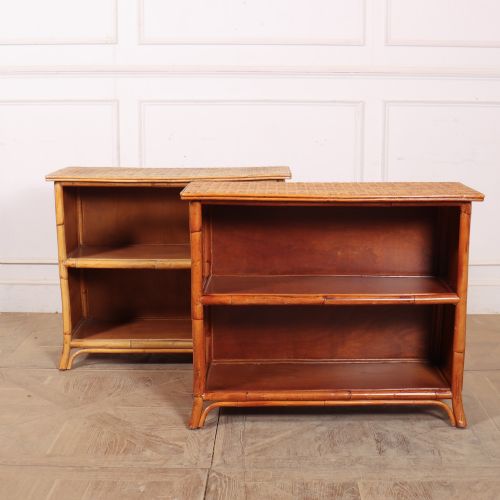
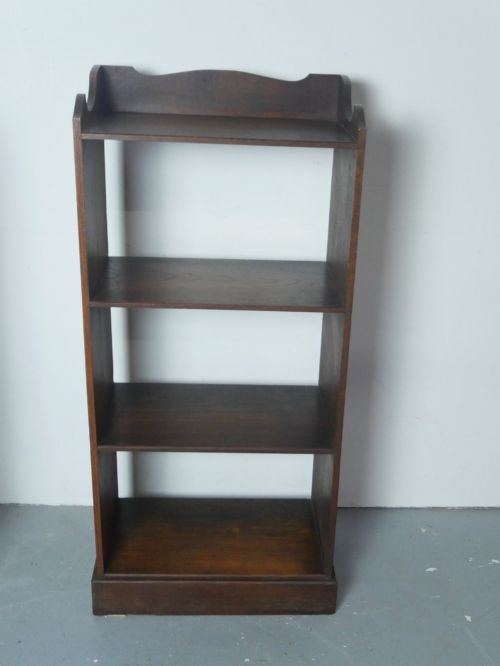
A small low open bookcase provides reachable surface storage for books and display items without dominating the room height. These pieces appear frequently in oak, mahogany, and walnut across Edwardian, Victorian, and Regency periods.
The selection ranges from simple rustic oak examples to refined rosewood, satinwood, and mahogany designs featuring adjustable shelves, leather tops, or brass castors. Buyers often select these lower formats to fit beneath windows or within alcoves.
How they were made
Carpenters constructed these bookcases primarily from solid timber and selected veneers such as oak, mahogany, walnut, rosewood, and ash. Joinery traditions included pegged joints, beading, and structural framing suited to domestic shelving.
Decorative enhancements involved contrasting inlay work, carved details in revival styles, and applied brass hardware such as castors. Finishing relied on polishing the timber to highlight natural grain patterns across different periods.
Betty Joel ensured her 1930s modernist bookcases carried clean ash surfaces designed to make even heavy ledgers look light-footed.
What varies in quality
Quality rests in the choice of timber figure, such as burr walnut or figured mahogany, and the precision of inlaid friezes. Superior examples demonstrate balanced proportions and thoughtful detailing like adjustable shelving mechanisms.
Construction integrity distinguishes workshop-made items from simpler utility pieces, particularly in the stability of the open frame and the neatness of the edge mouldings.
Betty Joel
The Small Low Open Bookcase Glossary
- Open bookcase
- A shelving unit without doors, allowing direct access to the contents from the front. This format keeps books visible and rooms feeling spacious.
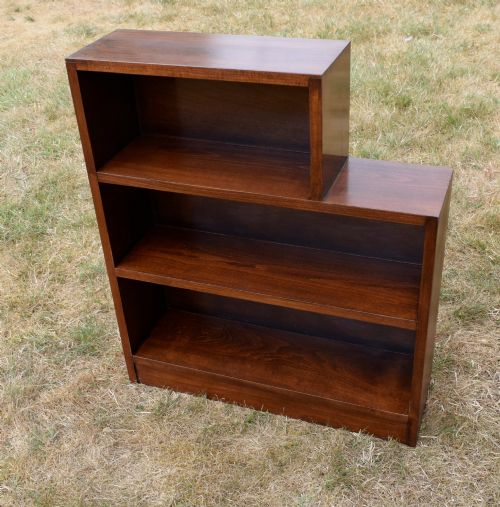
- Waterfall bookcase
- A stepped shelving design where each tier recedes from the one below, creating a cascading profile. These often incorporate side panels and lower cabinets.
- Inlaid frieze
- A decorative band of contrasting wood or material embedded into the upper rail of a furniture piece. It adds subtle visual texture to otherwise plain timber surfaces.
- Beaded edge
- A narrow rounded moulding run along the edge of a shelf or frame. This detail softens harsh corners and catches the light.
- Break-fronted
- A cabinet design where the central section projects forward from the flanking sides. This architectural arrangement creates depth and shadow.
Small Low Open Bookcase: Frequently Asked Questions
Where should I place a small low open bookcase?
These compact units fit comfortably beneath standard window heights or against low walls where tall shelving would block light. Their open fronts make them practical for everyday reading material in living rooms and studies.
Because they maintain an open sightline across the room, they help smaller spaces feel less enclosed while keeping books within arm's reach.
How do I identify a Regency period bookcase?
Regency pieces often display refined proportions in mahogany or rosewood, sometimes featuring waterfall tiers or brass castors for mobility. Their design language draws on classical restraint.
Look for neat joinery and characteristic timber grains that distinguish early nineteenth-century work from later revival periods.
Are the shelves adjustable on these bookcases?
Many examples feature movable shelving supported by wooden bearers or metal tracks, allowing you to accommodate books of varying heights. Fixed shelves also appear, particularly in simpler rustic or period designs.
Checking the interior construction reveals whether the original maker intended the shelf positions to change.
What is the difference between Edwardian and Victorian examples?
Victorian pieces frequently utilise darker timbers like rosewood or heavy mahogany with ornate details, whereas Edwardian versions often employ lighter oak or satinwood with simpler lines.
Revival styles span both eras, bringing earlier motifs like Jacobean or Queen Anne influences into domestic furniture production.