

Small Leaf Table
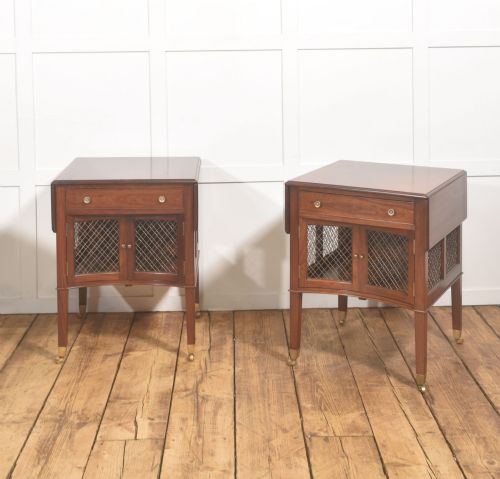
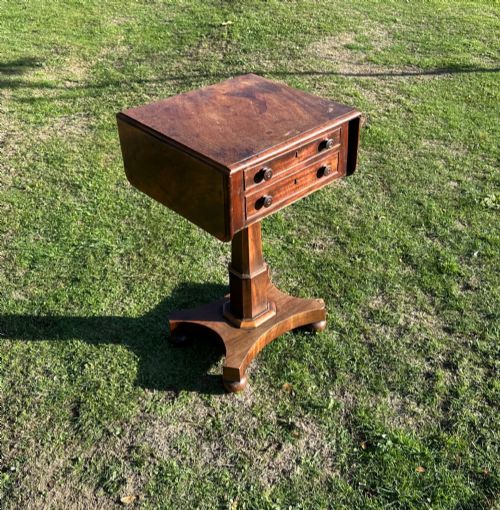
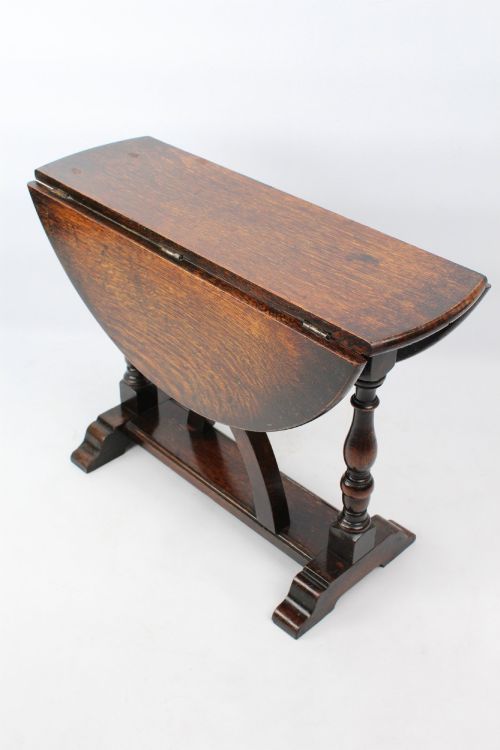
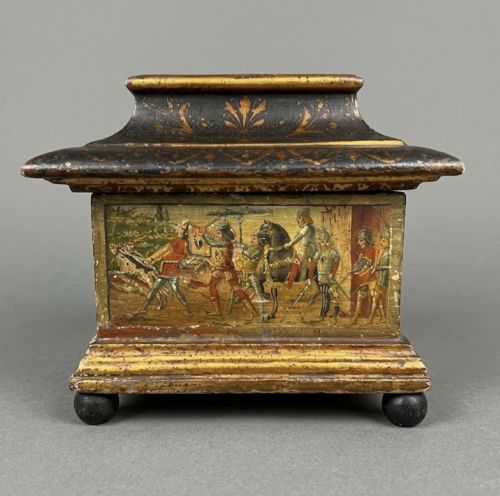
These small leaf table pieces are compact folding tables that save space in tight rooms while offering a timber surface.
Small Leaf Table
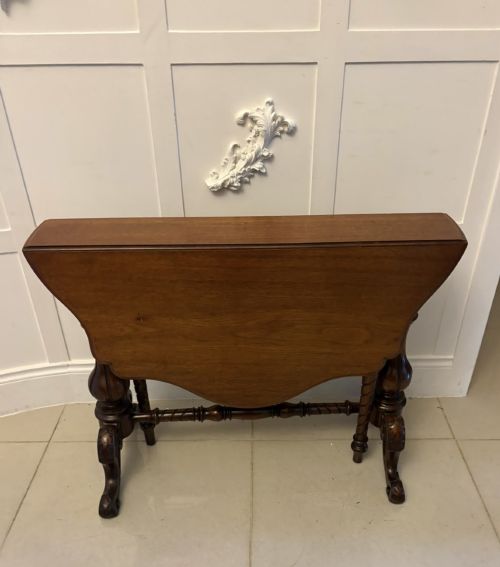
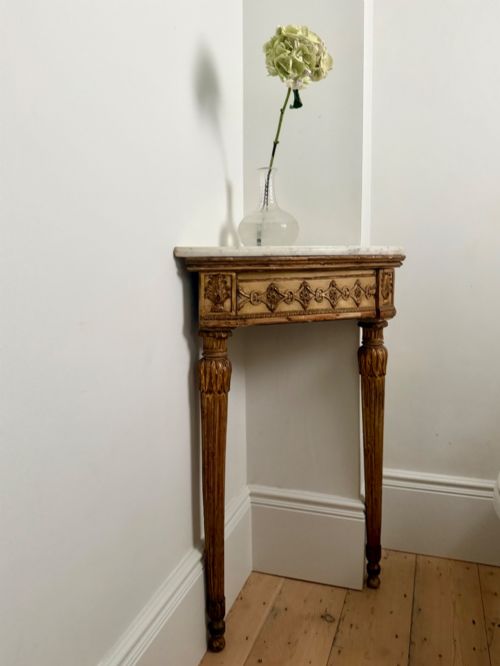
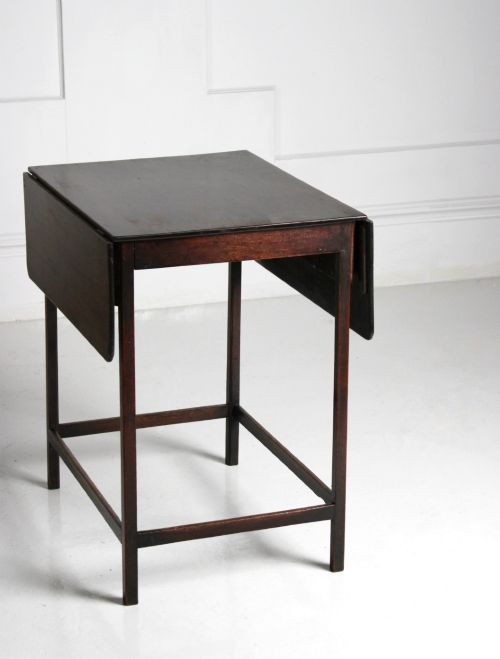
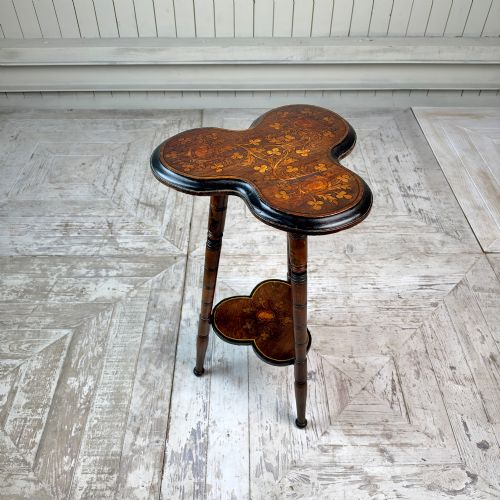
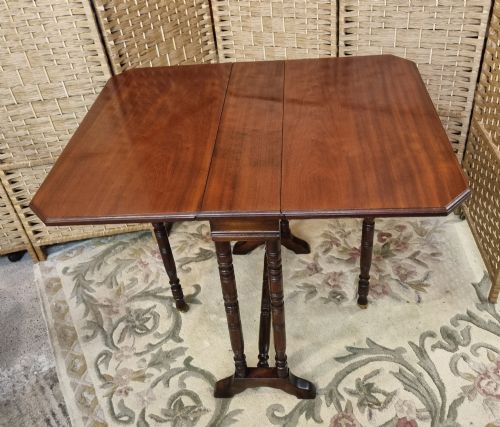
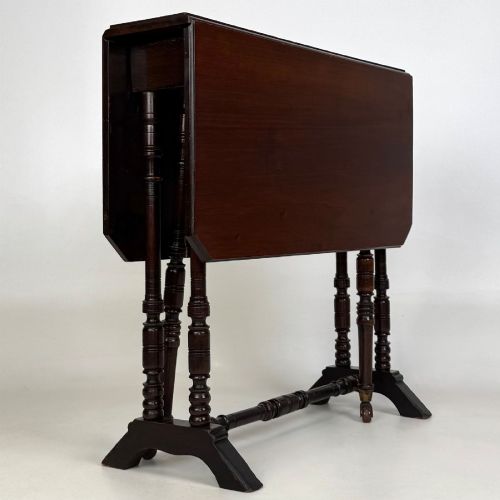
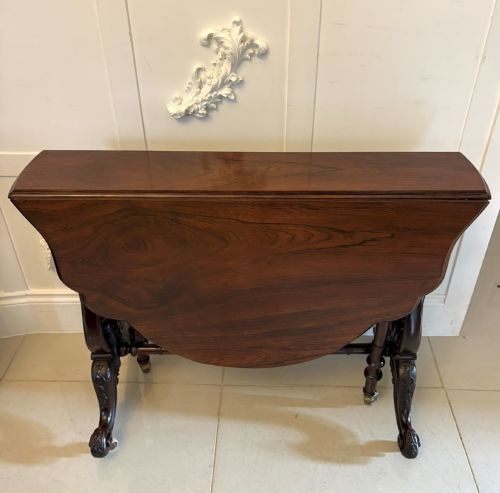
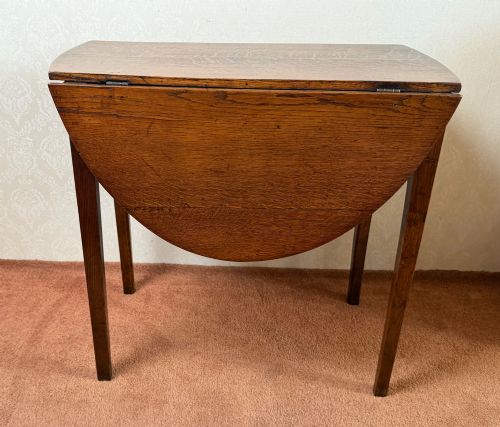
A small leaf table is a piece designed with hinged flaps that drop down or fold up to alter its footprint. Buyers searching for a small leaf table will encounter gateleg, Pembroke, and Sutherland forms spanning the seventeenth century through to the Edwardian period and nineteen-twenty.
Mahogany and oak dominate the selection, alongside walnut, satinwood, pine, and rosewood. These items function as side tables, occasional tables, coffee tables, dining tables, and bedside tables within domestic spaces.
How they were made
Cabinetmakers constructed these tables primarily from solid hardwoods such as mahogany, oak, and walnut, frequently selecting timbers with figured grains. Turned supports, including bobbin, barley twist, and bamboo styles, hold the hinged flaps in position.
Brass hinges, castors, and pull handles appear on select pieces alongside drawers and folding gateleg frames. Timber surfaces display wax or polished finishes that highlight the natural grain of the wood.
Small Leaf Table Retail Price Guide 2026
Typical asking prices for small leaf table among the pieces listed under this phrase on Sellingantiques today, from the lower quarter to the upper quarter. They describe what is for sale here now, not the wider market.
Listings feature oak, mahogany, walnut, satinwood, and pine across periods from the seventeenth century to nineteen-twenty.
What varies in quality
The sophistication of the timber figure and the depth of the original patina set finer examples apart from plainer utilitarian versions. Finely turned leg details and tight joinery at the hinge joints indicate superior craftsmanship.
Proportions also govern desirability, with diminutive proportions commanding attention. The integration of functional drawers and matched secondary timbers distinguishes the upper tier of these pieces.
Heals
The Small Leaf Table Glossary
- Pembroke table
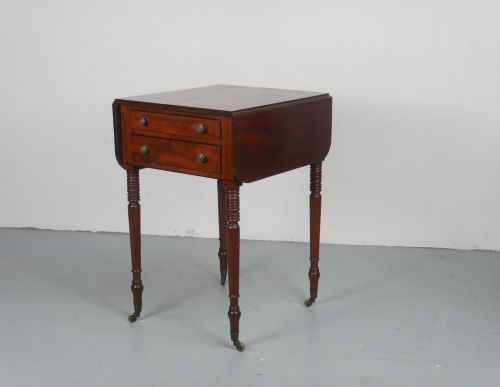
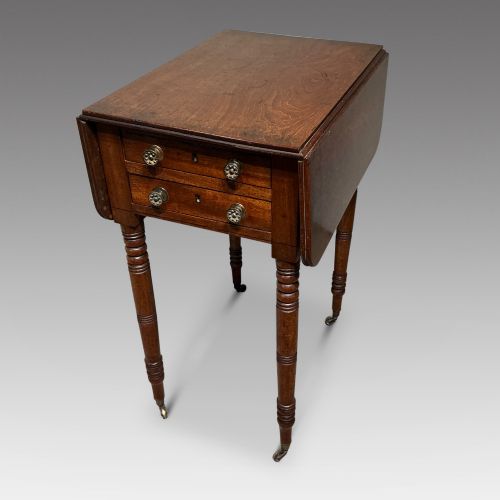
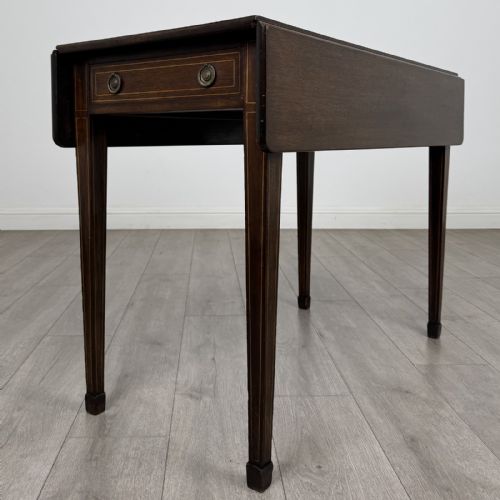
- A small table with two hinged side flaps and usually a drawer, popular from the eighteenth century onward. It adapts easily to changing room layouts.
- Gateleg table
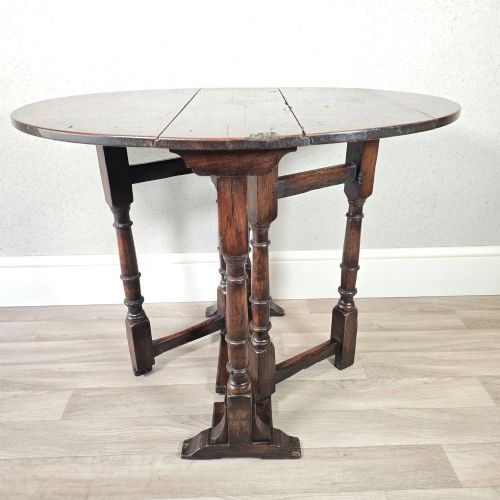
- A table with hinged leaves supported by swing-out legs that resemble a gate. This design allows the surface area to expand or contract.
- Sutherland table
- A narrow table with exceptionally long drop leaves and slender folding legs. It tucks away compactly when the flaps are lowered.
- Patina
- The surface sheen and mellowing developed by wood over years of handling and polishing. It marks the age and history of a piece.
- Barley twist
- A carved spiral turning resembling a twist of barley sugar, commonly found on seventeenth-century and revival furniture legs.
Small Leaf Table: Frequently Asked Questions
Where do I put a small leaf table?
These tables fit well beside seating, against hallways walls, or in compact dining areas where space is at a premium. Lowering the leaves allows the furniture to sit flat against a wall when not in use.
Raising the flaps provides a surface for dining, reading, or placing lamps. Their compact size makes them versatile additions to various rooms.
How do gateleg tables work?
Gateleg tables utilise hinged flaps supported by pivoted legs that swing outward like a gate. When closed, the legs fold inward and the leaves drop down vertically.
Opening the table requires swinging the support leg outward to lock beneath the raised leaf. This mechanism bears the weight of the extended timber surface.
What is a Pembroke table?
A Pembroke table is a rectangular occasional table featuring two hinged drop leaves on opposing sides. It often incorporates a small drawer beneath the top.
The design allows the table to function as a writing desk or a breakfast table. Raising one or both leaves adjusts the surface area to suit the task.
How do I care for antique timber?
Antique wooden surfaces require regular dusting with a soft, dry cloth to prevent grit accumulation. Applying beeswax periodically nourishes the wood and maintains its natural sheen.
Direct sunlight and excessive moisture should be avoided to protect the timber grain and prevent warping. Careful placement preserves the original patina over time.