




Small Kitchen Dresser
A small kitchen dresser brings centuries of regional utility into modern rooms, offering compact display space and honest storage.
Small Kitchen Dresser
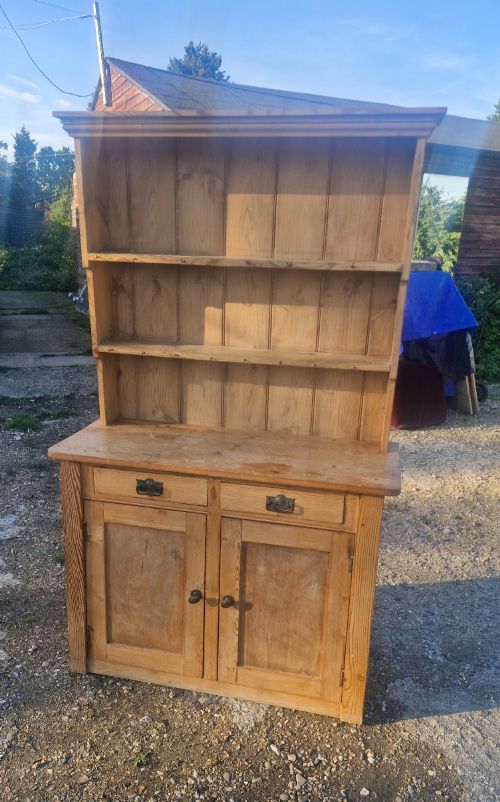
A small kitchen dresser is a compact storage piece designed for domestic utility, combining lower cupboards or drawers with upper display racks. Buyers searching for a small kitchen dresser encounter practical items built to fit modest interior spaces without sacrificing traditional character. The pieces found here span the eighteenth and nineteenth centuries alongside later country interpretations.
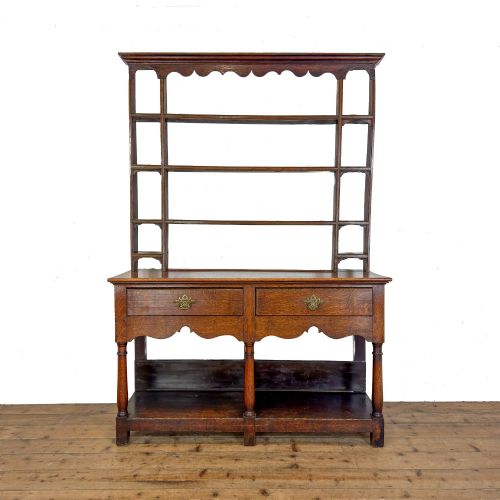
Examples appear in forms such as Welsh dressers, cottage dressers, potboard dressers, and dresser bases. Regional variations reflect English and Welsh vernacular traditions alongside French provincial influences and Victorian country styles. These furniture items serve utilitarian functions in modern kitchens and living spaces alike.
Origins stretch from Georgian workshops to Victorian rural cottages, capturing diverse regional building habits. The selection includes miniature furniture alongside shallow dresser bases and side cabinets configured for compact rooms. Each version maintains the functional balance between enclosed storage and open plate display.
Materials and Construction
Makers constructed these dressers primarily using solid oak and pine, selecting timbers suited to regional availability and everyday domestic wear. Oak pieces from the eighteenth century demonstrate dense grain and durable framing, while nineteenth-century pine examples offer softer textures often finished with wax or paint. Secondary woods and iron or brass hardware complete the structural assembly.
Traditional joinery techniques governed the construction of carcases, drawers, and plate racks, ensuring stability under heavy ceramic loads. Surfaces show hand-planed finishes, pegged joints, and painted coatings applied over time. Iron handles, hinges, and brass fittings provide functional articulation across the different period styles.
Small Kitchen Dresser Retail Price Guide 2026
Typical asking prices for small kitchen dresser among the pieces listed under this phrase on Sellingantiques today, from the lower quarter to the upper quarter. They describe what is for sale here now, not the wider market.
Distinctions in Quality
Quality rests upon the integrity of the timber, the retention of original surface treatments, and the proportion of the proportions. Early eighteenth-century oak pieces display finer hand-working and more robust structural joinery than later mass-produced alternatives. Proportion also dictates desirability, with genuinely reduced dimensions commanding greater attention than altered full-scale furniture.
The survival of original hardware, unaltered potboards, and untouched open racks separates superior examples from heavily restored ones. Patina accumulated through generations of domestic use adds depth to the wood surfaces. Subtle regional traits in the cornice mouldings and drawer construction further define the calibre of each piece.
The Small Kitchen Dresser Glossary
- Welsh Dresser
- A traditional kitchen storage unit featuring a plate rack above a base of drawers and cupboards. This form originated in Wales and became a staple of country houses.
- Potboard
- An open lower shelf built into the base of a dresser, historically used for storing heavy pots and pans. This platform sits just above the floor.
- Dresser Base
- The lower section of a dresser comprising drawers and cupboards without the upper plate rack. These function well as independent sideboards.
- Vernacular
- Furniture built by local tradesmen using regional materials and traditional designs rather than high-style metropolitan patterns. These pieces prioritise utility and local character.
- Cottage Dresser
- A scaled-down or simpler version of a main house dresser built for smaller rural dwellings. Such items utilise local pine or oak.
Small Kitchen Dresser: Frequently Asked Questions
How do I style a small kitchen dresser?
Utilise the open rack to display everyday ceramics, glassware, or decorative plates while keeping lower cupboards for practical storage. Mixing pottery textures enhances the traditional aesthetic.
Position the dresser against a plain wall to let the timber grain and painted surfaces stand out. Balance the upper display so the shelves do not appear cluttered.
Were these dressers made for kitchens?
These pieces served as central storage hubs in domestic kitchens, farmhouses, and pantries for holding tableware and food provisions. Families relied on them for daily culinary preparations.
Over time, many migrated from working kitchens into dining rooms and living spaces as domestic habits shifted. Their compact scale suits contemporary kitchen-diners.
How do I care for antique pine and oak?
Maintain timber surfaces by applying appropriate natural waxes periodically to nourish the wood and preserve the finish. Avoid placing furniture near direct heat sources.
Keep painted surfaces clean using a dry or slightly damp cloth without harsh chemical cleaning agents. Gentle handling protects the historic patination.
How can I tell eighteenth-century dressers apart from later ones?
Examine the construction methods, tool marks, and timber characteristics visible on the drawer linings and carcase backs. Eighteenth-century examples display hand-cut joinery and dense oak timbers.
Later Victorian and twentieth-century interpretations often utilise pine and show machine-sawn elements or different fastening techniques. Comparing hardware styles also aids period identification.