

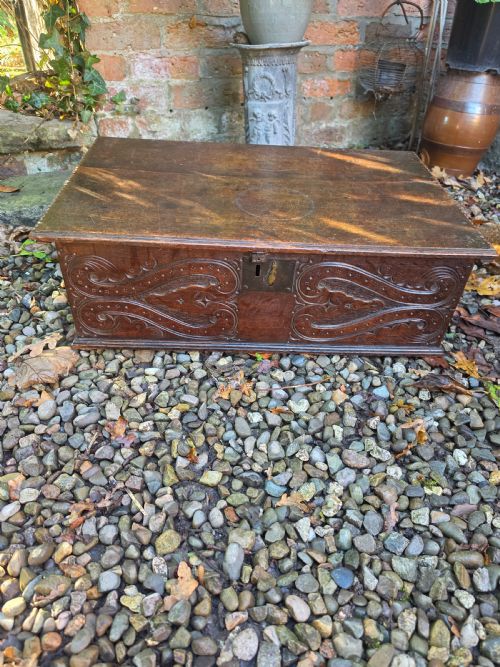
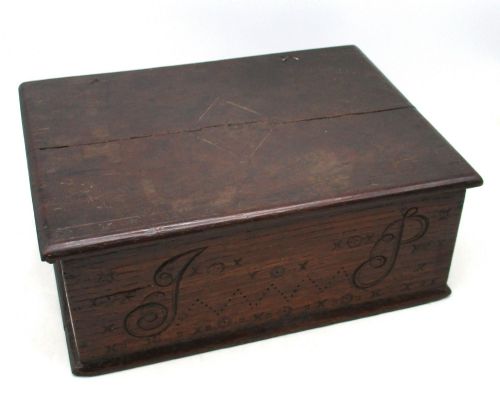


Small Keepsake Chest
A small keepsake chest gathers the things we hold closest, forged in timber and metal across centuries of domestic life.
Small Keepsake Chest
A small keepsake chest satisfies the desire for secure, intimate storage of personal valuables, letters, and small treasures. When you search for a small keepsake chest, you encounter compact lidded vessels designed to sit upon tables, desks, or chests of drawers.
The selections available range widely in form and origin, spanning sturdy oak bible and document boxes, painted Scandinavian dome top trunks, and refined mahogany or rosewood trinket boxes. These pieces serve as tangible links to past domestic routines, offering practical containment with decorative presence.
The forms span centuries, touching on seventeenth-century joined construction, Georgian mahogany tea caddies, and nineteenth-century Welsh pine storage boxes. Each iteration reflects the specific domestic needs and material availability of its period.
How they were made
The construction relies heavily on solid timbers such as oak, pine, mahogany, and rosewood, shaped by carpenters and cabinetmakers using traditional joinery. Iron and brass feature prominently in hinges, escutcheons, and carrying handles, securing lids and reinforcing corners.
Surface treatments vary from the natural grain of polished mahogany and camphor wood to elaborate painted decoration on Scandinavian and European folk art pieces. Mother-of-pearl inlay and satinwood veneer add layers of refinement to specific nineteenth-century examples.
Small Keepsake Chest Retail Price Guide 2026
Typical asking prices for small keepsake chest among the pieces listed under this phrase on Sellingantiques today, from the lower quarter to the upper quarter. They describe what is for sale here now, not the wider market.
One tiny nineteenth-century trunk was painted specifically for miniature travels, carrying secrets on a very small scale indeed.
What varies in quality
Quality rests primarily in the integrity of the timber selection and the precision of the joinery, distinguishing sturdy utilitarian containers from finer cabinet-made objects. The choice between plain pine, joined oak, and exotic rosewood alters the fundamental character and status of the box.
The execution of decorative elements, such as hand-carved oak panels, painted folk art motifs, or delicate inlay work, marks the distinction between standard workshop production and superior craftsmanship.
The Small Keepsake Chest Glossary
- Bible box
- A sloping or flat-topped wooden chest traditionally used for storing a family bible and important papers. These early pieces often feature carved oak panels and sturdy iron hinges.
- Document box
- A compact portable container designed for safeguarding legal papers, letters, and deeds. They frequently date to the seventeenth and eighteenth centuries in solid oak.
- Tea caddy
- A small lidded box engineered to store loose tea leaves securely under lock and key. Mahogany and rosewood frequently form the body of these refined containers.
- Dome top
- A curved lid construction providing extra interior clearance and shedding dust effectively. This profile appears frequently on nineteenth-century painted pine trunks.
- Trinket box
- A diminutive receptacle meant for holding small personal items such as jewellery and keepsakes. Victorian examples often utilise rosewood and interior velvet linings.
Small Keepsake Chest: Frequently Asked Questions
What were small keepsake chests used for?
These compact vessels served to secure private documents, family bibles, currency, and small personal valuables away from dust and casual view. Their portable nature allowed owners to move important papers safely around the home or during travel.
Over time, domestic use shifted towards holding letters, trinkets, and tea, adapting the internal compartments to suit changing household needs and fashions.
How do I date a wooden box?
Dating relies on observing the timber species, construction methods, and hardware such as hinges and locks. Seventeenth-century pieces typically show joined oak construction with hand-forged iron work, while nineteenth-century versions frequently employ mahogany, rosewood, or painted pine.
Secondary woods on the interior and the style of any carved or inlaid decoration further narrow down the decade of manufacture.
Are painted boxes genuine folk art?
Painted pine boxes originating from Scandinavia, Wales, and continental Europe often represent regional folk traditions. These pieces feature hand-applied pigments that decorate domestic utility items with local motifs and colour schemes.
Examining the wear patterns and the pigment composition helps distinguish period folk art from later decorative revivals.
How do I care for antique wood?
Maintain antique timber boxes by keeping them away from direct sunlight and sudden shifts in central heating or humidity. Natural waxes applied sparingly help nourish the dry grain of woods like oak and mahogany without building up heavy residues.
Avoid excessive moisture on painted surfaces and delicate mother-of-pearl inlay to preserve the original finish.