




Small Hallway Bench
These small hallway bench examples offer practical seating and storage in timber, spanning the Georgian, Victorian, and Edwardian periods.
Small Hallway Bench
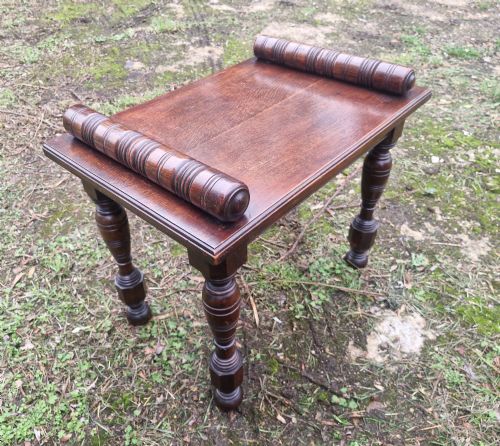
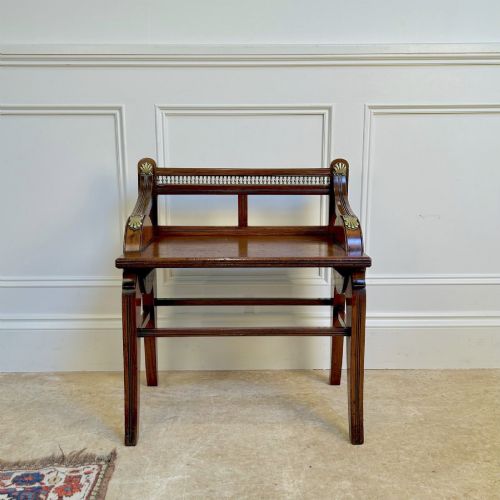
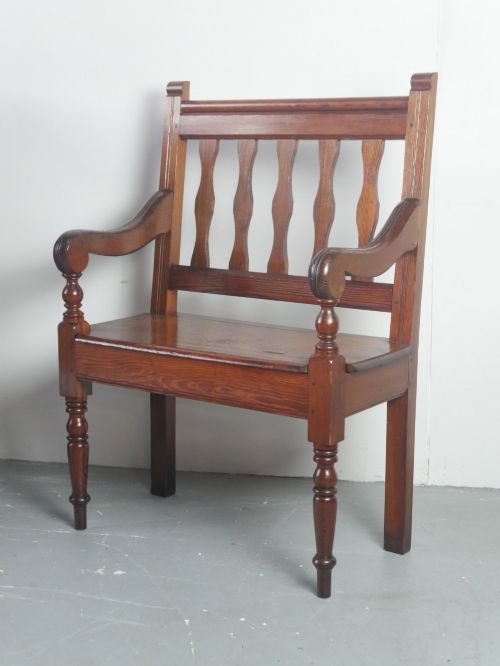
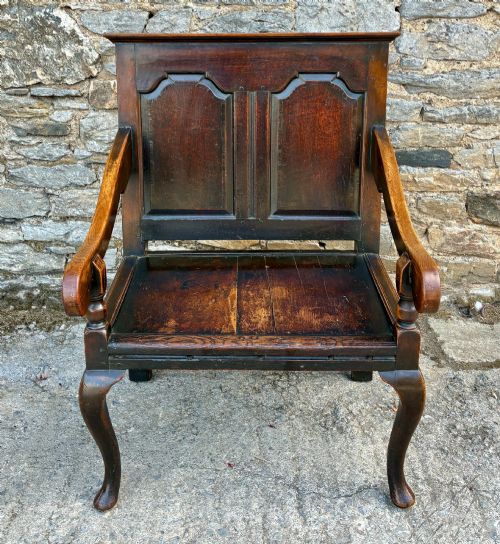
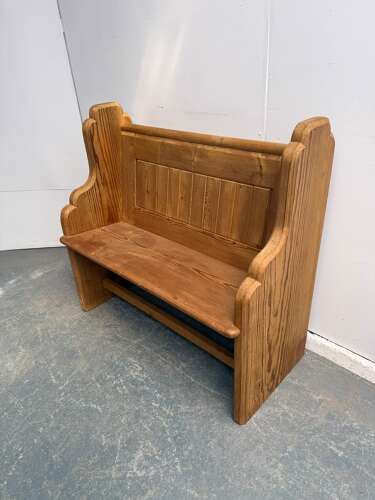
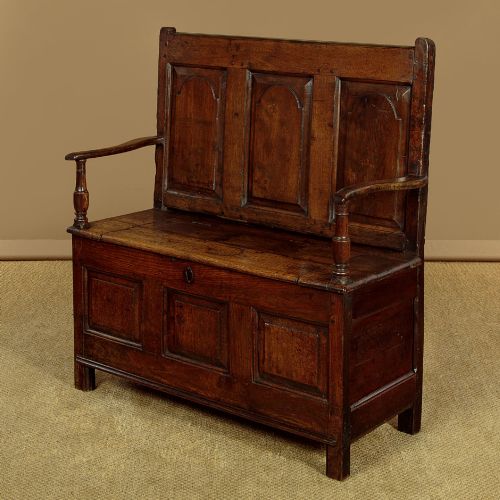
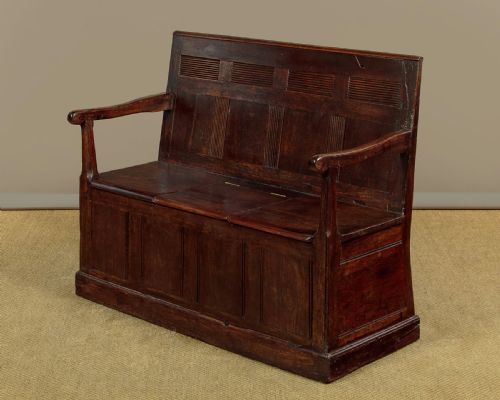
A small hallway bench provides compact seating and functional storage within an entryway, taking the form of settles, church pews, and hall seats. These pieces are designed to fit narrow spaces while offering a practical place to sit when putting on boots or shoes.
The versions most commonly met on this page are constructed from timber such as oak and pine, often featuring lift-up seats or fold-over tops. They range from plain country items to carved Victorian and Edwardian iterations.
Originating primarily from English and Welsh workshops, these items utilise traditional cabinet-making methods to serve domestic and ecclesiastical settings. Their scale makes them adaptable to modern homes that require historic character without excess bulk.
How they were made
Makers utilised solid timbers including oak, walnut, and pine, working the wood by hand to build sturdy frames for daily domestic use. Surfaces were often treated with wax to protect the grain while maintaining a natural matte appearance.
Joinery techniques relied on pegged mortise and tenon joints to secure the seat boxes, backs, and armrests together without relying on modern fasteners. Metal elements such as brass or iron appear selectively as hinges, handles, or decorative mounts.
Small Hallway Bench Retail Price Guide 2026
Typical asking prices for small hallway bench among the pieces listed under this phrase on Sellingantiques today, from the lower quarter to the upper quarter. They describe what is for sale here now, not the wider market.
Storage options range from lift-up seat boxes to fold-over tops designed for compact hallway use.
What varies in quality
Quality depends upon the choice of timber and the crispness of any carved detailing, such as the floral motifs found on Edwardian examples. Dense, well-figured oak or walnut represents a higher grade of construction than utility pine.
Proportion and structural integrity dictate the standing of a piece, with well-balanced settles retaining their original box storage compartments and seat lids. Maker attribution, such as work bearing the stamp of James Shoolbred, also elevates the stature of a hall bench.
James Shoolbred
The Small Hallway Bench Glossary
- Settle
- A wooden bench with a high back, solid arms, and a box compartment beneath the seat. This form kept draughts away from the sitter in older hallways.
- Box Settle
- A settle featuring a hinged seat lid that opens to reveal storage space underneath. It served as a practical chest for blankets and outerwear.
- Church Pew
- A long wooden bench originally designed for ecclesiastical seating rather than domestic halls. Examples found in homes are often reduced in length to function as hallway seating.
- Hall Seat
- A compact piece of furniture intended primarily for an entryway. These designs focus on a smaller footprint than standard settles.
- Mortise and Tenon
- A traditional woodworking joint where a projecting tongue fits snugly into a corresponding cavity. This method secures the frame of a bench without metal nails.
Small Hallway Bench: Frequently Asked Questions
What is a small hallway bench used for?
These pieces provide compact seating in narrow entryways and corridors. Many incorporate hidden storage beneath the seat for shoes and household items.
Historically, the high backs and enclosed box bases helped block cold draughts near front doors. Today, they serve a similar practical and decorative function in homes.
How do I date a wooden hall bench?
Dating relies on observing the timber species, joinery methods, and decorative style. Georgian and eighteenth-century pieces often feature simpler plank construction and pegged joints.
Later Victorian and Edwardian items frequently introduce machine-sawn elements, walnut veneers, or applied floral carving. Comparing the hardware and general proportions helps confirm the era of manufacture.
Are church pews suitable for hallways?
Church pews work well in hallways when they are built to a smaller scale or reduced in length. Their sturdy construction handles heavy daily use near an entrance.
They offer simple lines and deep seats, though buyers should check the overall depth to ensure it fits the floor space.
What woods were used for these benches?
Oak is the predominant timber found in these listings, valued for its strength and durability. Pine and pitch pine appear frequently in country and ecclesiastical pieces.
Walnut is also utilised on more formal nineteenth-century examples. Surfaces are typically finished with traditional wax rather than modern gloss varnishes.