
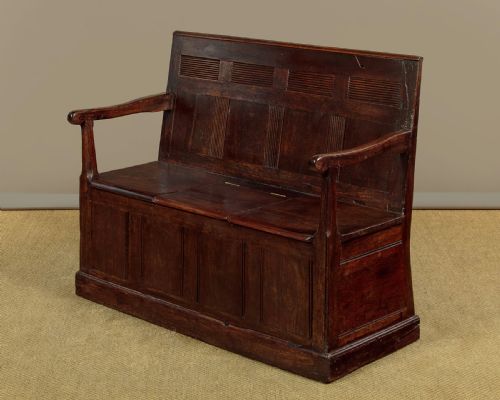


Small Hall Bench
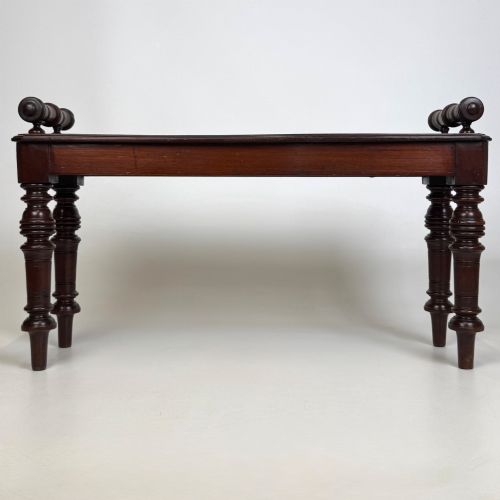
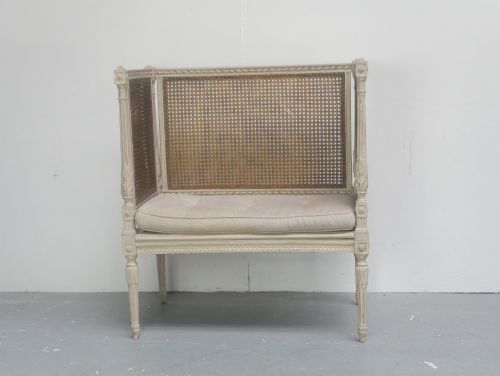
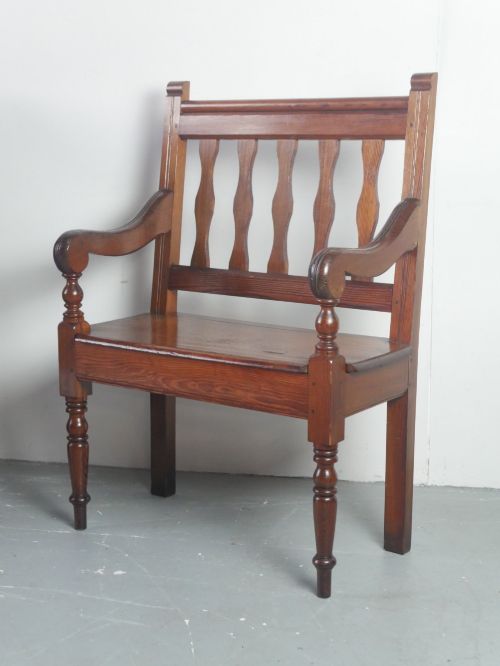
A small hall bench is a compact seating piece designed for narrow entryways, offering practical storage and sturdy period charm.
Small Hall Bench
A small hall bench provides compact seating for narrow entryways and corridors while offering practical utility. Buyers search for this phrase to find space-saving seating that combines historical character with everyday function.
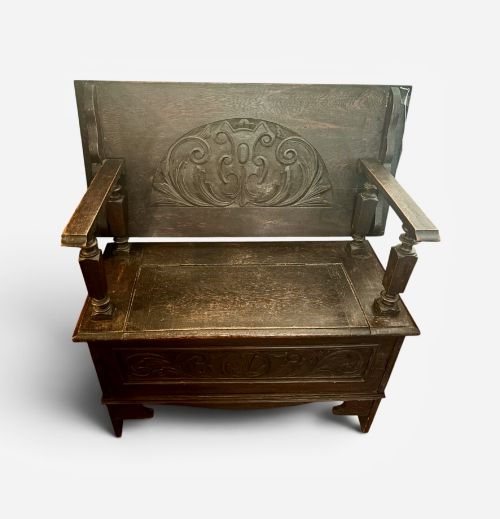
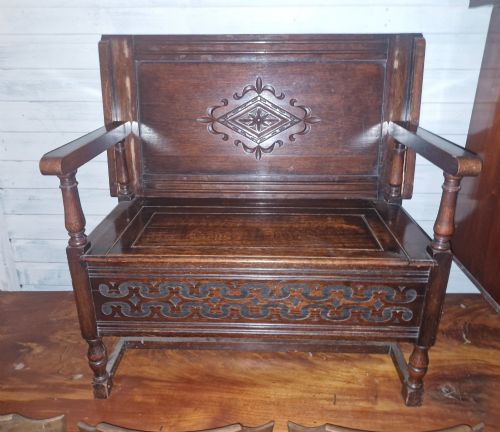
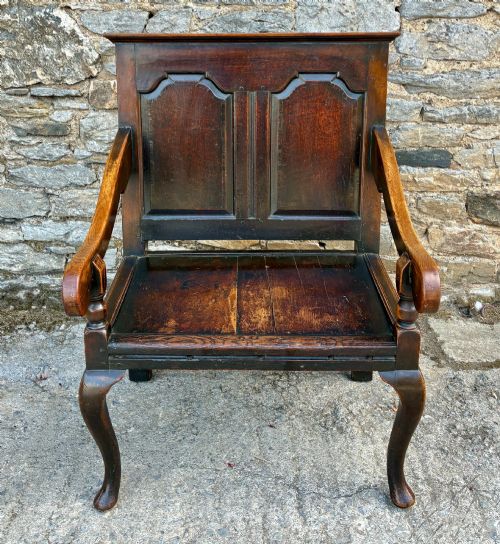
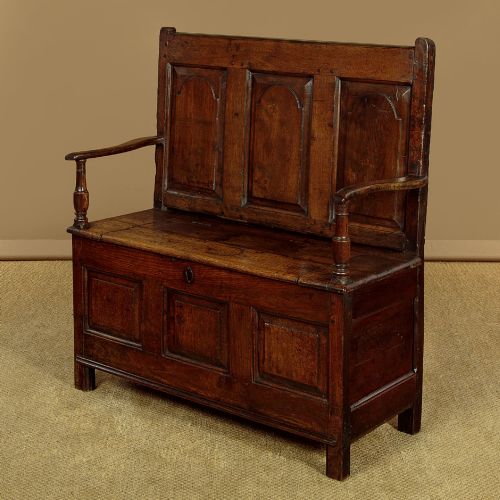
The most common examples on this page are oak box settles and monk's benches dating from the Victorian era and the eighteenth century. These pieces frequently feature lift-up seats or fold-over tops that reveal hidden storage compartments.
Makers designed these items for hallways and passage spaces where full-sized furniture would obstruct movement. Regional pieces from Wales sit alongside vernacular Georgian designs and later Arts and Crafts interpretations.
How they were made
Cabinet makers relied primarily on solid oak and pine, shaping timbers with hand tools to build sturdy panelled frames. Wax finishes highlight the natural grain of the wood, while painted surfaces appear on later vernacular examples.
Joinery techniques such as mortise and tenon joints ensure structural rigidity in pieces subjected to daily hallway use. Iron hardware and hinges secure the moving parts of box seats and convertible monk's benches.
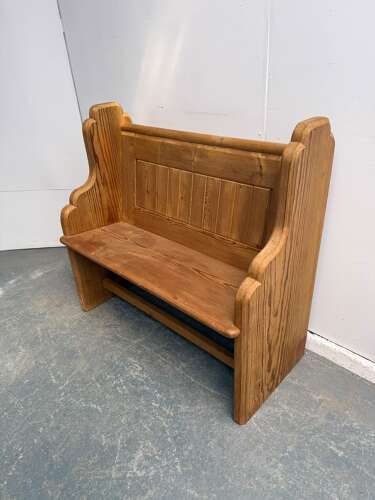
Church pews moonlighted as hallway seating when Victorians decided every corridor needed divine architectural gravity.
What varies in quality
Proportion and scale dictate the desirability of a small hall bench, as tighter dimensions suit contemporary homes better than oversized items. The integrity of the original timber and the crispness of carved details separate superior examples from standard workshop output.
Mechanisms on convertible forms, such as folding table tops and hinged box seats, reveal the precision of the original maker. Retaining original hinges, boards and surface patination elevates a piece above those with replaced components.
Gillows of Lancaster
The Small Hall Bench Glossary
- Settle
- A wooden bench with a high back, solid arms and enclosed storage beneath the seat. This form kept draughts away from people sitting in cold hallways.
- Monk's bench
- A convertible piece of furniture featuring a hinged top that folds down to transform the backrest into a table surface. It combines seating and table functions in a single compact frame.
- Box settle
- A bench incorporating a compartment beneath the seat accessed by lifting the lid. This provided secure storage for boots, blankets and household items in the entrance.
- Vernacular
- Furniture built by local craftsmen following regional traditions rather than high-style metropolitan designs. These pieces emphasise utility and local materials over academic ornament.
- Pew
- A long wooden bench traditionally found in churches but adapted for domestic hallways during the Victorian period. They offer sturdy linear seating without internal storage.
Small Hall Bench: Frequently Asked Questions
Where should I place a small hall bench?
These benches fit neatly into narrow entryways, hallways and boot rooms where floor space is limited. Their compact footprints provide a convenient spot to sit while removing shoes.
Many examples include lift-up seats or box compartments that hide away clutter like scarves and gloves. They also function well in landings or beneath windows in smaller reception rooms.
How do I use a monk's bench?
A monk's bench serves a dual purpose by converting from a seated chair with a high back into a small table. You pivot the upper back section forward until it rests flat upon the arms.
This clever transformation made them useful in smaller historical homes where multi-functional furniture saved space. Today, the surface works well as a temporary landing spot for post and keys.
How do I date an oak hall bench?
Examining the construction methods, joinery marks and timber characteristics helps determine the period of a piece. Eighteenth-century examples often display hand-cut peg joints and deeper patination on the oak.
Victorian and later pieces frequently feature machine-sawn elements, applied carvings, or lighter pine secondary woods. Comparing the proportions and hardware styles against documented pieces narrows down the decade.
Are these benches comfortable for daily use?
Most antique hall benches feature solid wood seats designed for brief seating rather than prolonged lounging. Some models incorporate fabric or linen upholstery for added comfort.
Adding a small loose cushion allows you to soften the wooden seat while preserving the exposed period timber. Their primary historical purpose was practical utility rather than deep relaxation.