






Small Glass Table
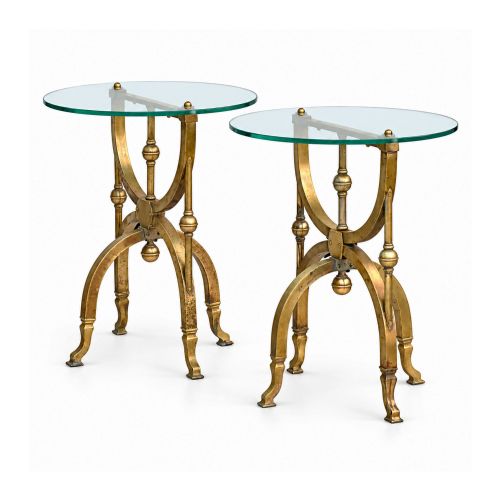
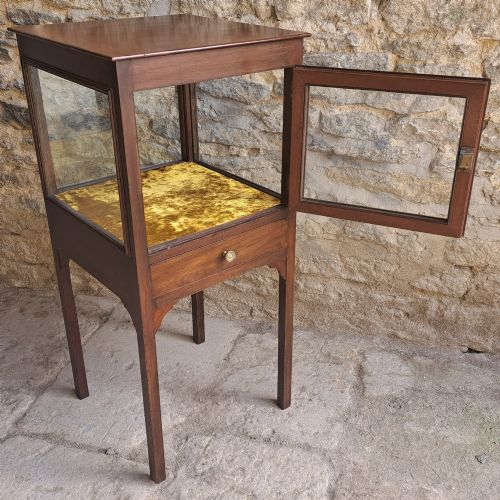
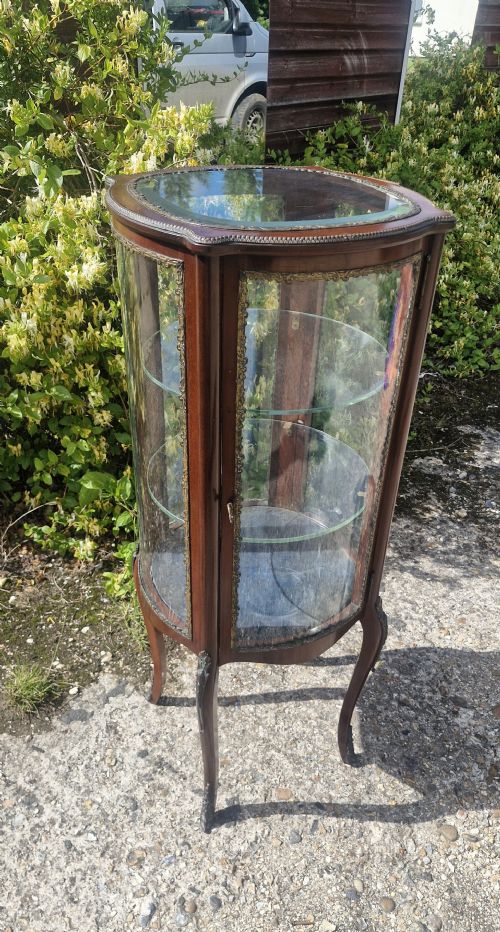
A small glass table is a compact surface built for display, and you will find Edwardian bijouterie tables and glazed display cabinets defining this selection.
Small Glass Table
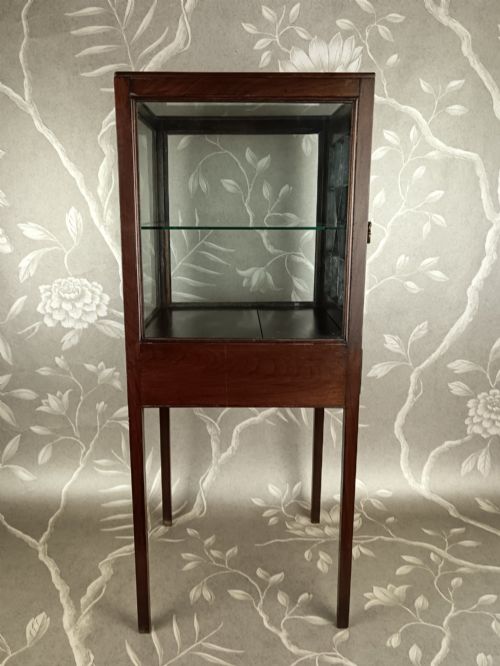
A small glass table is an item designed to showcase small possessions beneath a glass surface or inside a glazed cabinet. You encounter this phrase describing Edwardian and Victorian bijouterie tables alongside mahogany display cabinets.
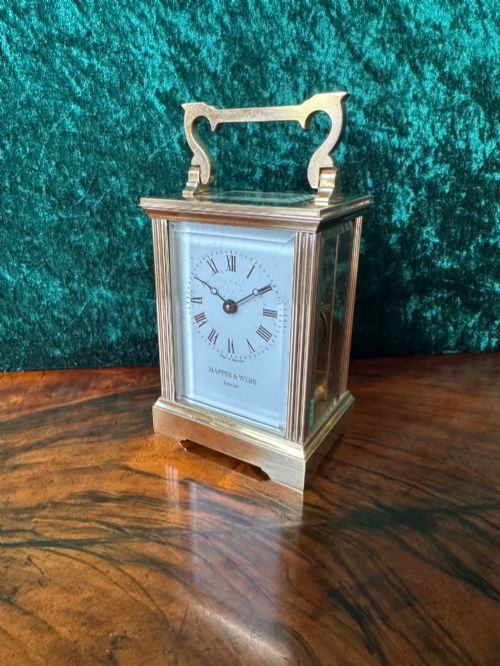
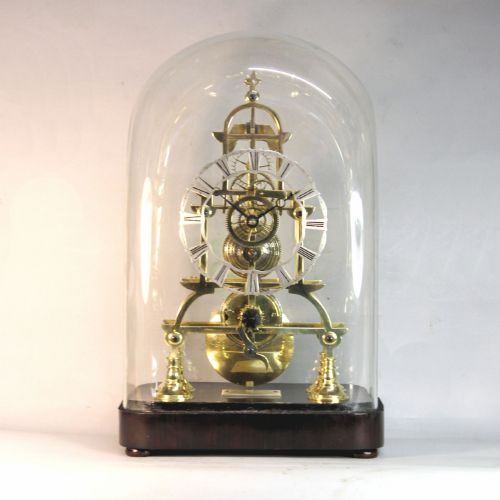
The pieces on this page lean heavily towards Edwardian inlaid mahogany bijouterie tables and French four glass clocks incorporating glass panels. These forms balance display utility with compact proportions suitable for varied domestic spaces.
How they were made
Makers constructed these tables and cabinets using mahogany, rosewood, and walnut, frequently mounting them with brass or ormolu. Glass panels and glazed doors were fitted to enclose the top or sides while protecting the contents.
Inlaid details in satinwood and wood veneers appear across Edwardian examples, while metal mounts and enamel accents decorate the frames and associated pieces.
Small Glass Table Retail Price Guide 2026
Typical asking prices for small glass table among the pieces listed under this phrase on Sellingantiques today, from the lower quarter to the upper quarter. They describe what is for sale here now, not the wider market.
One yew wood table carries later sign-writing for Breitling watches.
What varies in quality
Quality rests in the precision of the cabinetwork and the timber selection, such as burr walnut or figured mahogany. Finer examples display meticulous joinery and refined brass or ormolu mounts.
The crispness of the wood inlay and the clarity of the fitted glass panels distinguish the higher tier of these tables and cabinets from simpler utilitarian pieces.
Mappin and Web·Richard Winter of Chieveley·Tiffany·J C Vickery London
The Small Glass Table Glossary
- Bijouterie table
- A display table with a glazed top and compartment designed for holding small ornaments and jewellery. They emerged in various forms during the Victorian and Edwardian periods.
- Ormolu
- Gilded bronze used for decorative mounts on furniture and clocks. It adds a bright metallic contrast to dark woods such as mahogany.
- Vitrine
- A glass-fronted cabinet or display case used for exhibiting objects. These pieces often feature glass shelves and sides to maximise light.
- Inlay
- A technique where pieces of contrasting timber or metal are inserted into the wood surface to form patterns. Satinwood is frequently used for this purpose on mahogany frames.
Small Glass Table: Frequently Asked Questions
What is a small glass table used for?
These tables provide a compact display surface with a glass top or glazed sides for showing small items like jewellery, medals, and decorative objects. They keep delicate possessions visible while protecting them from dust.
Historically placed in reception rooms or parlours, they served as both functional furniture and private collection displays.
How do I date a bijouterie table?
Dating relies on timber choices, leg styles, and inlay motifs characteristic of specific decades. Edwardian pieces often feature inlaid mahogany and slender tapered legs, while Victorian versions may utilise heavier burr walnut.
Examining the construction methods inside the compartment and the type of glass helps confirm the period of manufacture.
Where should I place a display table?
A compact display table fits well in a hallway, drawing room, or study where it can sit against a wall or function as a freestanding accent piece. Natural light from a nearby window enhances the visibility of items stored beneath the glass.
Positioning the table away from direct heat sources protects the timber veneers and internal fabric linings.
What woods were used in these tables?
Mahogany, rosewood, walnut, and yew wood appear frequently as the primary cabinet timbers. Satinwood is often utilised for contrasting inlay work on the exterior surfaces.
Secondary woods may be found inside the carcass and drawer linings depending on the workshop and period.