

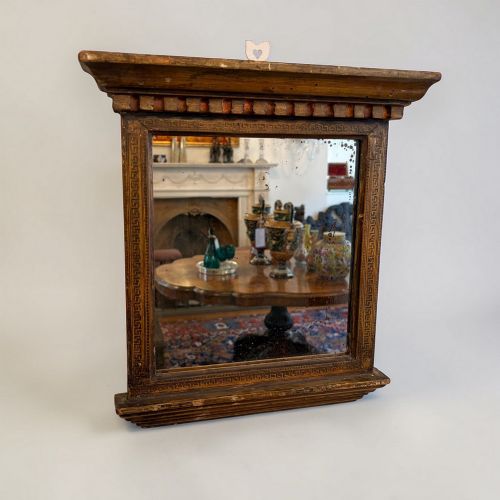
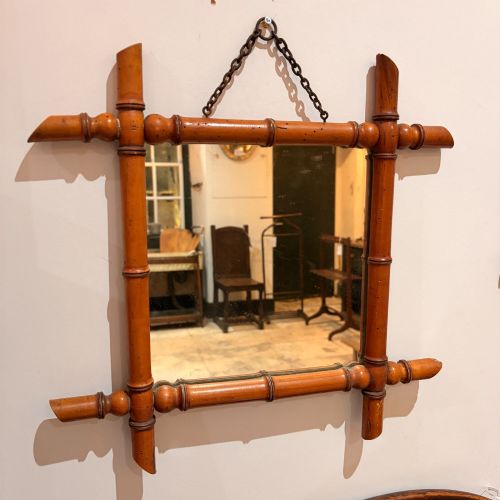
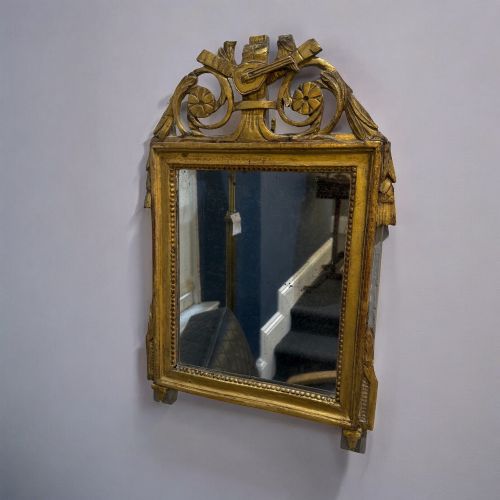
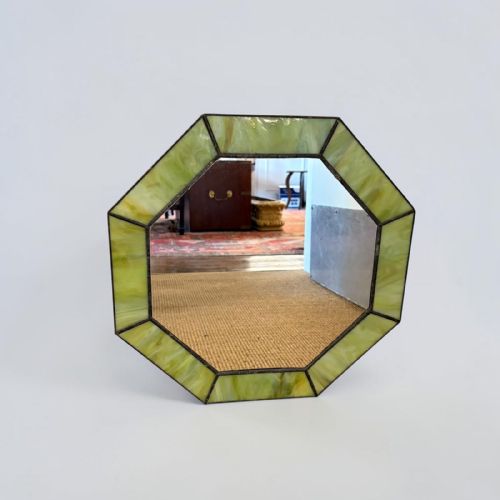



Small Glass Mirror
A small glass mirror brings light and depth to tight spaces, shifting the entire atmosphere of a room.
Small Glass Mirror
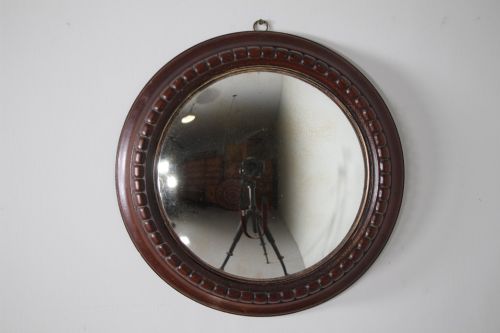
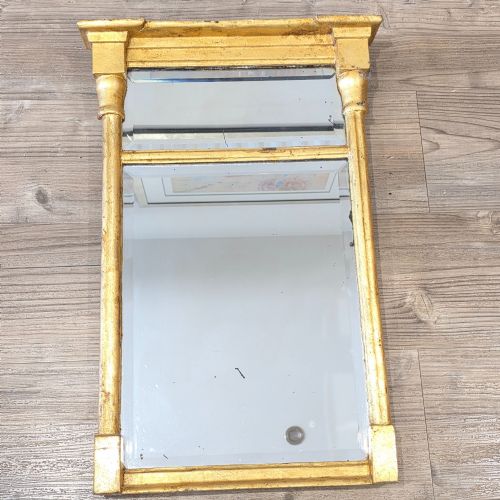
A small glass mirror offers a compact way to introduce period character into domestic spaces, appearing in forms from wall-hanging frames to dressing and table models. When searching for a small glass mirror, collectors encounter diverse configurations including pier mirrors, convex plates, and dressing table variants spanning multiple centuries.
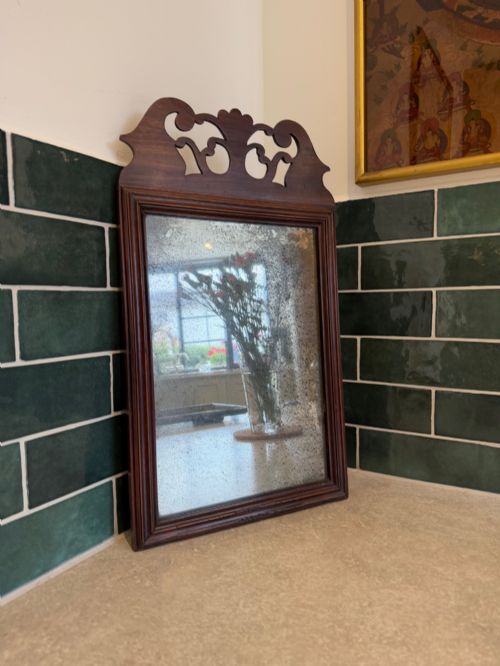
The selections on this page draw from the eighteenth, nineteenth, and early twentieth centuries, capturing styles from Georgian fretwork to Victorian and Edwardian framing. Wall mirrors and tabletop dressing pieces dominate these offerings, shaped by regional British, French, and Italian traditions.
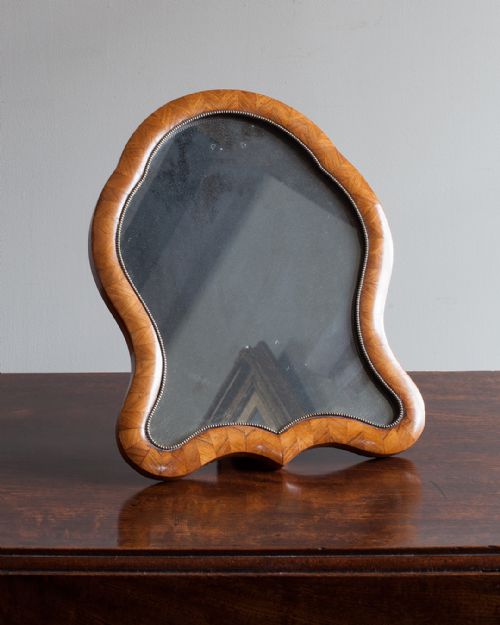
Surviving examples range from simple oak and mahogany domestic items to ornate giltwood and gesso pieces designed for formal reception rooms. Buyers meet everything from austere mahogany toilet mirrors to elaborate rococo cartouche frames and convex sorcerer optics.
Materials and construction methods
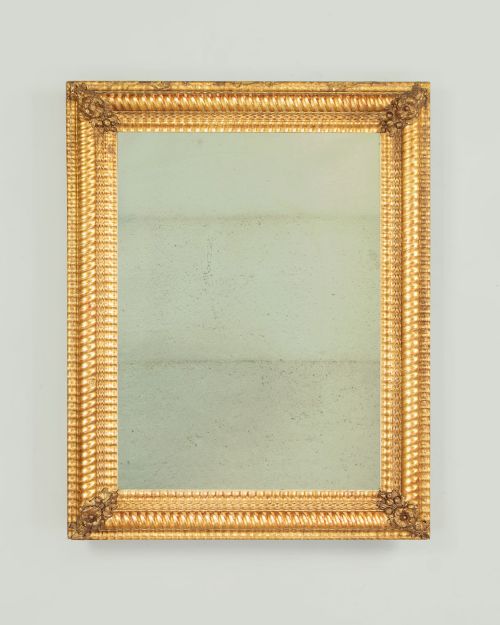
Giltwood and gesso form the backbone of decorative framing in this selection, often built upon carved wooden carcases using traditional water gilding over layers of prepared gesso. Artisans shaped these frames by hand, applying thin leaves of gold to create reflective surfaces that caught candlelight and daylight alike.
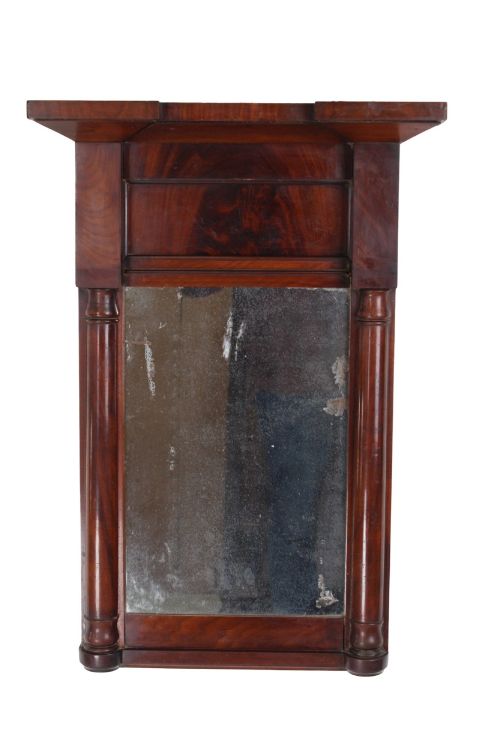
Cabinet timbers such as mahogany, oak, walnut, sycamore, and kingwood underpin many of the functional dressing and pier mirrors, joined with period joinery techniques. Secondary materials like brass fixtures, velvet linings, and ebonised finishes complete the construction of these compact items.
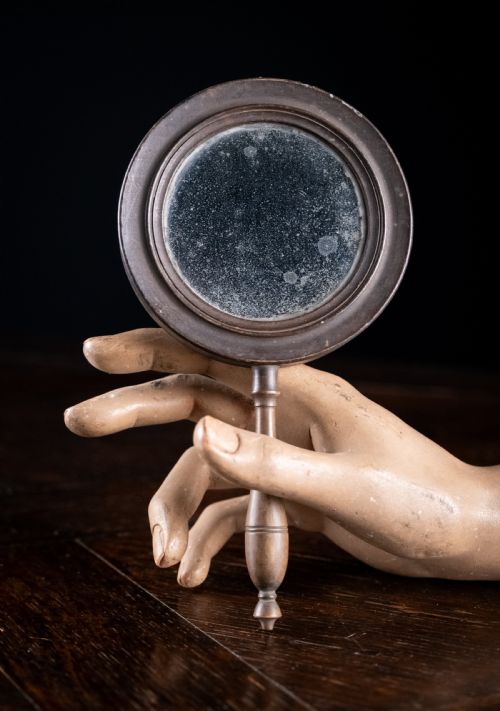
The glass plates themselves vary in production, encompassing early silvered glass, original foxed plates with distinctive age spots, and convex circular optics designed to distort and widen spatial perception.
Small Glass Mirror Retail Price Guide 2026
Typical asking prices for small glass mirror among the pieces listed under this phrase on Sellingantiques today, from the lower quarter to the upper quarter. They describe what is for sale here now, not the wider market.
Listings feature periods spanning from the eighteenth century through to the 1930s, utilising materials including giltwood, gesso, mahogany, brass, and ebonised wood.
Distinctions in craftsmanship and preservation
The distinction between standard domestic items and superior examples lies in the crispness of hand-carved gesso detail and the depth of the original gilding. Finer pieces retain their untouched surface patination, showing genuine wear without clumsy later repairs to the fragile wooden or composition mouldings.
Glass plates present another key indicator of merit, where surviving original silvering or characteristic foxing adds historical integrity compared to modern replacements. The quality of the underlying timber joinery and the presence of original brass hanging hardware further separate utilitarian items from master-carved showroom pieces.
The Small Glass Mirror Glossary
- Giltwood
- Wood carved and coated with gold leaf. This technique creates a luminous metallic finish popular across eighteenth and nineteenth-century frames.
- Gesso
- A plaster mixture applied to wood frames as a base for gilding. Skilled artisans carved intricate scrollwork and floral motifs directly into this dried compound.
- Foxing
- Age-related spots and discolouration within the mirror plate. This natural oxidation process occurs as the reflective backing deteriorates over decades.
- Pier mirror
- A tall, narrow glass designed to hang on the wall between windows. These pieces maximised natural light reflection in period interiors.
- Convex mirror
- A round mirror with an outward-curving surface providing a wide-angle reflection. They were frequently utilised in nineteenth-century interiors to survey entire rooms.
Small Glass Mirror: Frequently Asked Questions
Where should I hang a small glass mirror?
These compact mirrors suit narrow spaces such as hallways, landings, or between windows where they catch and multiply available light.
They also function effectively above small console tables or within gallery arrangements alongside framed artwork.
How do I clean an antique mirror plate?
Use a dry or barely damp microfiber cloth to remove dust without disturbing fragile edges or vulnerable original backing.
Avoid commercial chemical sprays, as moisture can seep behind the glass and accelerate the degradation of the silvering.
How do I identify a Georgian dressing mirror?
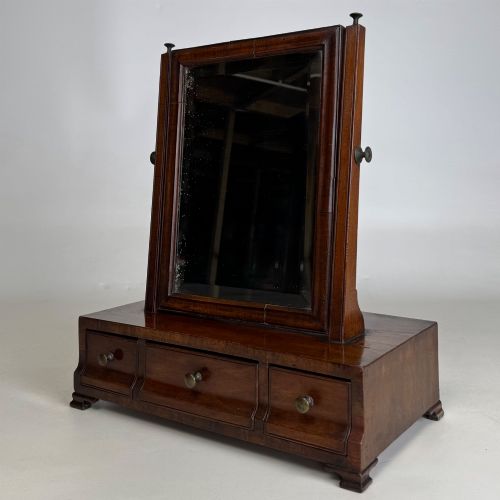
Georgian dressing mirrors typically feature small box bases containing fitted drawers beneath a pivoting rectangular mirror plate.
They rely on rich cabinet timbers like mahogany and incorporate subtle bracket feet and brass adjustment hardware.