



Small Georgian Dining Table
When you search for a small georgian dining table, you are looking for a versatile piece that maximises compact dining spaces.
Small Georgian Dining Table
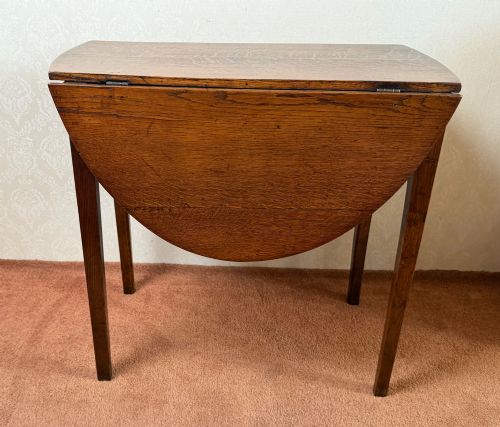
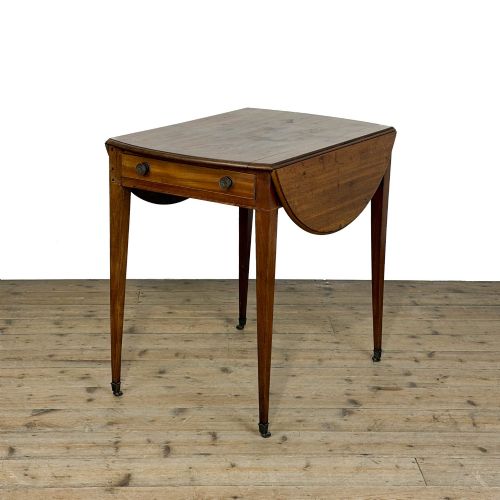
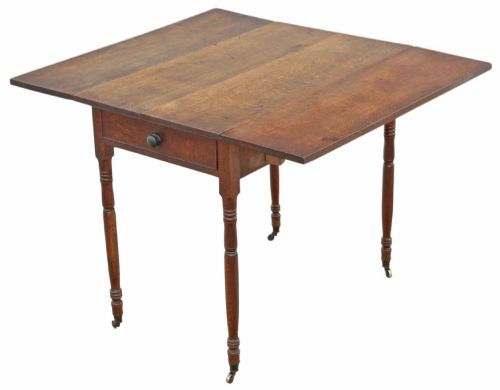
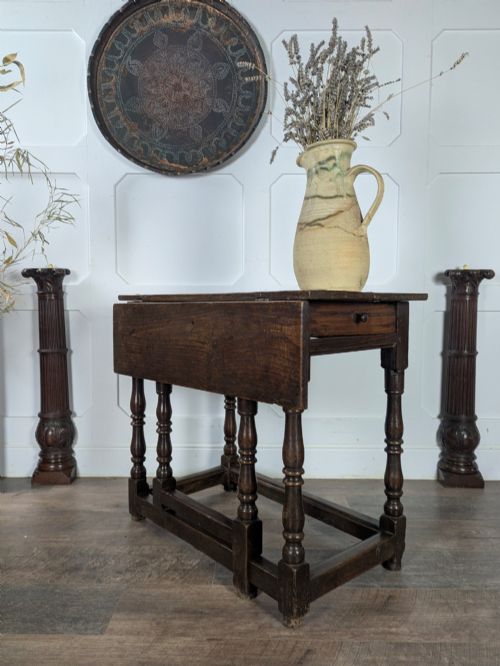
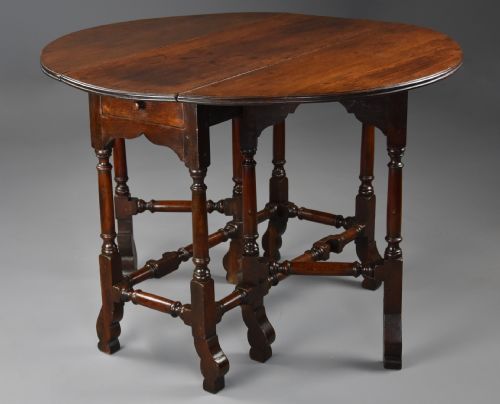
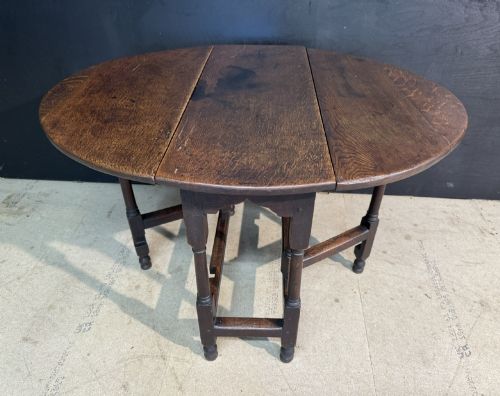
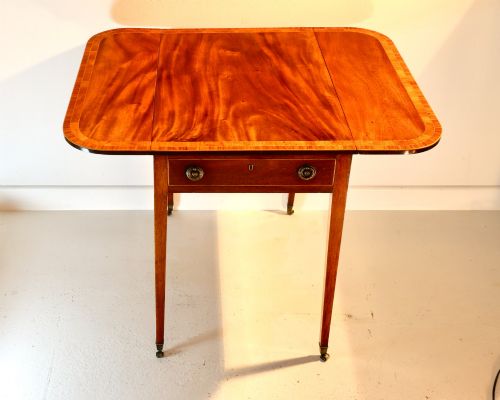
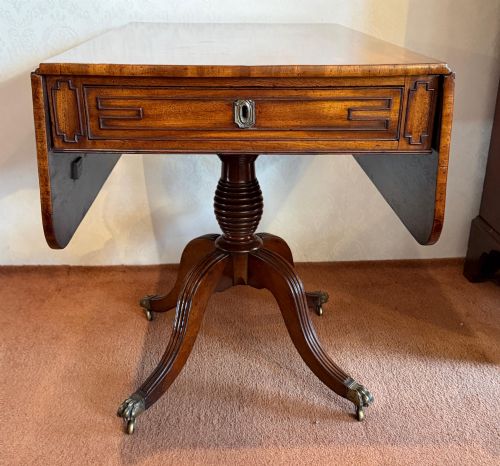
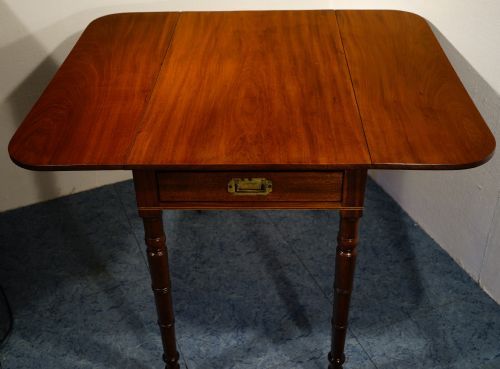
A small georgian dining table encompasses flexible formats designed for modest rooms, predominantly appearing as drop-leaf, gate-leg, and pembroke tables rather than fixed frames.
The selections span from 18th-century country oak pieces to refined mahogany designs from the Regency period, often seating four diners.
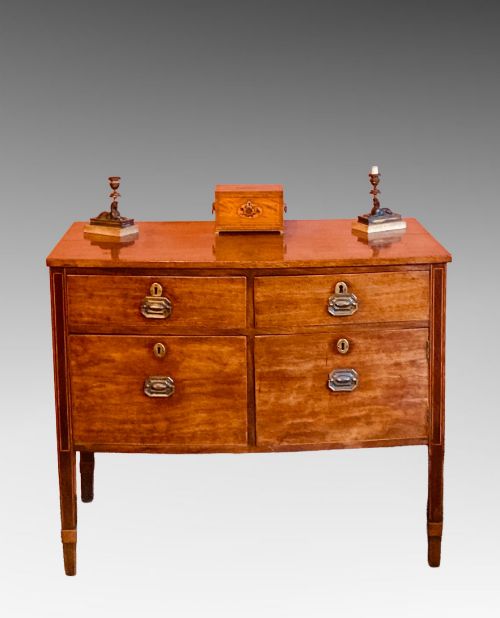
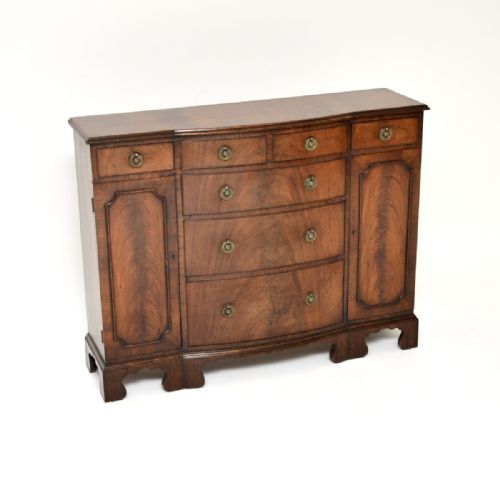
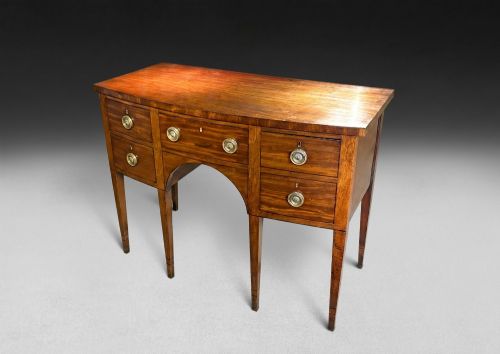
Buyers frequently encounter drop-leaf dining tables and compact sideboards sharing the same domestic lineage.
How they were made
Cabinetmakers relied heavily on mahogany, oak, and fruitwood, utilising solid timbers alongside figured veneers for tabletops and sideboards.
Drop-leaf and gate-leg mechanisms required robust framing, frequently incorporating brass hinges and turned supports to bear the weight of folding leaves.
Small Georgian Dining Table Retail Price Guide 2026
Typical asking prices for small georgian dining table among the pieces listed under this phrase on Sellingantiques today, from the lower quarter to the upper quarter. They describe what is for sale here now, not the wider market.
Some clever drop-leaf formats included deception tables designed to conceal their true utility until dinner was served.
What varies in quality
Quality rests upon timber selection, evident in the choice of Cuban mahogany or figured grain, and the crispness of fine inlay work like satinwood and ebony stringing.
Construction integrity defines the superior pieces, showing stability in the gate-leg pivots and smooth operation in drop-leaf joints and drawers.
Morison of Ayr
The Small Georgian Dining Table Glossary
- Pembroke table
- A small table with two hinged flaps dropping from the sides, frequently fitted with a drawer. This form suited breakfast use and light dining.
- Gateleg table
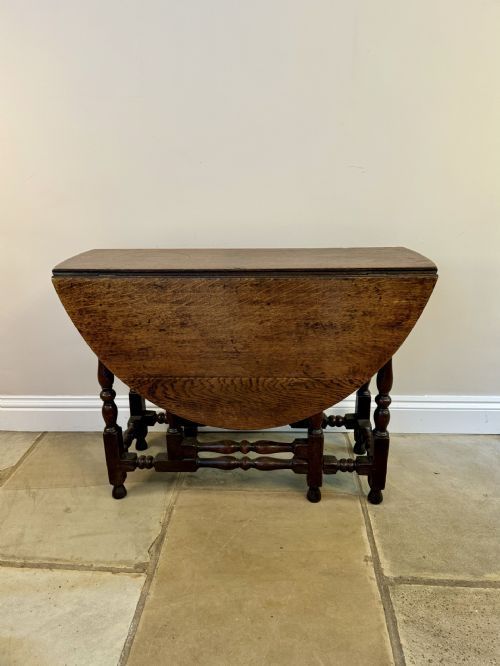
- A table with hinged leaves supported by legs that swing outward like a gate. This construction provides sturdy support for drop leaves.
- Bowfront
- A convex curved front typical of sideboards and cabinets. The shape softens room angles while offering interior depth.
- Drop-leaf table
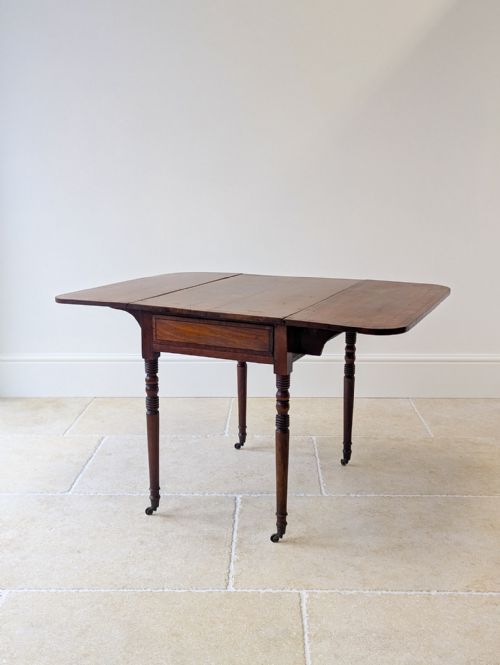
- A table featuring a fixed centre section and hinged flaps that lower when not in use. It allowed domestic spaces to adapt quickly after meals.
- Stringing
- Thin inlaid lines of contrasting wood used to outline panels and borders. It added delicate linear detail to mahogany furniture.
Small Georgian Dining Table: Frequently Asked Questions
How many people do these tables seat?
Most compact drop-leaf and gate-leg versions comfortably seat four diners when fully opened.
Their flexible leaves mean they reduce in footprint when meals conclude.
Where were these tables used?
They served primarily in parlours, smaller dining rooms, and farmhouse kitchens where floor space remained at a premium.
Their adaptability allowed them to function as side tables between meal times.
How do I spot a Regency table?
Regency pieces often display darker mahogany, brass details, and columnar pedestals dating from around eighteen hundred to eighteen twenty.
They frequently lean towards neoclassical lines compared to earlier geometric oak forms.
What is the difference between oak and mahogany?
Oak items usually hail from earlier eighteenth-century country workshops, showing strong grain and sturdy gate-leg framing.
Mahogany examples typically present a finer, polished reddish-brown surface suited to formal settings.