
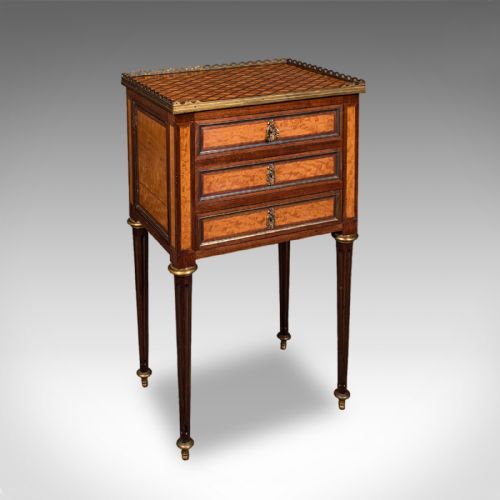
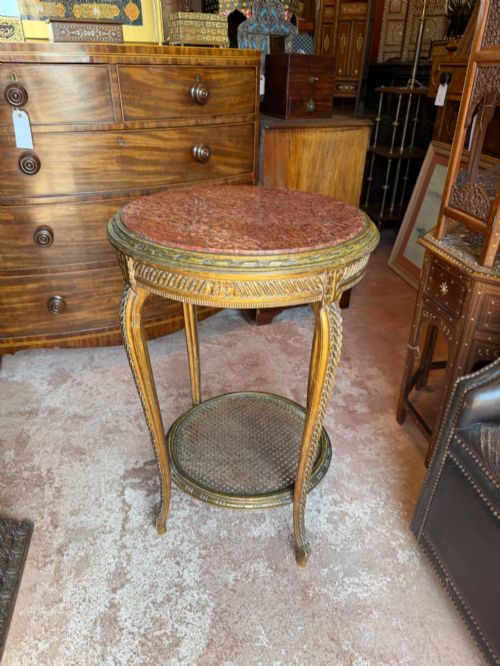
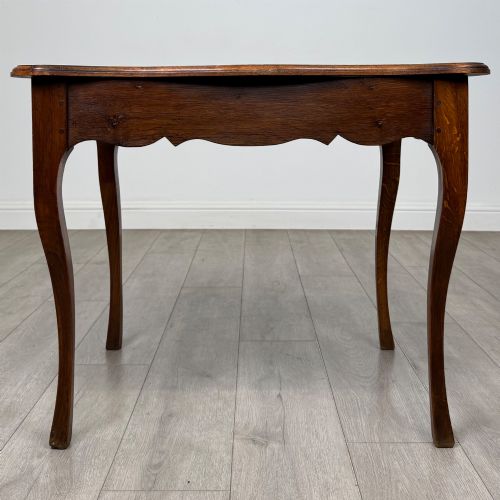
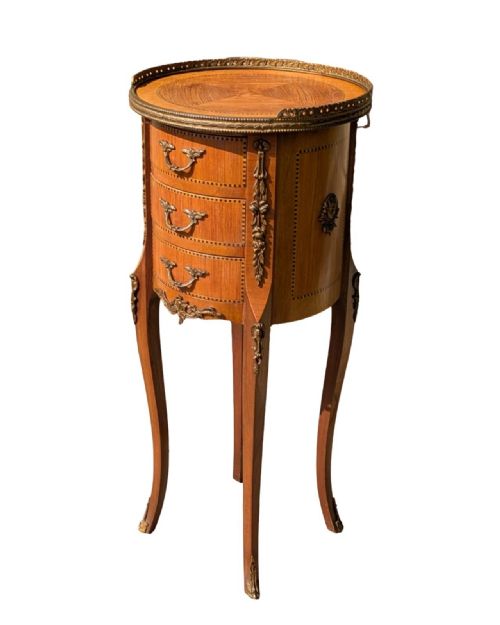
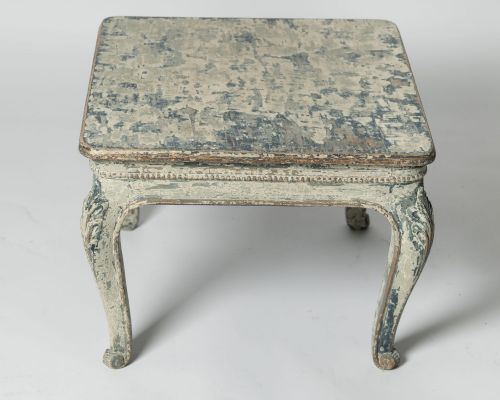
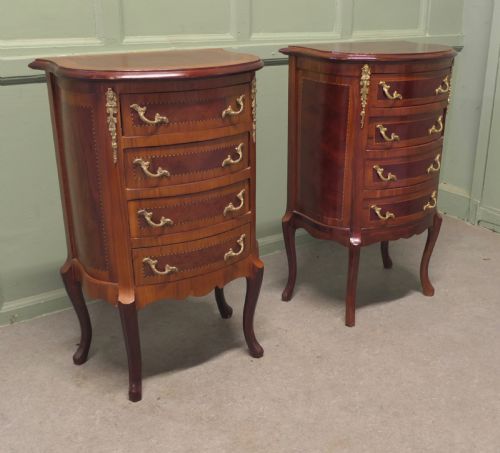
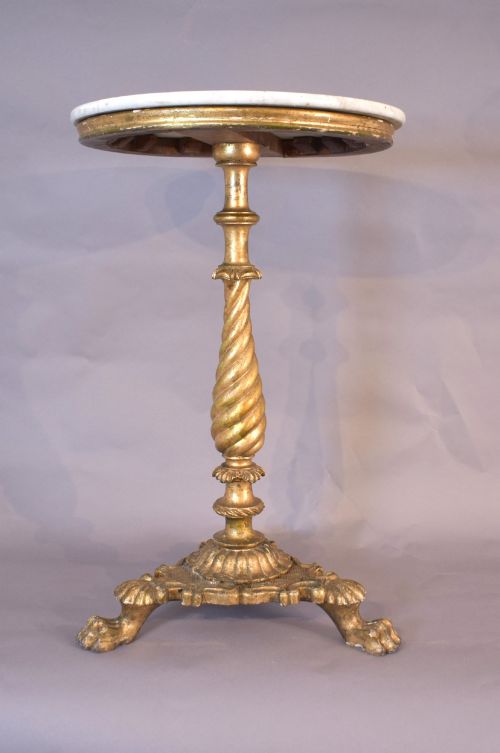
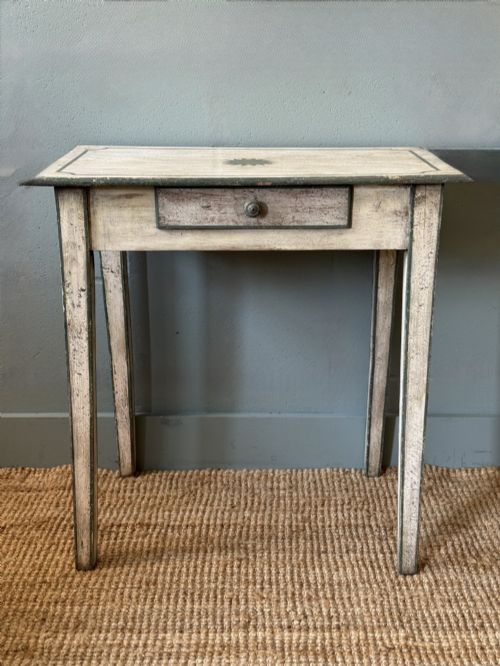
Small French Side Table
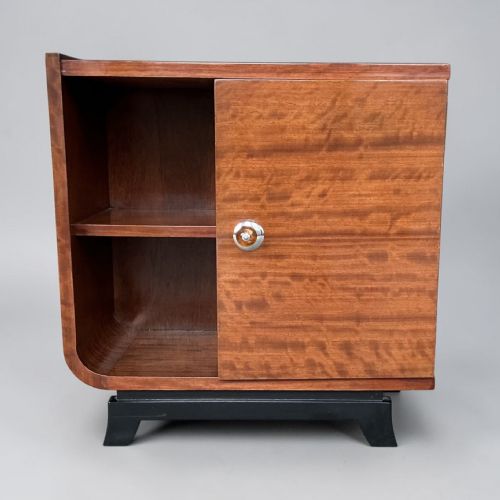
When searching for a small french side table, buyers encounter compact occasional pieces spanning nineteenth-century provincial woods to refined art deco walnut designs.
Small French Side Table
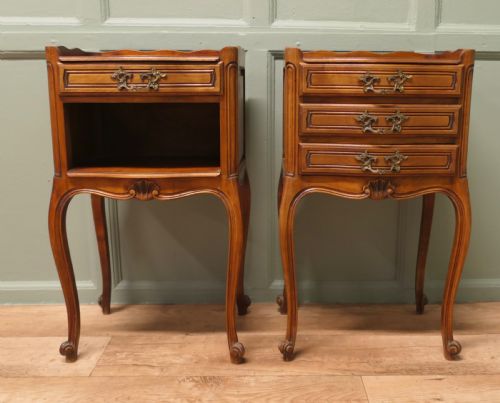
A small french side table encompasses a diverse group of compact furnishings utilised for functional placement beside seating or beds. The selection spans robust nineteenth-century provincial fruitwood and oak designs to lighter twentieth-century kingwood and mahogany occasional furniture.
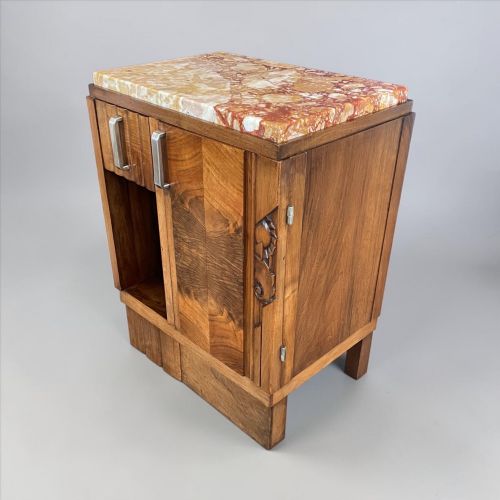
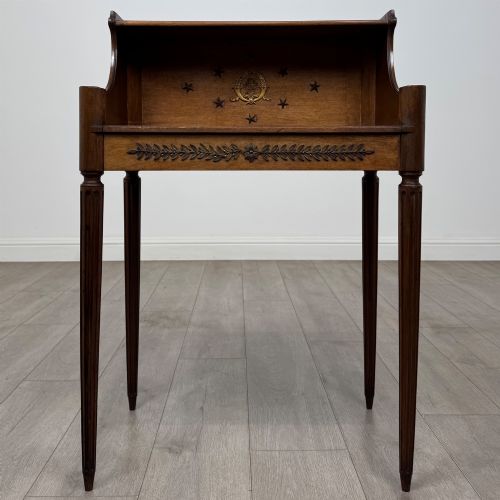
Most examples originate from the nineteenth and early twentieth centuries, including Victorian revivals and art deco periods. Buyers frequently encounter bedside cabinets, gueridon tables, and diminutive writing desks within this category.
These items serve practical roles in modern interiors as lamp stands, nightstands, or display surfaces. Their compact proportions allow them to fit easily into smaller rooms while retaining distinct continental character.
How they were made
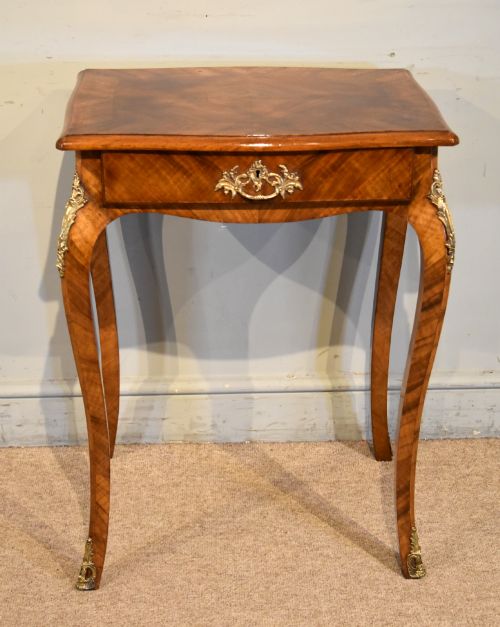
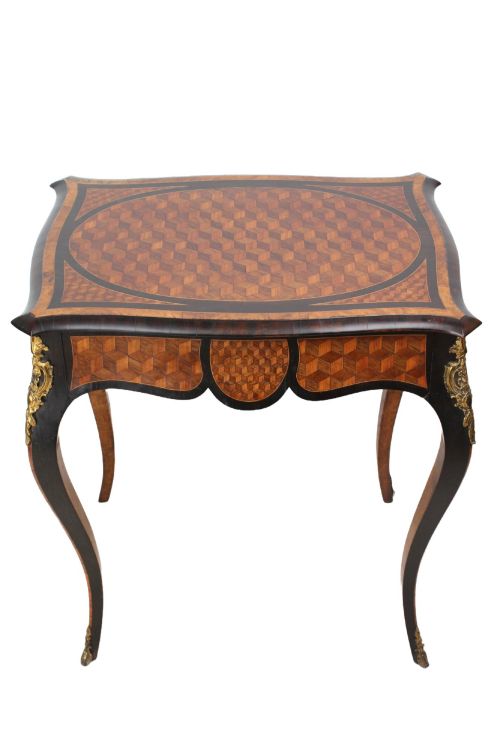
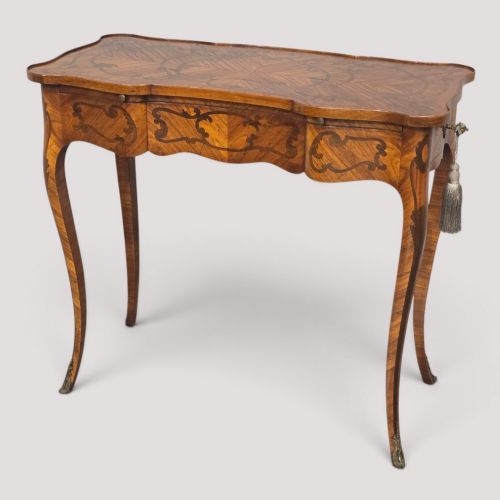
Cabinet makers utilised a rich palette of native and exotic timbers including walnut, mahogany, cherry wood, and kingwood. These woods were frequently laid as intricate parquetry or marquetry veneers over firmer structural bases.
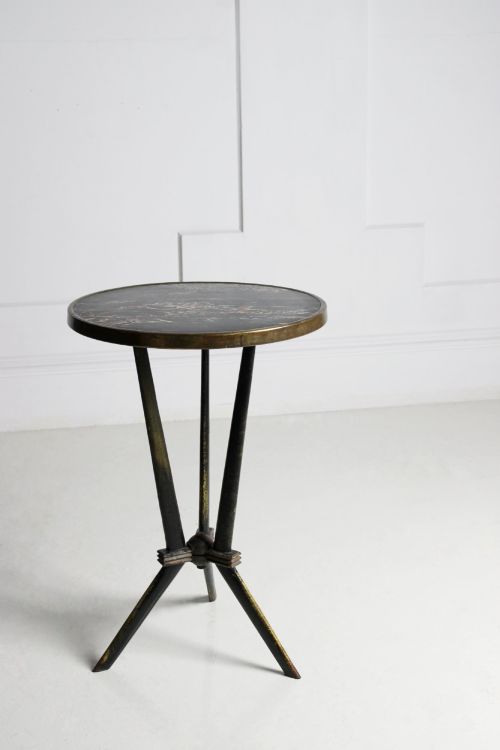
Many tables incorporate heavy white or veined marble tops set into wooden frames, alongside cast brass and ormolu mounts. Iron and bronze components frequently accent the legs and rims of nineteenth-century gueridon and bistro forms.
Listings feature oak, walnut, and cherry woods alongside marble and ormolu mounts across nineteenth and twentieth-century periods.
What varies in quality
Quality rests upon the precision of the cabinet work, particularly in the alignment of wood veneers and the crispness of applied bronze or ormolu mounts. Finer pieces demonstrate careful selection of burr woods and symmetrical grain patterns across table tops and drawer fronts.
Structural integrity depends on the stability of joints and the retention of original hardware such as handles and escutcheons. Superior examples preserve their original surface patination without excessive restoration masking the age of the timber.
JAS Shoolbred·A Hugnet Paris
The Small French Side Table Glossary
- Gueridon
- A small round table, typically supported by a central pillar or three legs, originating in seventeenth-century France. These pieces frequently feature marble tops and brass galleries.
- Parquetry
- A geometric mosaic of wood pieces used for decorative floors and furniture surfaces. Cabinet makers arrange contrasting timber veneers in repeating patterns like cubes or chevrons.
- Ormolu
- Gilded bronze mounts applied to the corners, legs, and aprons of fine furniture. This decorative technique became prominent during the reign of Louis XV and later revival periods.
- Bouillotte table
- A small neoclassical round card table featuring a raised brass gallery edge. They commonly incorporate small pull-out candle slides around the perimeter.
- Marquetry
- The art and craft of applying pieces of veneer to a structure to form decorative designs. Artisans cut floral, pictorial, or abstract motifs from various coloured woods.
Small French Side Table: Frequently Asked Questions
What is a gueridon table?
A gueridon is a small circular French table traditionally supported by a central pedestal or three legs. These versatile pieces frequently feature inset marble tops and brass gallery rails.
Historically utilised for holding candles or serving drinks, they function effectively today as lamp stands or decorative centrepieces in compact spaces.
How do I identify Louis XV revival style?
Louis XV revival pieces display characteristic asymmetrical curves, flowing naturalistic carvings, and cabriole legs terminating in scroll feet. This style emphasises grace and movement over strict symmetry.
Makers often incorporated floral marquetry and delicate ormolu mounts to emulate eighteenth-century court furniture during later Victorian and Edwardian periods.
Are marble top tables practical?
Marble top tables offer a durable, heat-resistant surface that makes them exceptionally well-suited for use as bedside cabinets or occasional lamp tables. The stone provides natural resistance to everyday wear.
Maintenance requires simple wiping with a damp cloth, avoiding acidic cleaners that might etch polished stone surfaces over decades of domestic use.
What distinguishes parquetry from marquetry?
Parquetry involves arranging geometric wood veneer pieces into repeating patterns such as cubes, lozenges, or squares. It relies on strict mathematical alignment for its visual impact.
Marquetry, by contrast, creates pictorial or organic designs like flowers and foliage using varied timber grains and colours assembled into figurative compositions.