





Small Floor Runner
A small floor runner delivers instant character to a hallway or hearth, bringing centuries of tribal and regional weaving skill straight to your boards.
Small Floor Runner
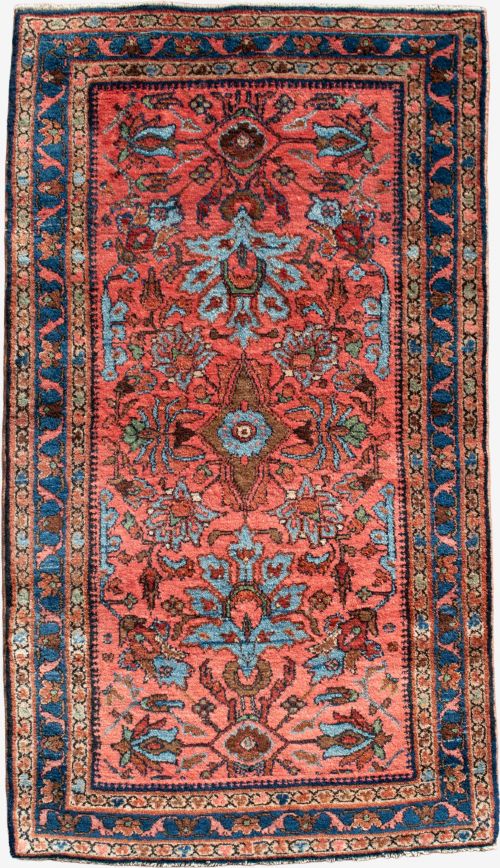
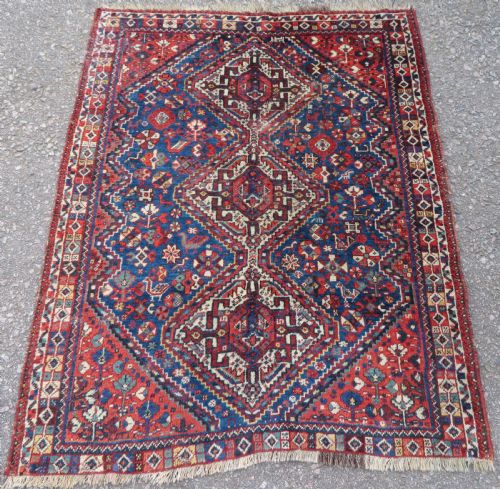
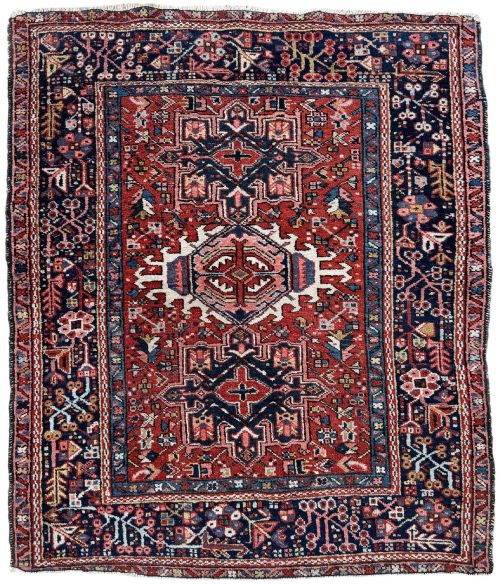
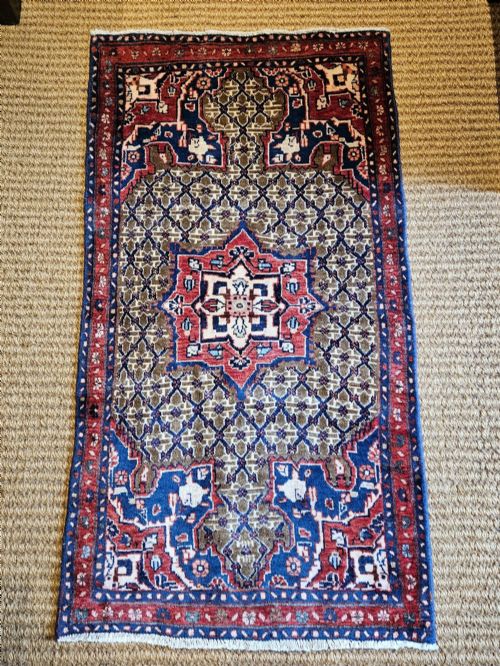
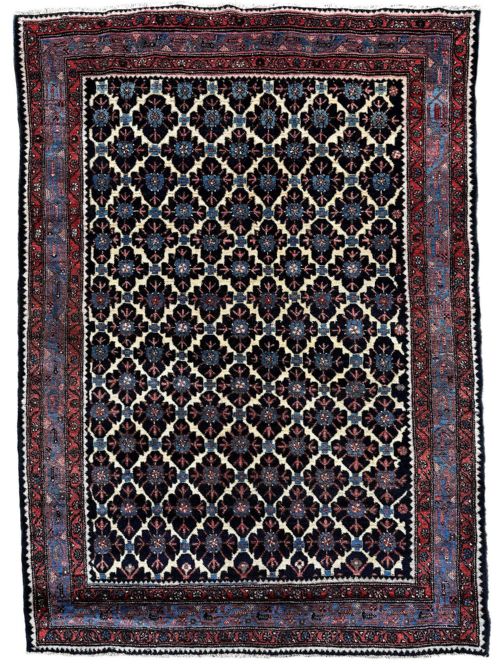
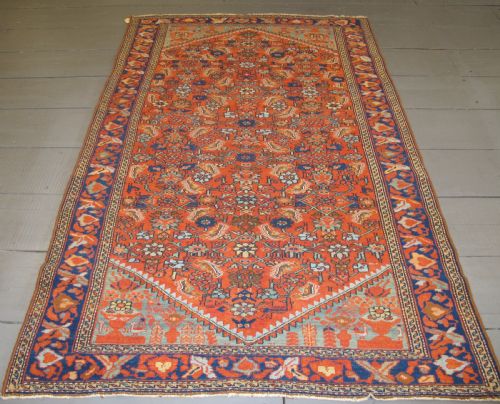
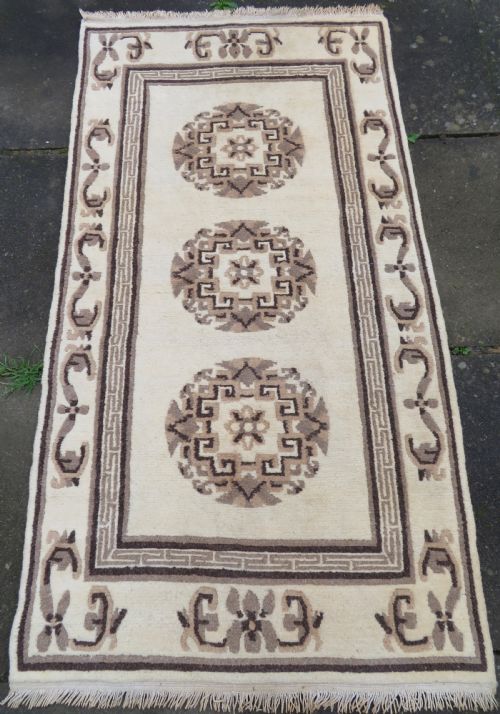
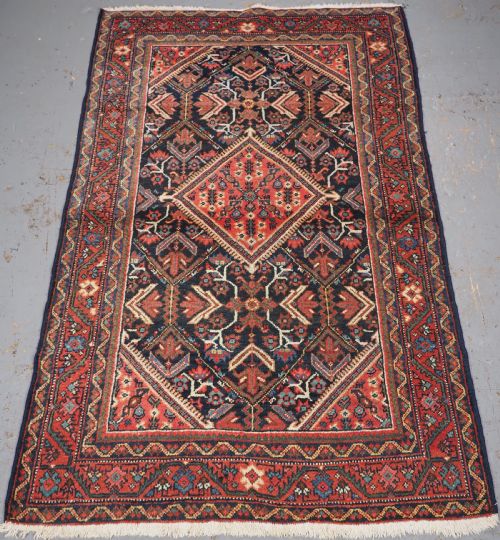
A small floor runner covers compact floor spaces with woven wool and cotton, offering practical foot coverings that ground narrow rooms and hearths. When you search for a small floor runner, you encounter village and tribal pieces originating from Persian, Afghan, Caucasian, and Chinese workshops. These textiles range from nineteenth-century examples to pieces made through the opening decades of the twentieth century.
The selections here highlight rugs and area rugs structured in regional styles such as Persian Tribal, Baluch, Kurdish Senneh, and Karaja. Many measure under two metres in length, suiting confined spaces where standard carpets overwhelm the proportion. Such formats include hearth-sized rugs and narrow village formats designed for daily traffic.
Village weavers constructed these runner formats to fit specific architectural niches within traditional homes, resulting in varied proportions from elongated strips to near-square scatter sizes. The patterns display medallion layouts, Lesghi star motifs, and overall floral designs derived from local weaving traditions. Each piece reflects the aesthetic of its specific provenance, whether South Persian, East Caucasian, or Himalayan regional.
Assessing Quality and Execution
Knot density and structural tightness dictate the crispness of the design, separating finely rendered pieces from coarser village productions. Tightly packed foundations ensure the rug lies flat and resists distortion over time.
The purity and depth of the dyestuffs influence the visual success of the piece, as rich natural colours age with greater harmony than harsh synthetic tones. Preservation of the original outer borders and selvedges also defines the standing of a textile within its regional group.
Small Floor Runner Retail Price Guide 2026
Typical asking prices for small floor runner among the pieces listed under this phrase on Sellingantiques today, from the lower quarter to the upper quarter. They describe what is for sale here now, not the wider market.
Village weavers occasionally inserted accidental asymmetry into tribal medallions, leaving a permanent fingerprint of the hand that tied the knots.
The Small Floor Runner Glossary
- Abrash
- A natural variation of colour within the same field of dye, caused by different dye batches or changes in wool supply. This tonal shading adds depth to antique village rugs.
- Warp
- The vertical threads stretched lengthwise on the loom before knotting begins. Cotton or wool warps form the structural skeleton of the textile.
- Weft
- The horizontal threads passed back and forth across the warps after each row of knots. They bind the structure together and secure the pile.
- Medallion
- A central ornamental design motif placed in the middle of the field. Many regional rugs centre their composition around this focal point.
- Pile
- The vertical surface of yarn created by individual knots clipped to a uniform height. The pile provides the soft texture and absorbs wear.
- Selvedge
- The finished side edges of a rug formed by wrapping the outermost warps. A sound selvedge prevents the edges from unravelling.
Small Floor Runner: Frequently Asked Questions
Where should I place a small floor runner?
These compact dimensions suit narrow entrance halls, beside a bed, or directly in front of an open hearth where a standard carpet proves too large.
They also define walkways through larger rooms without overwhelming the existing floorboards or furniture placement.
How do I care for an antique wool rug?
Vacuum gently with the suction attachment only, avoiding the rotating brush bar that can pull delicate old fibres.
Professional cleaning by a specialist in antique textiles remains essential to protect natural dyes and fragile foundations.
Are these pieces genuinely old?
The selection spans the nineteenth century through the early decades of the twentieth century, including pieces dated around nineteen-ten and nineteen-twenty.
Construction methods, natural dye patination, and traditional tribal designs confirm their period manufacture.
How do I distinguish regional rug styles?
Different areas employed distinct palettes and geometry, such as the precise floral work of Senneh or the bold geometric stars of East Caucasian weaving.
Examining the knotting style and foundation materials reveals the specific tribal or village workshop responsible for the piece.