

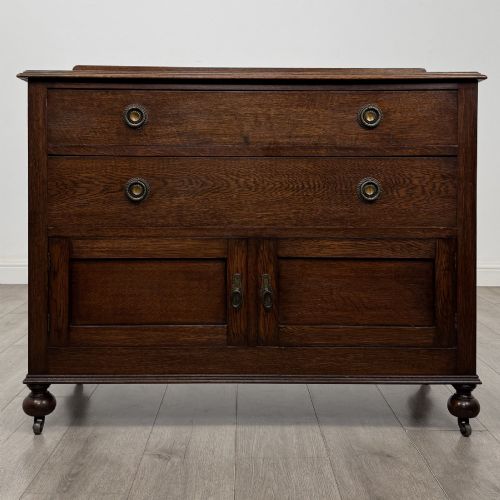
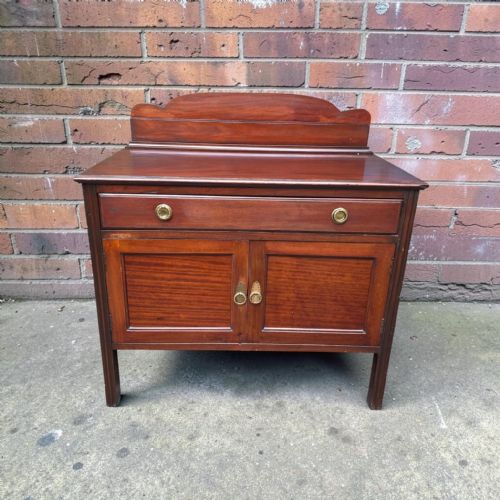
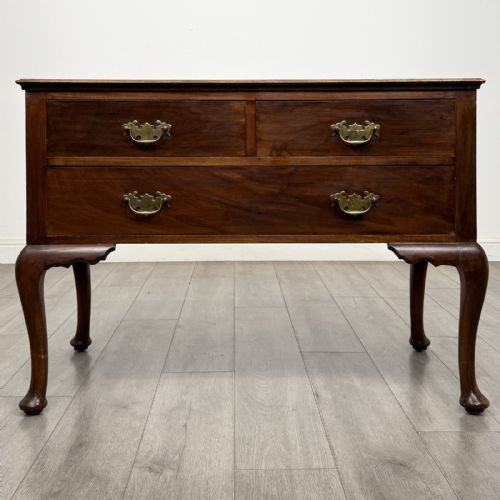
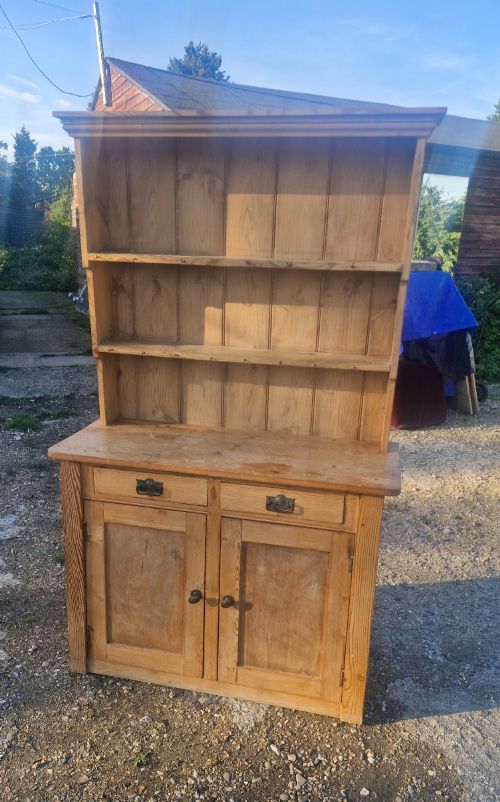

Small Edwardian Sideboard
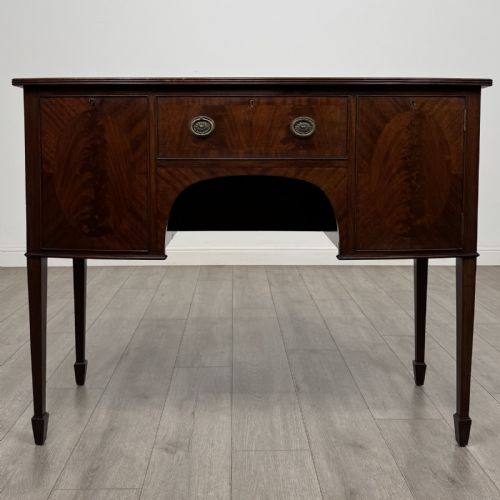
A small edwardian sideboard is a compact storage piece that brings period character and practical surface space to smaller dining rooms or hallways.
Small Edwardian Sideboard
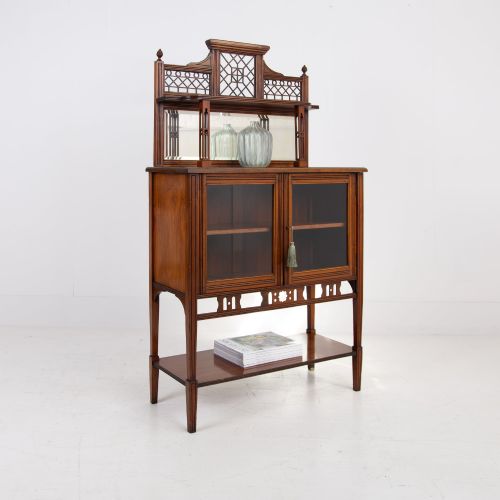
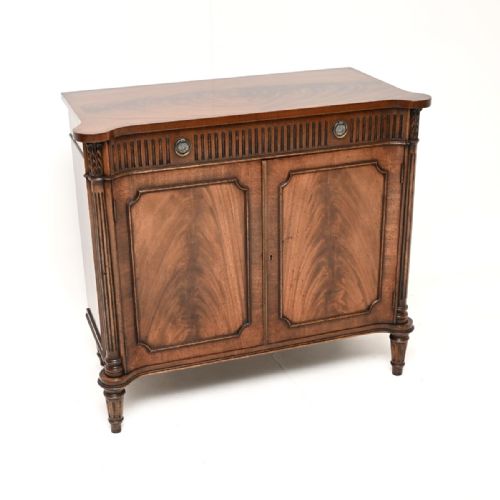
A small edwardian sideboard is primarily defined by its compact proportions and period origins, making it suitable for modern rooms needing functional antique storage. These items often appear alongside related storage forms such as small cupboards, cabinets, and chiffoniers.
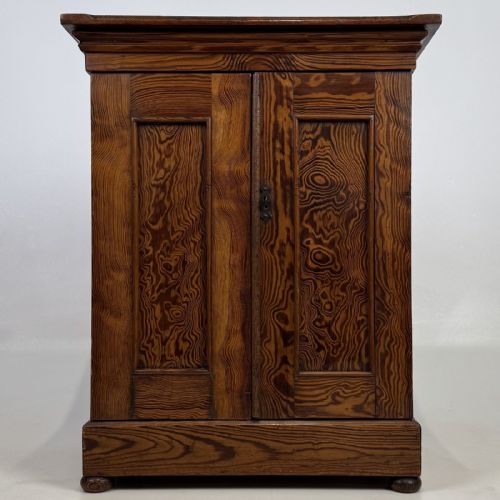
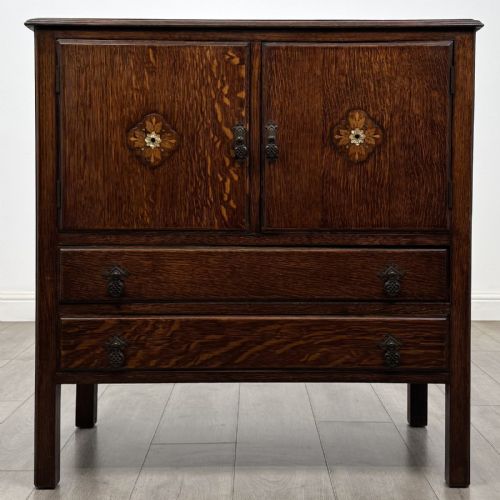
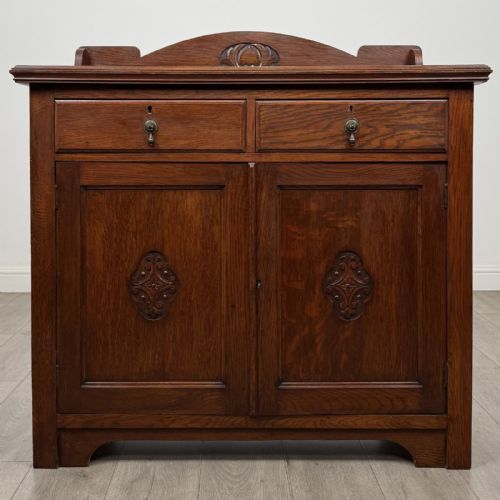
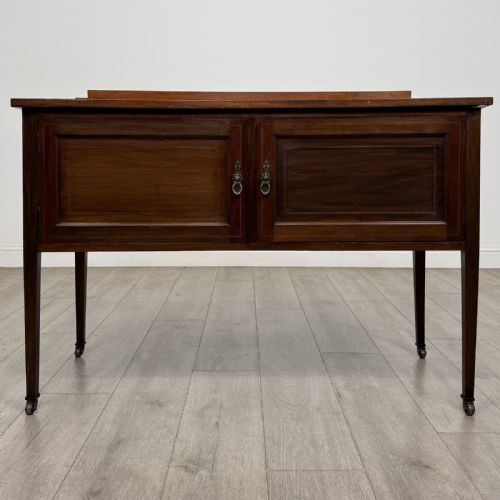
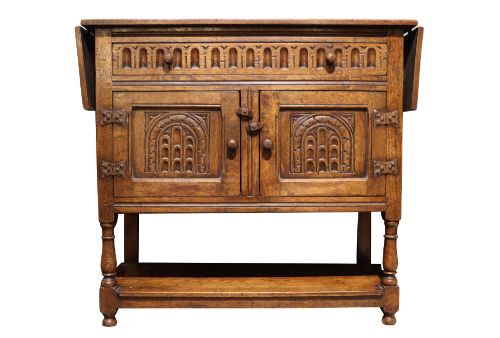
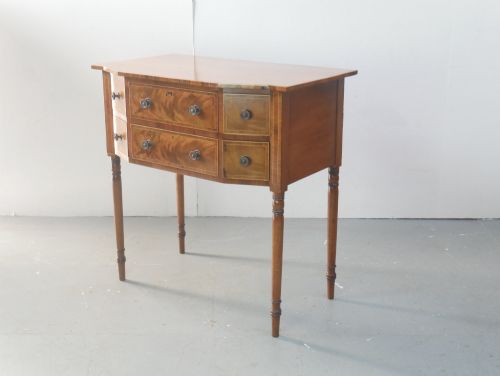
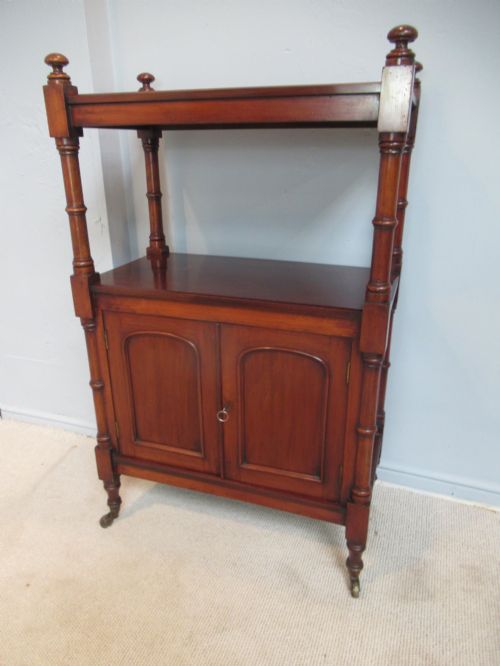
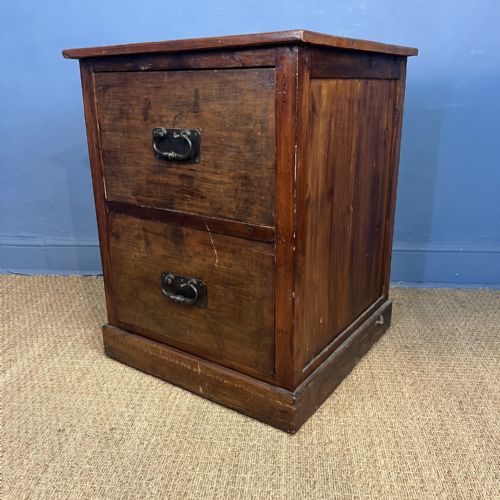
The selection ranges from bow front designs to simpler cupboards on legs, reflecting the varied tastes of the period. Alongside formal mahogany and satinwood pieces, simpler pine and oak examples occur frequently.
Assessing Quality and Execution
Quality rests on the selection of timber figures and the precision of inlaid details, where finer pieces display crisp lines and harmonious grain patterns. The integration of period hardware and the stability of the carcass also separate standard items from superior examples.
Maker attribution elevates certain pieces, particularly those bearing stamps or originating from known workshops. Proportions and the retention of original surface finishes further distinguish higher grade examples.
Small Edwardian Sideboard Retail Price Guide 2026
Typical asking prices for small edwardian sideboard among the pieces listed under this phrase on Sellingantiques today, from the lower quarter to the upper quarter. They describe what is for sale here now, not the wider market.
Listings feature woods including mahogany, oak, walnut, satinwood, pine, and teak alongside brass and mirror glass.
Maple & Co.·Peter Waals
The Small Edwardian Sideboard Glossary
- Bow front
- A convex curved front that swells outward at the centre. This shape softens the profile of a cabinet.
- Chiffonier
- A low sideboard or small cupboard equipped with drawers and shelves. It originates from the nineteenth century.
- Inlay
- Contrasting woods or materials fitted flush into the surface to form decorative patterns. Satinwood is commonly used for this purpose.
- Sheraton Revival
- A style inspired by late eighteenth-century neoclassical designs, notable for symmetrical lines and delicate inlay. It reappeared in popularity during the Edwardian era.
Small Edwardian Sideboard: Frequently Asked Questions
Where should I place a small edwardian sideboard?
These compact pieces fit well in dining rooms, narrow hallways, or living spaces where floor area is limited. Their modest proportions provide surface display without dominating the room.
They pair easily with other period or contemporary furniture while offering practical enclosed storage for everyday items.
How do I distinguish Edwardian pieces from Victorian ones?
Edwardian furniture generally exhibits lighter proportions and brighter finishes compared to heavier Victorian predecessors. Inlay work and Sheraton Revival motifs often point toward the Edwardian decades.
Construction details and secondary timbers can also offer clues, though stylistic crossover remains common around the turn of the century.
What types of wood were used most often?
Mahogany and oak predominate, appearing in both solid form and as veneers over secondary woods. Walnut, satinwood, pine, and teak also feature across different regional styles.
Finer reception pieces often showcase mahogany or satinwood inlay, while utilitarian cupboards tend to utilise oak or pine.
Do these sideboards offer practical storage?
Most examples combine cupboard space with interior shelving and occasionally one or more drawers. Their internal capacity suits tableware, linens, or general household items.
Buyers should check internal dimensions to ensure specific storage requirements fit within the compact carcass.