

Small Drawer Storage Unit
A small drawer storage unit brings order to tight spaces while offering the warmth of period wood and brass.
Small Drawer Storage Unit
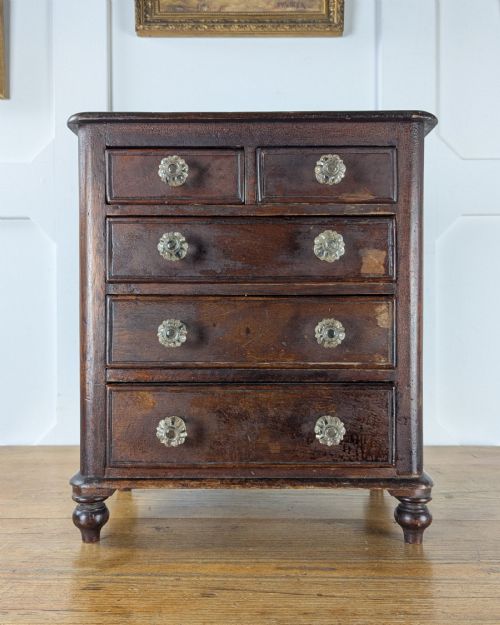
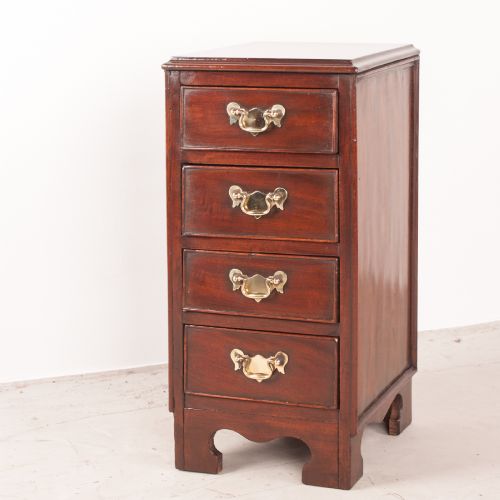
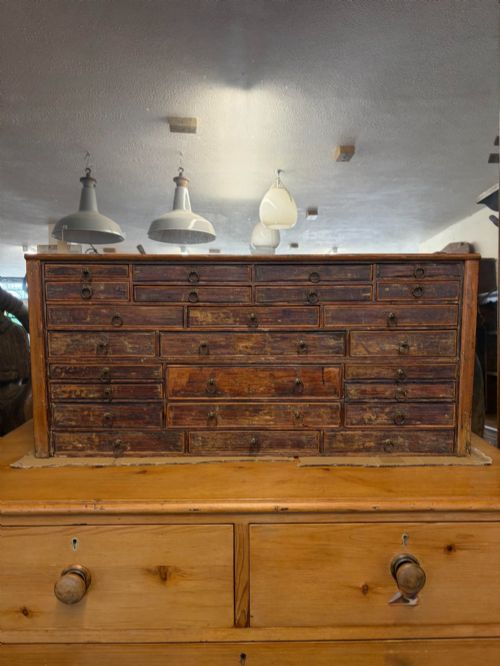
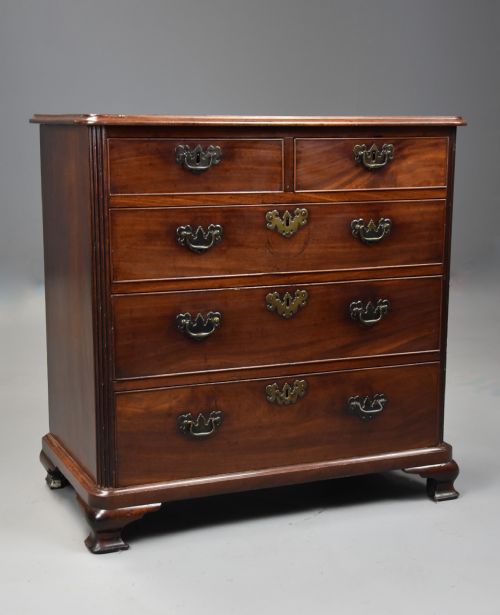
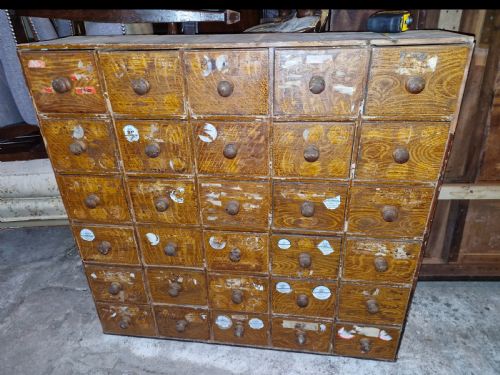
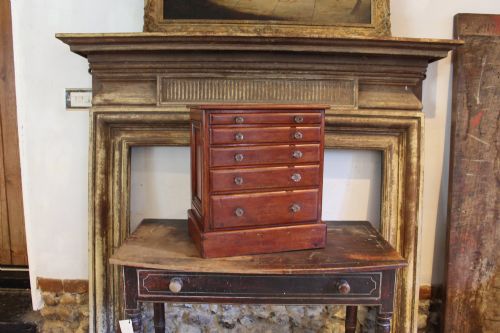
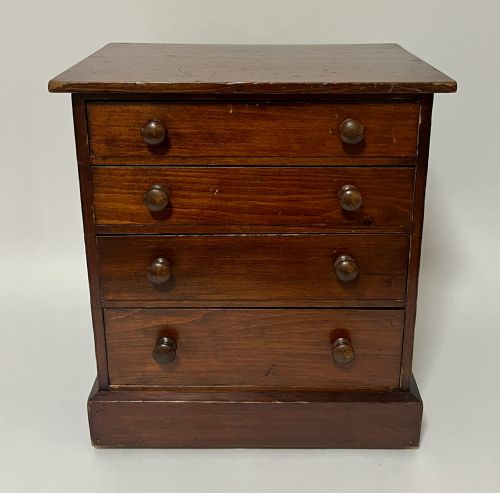
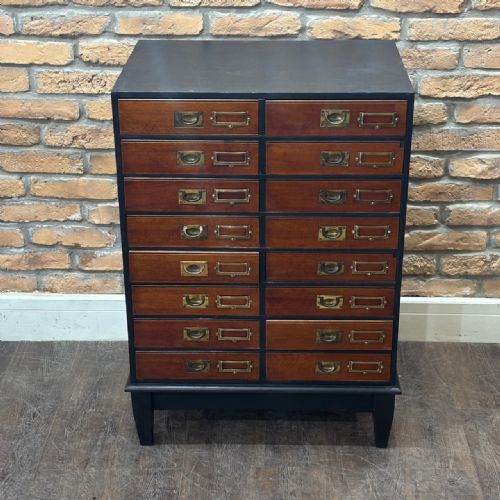
A small drawer storage unit meets the practical need for compartmented organisation through compact forms such as miniature apprentice chests, filing cabinets, and banks of multiple drawers. These pieces date from the eighteenth century through to the Art Deco period, encompassing Georgian, Victorian, and Edwardian examples built for domestic and commercial sorting.
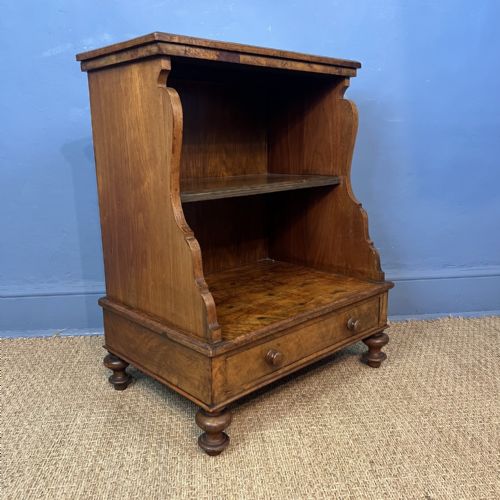
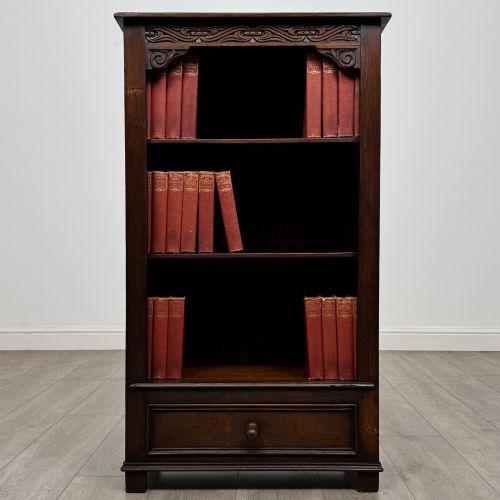
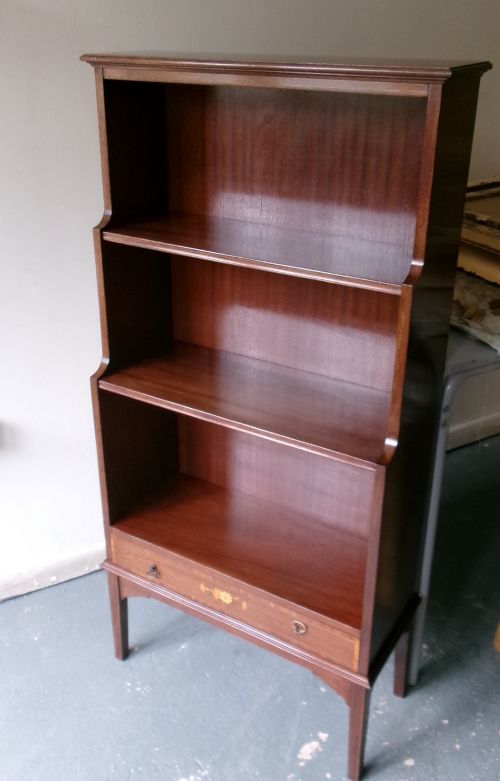
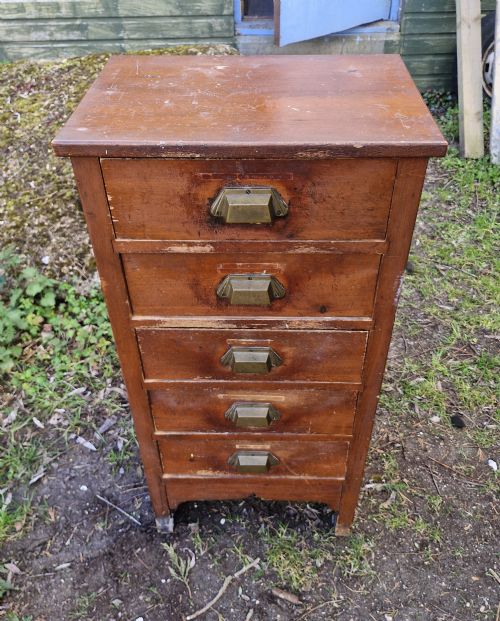
The varieties encountered here range from tall banks of office and shop drawers to bedside cabinets and low bookcases fitted with small compartments. Walnut, mahogany, pine, and oak appear frequently, often scaled down for tabletop or narrow floor placement.
How they were made
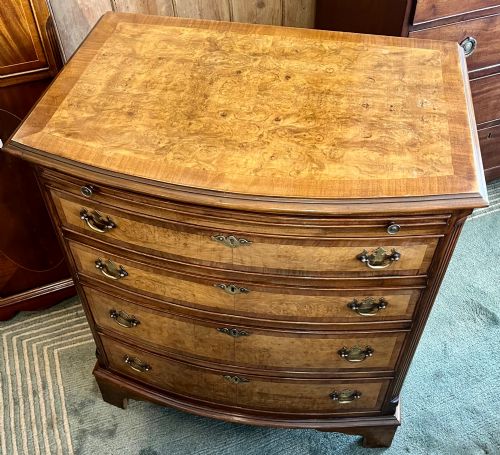
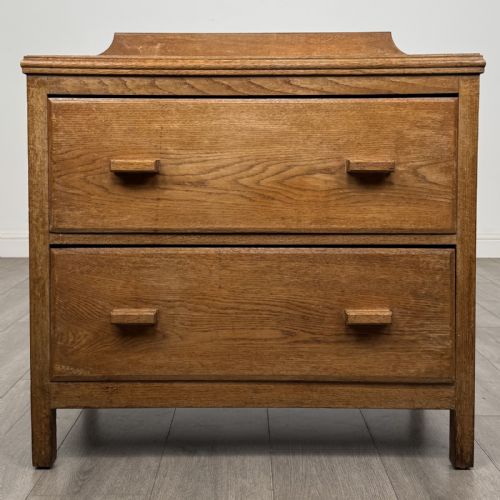
Carpenters constructed these units using solid timbers such as mahogany, oak, walnut, and pine, frequently pairing denser hardwoods for fronts with secondary woods for drawer linings. Brass handles, pulls, and label holders secure the operational fronts of office cabinets and collectors' chests.
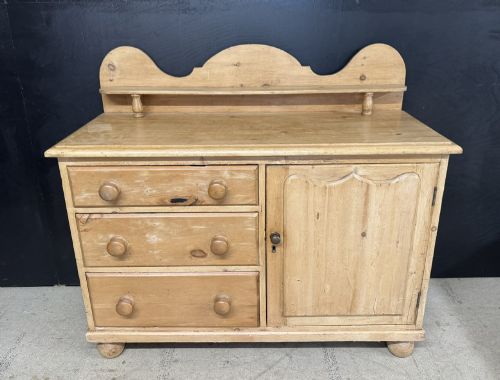
Surface treatments rely on polished finishes that highlight the grain of burr walnut, satin walnut, and mahogany, alongside painted or stained pine surfaces found in country and commercial workshop pieces.
Several medical carrying chests and ironmongery drawers reveal a past life of pill bottles and iron screws.
What varies in quality
The standard of timber selection and cabinetmaking determines the merit of a piece, distinguishing utilitarian workshop furniture from finely proportioned domestic cabinetry. Fine patination on eighteenth-century and nineteenth-century surfaces indicates age and careful maintenance of the polished wood.
Hardware integrity also separates examples, as original period brass handles and fitted compartment interiors retain the design intent of the maker far better than later replacements.
The Small Drawer Storage Unit Glossary
- Apprentice piece
- A miniature item demonstrating a craftsman's skill to secure professional standing. These small chests replicate full-size furniture proportions precisely.
- Bank of drawers
- A multiple-drawer unit designed for sorting documents, specimens, or trade goods. These commercial pieces feature numerous shallow compartments.
- Collectors cabinet
- A specialised storage unit fitted with multiple small drawers for organising items such as coins, insects, or minerals. Interiors often feature shallow depths and dust lips.
- Haberdashery cabinet
- A retail storage unit incorporating glass-fronted or wooden drawers used for displaying and sorting shop stock. They originate from commercial drapery and ironmongery trades.
- Patina
- The surface sheen and softening of colour developed by wood and brass over decades of handling and light exposure. It signals genuine age on period furniture.
Small Drawer Storage Unit: Frequently Asked Questions
What were small drawer units originally used for?
These units served varied roles depending on their scale and trade origin, ranging from merchant paperwork and shop stock to collectors' specimens and household documents.
Office and filing versions organised correspondence, while miniature apprentice chests demonstrated woodworking proficiency and served domestic sorting needs.
How do I identify a Victorian piece?
Victorian examples often employ dense timbers like mahogany and walnut, frequently accompanied by turned wooden feet and period brass hardware.
Construction details and proportions typical of the nineteenth century help distinguish these from later twentieth-century office furniture and reproduction items.
Are these units suitable for modern living spaces?
The compact footprints of these cabinets make them practical for desktop organisation, bedside placement, or hallway storage in contemporary homes.
Their varied drawer configurations accommodate modern stationery, small accessories, and collections while adding period character to a room.
What is the difference between an apprentice chest and a standard chest?
Apprentice chests are built to a miniature scale with fine detail work, reflecting the proportions of larger furniture rather than standard room storage.
Standard small chests of drawers provide reduced height and width for domestic spaces while maintaining full operational scale for daily use.