

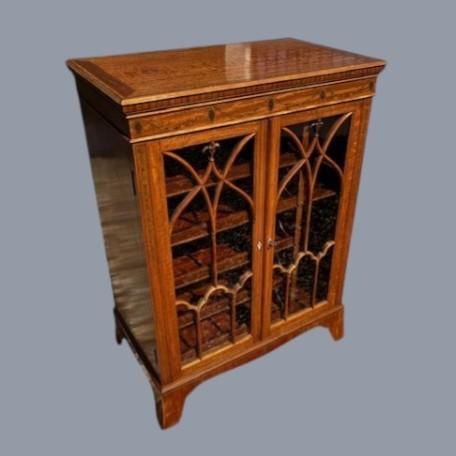
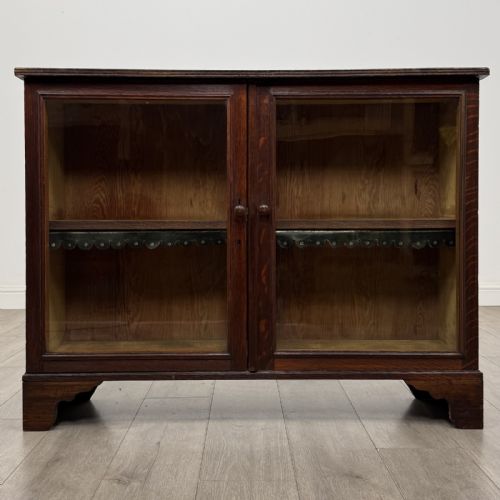
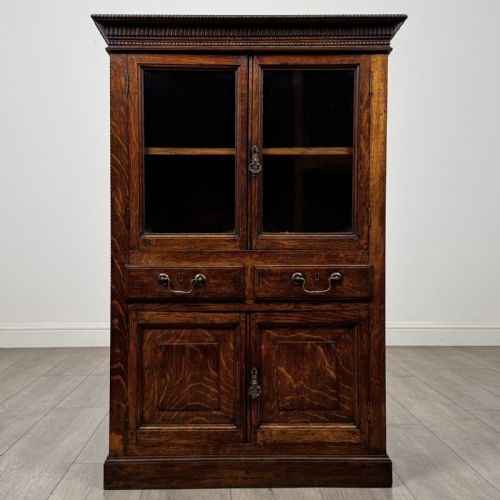
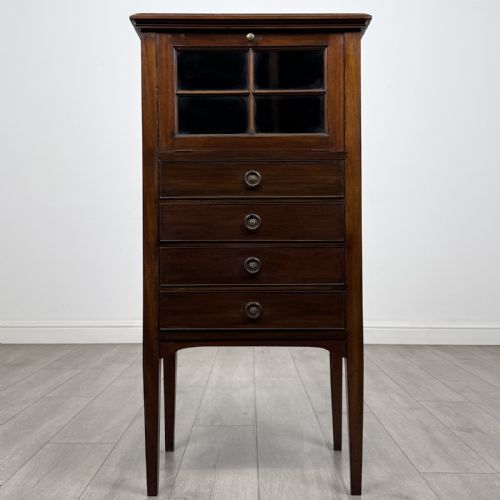
Small Display Cupboard
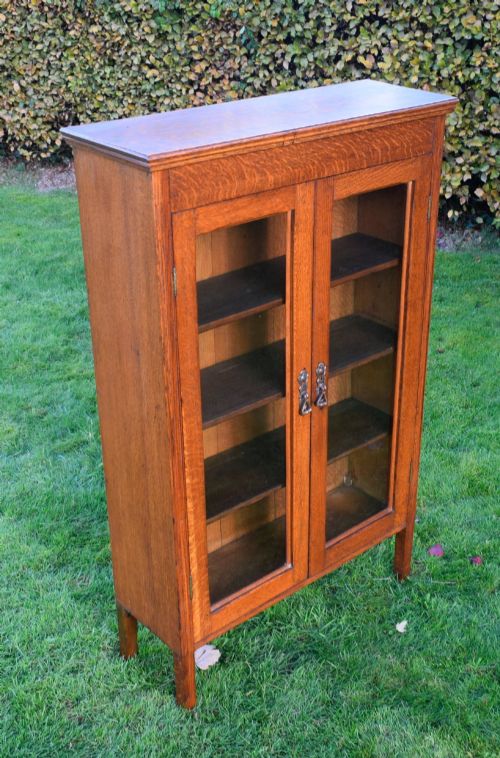
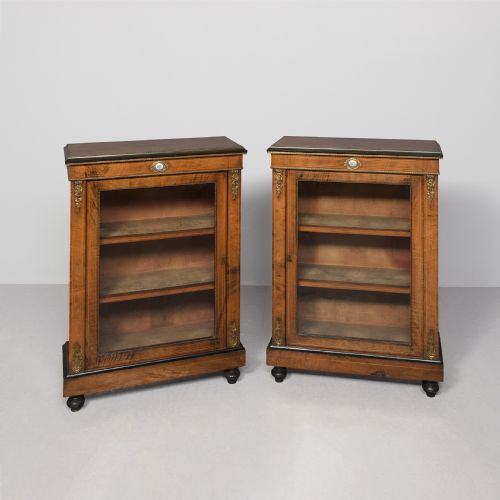
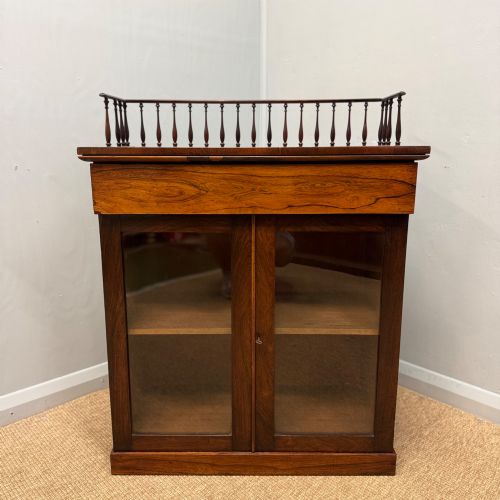
A small display cupboard holds cherished things behind glass, offering a neat way to bring proportion and historical timber into a room.
Small Display Cupboard
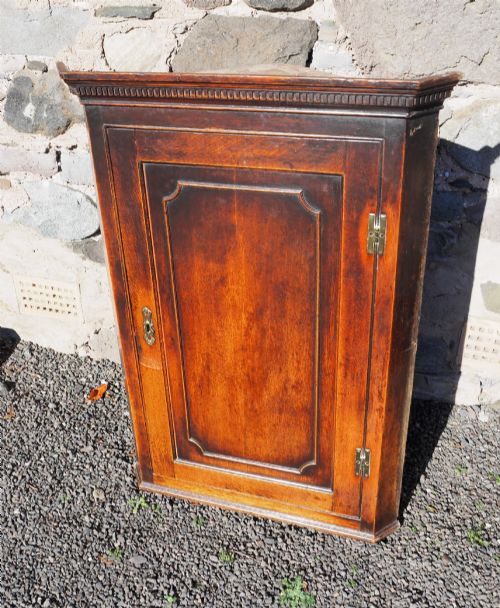
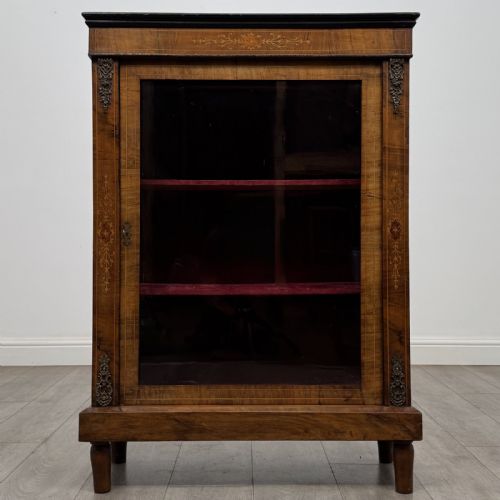
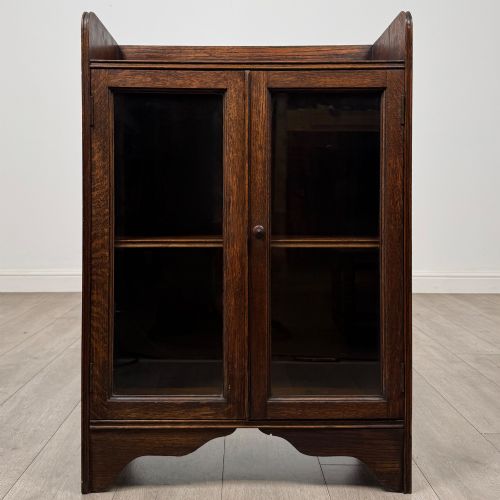
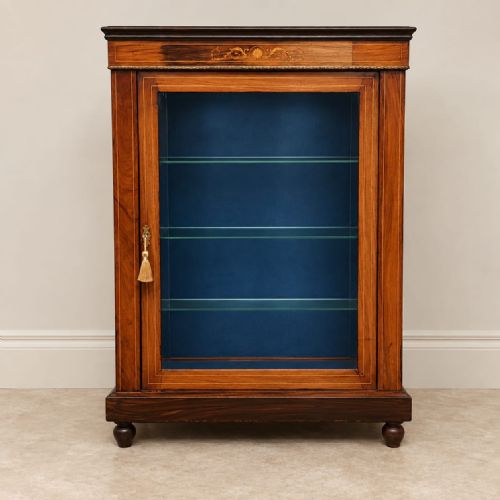
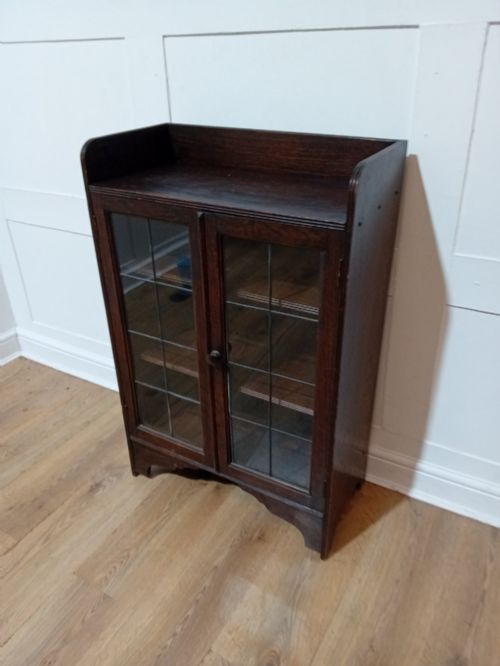
A small display cupboard brings together compact storage and glazed visibility, answering the search for a space-conscious cabinet. These pieces take many forms across this selection, from tall pier cabinets and wall-hung units to low bookcases with doors.
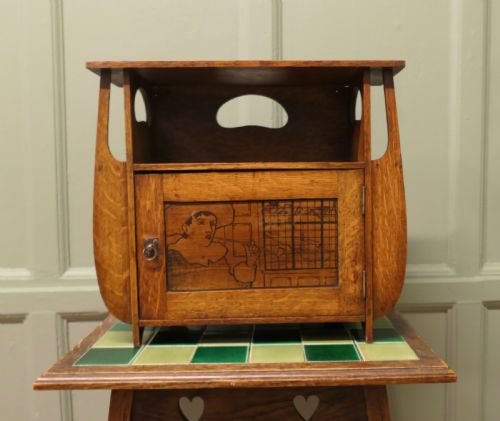
The periods represented stretch from the 18th century through the Victorian and Edwardian eras into the 1930s. Georgian mahogany items sit alongside oak pieces from the Arts and Crafts movement and walnut examples from later decades.
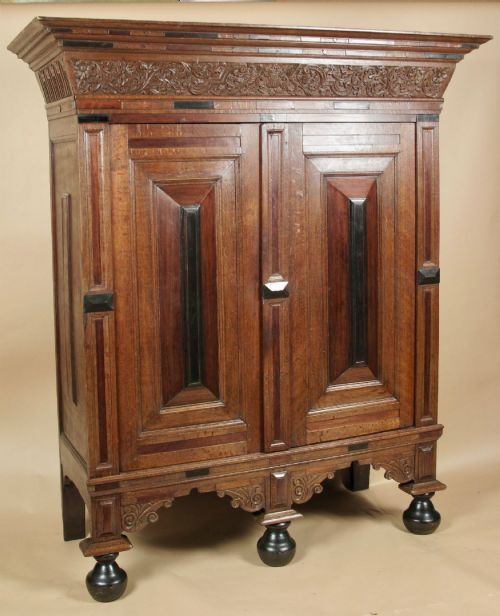
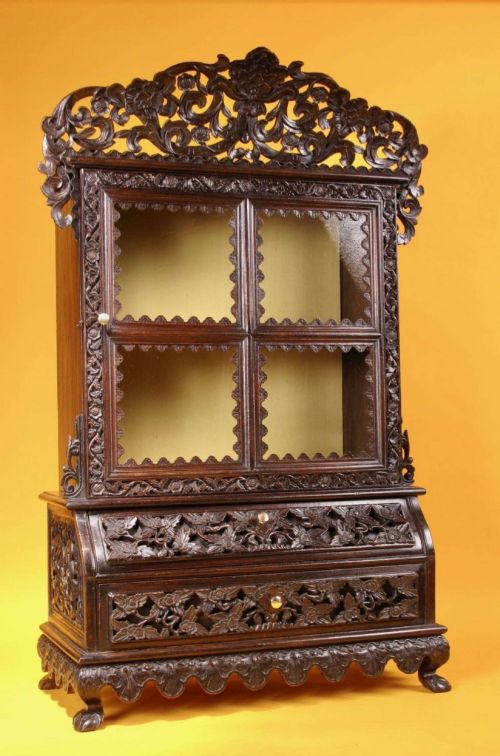
Origin and form vary widely, including Dutch marquetry wall cabinets, Anglo-Indian hardwood stands, and French walnut designs. Buyers meet everything from corner cabinets to narrow chiffoniers designed to fit tight spaces.
How they were made
Makers built these cabinets using solid woods and decorative veneers, choosing mahogany, oak, rosewood, walnut, satinwood, and pine as structural bases. Brass hardware, such as castors and hinges, alongside glass panels, completed the construction.
Surface decoration relies on natural grain patterns, inlaid stringing, raised galleries, carved details, and painted finishes. Joinery techniques connect glazed doors and open or enclosed shelving to stable frames.
Small Display Cupboard Retail Price Guide 2026
Typical asking prices for small display cupboard among the pieces listed under this phrase on Sellingantiques today, from the lower quarter to the upper quarter. They describe what is for sale here now, not the wider market.
Listings span Georgian, Victorian, Edwardian, and 1920s periods, utilising oak, mahogany, walnut, rosewood, and satinwood.
What varies in quality
The degree of refinement in timber selection and inlay work separates standard utility pieces from finer examples. Subtle details like dentil cornices, claw feet, cabriole legs, or original painted interiors elevate a cabinet's presence.
Proportion and the integration of glazing bars dictate visual balance. Pieces that retain their original brass castors and uncompromised structural timber hold greater integrity.
The Small Display Cupboard Glossary
- Pier cabinet
- A low cabinet designed to stand against the narrow wall space between windows. These often feature glazed doors and decorative inlay.
- Waterfall bookcase
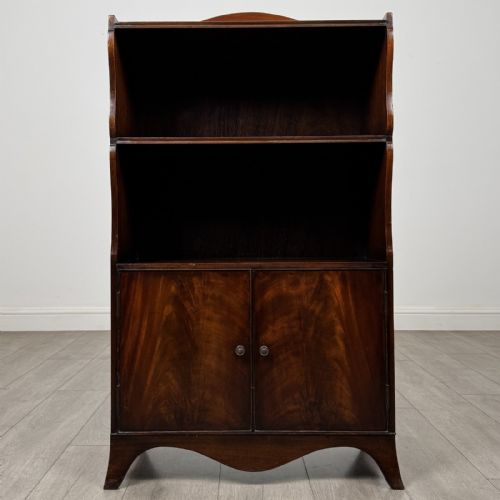
- A standing set of open shelves diminishing in depth from bottom to top, occasionally combined with a lower cupboard. This form provides stepped display space.
- Dentil cornice
- A moulding decorated with a series of small, rectangular blocks resembling teeth. This architectural detail crowns the top of certain cabinets.
- Raised gallery
- A low decorative railing or rim around the top surface of a piece. It prevents objects from sliding off.
- Marquetry
- The art of applying pieces of veneer to a structure to form decorative patterns. Craftsmen use various coloured woods to create pictorial designs.
Small Display Cupboard: Frequently Asked Questions
Where should I place a small display cupboard?
These compact cabinets suit alcoves, narrow hallways, or corners where floor space is limited. Their modest footprints allow them to sit comfortably alongside larger furniture.
Position them away from direct sunlight to protect timber finishes and any delicate items kept inside the glass enclosure.
How do I date a Victorian display cabinet?
Look to the timber choices, such as rosewood or walnut, combined with specific revival styles popular during the 19th century. Inlaid details and glazed door construction also point to the period.
Hardware like brass castors and interior linings offer further clues when determining the approximate decade of manufacture.
What is the difference between a bookcase and a display cabinet?
Bookcases traditionally feature open shelving for holding books, though many examples include lower wooden doors or glass panels. Display cabinets prioritise glazed doors to protect and showcase objects.
Many antique pieces blur this distinction by combining open upper shelves with enclosed lower cupboards.
How do I care for antique wood and glass?
Dust surfaces regularly with a soft, dry cloth and avoid chemical polishes that can build up on older finishes. Maintain stable room humidity to prevent timber from warping.
Clean glass panels gently with a mild solution, taking care not to wet surrounding wooden frames or delicate inlay.