



Small Desktop Drawers
Small desktop drawers bring tidy utility to a workspace, offering compact compartments for documents, specimens and trinkets.
Small Desktop Drawers
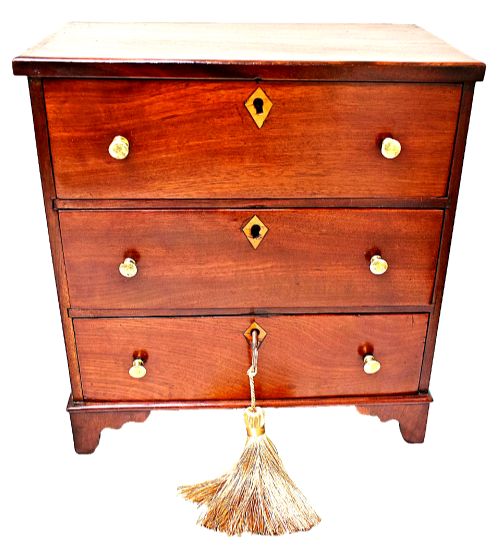
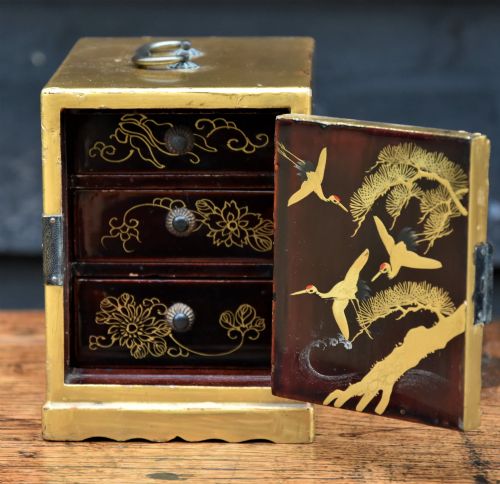
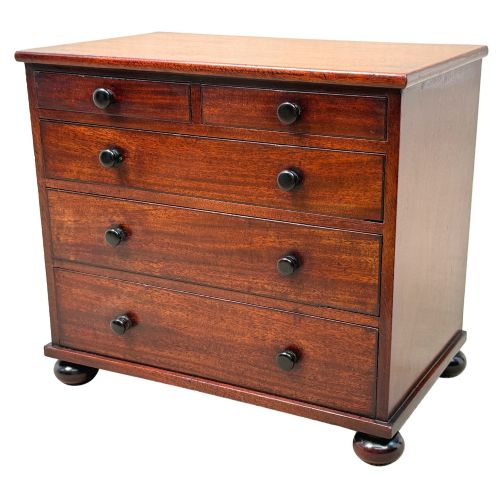
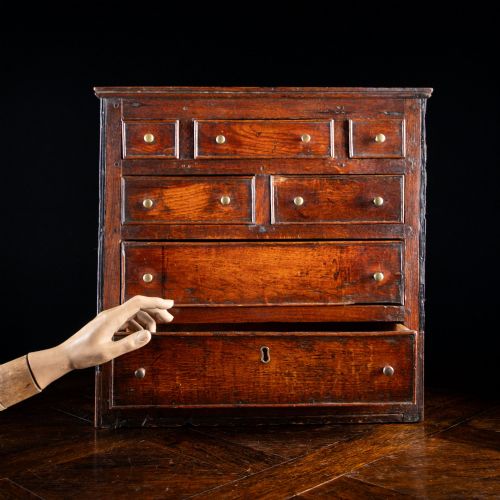
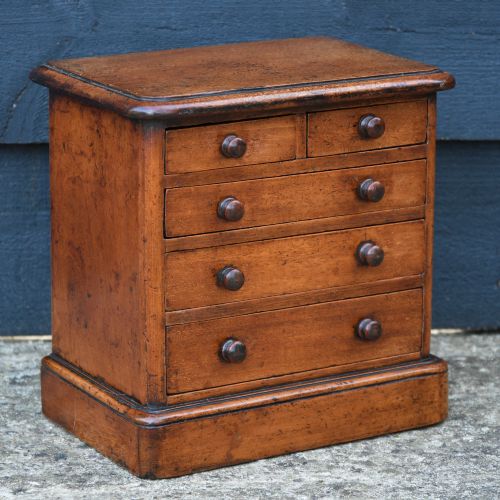
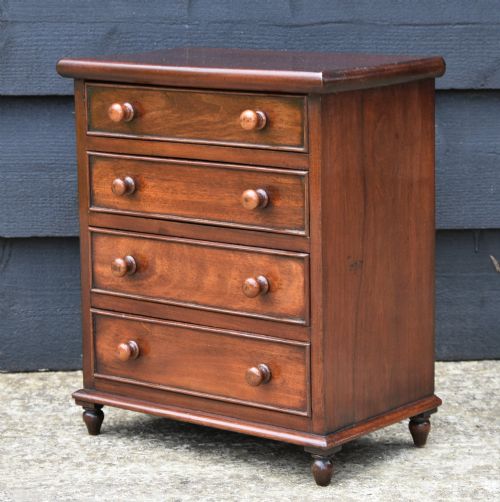
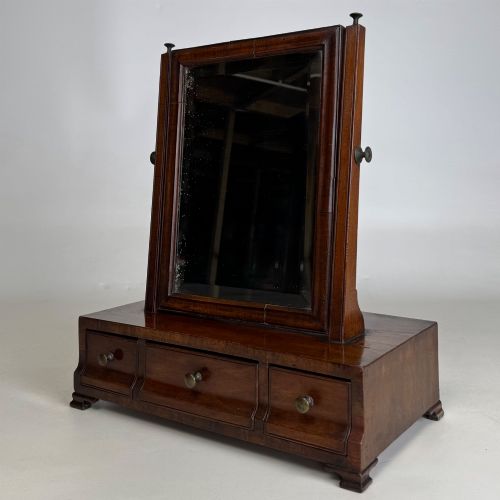
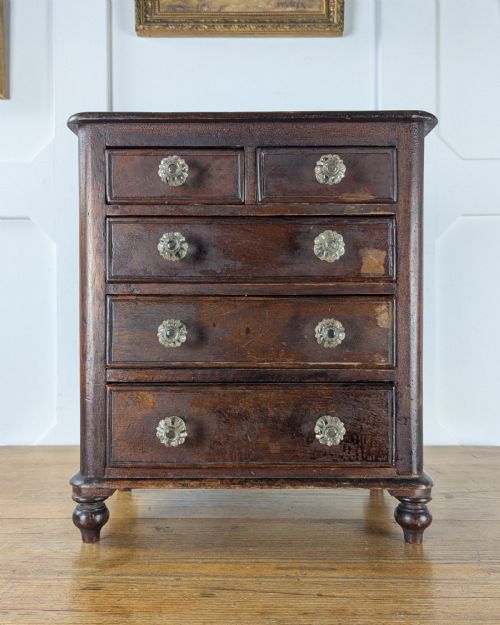
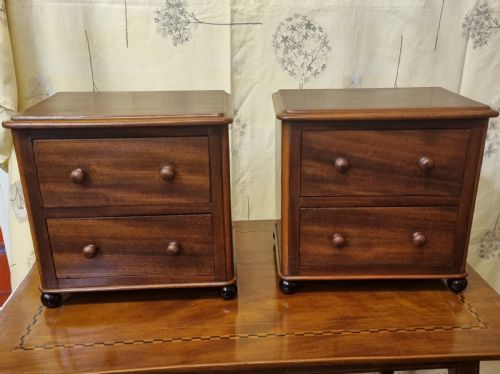
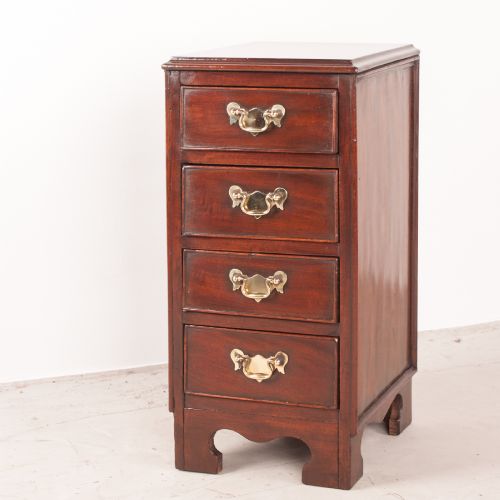
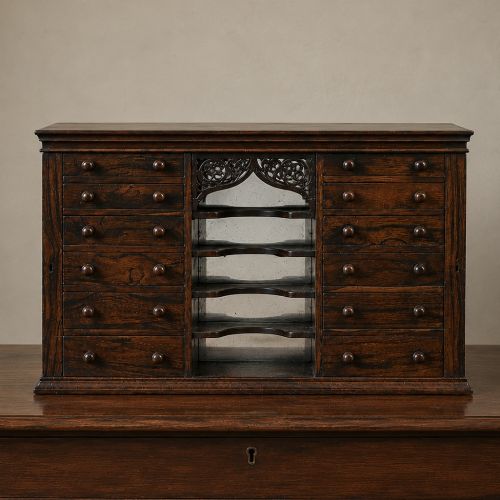
Small desktop drawers comprise miniature chests, collectors cabinets, tabletop chests and specimen cases designed for personal organisation. These pieces span Georgian, Victorian, Edwardian and Regency periods, alongside later twentieth century examples.
Buyers commonly encounter miniature chests of drawers and tabletop cabinets made for domestic or professional use. Forms range from apprentice pieces and campaign chests to seed chests and spice drawers.
Origins include English workshops, Scottish makers and Anglo-Indian production. Pieces frequently double as storage for jewellery, cigars or botanical specimens.
Materials and Construction
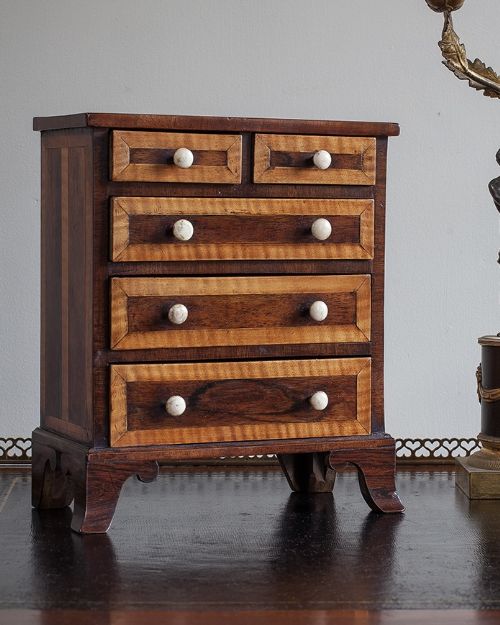
Cabinetmakers utilised timbers such as mahogany, oak, walnut, pine, fruitwood, elm and rosewood, often combining solid woods with veneers and marquetry inlay. Brass handles, escutcheons and locks provide functional and decorative contrast.
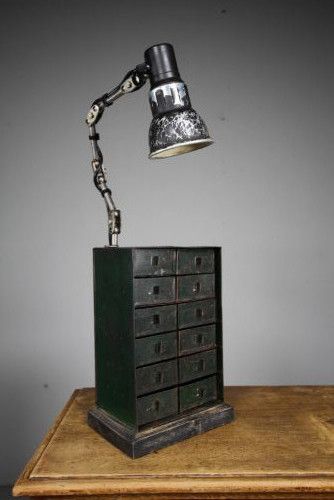
Construction techniques include dovetailed drawer boxes, turned feet, mirrored panels and ebonised mouldings. Certain pieces incorporate specialised fittings such as light fixtures or locking mechanisms.
Small Desktop Drawers Retail Price Guide 2026
Typical asking prices for small desktop drawers among the pieces listed under this phrase on Sellingantiques today, from the lower quarter to the upper quarter. They describe what is for sale here now, not the wider market.
A Cambridge doctor utilised a specialised smoking cabinet to house cigars and smoking paraphernalia.
Evaluating Craftsmanship
Quality rests upon the selection of timber, such as figured walnut, burr oak or dense mahogany, paired with precise joinery in the drawer carcasses. Finer examples display subtle marquetry, balanced proportions and original brass hardware.
The sophistication of internal fittings distinguishes utilitarian storage from display pieces made for collectors or doctors. Original surface patination and intact locks further elevate a cabinet's standing.
The Small Desktop Drawers Glossary
- Wellington chest
- A tall, narrow cabinet featuring a locking stile that secures all the drawers simultaneously. This form appears frequently in nineteenth century pieces.
- Specimen cabinet
- A piece built with multiple shallow drawers designed to hold natural history collections or botanical samples. They frequently utilise oak, pine or mahogany.
- Marquetry
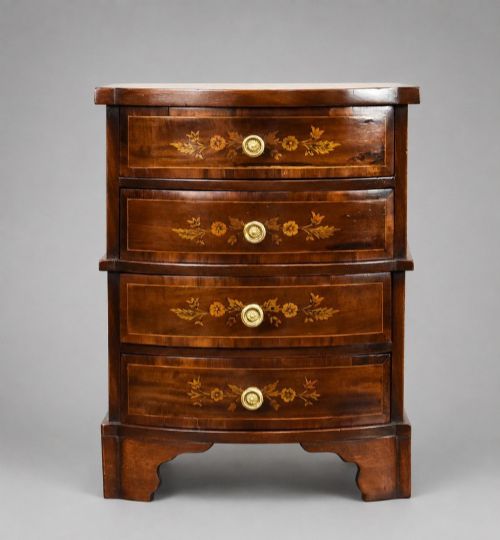
- The art of applying decorative veneer pieces to a structure to form intricate patterns. It appears on Edwardian bow front chests.
- Campaign chest
- Portable furniture designed for military officers, fitted with brass corners and recessed handles. Desktop versions offer secure compartmentalised storage.
Small Desktop Drawers: Frequently Asked Questions
What were small desktop drawers used for?
These cabinets served multiple professional and domestic purposes, housing everything from medical supplies and botanical specimens to documents and jewellery.
Craftsmen and doctors relied on secure tabletops to organise everyday implements, while households used trinket chests and spice drawers for small valuables.
How do I identify a Victorian miniature chest?
Victorian miniature pieces typically feature proportions and timber selections that mirror full sized furniture from the same era. Look for characteristic details such as turned feet, bow fronts and mahogany or walnut construction.
Cabinetmakers applied standard period techniques like hand cut dovetails to these smaller scales, making them convincing replicas of larger bedroom chests.
What is an apprentice chest?
An apprentice chest is a small scale model built by a woodworker learning the trade. Passing examinations required creating an accurate piece displaying complex joinery.
These items duplicate full size chests of drawers precisely, allowing craftsmen to exhibit their mastery of materials like mahogany and oak.
Where should I place a desktop cabinet?
Desktop cabinets suit study desks, side tables and mantelpieces where compact storage is required. Their small footprints allow them to sit comfortably on top of larger sideboards or bookcases.
Ensure placement avoids direct sunlight to protect sensitive timbers like rosewood, walnut and mahogany from fading over time.