



Small Caucasian Carpet
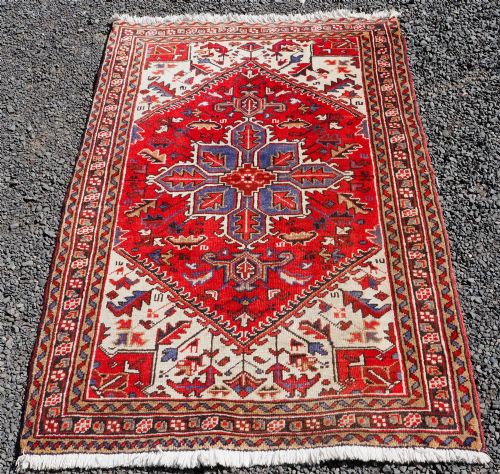
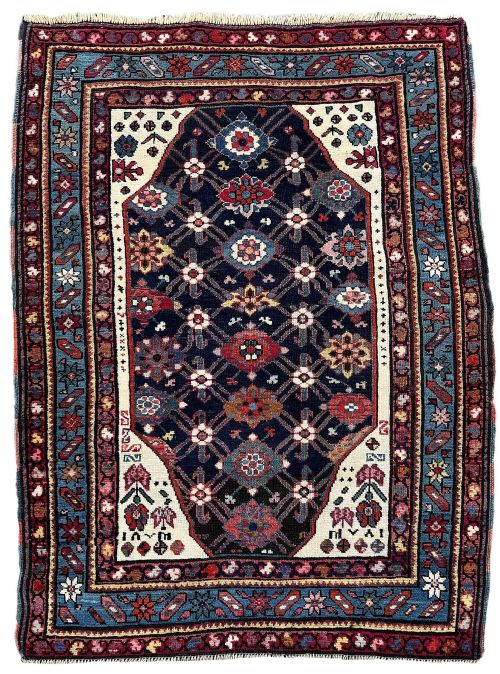
A small caucasian carpet brings geometry and saturated wool into a room, offering the dense pile and village palette that collectors prize.
Small Caucasian Carpet
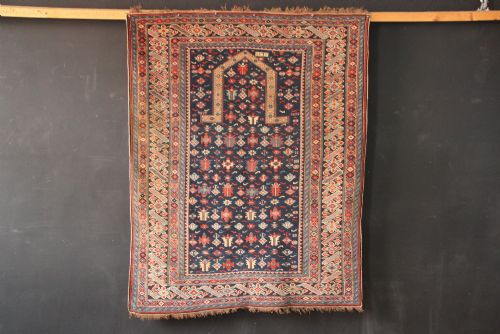
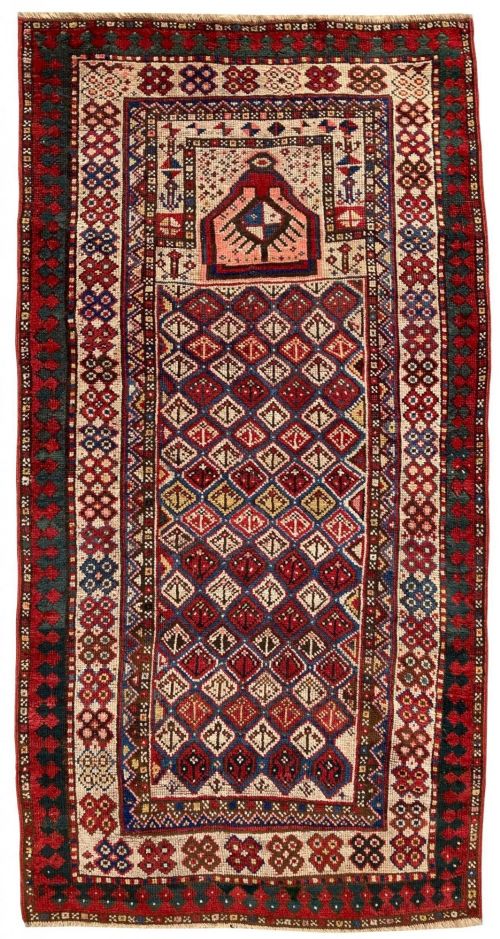
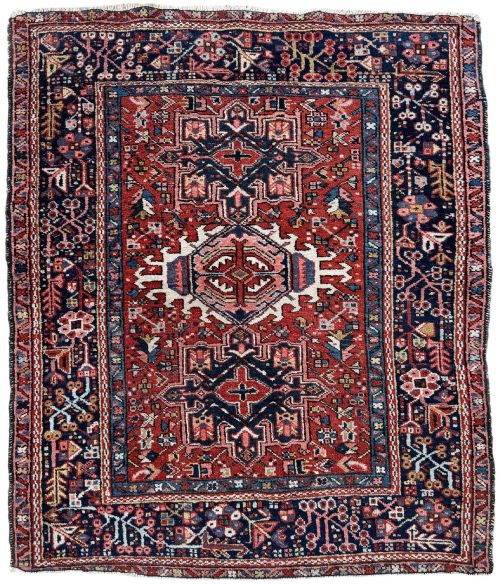
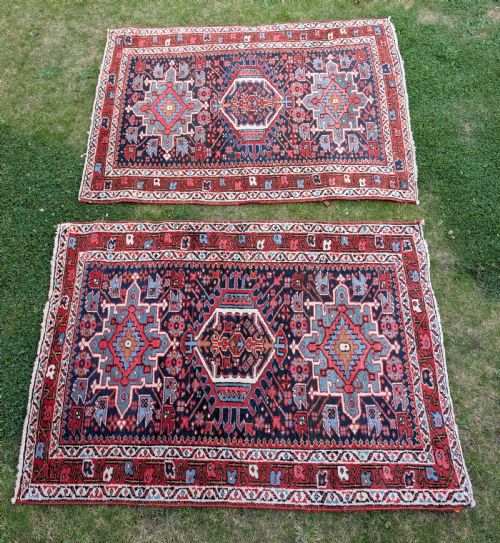
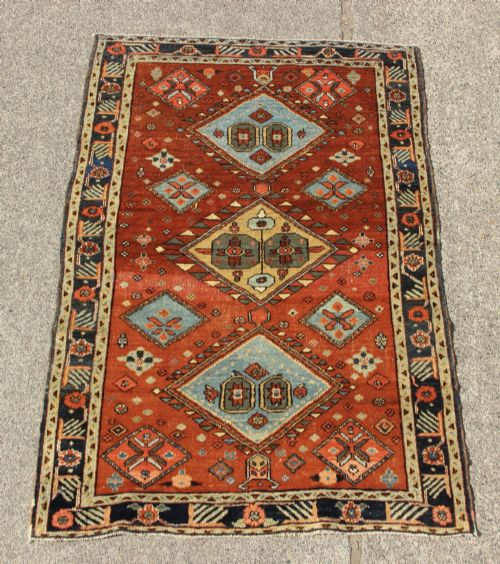
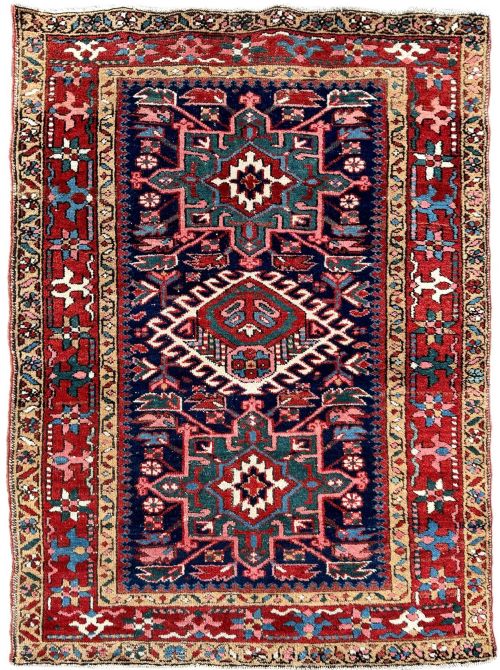
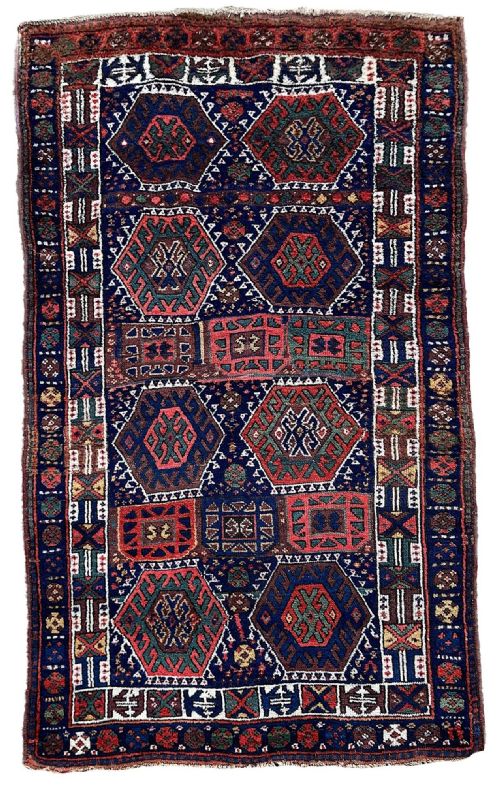
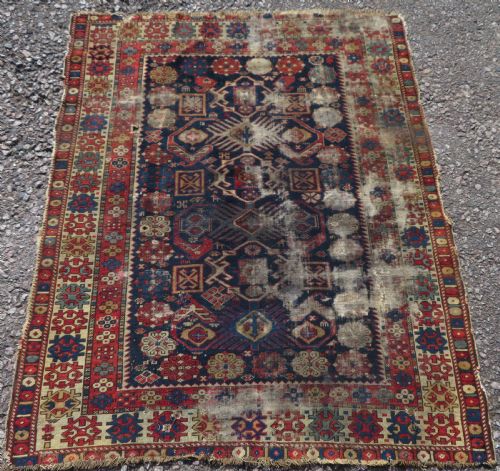
A small caucasian carpet combines tribal motifs with regional weaves, appearing primarily as prayer rugs, village rugs, and smaller format runners. These pieces span from the late nineteenth century into the early twentieth century, showing styles rooted in Caucasian, Persian tribal, and Kurdish traditions.
Buyers encounter distinct regional types such as Kazak, Gendje, Karaja, and Kuba examples. The formats range from compact scatter sizes to narrower prayer formats with specific niche designs.
What varies in quality
The sophistication of the tribal design and the clarity of the motifs separate standard examples from finer works. Balanced proportions within the border and field geometry indicate a more skilled hand at the loom.
The condition of the wool pile and the integrity of the original selvedges influence the overall substance of the piece. Natural dye saturation also plays a part, as richer hues enhance the visual depth of the geometric patterns.
Small Caucasian Carpet Retail Price Guide 2026
Typical asking prices for small caucasian carpet among the pieces listed under this phrase on Sellingantiques today, from the lower quarter to the upper quarter. They describe what is for sale here now, not the wider market.
Nomadic weavers occasionally inserted deliberate minor errors into symmetrical patterns to ward off the evil eye.
The Small Caucasian Carpet Glossary
- Prayer rug
- A small rug featuring a mihrab or niche design at one end, traditionally used for personal devotion. These pieces often display specific regional iconography within the central field.
- Natural dye
- Colouring derived from plant and mineral sources rather than synthetic compounds. This material ages with a soft patina that defines older village textiles.
- Mafrash
- A storage bag panel or side piece woven by nomadic groups, often repurposed into small kilims or mats. The technique involves flatweave construction rather than knotted pile.
- Boteh
- A stylised almond or paisley motif representing a floral shoot or cypress tree. It appears frequently across Caucasian and Persian tribal weaving.
- Selvedge
- The bound edge of a carpet that prevents the side cords from unravelling. Original and intact edges contribute to the preservation of the textile.
Small Caucasian Carpet: Frequently Asked Questions
How do I style a small caucasian carpet?
These carpets work well as focal points in compact spaces, such as entryways or beside armchairs, where their geometry can be appreciated.
They also layer effectively over larger natural fibre flooring to add warmth and colour to a room.
How are different regional types told apart?
Distinctions rely on specific knotting structures, colour palettes, and repeating motifs unique to regions like Kazak, Karaja, or Shirvan.
Palettes and border designs often point directly to the village or tribal group responsible for the weave.
What maintenance do these wool carpets need?
Regular gentle vacuuming without a beater bar keeps dust from settling into the wool pile.
Professional cleaning should be utilised when necessary to protect the natural dyes and historical structure.
How do I date a nineteenth century carpet?
Dating relies on assessing the composition of the natural dyes, the handling of the wool, and stylistic markers standard to specific decades.
Structural wear and foundation materials further corroborate the era in which the textile was produced.