



Small Bronze Figure
A small bronze figure brings classical myth, animal studies, and sacred iconography into hand-held scale, offering centuries of metalwork for desk or cabinet display.
Small Bronze Figure
A small bronze figure encompasses diverse sculptural works ranging from Grand Tour classical deities to Austrian cold painted animal studies and Himalayan Buddhist shrines. Buyers selecting a small bronze figure encounter statuettes, inkstands, animal figurines, and portrait busts spanning the seventeenth century through to the early twentieth century.
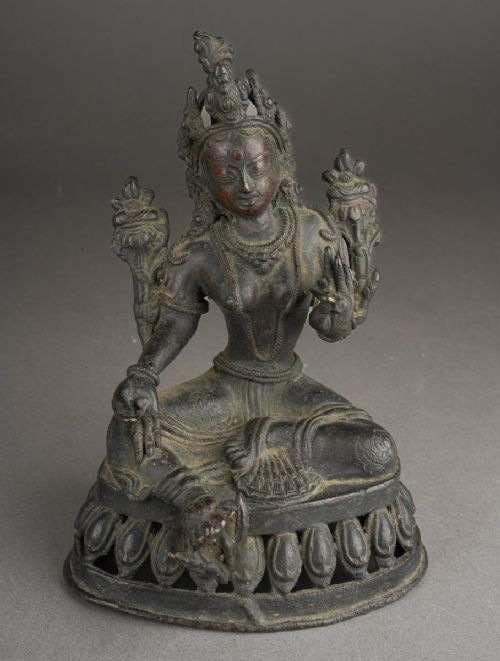
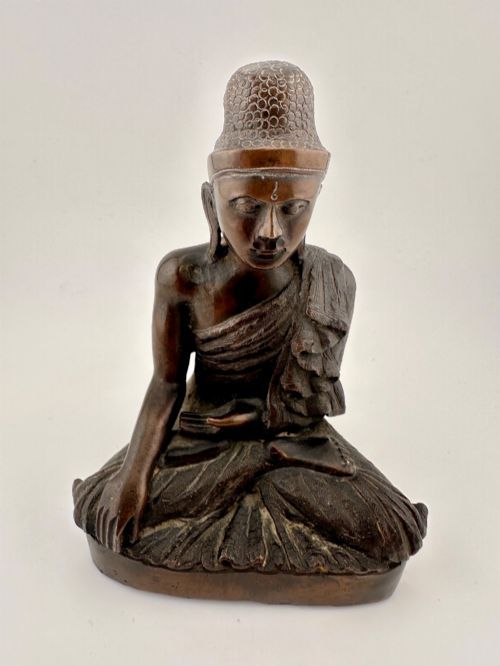
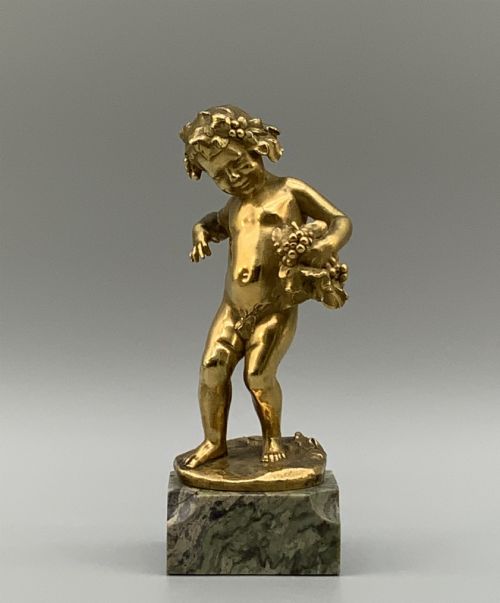
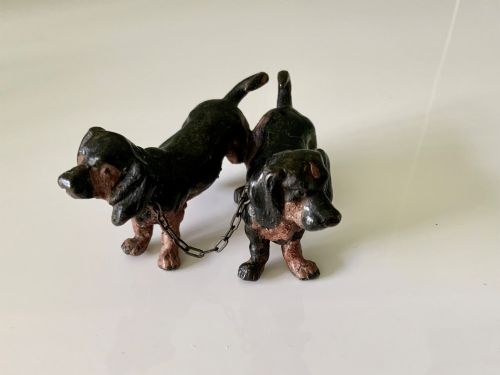
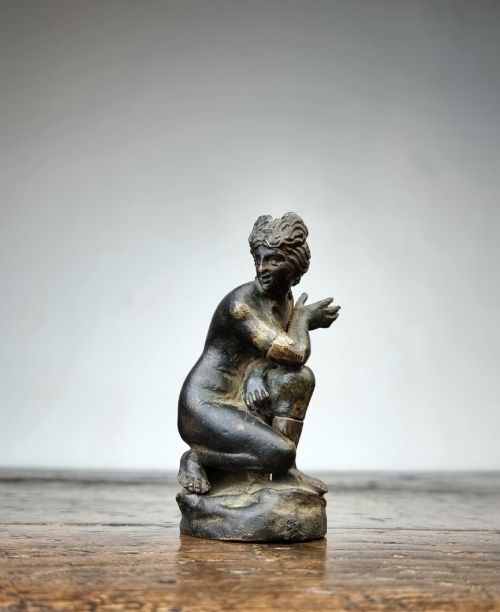
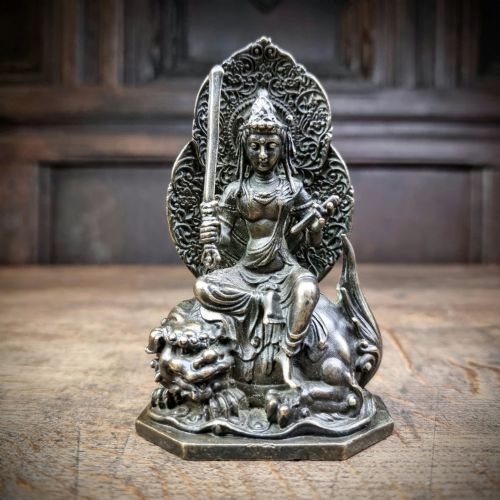
The objects frequently depict mythological subjects like Venus, Dionysus, and Neptune alongside domestic dogs, farm girls, and sacred figures such as Buddha and Guanyin. These portable sculptures appear mounted on marble or alabaster bases, or rendered as standalone patinated metal castings designed for interior display.
How they were made
Makers typically produced these pieces utilising traditional lost-wax casting methods in bronze, often finishing the metal with chemical patination, gilding, or cold-painted polychrome pigments. Many examples integrate secondary materials such as marble or alabaster bases to provide structural weight and visual contrast to the dark metal.
Fine detailing on the surface depended on meticulous chidings and hand-finishing after casting, allowing sculptors to articulate hair, drapery, and facial expressions on diminutive scales. Some workshops enhanced the cast metal with applied gold or multi-coloured paint layers, particularly seen in Himalayan shrines and Viennese animal models.
Small Bronze Figure Retail Price Guide 2026
Typical asking prices for small bronze figure among the pieces listed under this phrase on Sellingantiques today, from the lower quarter to the upper quarter. They describe what is for sale here now, not the wider market.
Listings incorporate multiple styles including Neoclassical, Baroque, Vienna Bronze, and Himalayan Buddhist traditions.
What varies in quality
The integrity of the patina or the preservation of delicate cold-painted pigments significantly influences the desirability of a piece. Furthermore, the quality of the base material, such as finely turned marble or alabaster, contributes to the overall cohesion and authority of the sculpture.
Charles Louis Malric·Susse Frères·Dora Heber
The Small Bronze Figure Glossary
- Grand Tour
- A nineteenth-century tradition where affluent travellers collected classical antiquities and bronze reductions of famous statues across Europe. These miniature sculptures replicated ancient Roman and Greek masterpieces for domestic display.
- Cold Painted
- A technique where bronze figures received non-fired oil paint decoration applied over a metallic base. This method was particularly popular in Vienna for vibrant animal figurines.
- Patination
- The chemical or natural colouring of the bronze surface resulting from age or deliberate treatment. A rich patina adds depth and character to the metallic body.
- Lost-wax casting
- A historic method where a molten metal alloy was poured into a mould created by surrounding a wax model with refractory material. This technique allowed for intricate undercut details in small sculptures.
- Gilt Bronze
- Bronze metal that has been coated with a thin layer of gold or gold amalgam to produce a bright, luxurious finish. French makers frequently utilised this treatment for decorative inkstands and mythological figures.
Small Bronze Figure: Frequently Asked Questions
What periods do these bronzes cover?
The pieces span from the seventeenth century through the eighteenth and nineteenth centuries into the early twentieth century. Victorians and Edwardians produced many of the animal studies and Grand Tour reductions seen today.
Earlier works from the seventeenth and eighteenth centuries tend to focus on classical mythology and deities. Dating relies on stylistic conventions, casting techniques, and material wear.
How were these figures used originally?
Many acted as cabinet ornaments, paperweights, or decorative desk accessories such as inkstands and scroll weights. Others served a devotional purpose in Himalayan and Burmese Buddhist shrines.
Collectors on the Grand Tour displayed them at home as evidence of travel and classical erudition. Animal figures and cherubs simply added charm and character to domestic interiors.
How do I care for a bronze figure?
Bronze requires minimal intervention beyond gentle dusting with a soft, dry cloth to prevent particulate accumulation. Avoid using chemical polishes, abrasive cleaners, or water, as these can strip away the historic patina or delicate cold-painted colours.
Keep pieces away from direct sunlight and high humidity to protect any attached marble or alabaster bases. Stable room temperatures ensure the metal and any applied pigments remain preserved.
Are all small bronzes European?
While a large proportion originate from France, Britain, and Austria, the selection also includes Asian metalwork. Examples feature Tibetan, Nepalese, Burmese, and Chinese Buddhist figures alongside European classical subjects.
Each regional tradition employed distinct casting methods, iconography, and surface treatments. This geographic variety creates diverse stylistic options within the same scale.