

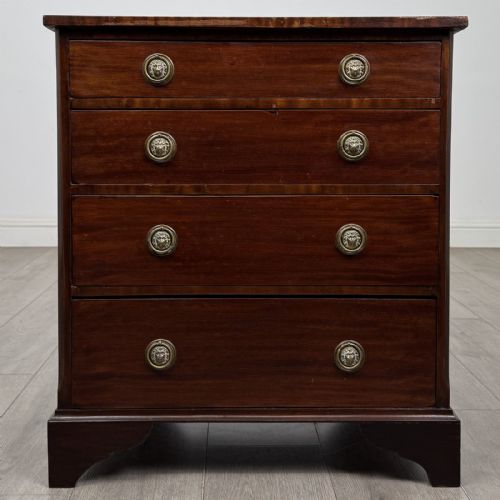
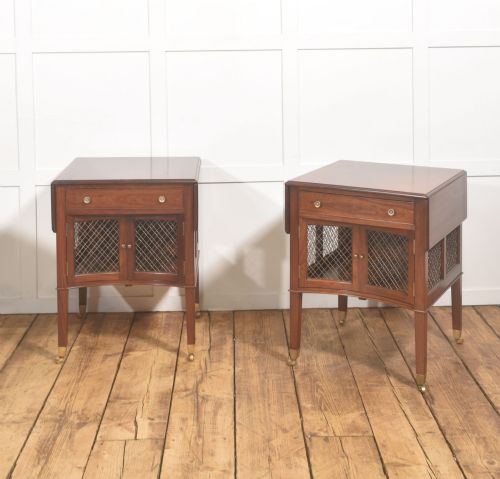
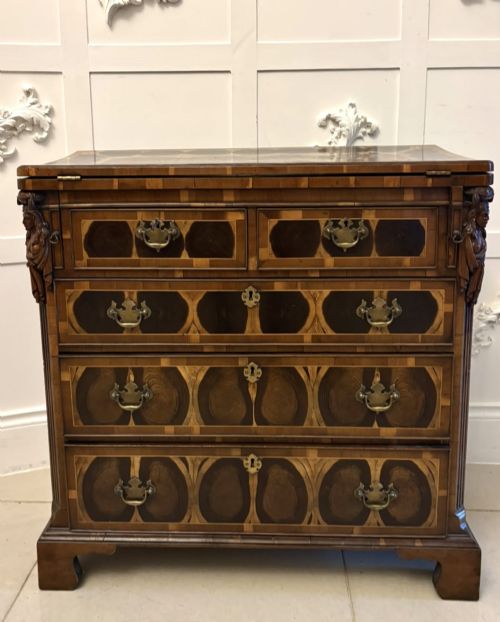
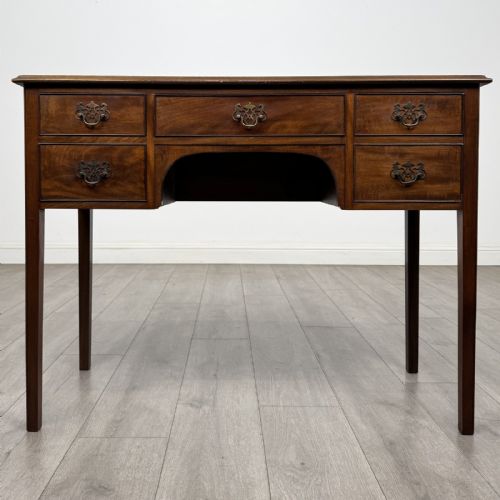
Small Brass Tables
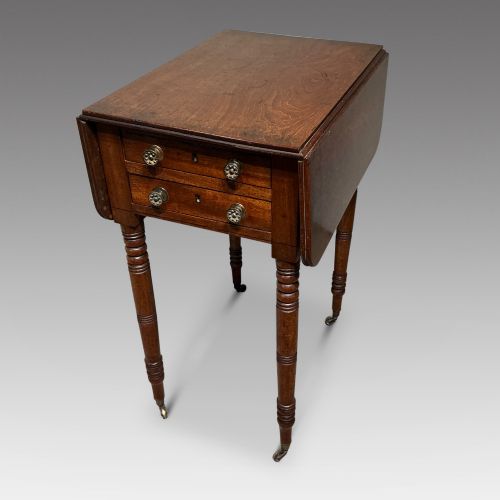
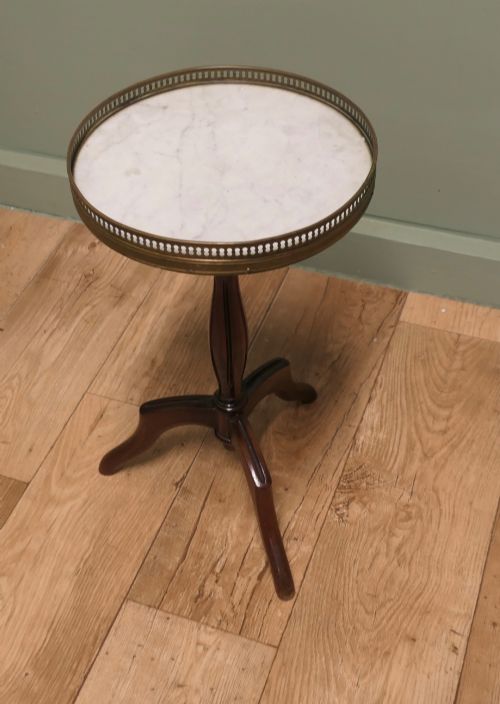
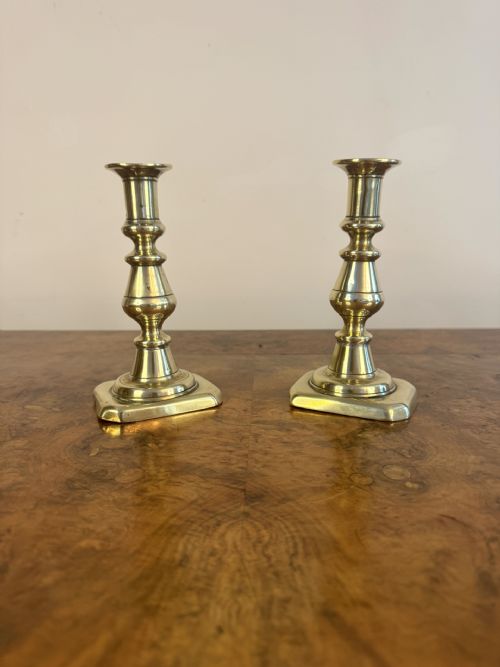
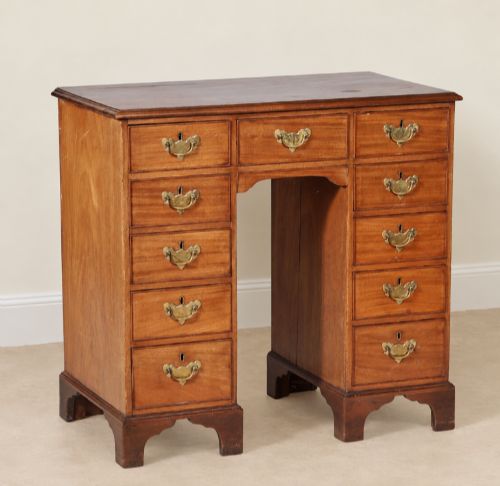
Small brass tables combine compact proportions with metal detailing, appearing here in formats from lamp stands to galleried occasional pieces.
Small Brass Tables
When buyers search for small brass tables, they encounter compact items designed for occasional use in sitting rooms and bedrooms. These pieces incorporate metal mounts, galleries, or legs alongside timber carcases.
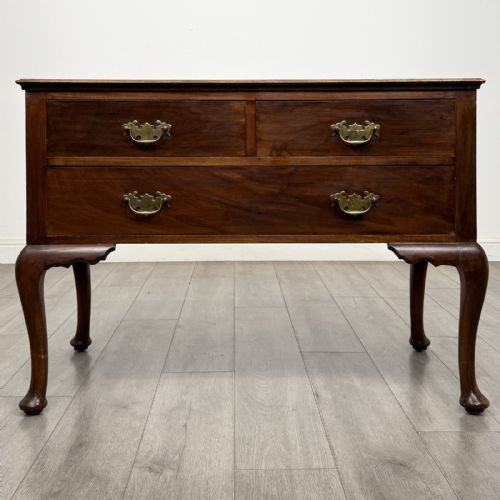
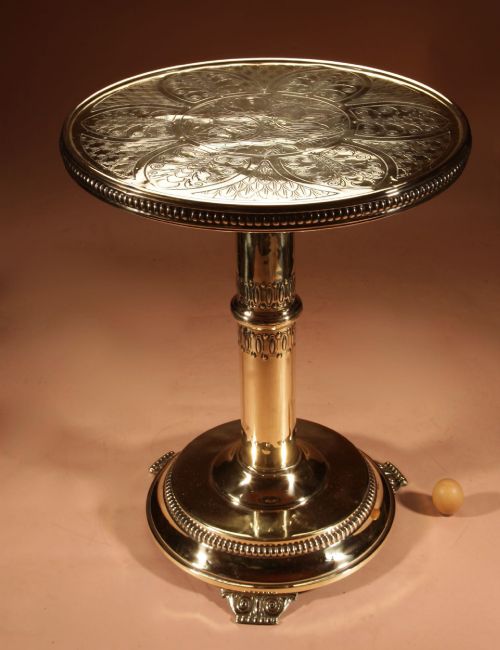
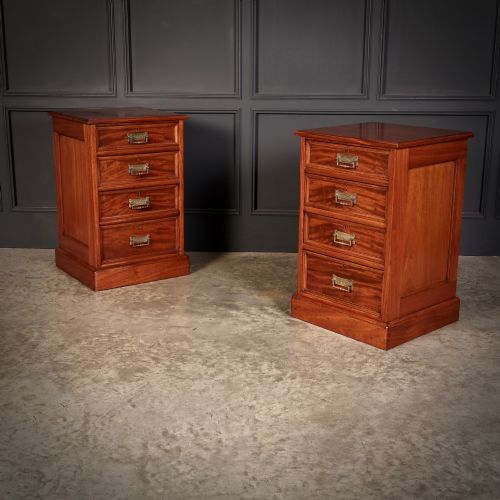
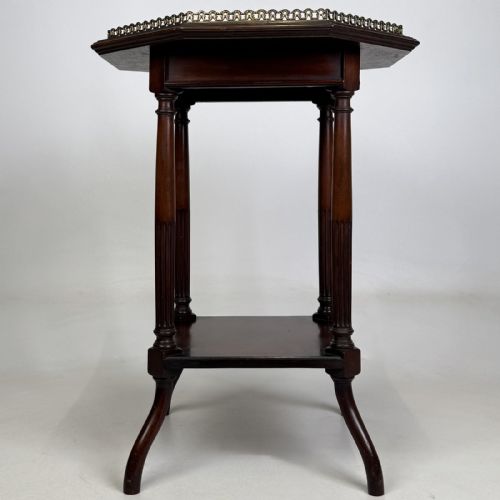
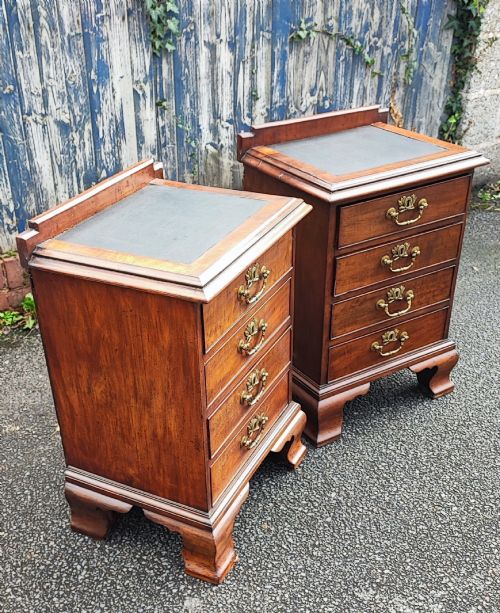
The versions most common on this page pair mahogany, rosewood, or oak structures with brass galleries, handles, or inlay. They take the form of lamp tables, side tables, and occasional stands from the eighteenth, nineteenth, and early twentieth centuries.
Makers often integrated brass to protect edges or retain items on the surface, merging utility with decorative restraint. Such details define the character of these smaller domestic furnishings.
Materials and construction
Makers built the foundational structures using dense hardwoods such as mahogany, rosewood, oak, and walnut, often applying veneers or marquetry to visible surfaces. These timbers provided the stable core required for domestic furniture.
Brass elements arrived as cast galleries, strung inlay, or handles, fixed mechanically or adhered into routed channels within the wood. This combination of timber and metal relied on traditional joinery methods appropriate to each period.
Small Brass Tables Retail Price Guide 2026
Typical asking prices for small brass tables among the pieces listed under this phrase on Sellingantiques today, from the lower quarter to the upper quarter. They describe what is for sale here now, not the wider market.
Listings feature small brass tables spanning the eighteenth, nineteenth, and early twentieth centuries, incorporating mahogany, rosewood, and oak.
Judging quality
Quality rests in the precision of the brass work and the selection of timber veneers. Crisp casting in galleries and tight fit in inlaid brass stringing separate finer examples from coarser production.
The integrity of the underlying timber carcase and the retention of original brass components govern the standing of each piece. Minimal restoration and coherent ageing across both wood and metal elevate a table's stature.
The Small Brass Tables Glossary
- Brass gallery
- A low pierced metal railing fitted around the top edge of a table to stop items from sliding off. These galleries are typically cast or pierced from sheet brass.
- Drum table
- A circular library or occasional table with a deep top resembling a drum, often containing drawers around the perimeter. They frequently stand on a central pillar with tripod legs.
- Tripod base
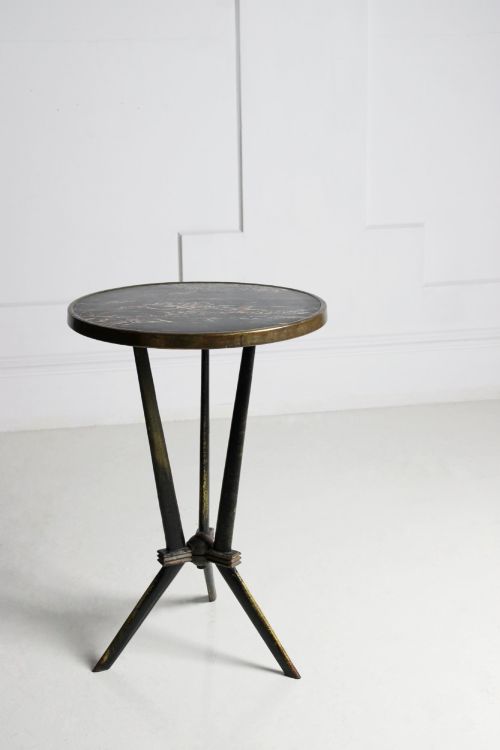
- A support structure comprising three legs radiating from a central column. This design appears frequently on small occasional and lamp tables.
- Marquetry
- Decorative patterns formed by fitting together thin slices of various woods and other materials into a veneer. It creates pictorial or geometric designs on table tops and drawer fronts.
- Étagère
- An open piece of furniture with multiple tiers or shelves for displaying small objects. Examples in the evidence combine rosewood frames with multiple levels.
Small Brass Tables: Frequently Asked Questions
What are small brass tables used for?
These tables serve as convenient surfaces for lamps, clocks, or drinks beside seating furniture. Their compact footprints allow them to fit into corners and tighter spaces where larger furniture fails.
Historically, specific variants held writing materials, books, or decorative items. Today they function similarly in domestic interiors as movable accent pieces.
How do I date small brass tables?
Dating relies on observing the secondary timbers, construction methods, and the style of the brass mounts. Georgian and Regency pieces exhibit different joinery techniques and proportions compared to Edwardian or later revival items.
Secondary woods inside drawers and the method used to cut screws or fixings provide clear chronological clues. Comparing the brass casting style to known period objects helps confirm the era.
Are brass galleries original?
Assessing whether a brass gallery is original involves inspecting the fixing pins and the wear around the holes where it enters the timber. Older galleries show consistent patination matching the rest of the metalwork on the table.
Replacements often leave cleaner drill holes or use modern screws. Examining the underside of the table top reveals how the gallery pins were secured.
How do I care for antique brass and wood?
Maintenance involves dusting timber regularly and applying appropriate microcrystalline wax to nourish the polished surface. Moisture and direct sunlight can damage both the wood finish and the underlying veneer.
Brass elements require minimal cleaning to preserve their dark patination. Avoid abrasive polishes that strip the historic surface oxidation from the metal.