


Small Brass Stand
A small brass stand brings useful metalwork and compact architecture to a room, offering a stable surface for daily objects.
Small Brass Stand
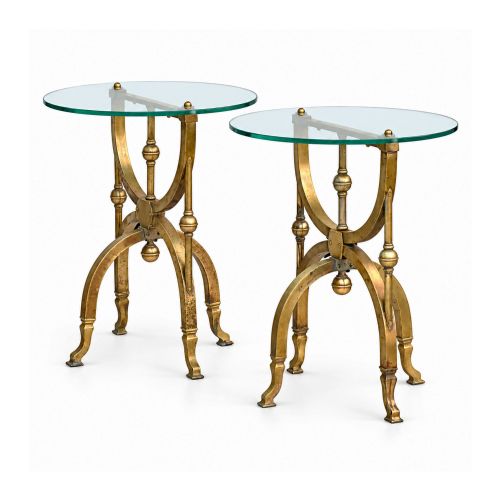
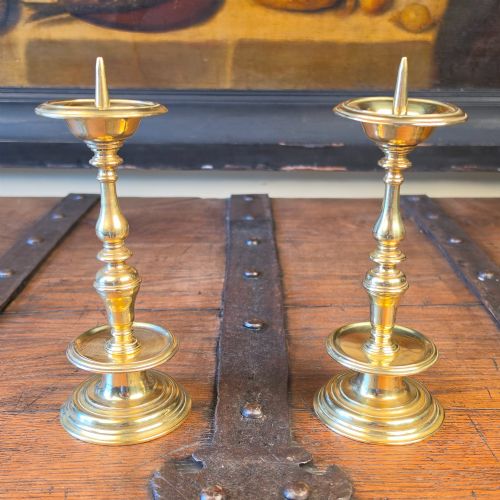
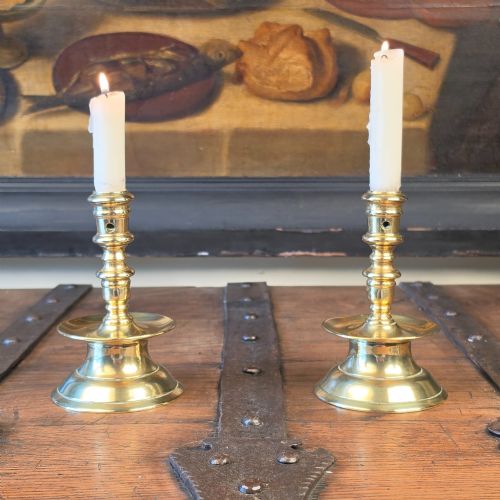
A small brass stand encompasses compact items built to hold mirrors, globes, or walking sticks, alongside furniture fitted with brass galleries and castors. Buyers seeking a small brass stand encounter items ranging from Georgian footmen and Edwardian dressing table mirrors to 1930s stick stands.
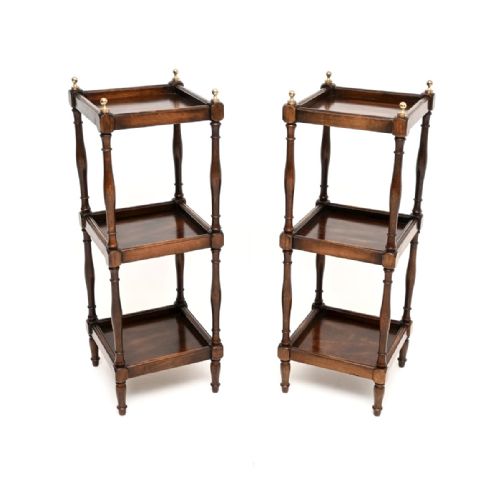
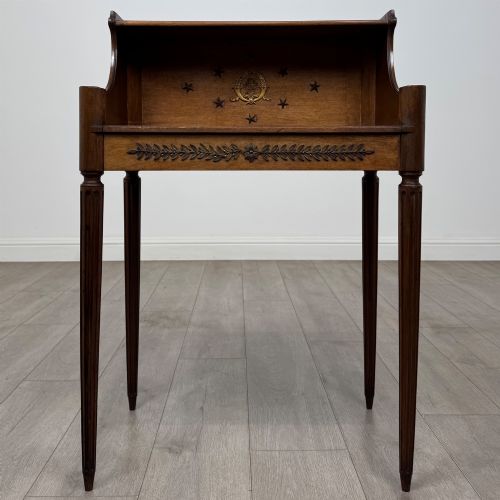
The materials paired with brass across these items include mahogany, oak, rosewood, walnut, and teak, often structured as occasional tables, étagères, or miniature displays. These pieces serve practical functions in hallways and reception rooms while adding metallic detail to domestic spaces.
Materials and construction
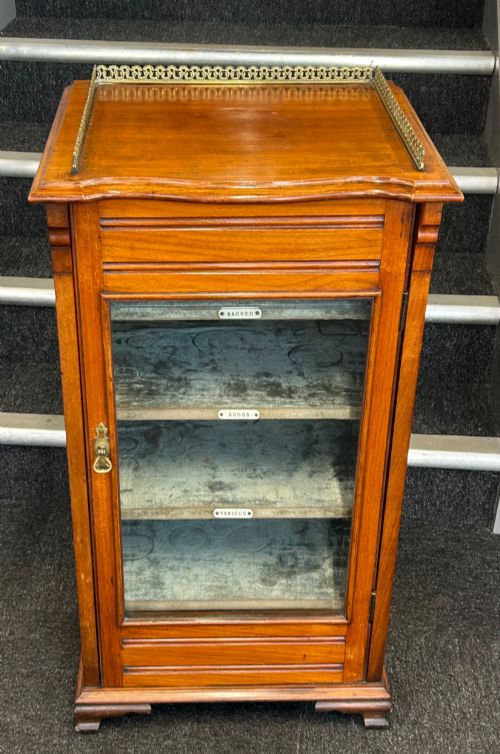
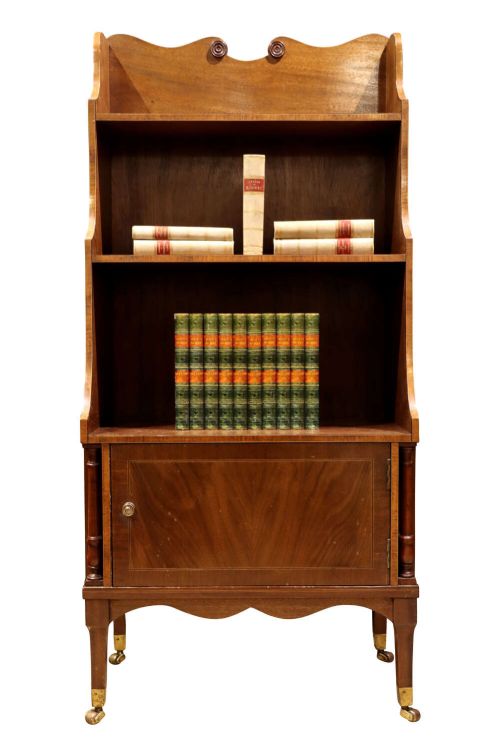
Brass forms the primary structural or decorative element, appearing as cast galleries, repoussé frames, or supportive stands combined with dense hardwoods like mahogany and oak. Cabinetmakers integrated brass castors, handles, and borders into timber tables and bookshelves during the Georgian, Victorian, and Edwardian periods.
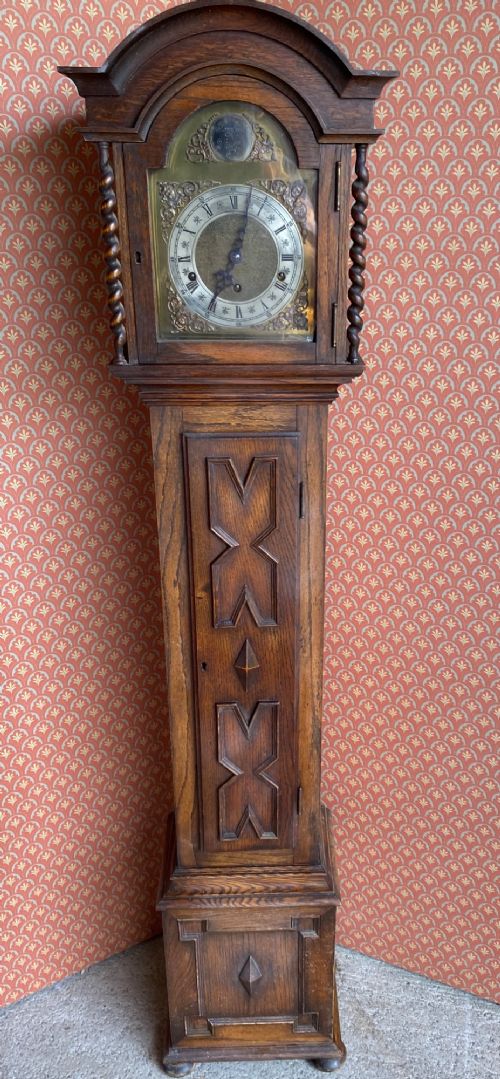
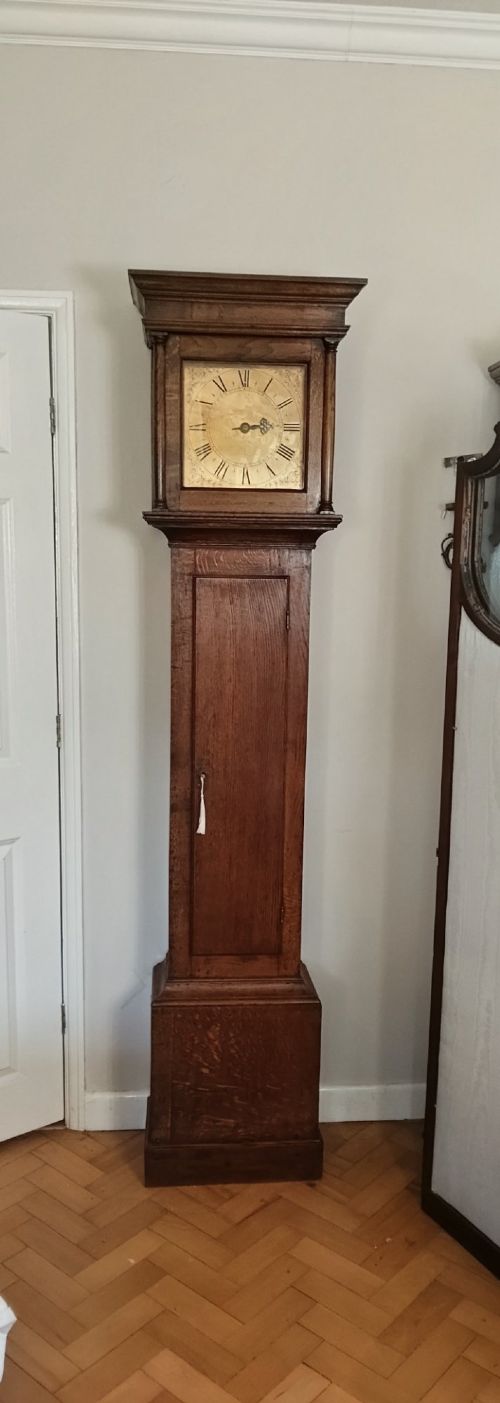
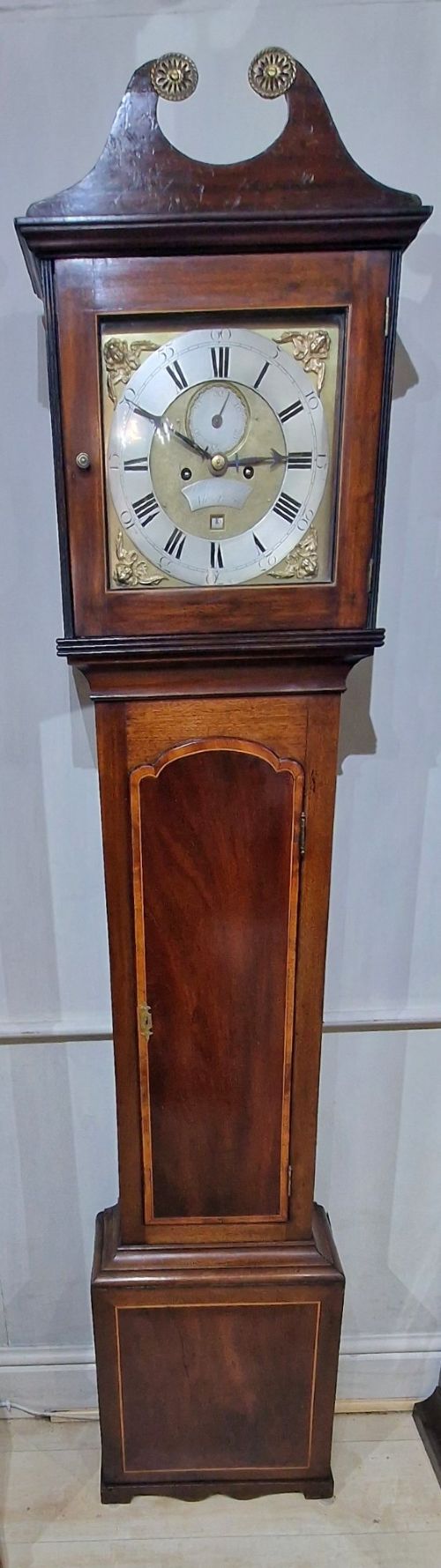
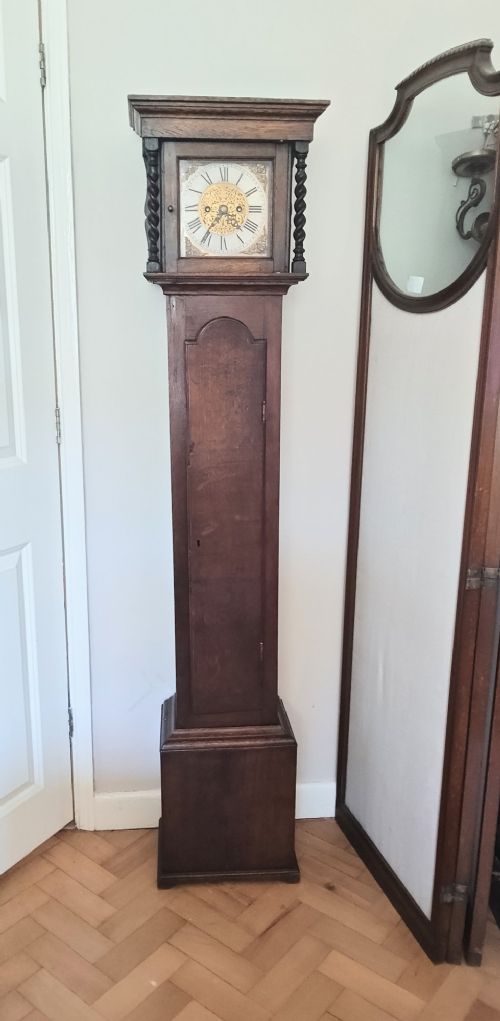
Makers utilised techniques such as marquetry inlay, bone inlay in teak, and fine wood turning to build occasional tables, music cabinets, and small longcase clocks. Metal components were shaped through casting and hammering to create mirrors and footmen that complemented polished timber.
Even the Earl of Thanet required a portable metal frame to keep his portrait upright.
What separates the finest examples
Quality rests in the crispness of the brass work and the selection of timber veneers, such as figured mahogany, satinwood, and rosewood. Superior pieces display precise casting, tight joinery, and well-integrated metal mounts that sit flush against the wood.
The refinement of proportion defines the upper tier of these items, where smaller scales demand exact balance between the brass elements and the underlying structure. Maker attribution and the complexity of inlaid decoration further elevate certain stands and tables above standard production.
Gillows·Nathaniel Pyne·W. Turner Lord & Co·M.Vivien·Robb, Montrose
The Small Brass Stand Glossary
- Brass gallery
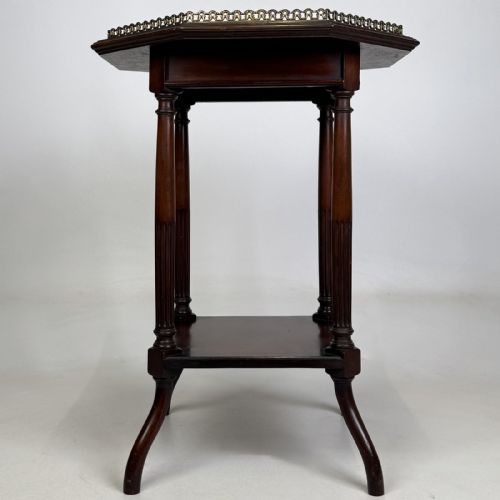
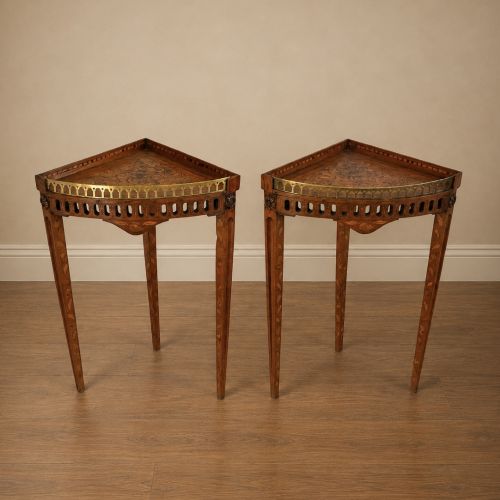
- A low pierced metal rail fitted around the edge of a table top to stop items from sliding off. This feature is common on Georgian and Victorian mahogany lamp tables.
- Repoussé
- Metalwork shaped by hammering from the reverse side to form raised relief designs. Edwardian dressing table mirrors frequently display this decorative technique.
- Étagère
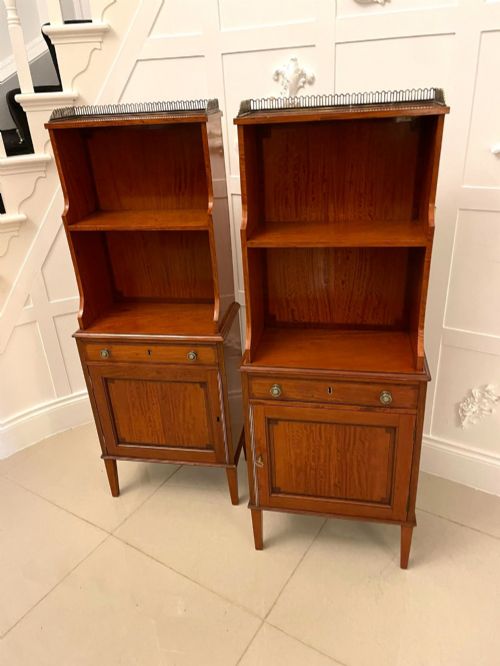
- A set of open shelves for displaying small objects, often portable and freestanding. These tiered stands frequently incorporate brass supports or castors.
- Footman
- A low metal stand placed in front of a fireplace to keep dishes warm. Georgian versions are typically constructed from brass and steel.
- Occasional table
- A small, versatile table designed to be moved around a room as needed. Examples appear in mahogany, rosewood, and inlaid walnut.
Small Brass Stand: Frequently Asked Questions
Where should I place a small brass stand?
These items fit easily into hallways, beside armchairs, or on top of larger pieces of furniture where extra surface area is useful.
Their compact footprints allow them to occupy awkward corners without crowding a room.
How do I care for brass and timber?
Dust timber surfaces regularly with a dry cloth and apply occasional wax to nourish the grain of woods like mahogany and walnut.
Clean brass components gently with a soft cloth to preserve the aged metal finish without stripping surface character.
What periods do these pieces date from?
The selection spans several centuries, including 18th-century Georgian designs, 19th-century Victorian and Regency pieces, and early 20th-century Edwardian items.
Stylistic revivals also appear, with 17th-century style candlesticks produced later in the 19th century.
How do I identify a gallery table?
Look for a raised metal railing running around the perimeter of the upper surface, which distinguishes these lamp and occasional tables from standard designs.
The brass rail is usually secured through the tabletop with small pins or screws.