

Small Brass Cupboard
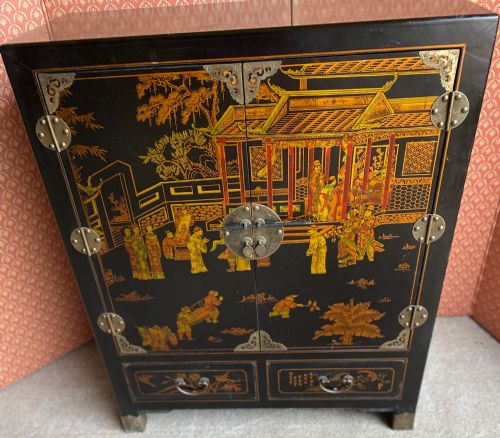
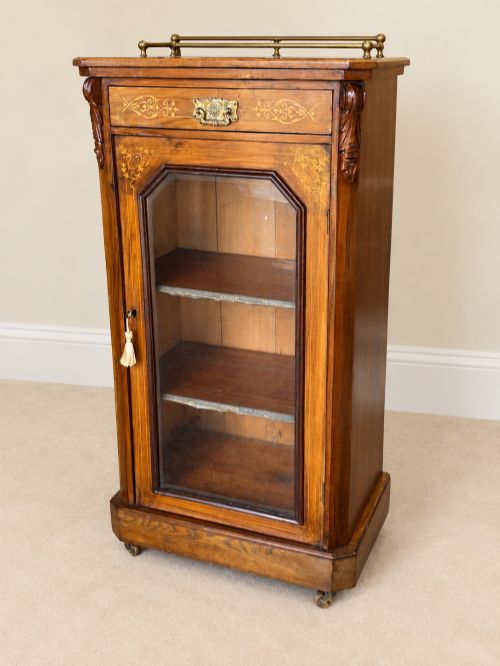
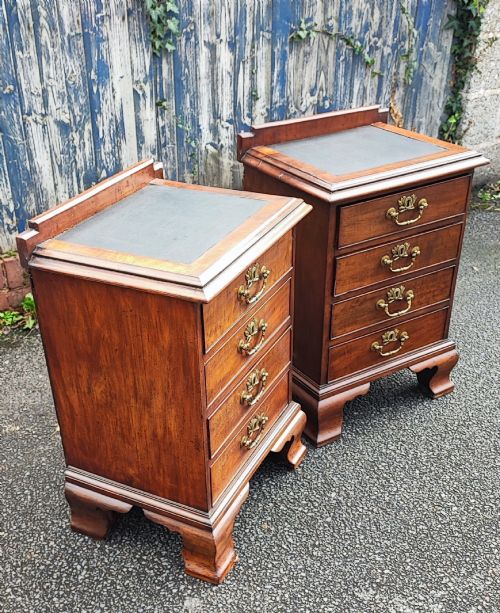
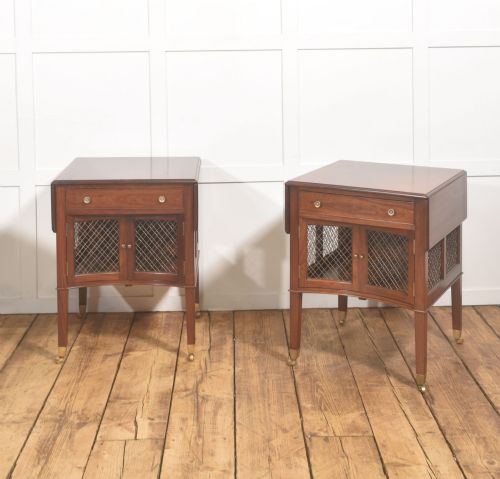
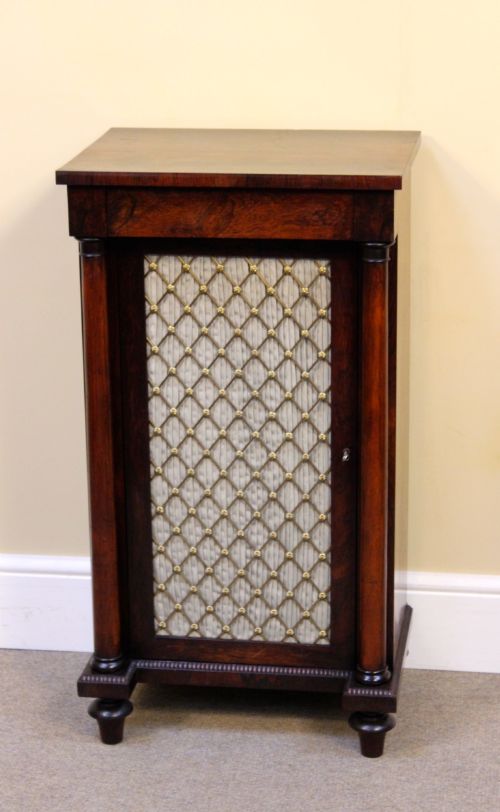
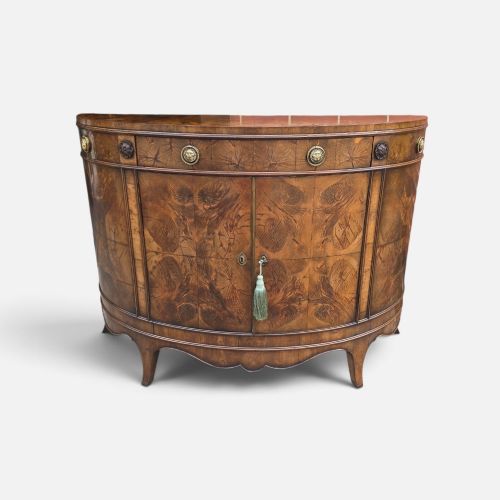
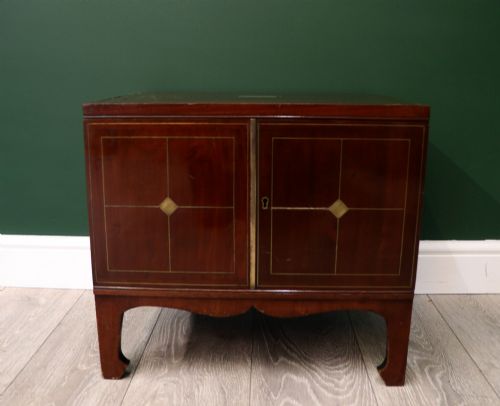
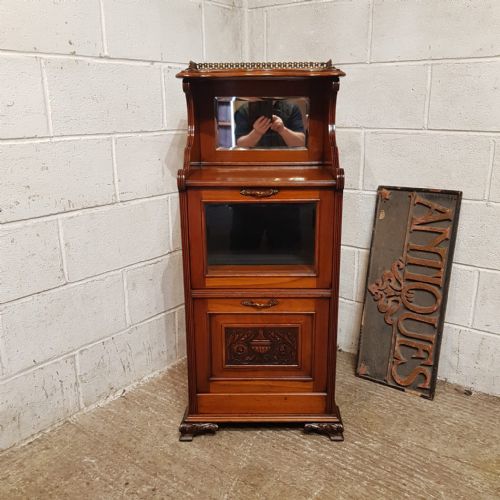
A small brass cupboard delivers neat, portable storage in timber frames set with metal mounts.
Small Brass Cupboard
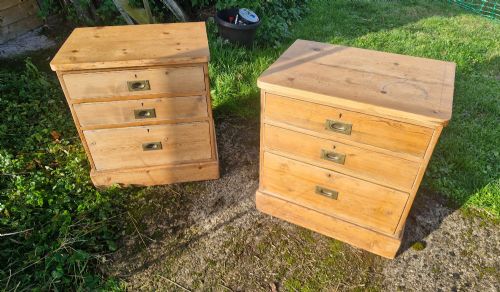
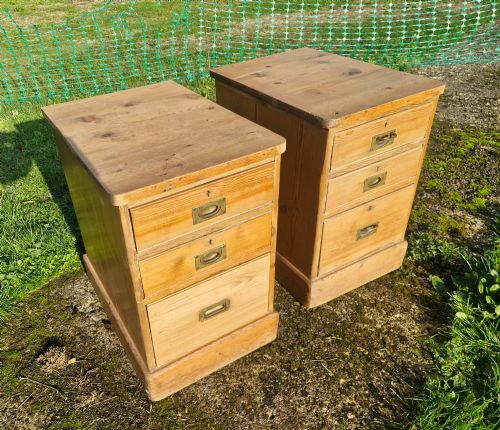
A small brass cupboard encompasses compact side cabinets, bedside chests, and campaign lockers fitted with metal mounts and handles. Pieces span the eighteenth, nineteenth, and early twentieth centuries, drawing on Georgian, Regency, and Victorian aesthetics.
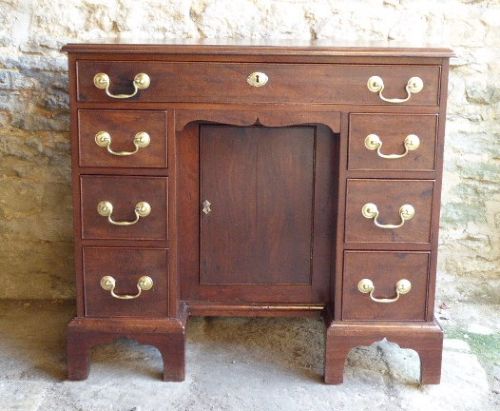
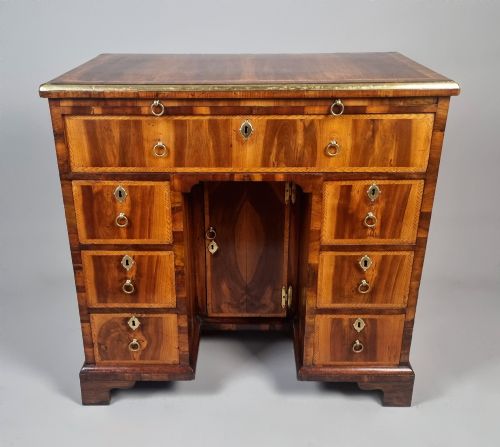
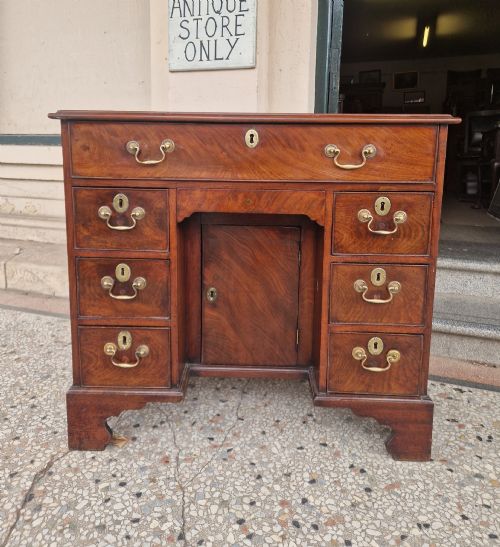
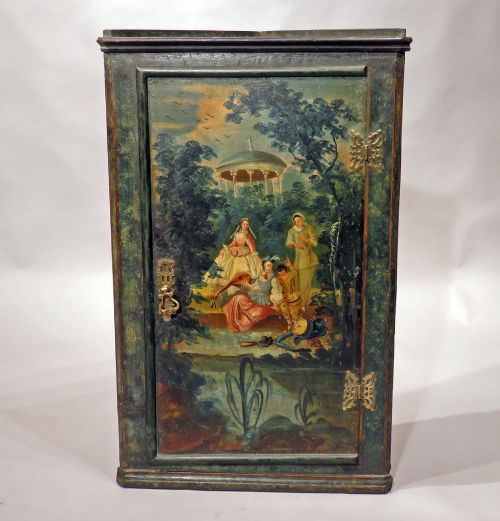
The domestic forms range from narrow side cabinets and kneehole desks to hanging corner cupboards and miniature jewellery chests. Mahogany, oak, and rosewood predominate, frequently combined with brass inlays, drop handles, and corner brackets.
Victorian and Edwardian iterations frequently take the form of military-style lockers or specimen cases, whilst earlier examples emerge in solid oak or yew wood. Buyers meet these pieces in various compact footprints designed for tight residential spaces.
Materials and Construction
Cabinetmakers utilised hardwoods such as mahogany, walnut, oak, and rosewood for the primary carcass, frequently applying veneers over secondary timbers. Surfaces integrate brass through inlaid stringing, drop handles, escutcheons, and protective corner bindings.
Campaign style pieces incorporate flush brass handles and corner brackets designed for transport, securing joints against rigorous travel. Interior construction involves dovetailed drawer boxes and hand-bevelled glass panels set within glazed doors.
Small Brass Cupboard Retail Price Guide 2026
Typical asking prices for small brass cupboard among the pieces listed under this phrase on Sellingantiques today, from the lower quarter to the upper quarter. They describe what is for sale here now, not the wider market.
A night porter kept his keys secure in a dedicated wall cabinet.
Determinants of Quality
The grade of timber and precision of cabinet joinery dictate the merit of a piece, separating utilitarian storage from refined domestic furniture. Hand-cut dovetails, straight-grained veneers, and original timber patination signal superior workshop output.
The integration of metalwork marks another distinction, where countersunk brass screws, crisp engraving, and heavy-gauge drop handles reflect thoughtful construction. Retaining matching period hardware elevates the standing of chests and side cabinets alike.
The Small Brass Cupboard Glossary
- Campaign style
- Furniture constructed for military travel featuring recessed brass handles, corner brackets, and sectional dismantling. These portable pieces prioritized durability and space efficiency.
- Chiffonier
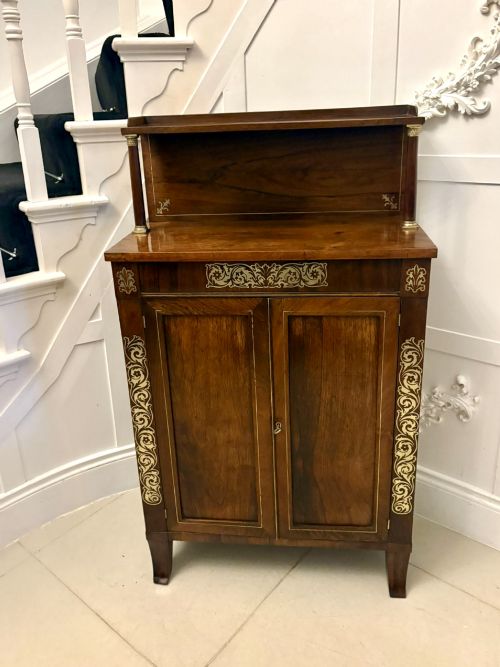
- A compact sideboard or low cabinet typically fitted with shelves or drawers beneath enclosed doors. Regency and Victorian examples frequently incorporate brass gallery rails or fabric-backed grilles.
- Kneehole desk
- A small writing table featuring a central recess flanked by pedestals of small drawers. Georgian and later iterations provide compact workspaces suited to smaller rooms.
- Pier cabinet
- A narrow display cabinet or bookcase designed to stand against the wall space between windows. These pieces often feature glass doors and brass mounts.
- Vitrine
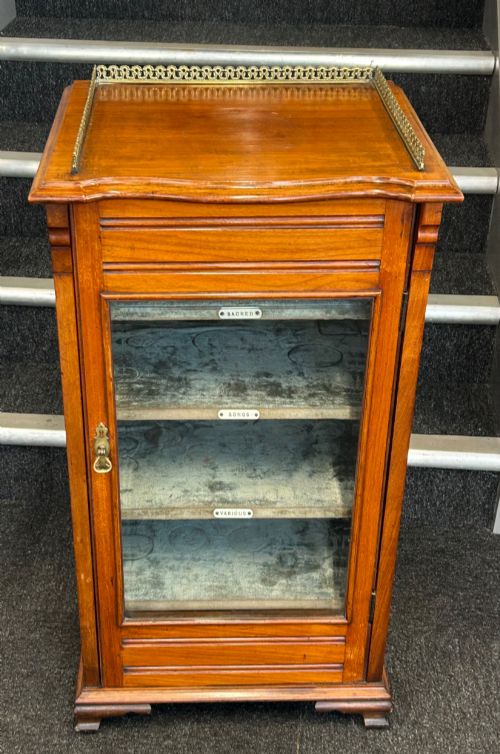
- A glass-fronted display cabinet utilised for exhibiting porcelain and small curiosities. Nineteenth-century examples employ delicate timber frames and glazed panels.
Small Brass Cupboard: Frequently Asked Questions
What is a small brass cupboard?
A small brass cupboard is a compact timber storage piece distinguished by metal mounts, handles, or inlays. These items include bedside cabinets, kneehole desks, and campaign lockers.
They serve as functional storage units offering enclosed shelving or drawers within modest footprints.
How were campaign cabinets used?
Campaign cabinets were built for military officers on the move, requiring sturdy construction and easy transport. Recessed brass hardware prevented snagging during transit.
Today, their modular nature and robust build make them practical for contemporary residential interiors.
Where should I place a small side cabinet?
Small side cabinets and pier cabinets fit narrow hallways, tight bedrooms, or beside seating areas. Their compact proportions utilise unused wall space efficiently.
They provide surface display areas alongside concealed storage for everyday items.
How do I identify a Regency piece?
Regency items often feature dark hardwoods like mahogany and rosewood paired with brass inlay. Clean classical lines and restrained ornamentation define the aesthetic.
Makers utilised brass grilles, gallery rails, and distinct drop handles during this period.