


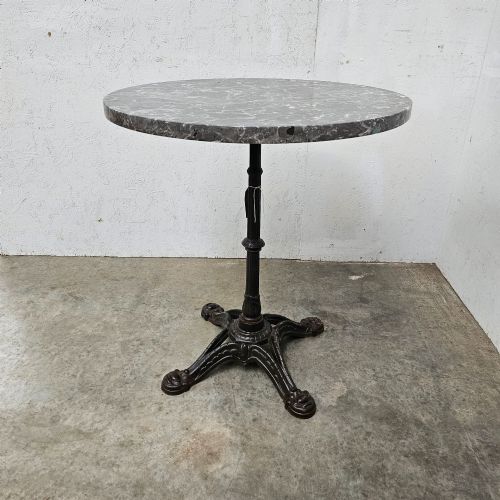


Small Black Table
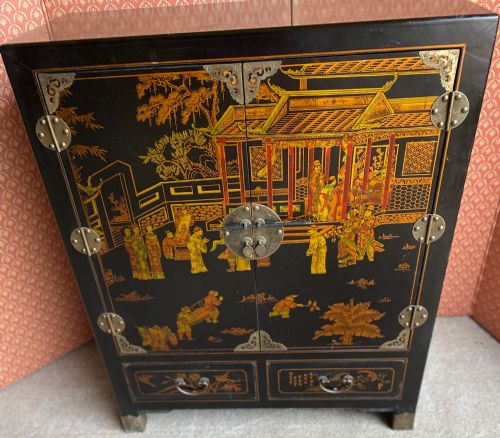
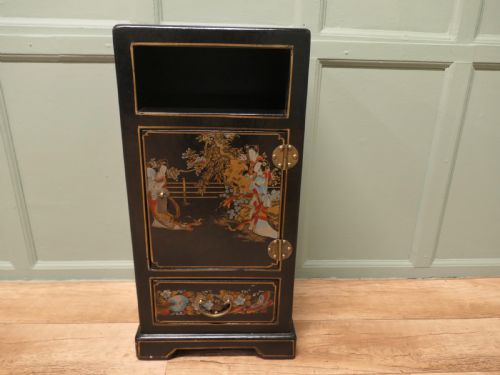
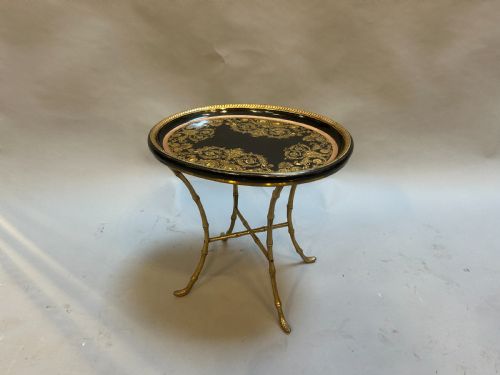
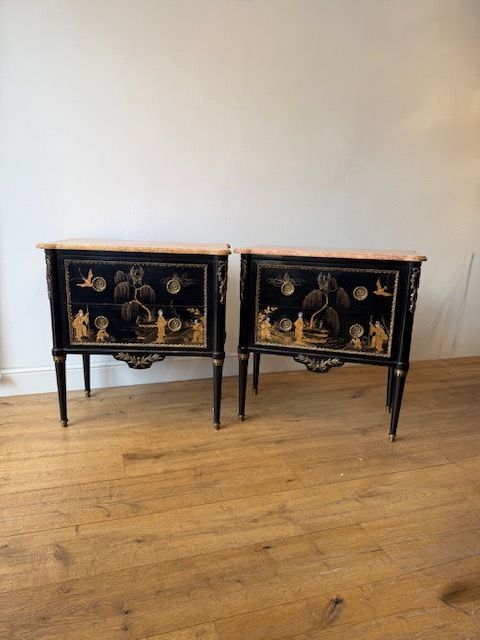
A small black table brings a quiet, dark anchor to a room, whether through the deep sheen of ebonised wood or the delicate gold scenes of chinoiserie.
Small Black Table
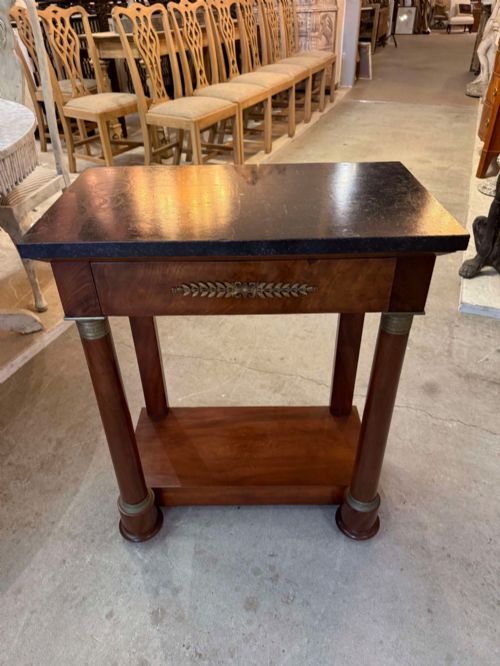
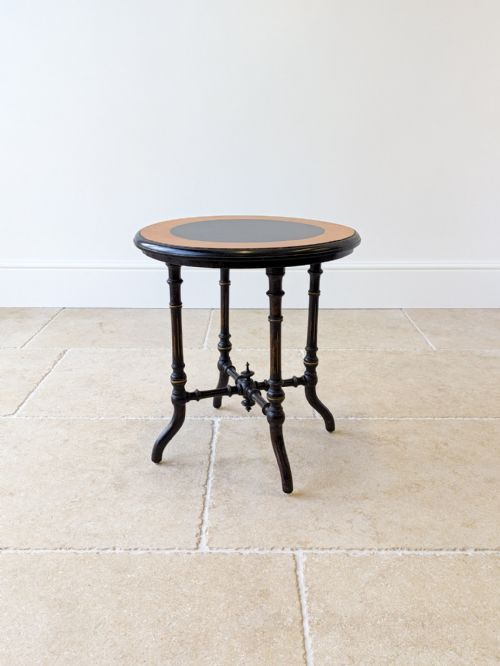
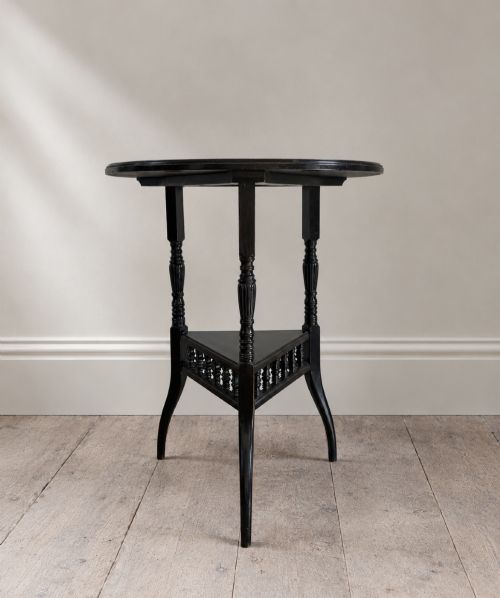
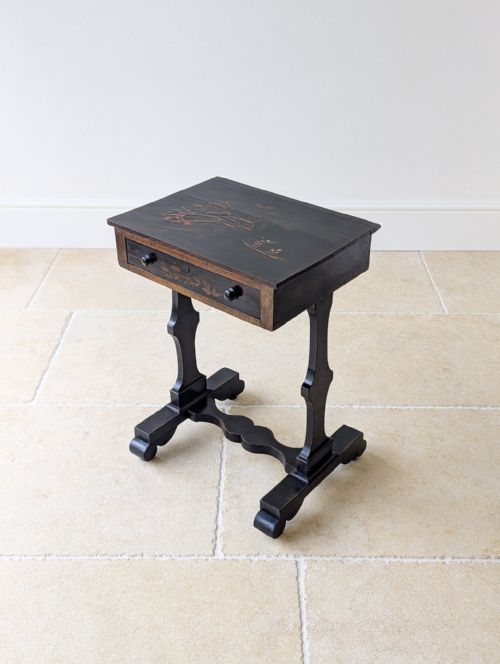
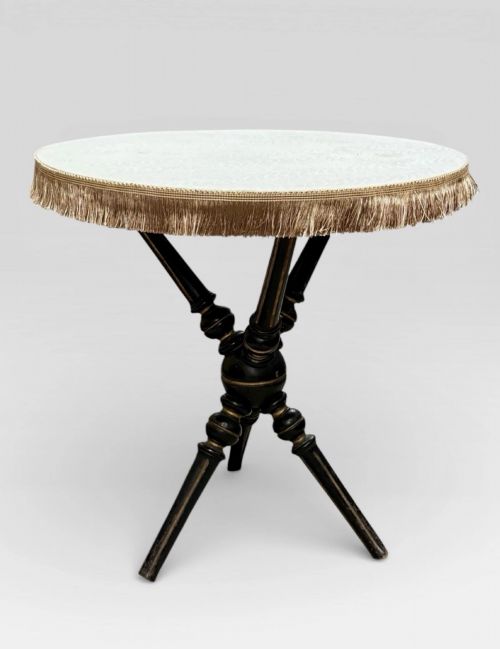
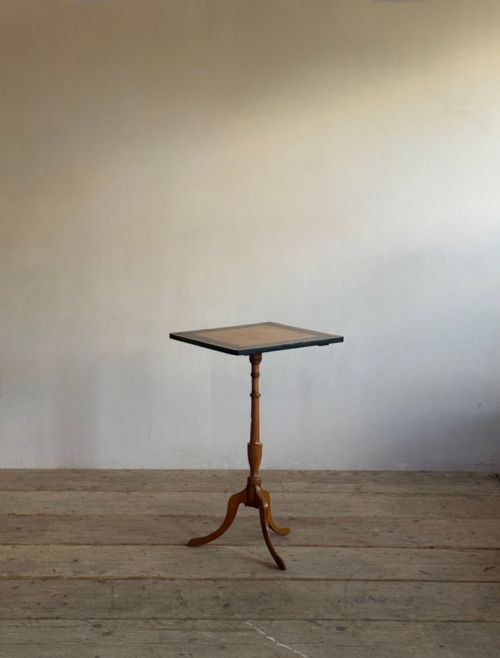
A small black table appears across several centuries in forms designed for compact utility, most frequently as occasional tables, side tables, and lamp tables. The selection ranges from Victorian ebonised tripod and Sutherland tables to 1920s chinoiserie drop-leaf surfaces and Regency work tables.
The materials span ebonised wood, lacquered wood, and painted finishes, often highlighted with parcel gilt or brass details. Makers from the 19th century onward utilised these dark surfaces to create striking contrasts within domestic interiors.
Materials and Technique
Construction relies heavily on ebonisation, a chemical process treating timbers such as mahogany, elm, or fruitwood to imitate expensive ebony. Artisans also applied black lacquer and hand-painted gilt decoration, particularly in pieces influenced by Japanese export goods and Aesthetic Movement design.
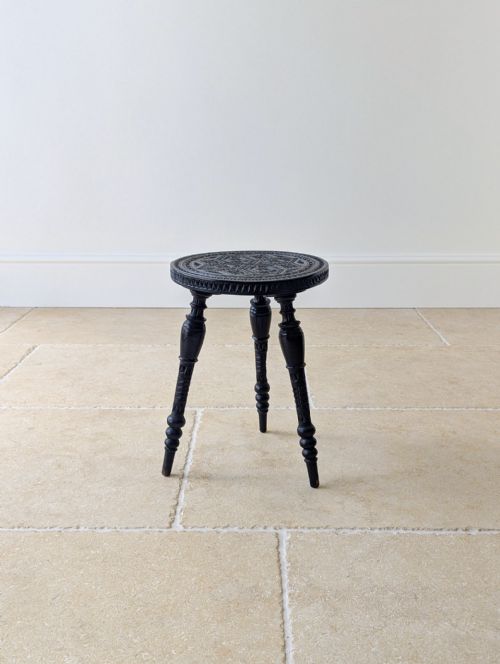
Structural elements include tripod bases, drop-leaf mechanisms, and turned legs, combining solid hardwoods with applied surface decoration like penwork or papier-mâché.
Small Black Table Retail Price Guide 2026
Typical asking prices for small black table among the pieces listed under this phrase on Sellingantiques today, from the lower quarter to the upper quarter. They describe what is for sale here now, not the wider market.
The Measure of Quality
Quality rests upon the depth of the ebonisation or the intricacy of the lacquer work, where hand-painted motifs display genuine artistic control rather than hurried application. The integrity of the underlying timber joinery, whether in a dropleaf action or a tripod pillar, dictates the physical stability of the piece.
The distinction between standard commercial output and finer workshop pieces lies in the crispness of chip-carving, the retention of original parcel gilt, and the sympathetic preservation of historical surfaces.
Jenks & Woods·Payne & Co
The Small Black Table Glossary
- Ebonised
- Timber treated with stain or chemical agents to produce a deep black finish that mimics solid ebony. This technique gained immense popularity during the Victorian and Aesthetic Movement periods.
- Sutherland table
- A type of narrow drop-leaf table with exceptionally slim hinged flaps supported by swinging legs. It folds flat for storage against a wall.
- Parcel gilt
- Portions of an object highlighted with applied gold leaf or gold paint over a base colour. It frequently accents the carved details of ebonised furniture.
- Tripod table
- A small freestanding table supported by a central pillar resting on three feet. This form became a staple of Georgian and Victorian parlours.
Small Black Table: Frequently Asked Questions
What periods do these tables come from?
The listings span from the Regency era through the Victorian period, the Aesthetic Movement, and into the interwar years of the 20th century. Victorian examples frequently utilise ebonised finishes, while 1920s pieces often display chinoiserie decoration.
Earlier Regency items demonstrate refined classical proportions, whereas later pieces embrace eclectic revival styles and functional compact designs for smaller rooms.
How were these small tables originally used?
These pieces served versatile roles in domestic interiors as places for lamps, drinks, needlework, or decorative objects. Sutherland and drop-leaf versions allowed households to save space when rooms were not in use.
Occasional tables could be easily moved beside seating for reading or card games, making them indispensable furniture for Victorian and Edwardian parlours.
How do I care for ebonised wood?
Ebonised surfaces require gentle dusting with a soft, dry cloth to prevent micro-scratching on the dark finish. Avoid harsh chemical cleaners and keep the timber away from direct heat sources to prevent the wood from drying or splitting.
Applying a light, microcrystalline wax occasionally helps protect the surface sheen and preserves the historical character of the black finish.
How can I tell ebonised wood from solid ebony?
Solid ebony is extremely dense, heavy, and shows the same dark grain throughout if nicked or examined closely underneath. Ebonised wood is typically a native timber like mahogany, fruitwood, or elm that has been stained or painted black on the exterior.
Under closer inspection, the lighter grain of the underlying wood may occasionally show through wear points or beneath the table base.