
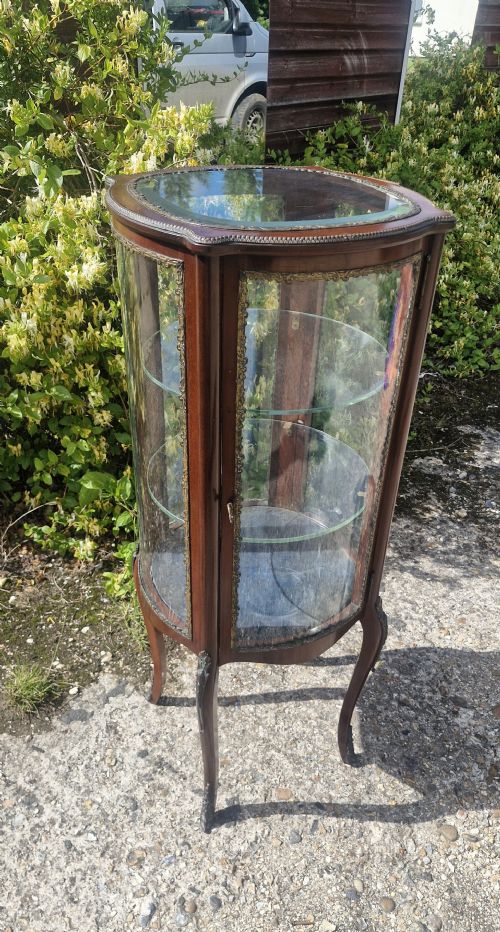

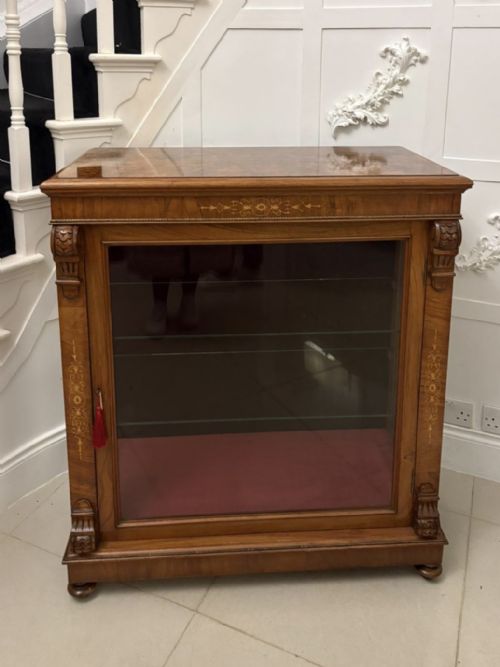
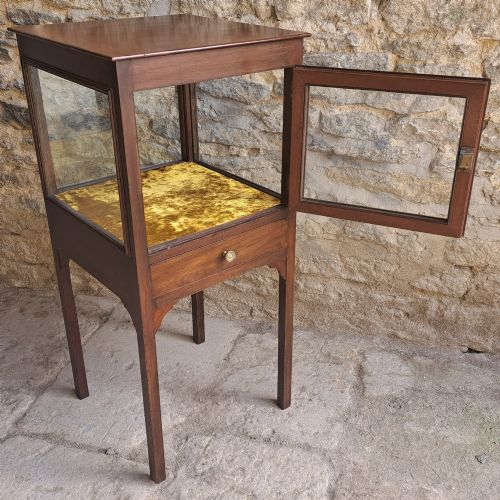
Small Vitrine Cabinet
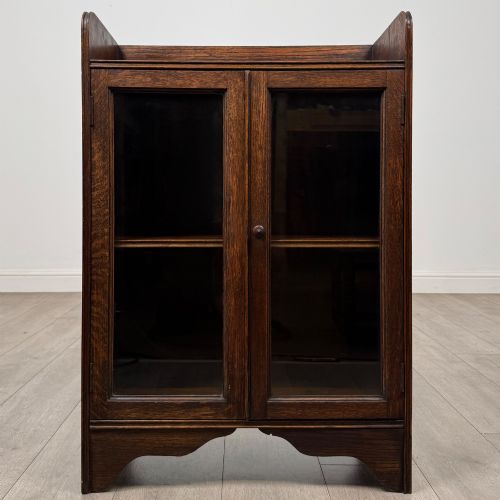
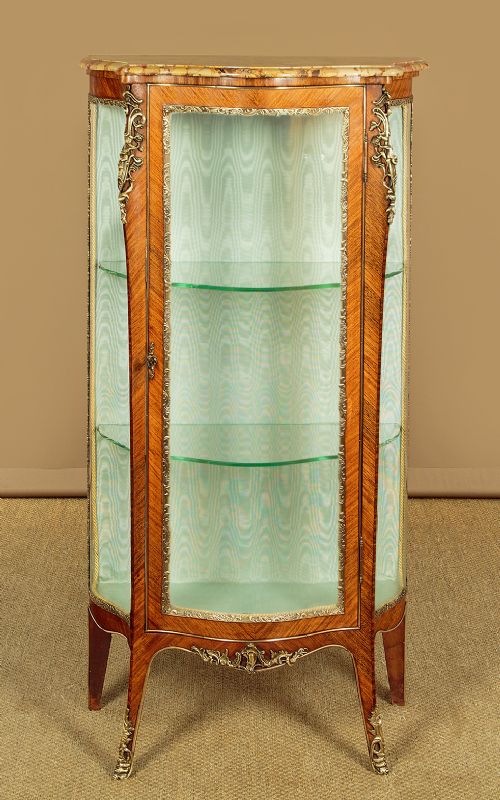
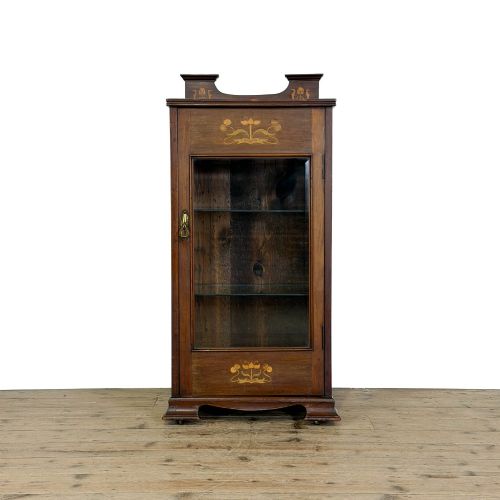
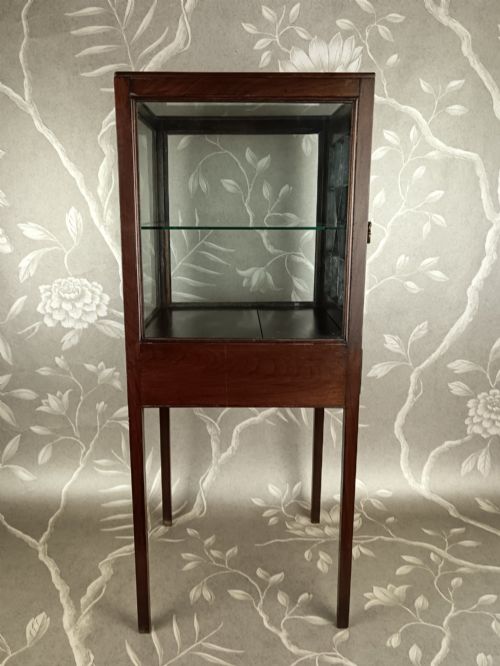
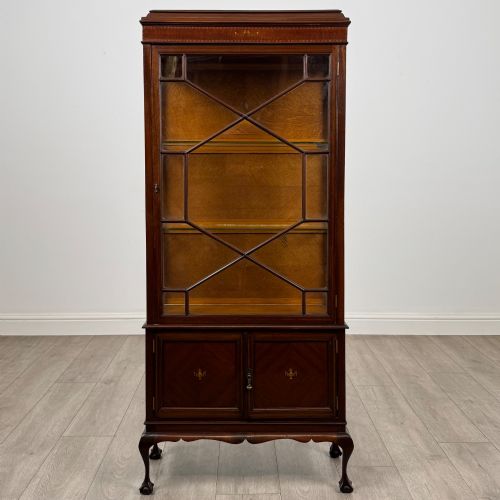
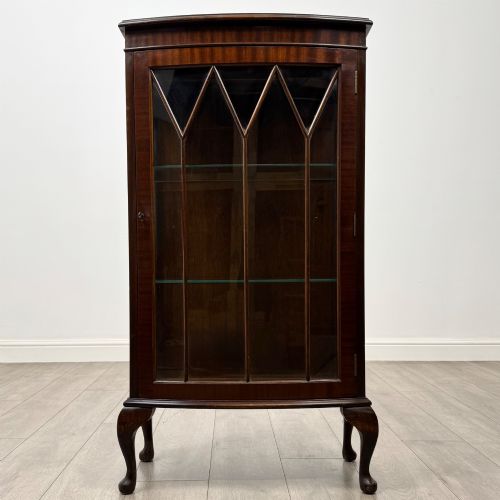
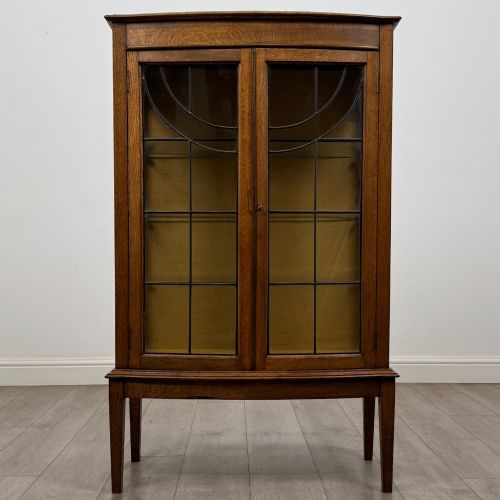
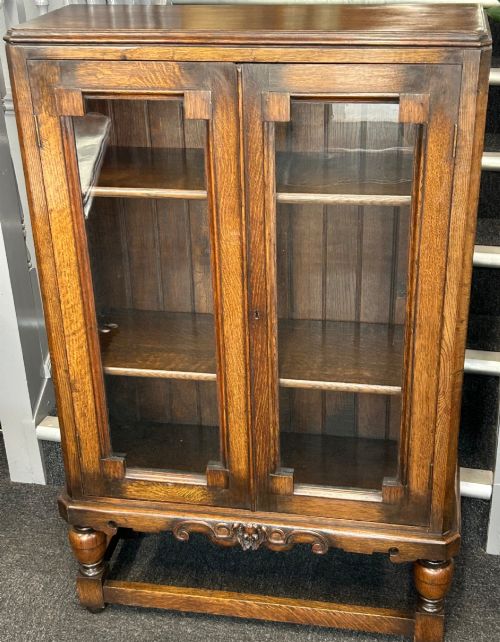
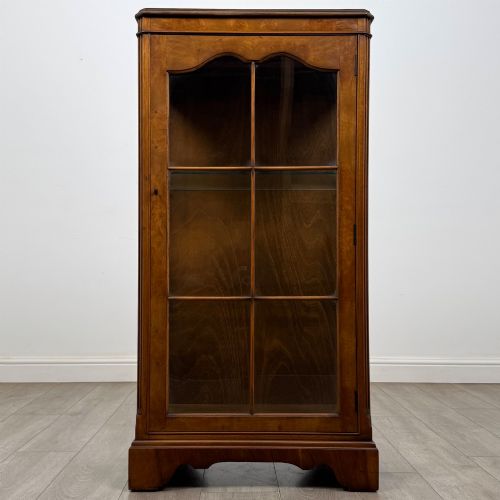
A small antique vitrine cabinet displays precious objects behind glass, bringing polished timber and refined period craftsmanship into a room.
Small Vitrine Cabinet
A small antique vitrine cabinet brings together glazed display sections and compact proportions to hold treasured items securely. These pieces serve as focal points in a room while keeping collections visible from multiple angles.
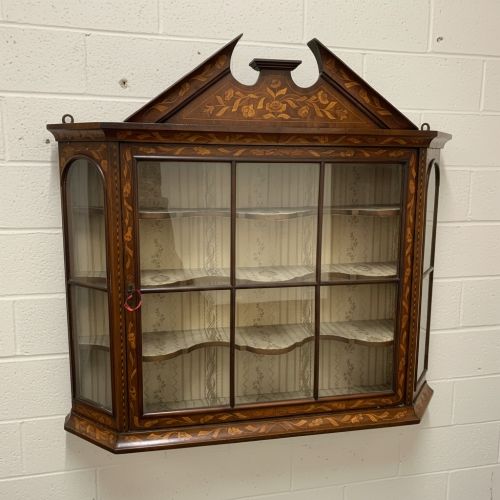
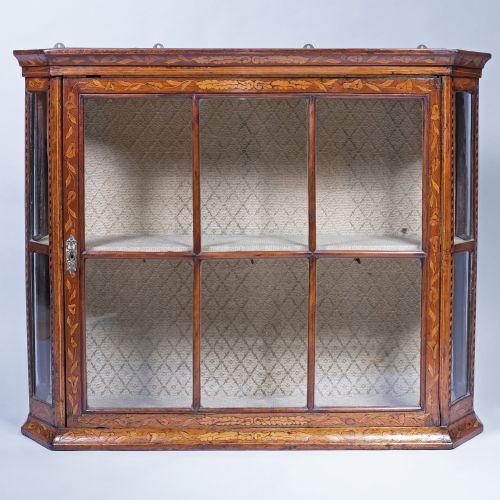
Most examples encountered here date from the Edwardian era and the Victorian period, alongside selections from the eighteenth century, nineteen-twenties, and nineteen-thirties. Forms range from wall-mounted cupboards and freestanding pier cabinets to slender bijouterie tables and corner cabinets.
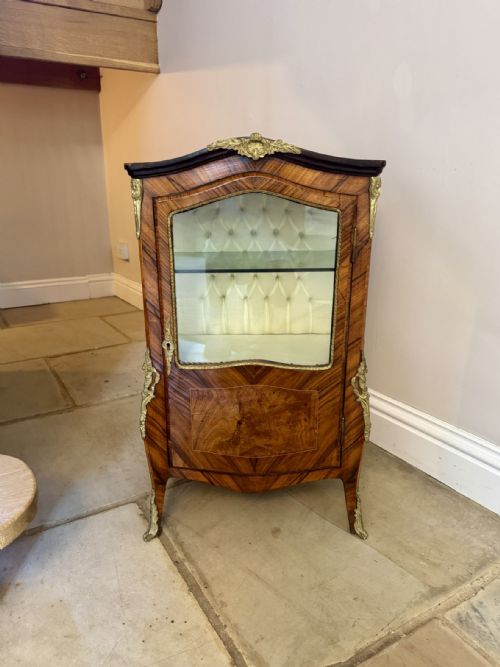
Makers and cabinetmakers constructed these display cases in varied styles including Louis XV style, Georgian, Art Nouveau, and Art Deco. Mahogany, oak, and walnut form the structural basis of these items, often finished with delicate inlay or gilt mounts.
How they were made
Craftsmen built these cabinets primarily using timbers such as mahogany, oak, walnut, satinwood, and kingwood, frequently applying marquetry inlay to enhance the wood grain. Glass panels form the principal viewing surfaces for the display of contents.
Makers integrated brass and ormolu mounts, hinges, and locks onto the framework, adding structural support and decorative contrast to the timber. Fabric and velvet linings frequently furnish the internal shelving and base of the display areas.
Listings feature eighteenth-century examples alongside Victorian, Edwardian, and nineteen-thirties pieces constructed from mahogany, oak, and walnut.
What varies in quality
The refinement of the timber selection and the precision of the marquetry inlay distinguish finer pieces from simpler utility cabinets. High-quality examples display careful matching of wood veneers and intricate floral or geometric patterns.
The sophistication of the metalwork, such as chased ormolu mounts and cast brass fittings, indicates the workshop standard. Superior cabinetmaking is evident in the tight fit of glazed doors and the crispness of carved or inlaid details.
Edwards and Roberts
The Small Vitrine Cabinet Glossary
- Vitrine
- A glass-fronted display cabinet designed specifically for showing porcelain, curiosities, and small valuables. These pieces often feature glass on the sides as well as the door to maximise light penetration.
- Bijouterie table
- A glass-topped display table used for holding jewellery, medals, and small decorative objects. They stand on slender legs and allow items to be viewed from above.
- Marquetry
- Decorative woodwork where pieces of contrasting timber, shell, or ivory are fitted into a veneer to form pictorial or geometric designs. This technique decorates the surfaces of many Edwardian and eighteenth-century cabinets.
- Ormolu
- Gilded bronze mounts applied to furniture for decorative effect. These metal ornaments appear on nineteenth-century pieces to highlight corners, feet, and cornices.
- Pier cabinet
- A narrow cabinet designed to stand against the wall space between windows. These Victorian forms utilise vertical proportions to provide display space in compact rooms.
Small Vitrine Cabinet: Frequently Asked Questions
What is a small antique vitrine cabinet used for?
These cabinets serve to display porcelain, silver, and small curiosities while protecting them from dust. The glass panels allow collections to be viewed clearly from outside.
They function as decorative furniture pieces that add architectural interest and period character to a reception room or study.
How do I date an Edwardian display cabinet?
Edwardian pieces, dating from the early twentieth century, frequently utilise mahogany or satinwood with delicate marquetry inlay. Their construction often reflects lighter proportions influenced by eighteenth-century revivals.
Examining the interior linings, lock mechanisms, and construction joints helps confirm the period of manufacture alongside the timber characteristics.
Where should I place a corner cabinet?
Corner cupboards and display cabinets fit directly into room angles to utilise unused space effectively. They provide display storage without dominating the main floor area of smaller rooms.
Positioning them away from direct sunlight protects both the timber finish and any fabric linings used inside the display compartments.