

Small Vanity
A small antique vanity gathers the personal items of dressing and writing into compact forms spanning centuries of domestic life.
Small Vanity
A small antique vanity encompasses writing desks, dressing tables, lowboys, and companion pieces designed for personal grooming or correspondence. These objects serve specific functions within the bedchamber or parlour, scaled for intimate domestic spaces rather than grand reception rooms.
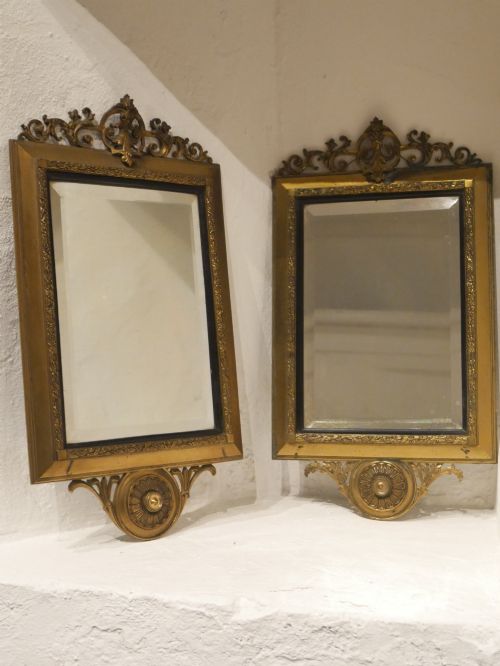
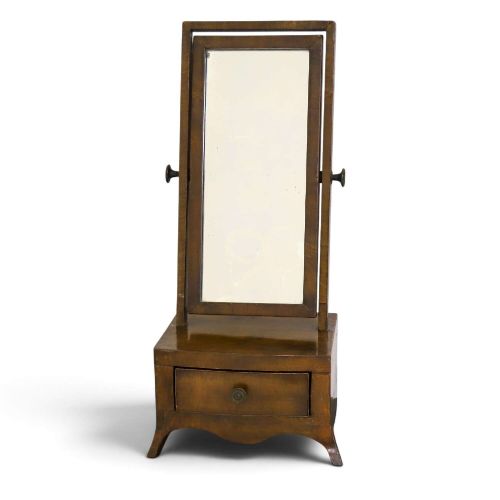
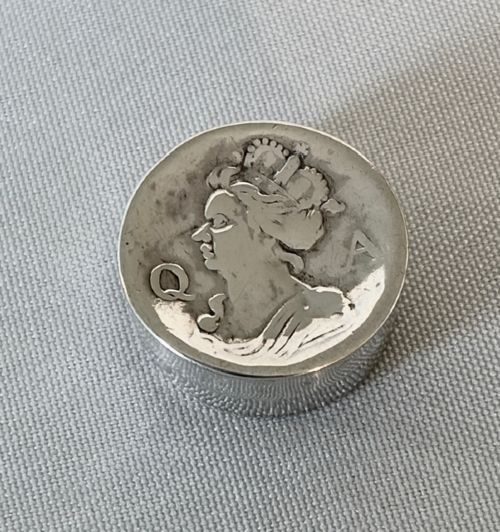
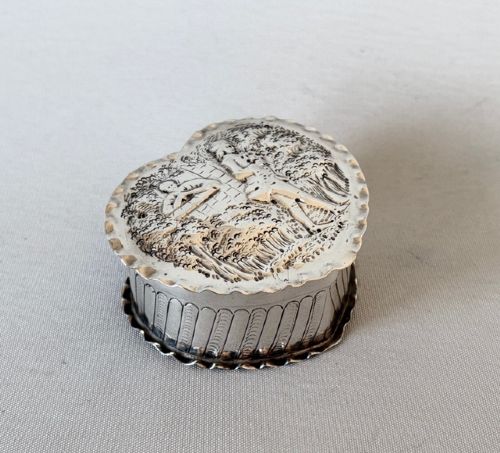
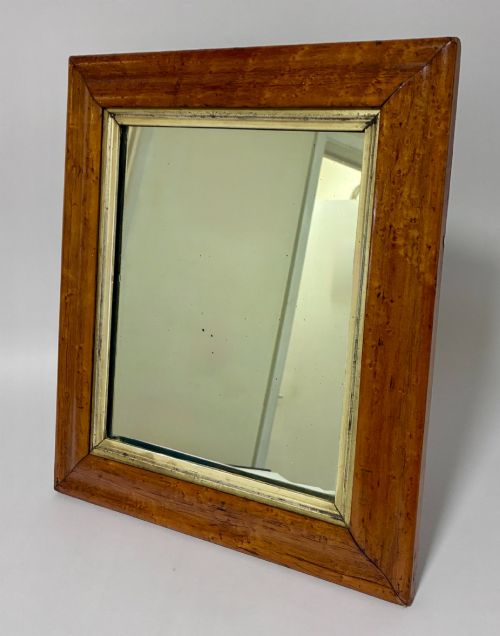
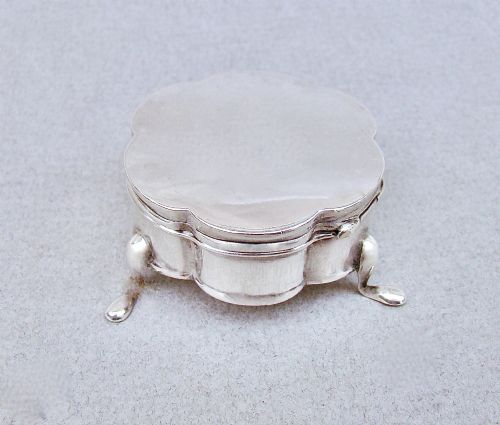
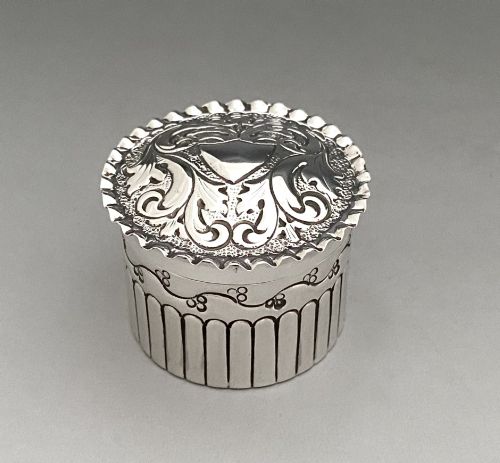
The selections encountered here range across several distinct periods, including Georgian lowboys, Victorian silver trinket boxes, Edwardian dressing mirrors, and inlaid walnut writing tables. Buyers frequently discover dual-purpose forms like the satinwood table-top bureau and dressing mirror combination.
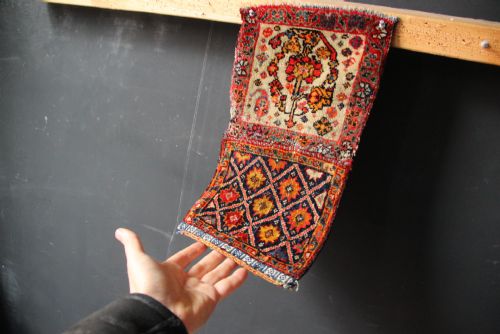
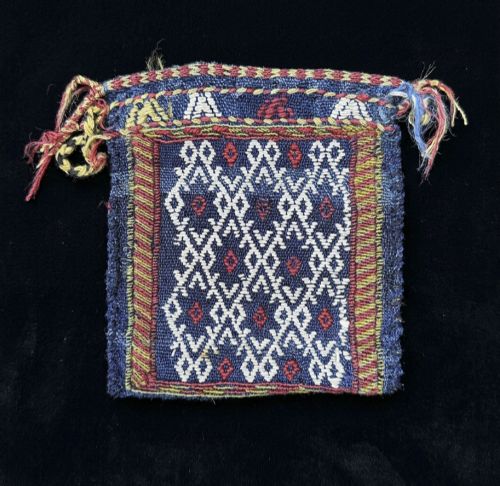
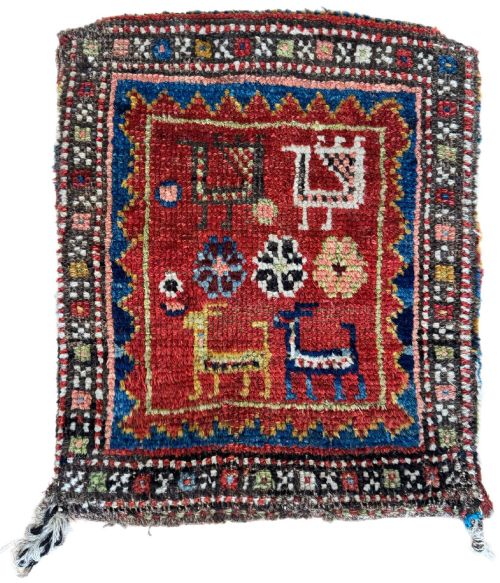
Origins span English cabinet-making traditions alongside continental French mirrors, Venetian micro-mosaic frames, and Persian tribal vanity bags. This variety reflects the diverse ways past households managed personal adornment and daily writing tasks.
Materials and construction methods
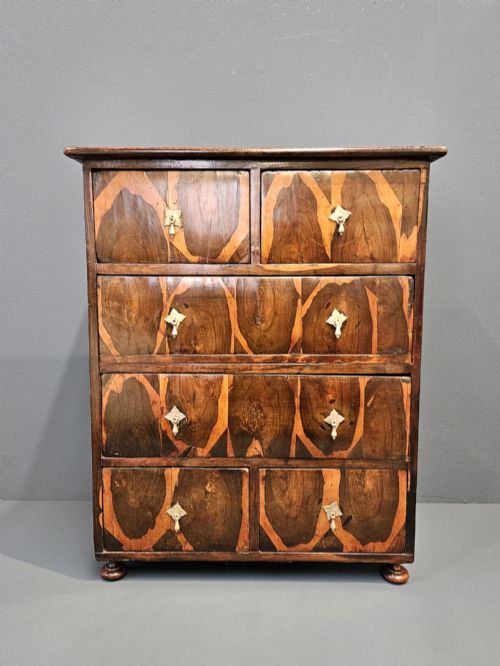
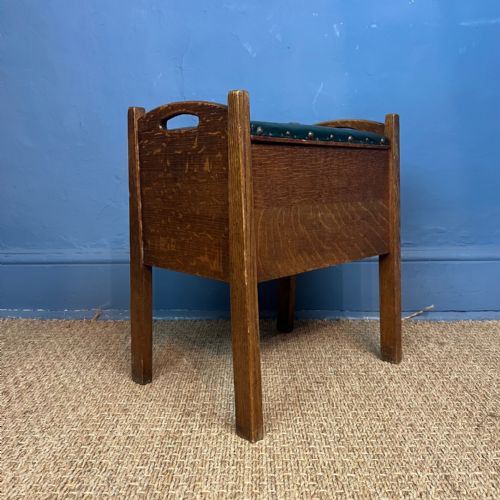
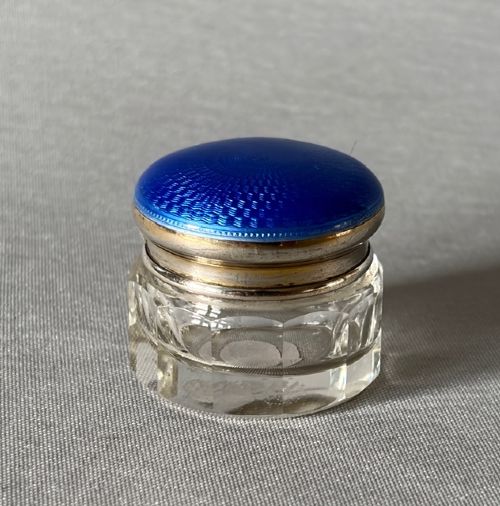
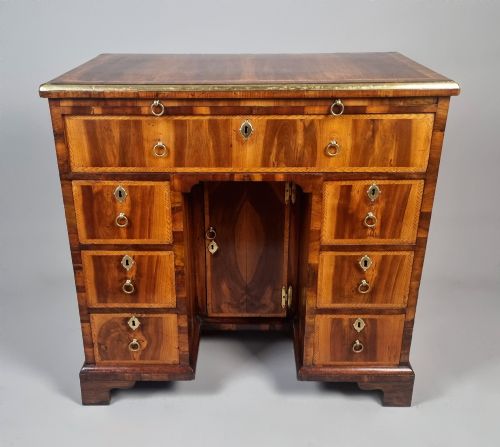
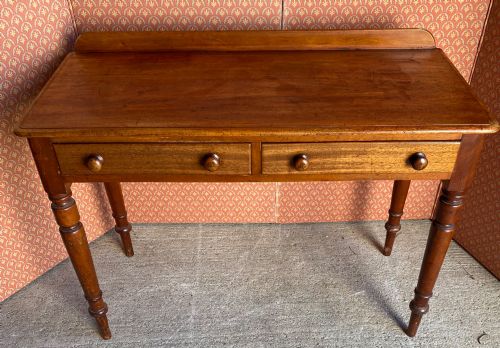
Cabinet makers utilised dense hardwoods such as mahogany, walnut, yew, and satinwood, often applied as fine veneers over secondary woods to create figured surfaces on desks and lowboys. Brass, sterling silver, and Old Sheffield plate provide structural mounts, collars, and hardware for mirrors and scent bottles.
Surface ornamentation relies on traditional techniques including brass inlay, repoussé work, pressed brass, and hand-applied enamel over glass and metal. Joinery follows period conventions of dovetailing for drawers and mortise-and-tenon framing for tables and washstands.
Small Vanity Retail Price Guide 2026
Typical asking prices for small vanity among the pieces listed under this phrase on Sellingantiques today, from the lower quarter to the upper quarter. They describe what is for sale here now, not the wider market.
Listings span the 18th, 19th, and early 20th centuries, uniting mahogany, sterling silver, glass, and brass across writing desks, mirrors, and scent bottles.
Discerning quality in period vanity items
Quality rests upon the crispness of timber carving, the precise alignment of drawer linings, and the integrity of applied veneers. Superior pieces maintain original brassware, intact silver hallmarks, and clear mercury or silver gilt mirror plates without excessive degradation.
The refinement of secondary details distinguishes workshop output, such as the intricacy of brass inlay on Kashmiri mirrors or the hand-chiselled depth of repoussé frames. Subtle proportions and harmonious timber selection separate utilitarian containers from elevated examples.
The Small Vanity Glossary
- Lowboy
- A small dressing table or side table featuring one or more rows of drawers beneath a flat top, common in the eighteenth century. They frequently served dual functions for powdering or correspondence.
- Repoussé
- A metalworking technique where the artisan hammers the design from the reverse side to form raised ornamentation on the front. This method decorates numerous Edwardian and Victorian brass mirror frames.
- Kneehole desk
- A compact writing table with a central recess for the user's legs, flanked by pedestals of small drawers. Examples in walnut and mahogany appear across Georgian and later revival periods.
- Scent bottle
- A small container for perfume or smelling salts, fitted with a stopper and often mounted in sterling silver or gold. These items were housed in fitted boxes or carried in travel luggage.
- Micro mosaic
- An assembly of tiny coloured glass tesserae forming detailed pictorial scenes, frequently utilised on Italian frames and tabletop objects. Venetian examples demonstrate exceptional patience in miniature glass placement.
Small Vanity: Frequently Asked Questions
How do I date a wooden dressing table?
Dating relies on examining the timber species, construction joints, and hardware style. Earlier pieces utilise solid native woods and hand-cut dovetails, while later nineteenth-century items introduce machine-sawn elements and distinct veneer patterns.
Secondary woods inside drawers provide further clues to origin and period. Comparing the overall silhouette against documented furniture styles narrows the manufacturing decade.
Where were small vanity desks placed?
These compact pieces sat primarily within private bedchambers, dressing rooms, or boudoirs. Their modest proportions allowed them to fit against tight wall spaces near natural light sources.
In larger houses, they provided a private station for morning correspondence and grooming before public appearances. Today, they easily adapt to modern home offices or bedroom corners.
Are silver pill boxes and scent bottles hallmarked?
Many British silver items carry official assay office hallmarks indicating the town, maker, and year of testing. These small marks offer precise dates for items produced during the Victorian and Edwardian eras.
Foreign pieces or older plated items may lack standard British stamps instead bearing maker's ciphers or continental purity marks. Examination with a loupe helps locate these tiny stamps.
How should I clean antique brass mirror frames?
Dust accumulation requires only a soft, dry brush to prevent abrasive particles from scratching the metal surface. Harsh commercial chemical dips strip the historic patination that accumulates over generations of handling.
Preserving the natural oxidation maintains the visual depth of repoussé and inlaid brasswork. Gentle maintenance protects both the metal and the surrounding wood or glass elements.